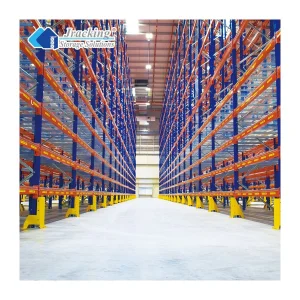
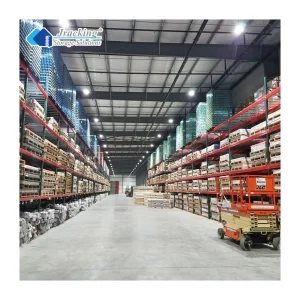
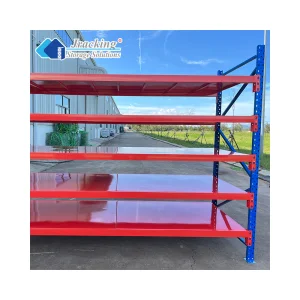
Explore our certified range of industrial heavy-duty racking configurations designed to maximize capacity and durability.
An in-depth analysis of structural integrity, space utilization metrics, and automated engineering trends.
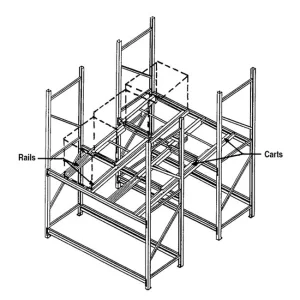
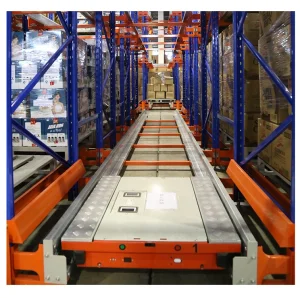
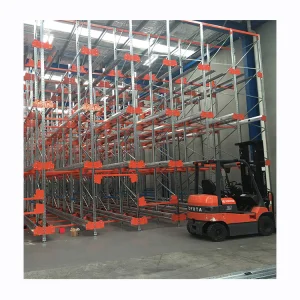
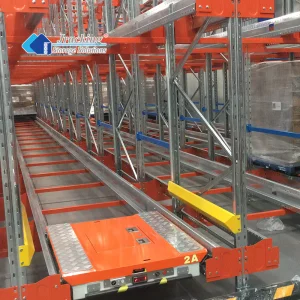
In the contemporary logistics ecosystem, industrial real estate costs continue to rise globally, prompting enterprises to look beyond basic storage solutions towards hyper-optimized, high-density layouts. Warehouse density optimization is no longer just about storing more pallets; it requires a deep integration of structural engineering, material science, and automation compatibility. As global distribution demands shrink lead times, the role of heavy-duty storage racking shifts from passive containment units to active productivity enablers. Modern warehouses must support diverse methodologies—ranging from traditional First-In, First-Out (FIFO) selective configurations to complex First-In, Last-Out (FILO) drive-in systems, and high-velocity semi-automated radio shuttle configurations.
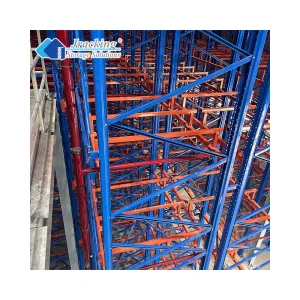
Choosing the correct steel chemistry and roll-forming method is critical for guaranteeing safety in seismically active regions and under extreme structural load requirements. High-tensile steel, such as Q235B and Q355B, forms the structural foundation of Jracking solutions. These grades are cold-rolled into specialized profiles with high yield strengths. Compliance with global design standards—specifically FEM 10.2.02 (European Federation of Materials Handling), the RMI (Rack Manufacturers Institute) standard, and AS4084-2012 (Australian Standard for Steel Storage Racking)—is the primary differentiator between safe, reliable warehouse equipment and high-risk structural installations. Certified engineering designs must account for complex variables including dynamic wind loads, seismic coefficients, concrete slab deflection, and forklift impact resistance.
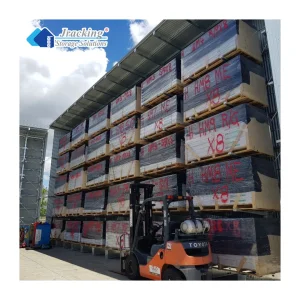
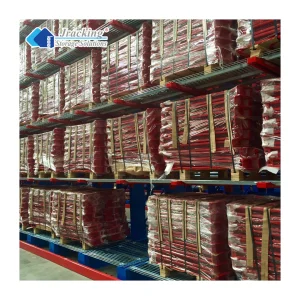
Moving from conventional racking to automated shuttle or drive-in structures reduces footprint requirements by up to 55% while elevating vertical space usage to maximum capacity.
Strict quality-controlled roll-formed columns, precise load calculations, structural steel bracing, and robust physical safety features guarantee reliable operation in challenging industrial environments.
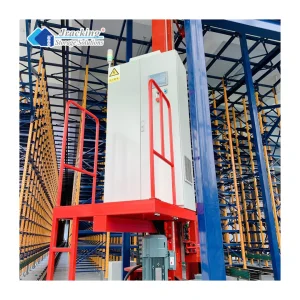
Seamlessly integrates mechanical racking setups with advanced ASRS stacker cranes, AGVs, and intelligent warehouse management system (WMS) control nodes.
A Premier Chinese Racking Manufacturer Serving Worldwide Enterprise Clients Since 2016
Jracking (Guangdong) Storage Co., Ltd. is a professional manufacturer specializing in warehouse racking systems and industrial storage solutions in China. Since its establishment in 2016, the company has been dedicated to designing, manufacturing, and supplying high-quality storage equipment for global customers across various industries.
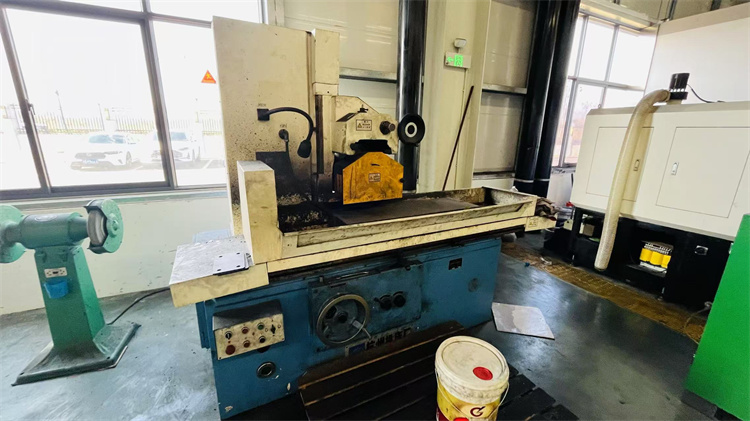
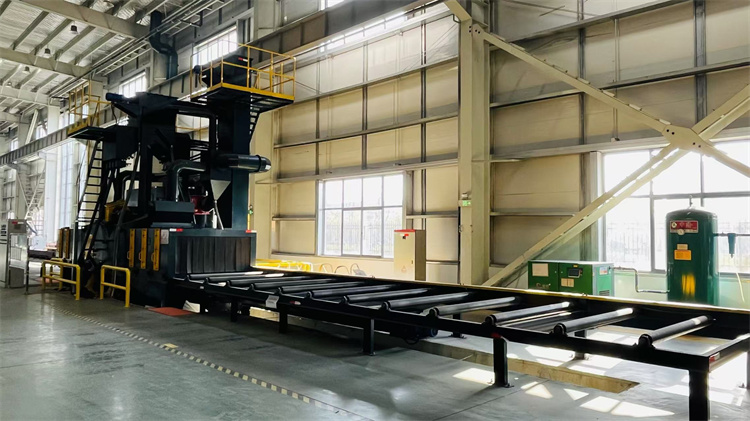
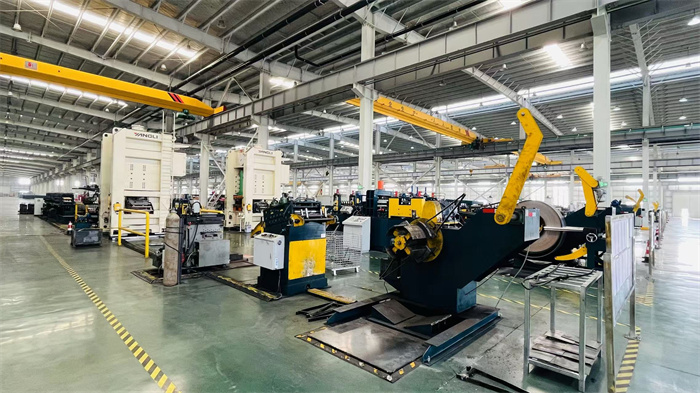
With a modern manufacturing facility covering 28,600 m², Jracking integrates advanced production equipment, strict quality management systems, and experienced engineering teams to ensure reliable product performance and consistent manufacturing standards. The company offers a comprehensive range of storage products including selective pallet racks, drive-in racking, cantilever racks, mezzanine systems, longspan shelving, steel platforms, and customized warehouse storage solutions.
Backed by over 8 years of export experience and 12 years of industry expertise, Jracking has successfully served customers in North America, Europe, Southeast Asia, Australia, and the Middle East. The company's annual export revenue exceeds USD 18 million, reflecting its strong competitiveness in the international storage equipment market.
Quality remains the core of Jracking's manufacturing philosophy. Every production process is strictly monitored through ISO-compliant quality control procedures, while products undergo load capacity testing, dimensional inspection, welding inspection, coating thickness testing, and final assembly inspection before shipment. The company employs 48 professional quality inspectors to maintain stable product quality and customer satisfaction.
As an OEM & ODM manufacturer, Jracking collaborates with more than 1,150 supply chain partners, enabling efficient sourcing, flexible production scheduling, and fast delivery for global projects. Its primary customers include warehouse equipment distributors, importers, wholesalers, logistics companies, e-commerce fulfillment centers, and industrial project contractors.
Innovation is driven by a dedicated R&D team consisting of 85 experienced engineers, who continuously develop new storage solutions to meet evolving market demands. The company supports customized design, size, color, loading capacity, surface treatment, and warehouse layout solutions according to customer requirements. In the past year alone, Jracking successfully introduced 156 new products to the global market.
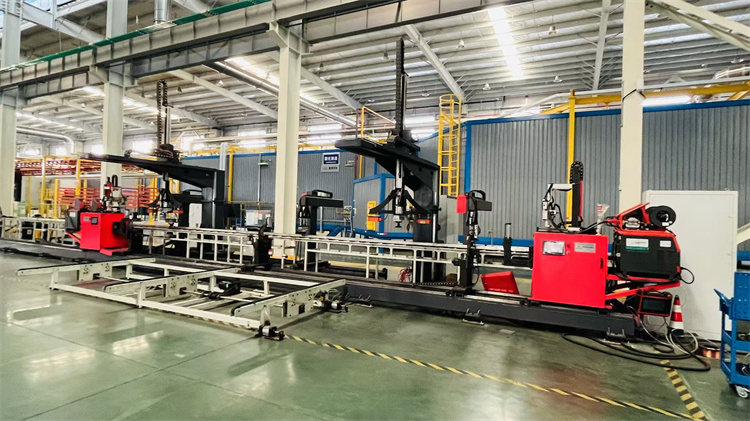
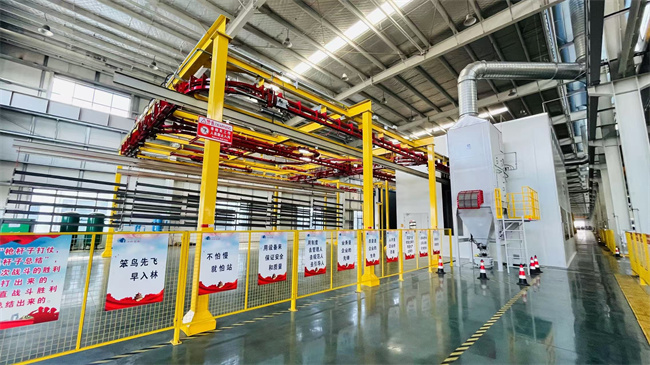
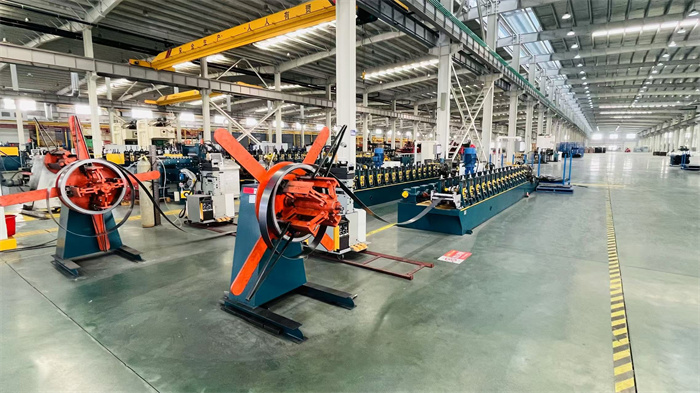
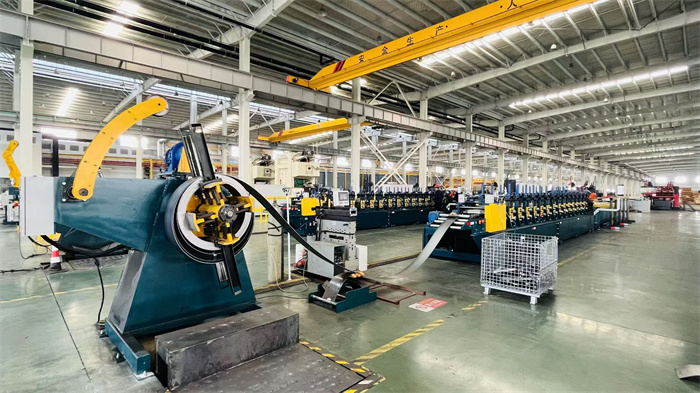
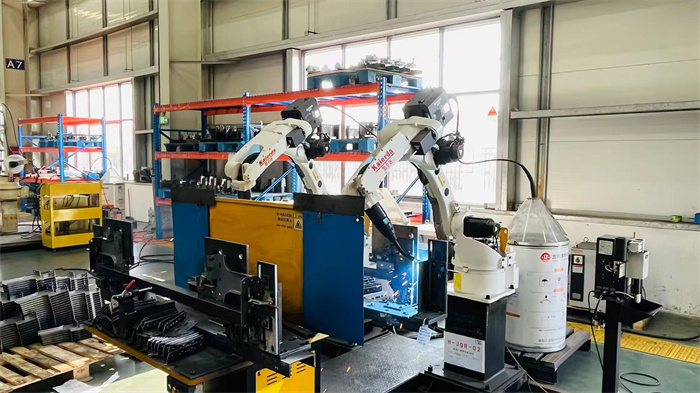
A comprehensive view of our vertical manufacturing infrastructure, ensuring extreme precision and quality control at every stage.
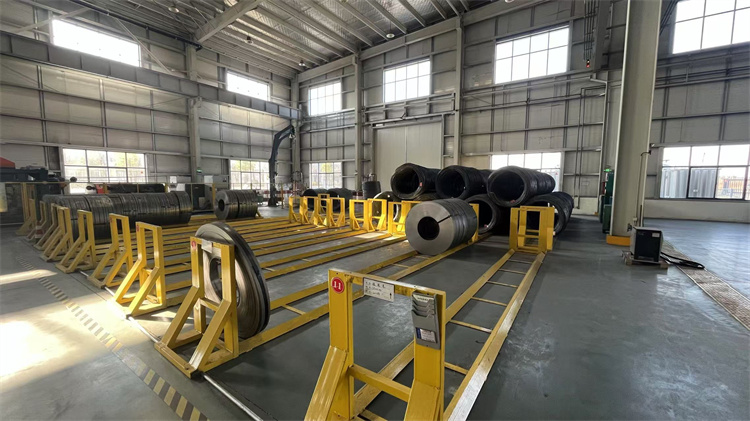
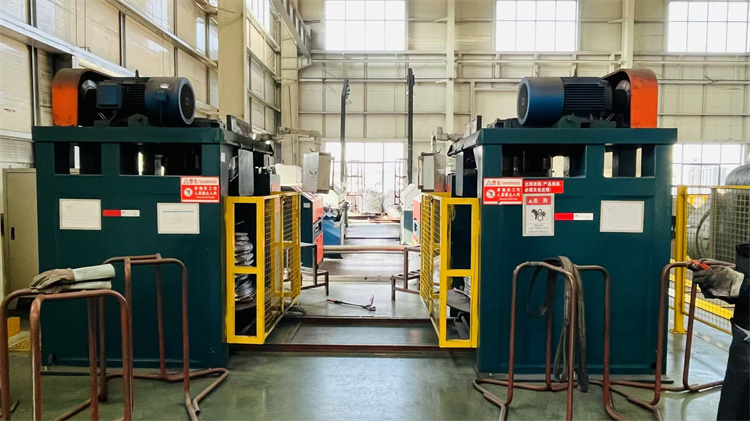
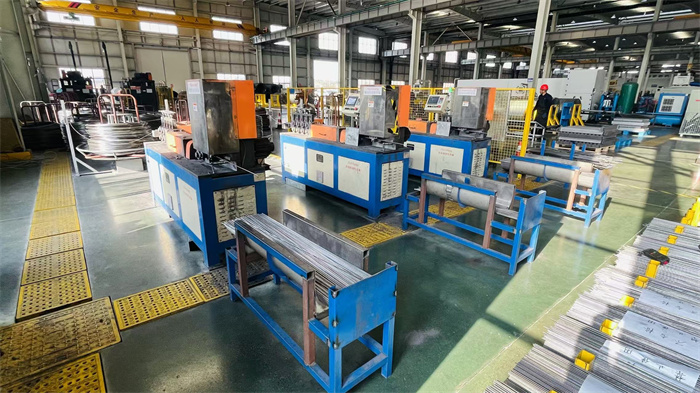
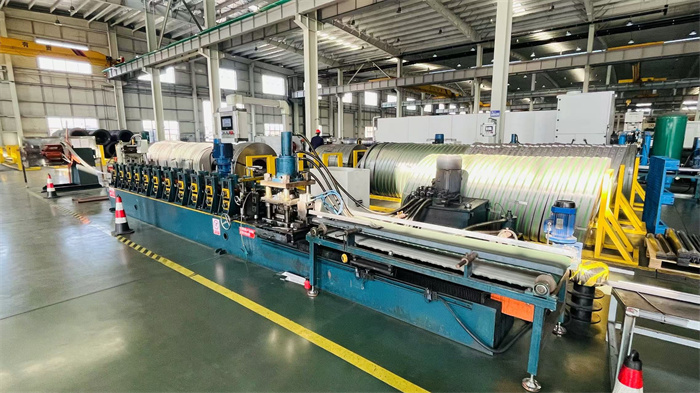
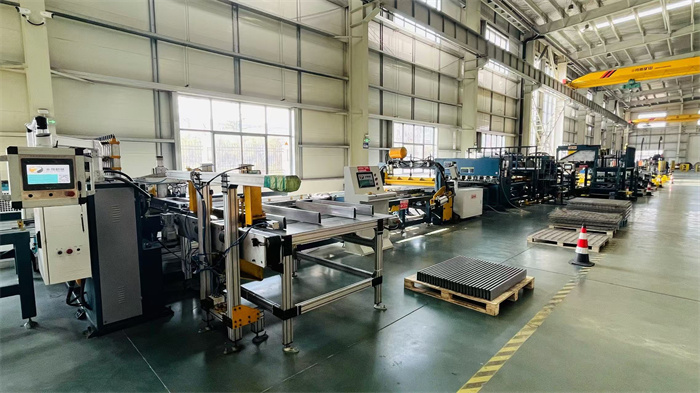
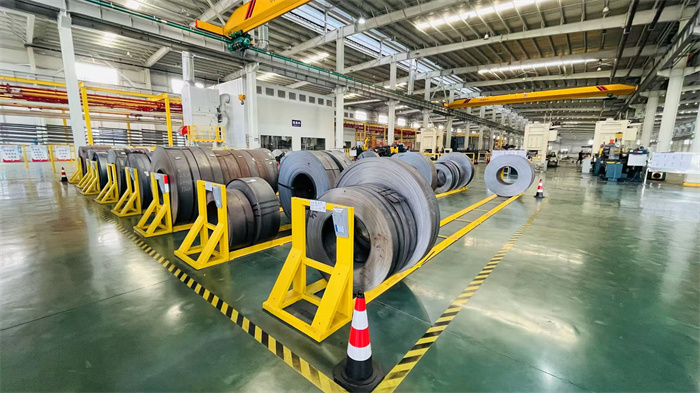
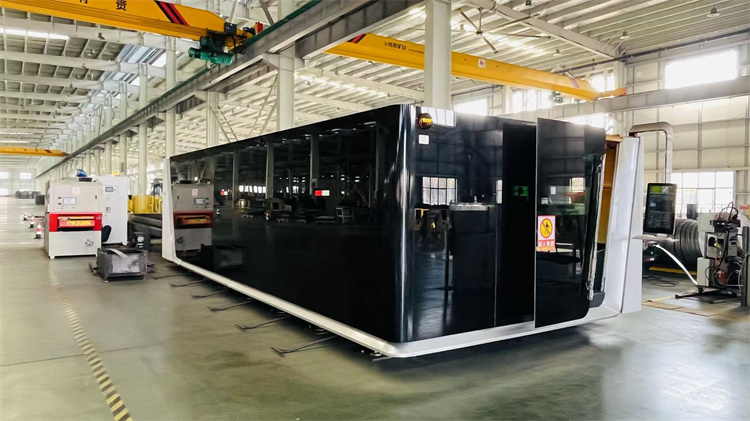
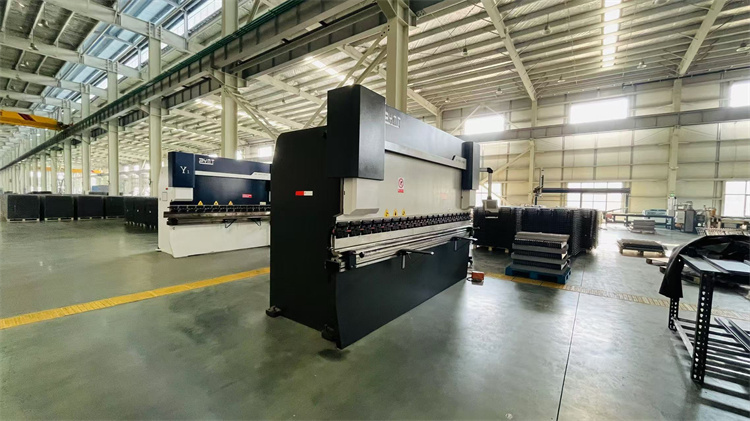
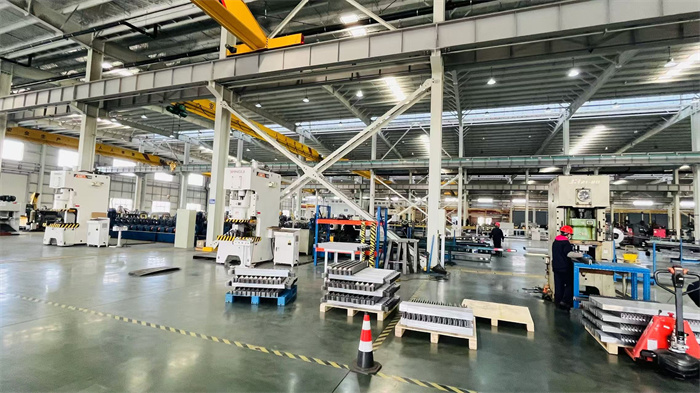
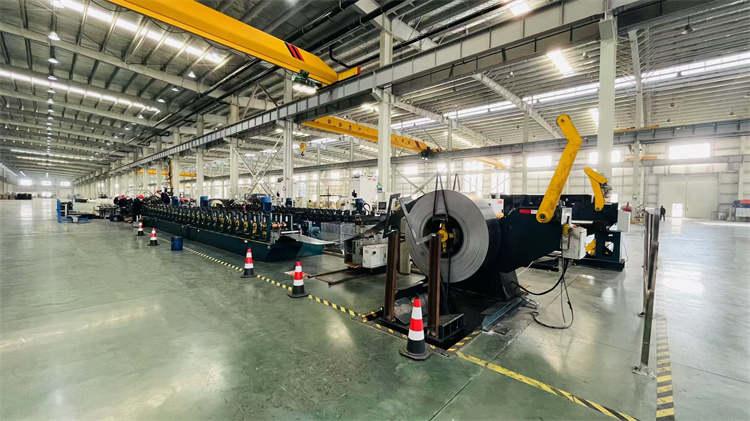
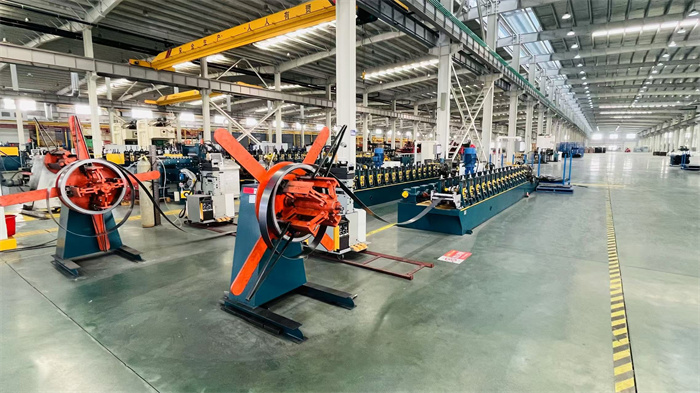
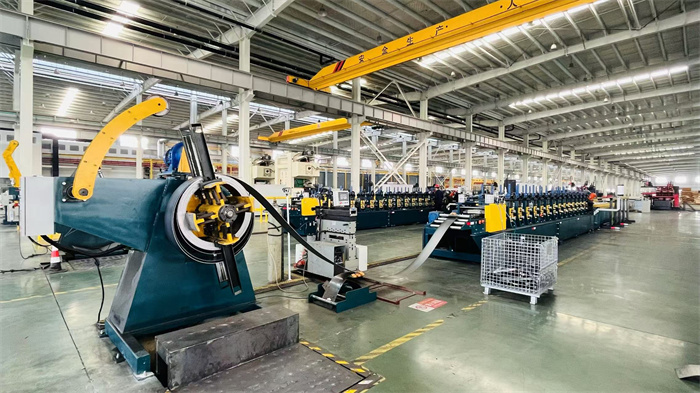
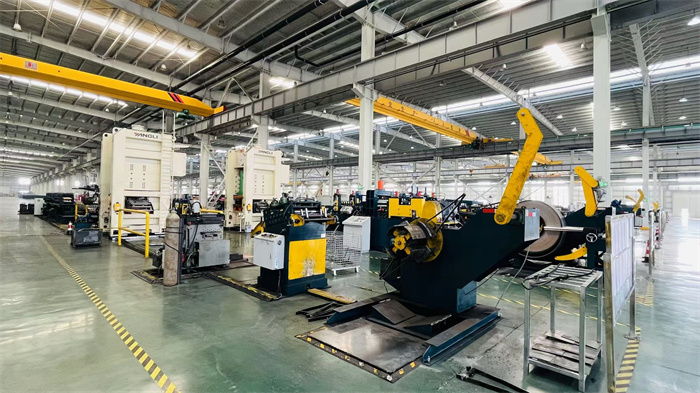
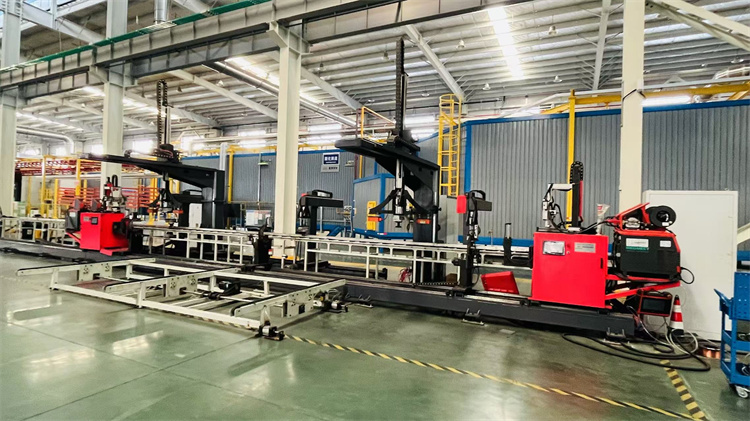
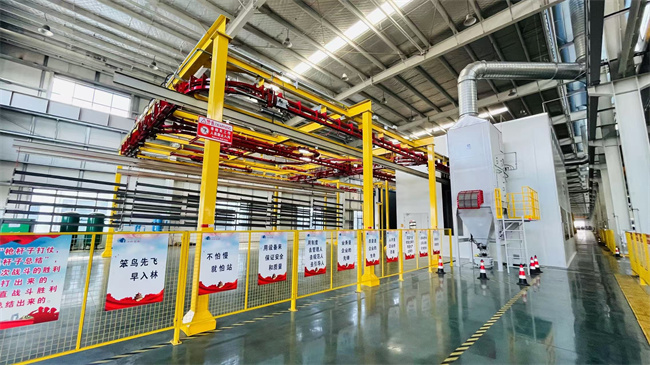
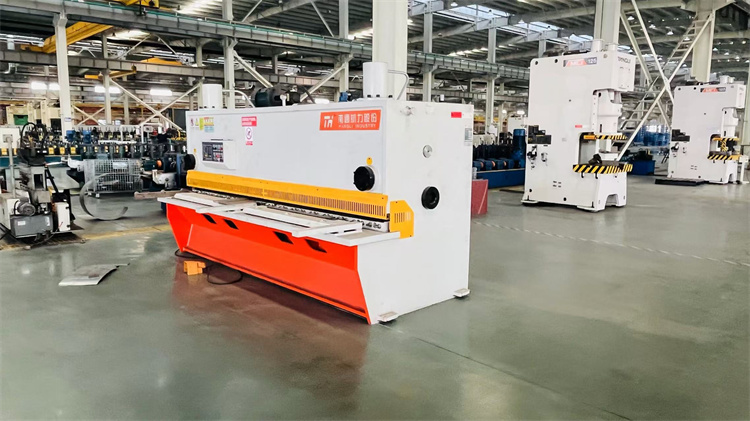
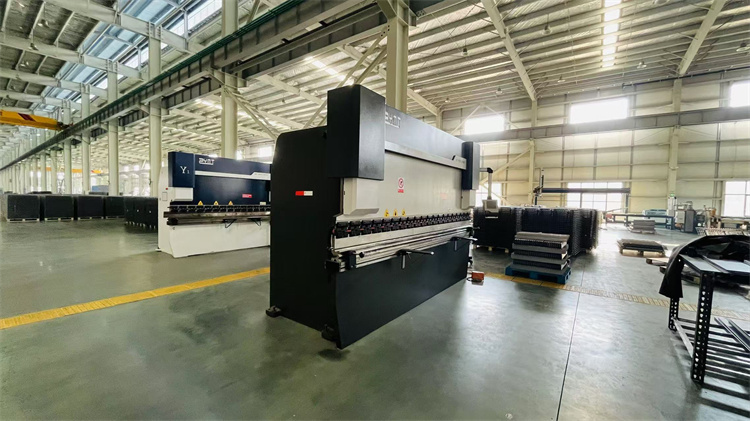
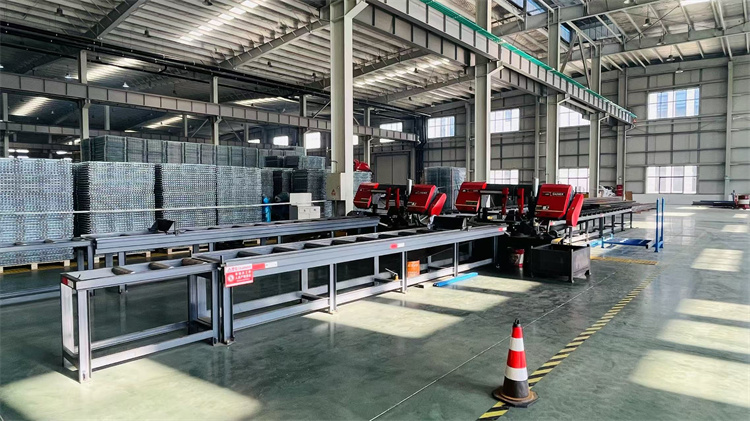
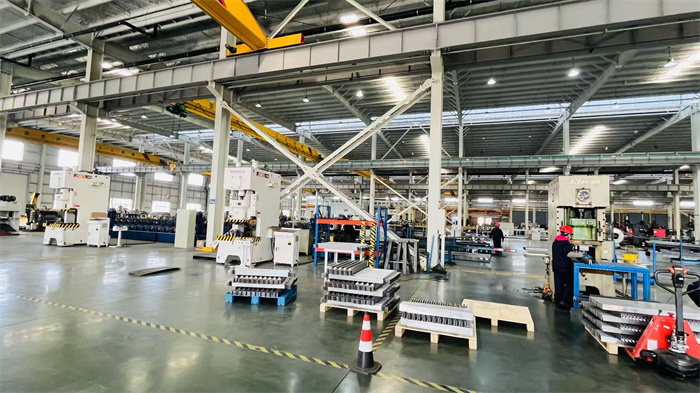
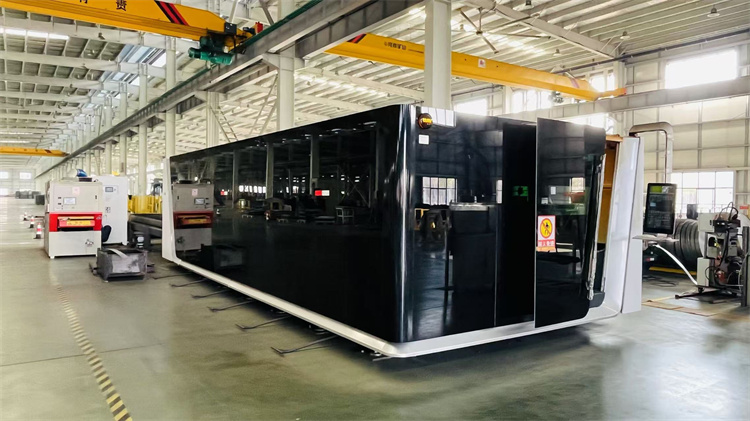
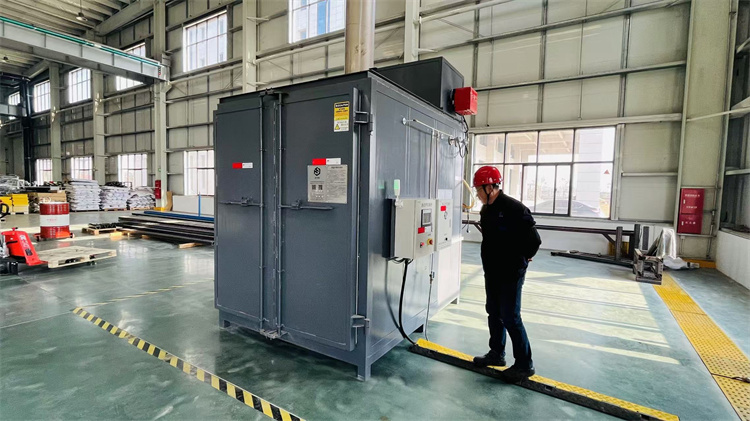
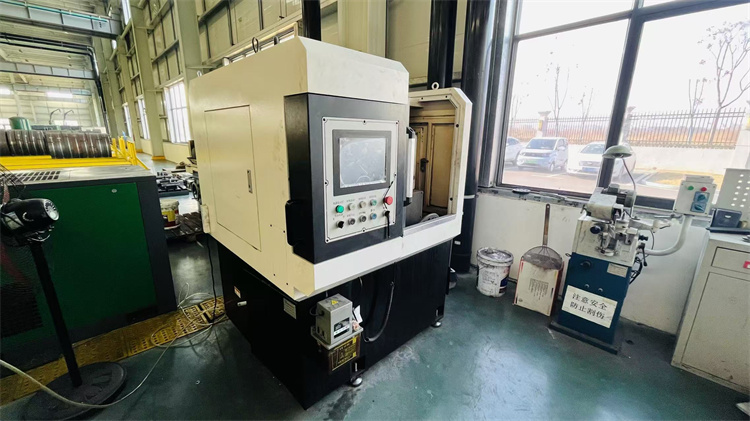
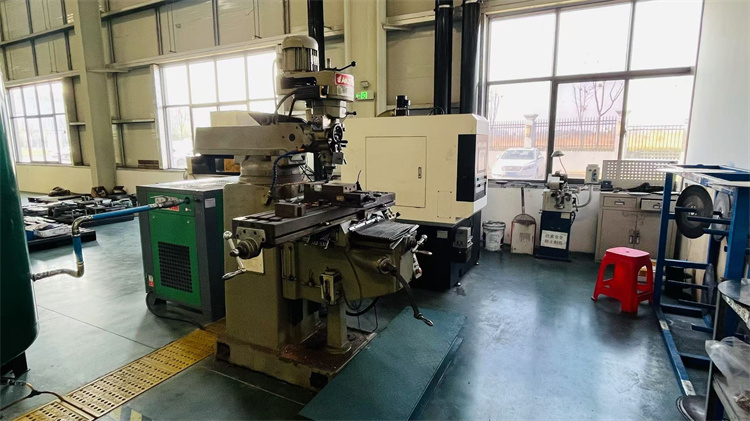
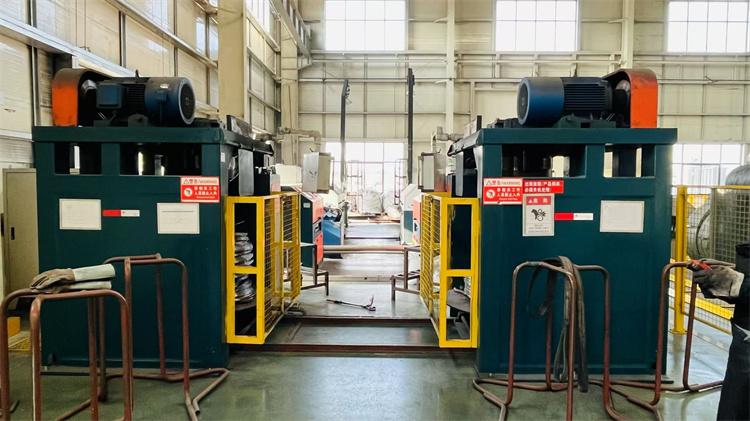
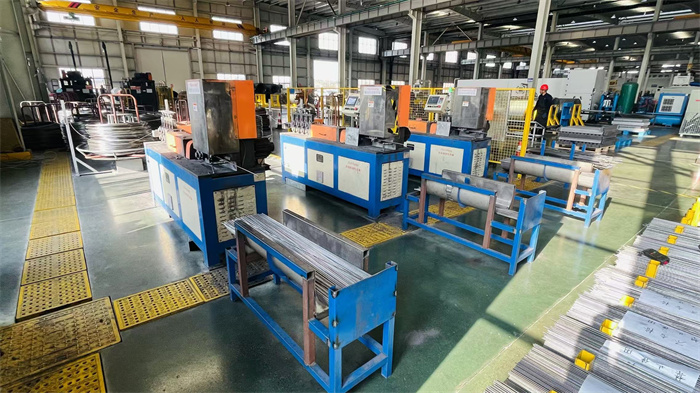
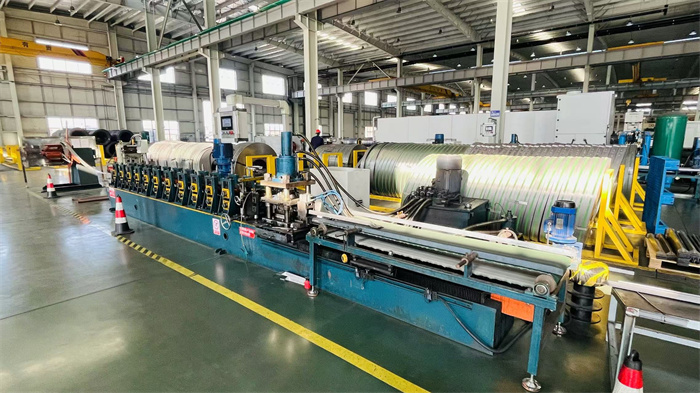
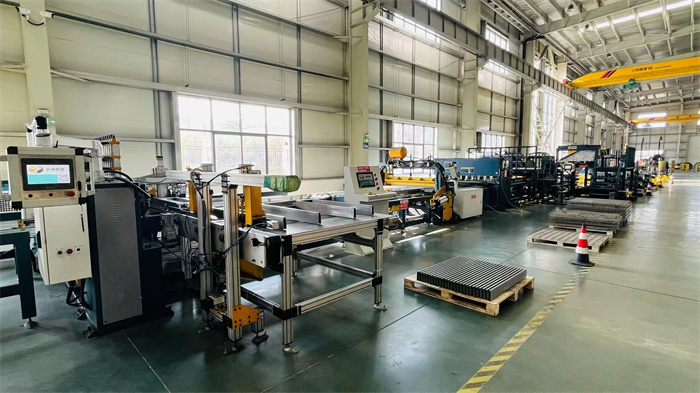
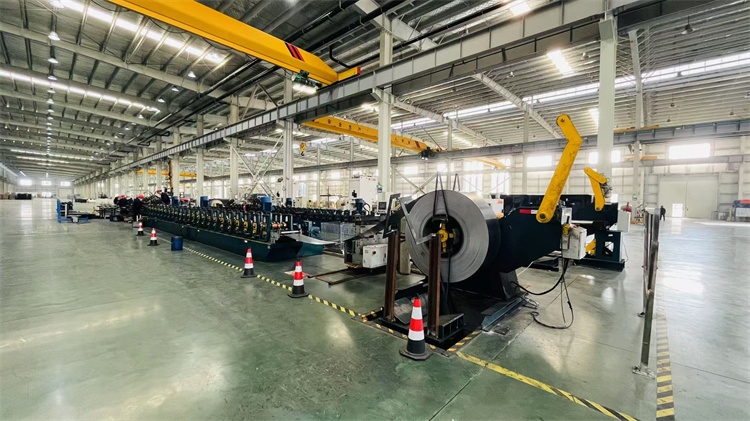
Unlocking unmatched engineering scale, supply chain integration, and cost efficiencies for global procurement managers.
Chinese storage solutions manufacturers benefit from direct upstream integration with major domestic steel mills. This structure grants consistent access to high-grade, structurally sound Q235B and Q355B steel coils. Securing raw materials directly allows for tight tolerances, predictable mechanical performance under extreme loading profiles, and protection from global supply shocks.
By leveraging advanced automation—including continuous roll-forming mills, automated robotic gas metal arc welding (GMAW) centers, and state-of-the-art electrostatic powder coating systems—Chinese factories deliver high-precision products at scale. This advanced machinery minimizes manual variance and ensures consistency across production runs.
Located in Guangdong's industrial manufacturing heartland, Jracking utilizes proximity to major deep-water shipping hubs like Shenzhen and Guangzhou. This close access reduces domestic transit times, minimizes inland freight risks, and provides buyers with competitive shipping options to global markets.
Tailored warehouse structures designed to address specific environmental requirements and operating profiles.
Cold storage facilities demand unique engineering strategies to mitigate structural challenges like low-temperature embrittlement. Standard structural steel can fail under prolonged exposure to sub-zero temperatures if not specified correctly. Jracking customizes cold-chain racking layouts using low-temperature grade steel and specialized anti-corrosive powder coatings. These materials are engineered to maintain structural integrity at temperatures down to -30°C. By implementing high-density semi-automated Radio Shuttle racks in cold environments, operators can reduce cooling volumes, minimize thermal losses, and optimize storage density within high-cost refrigerated spaces.
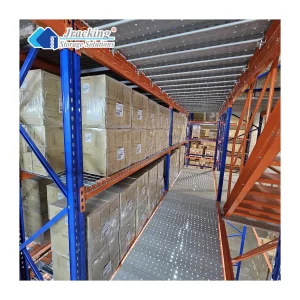
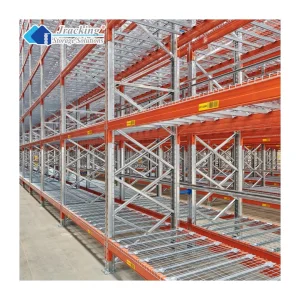
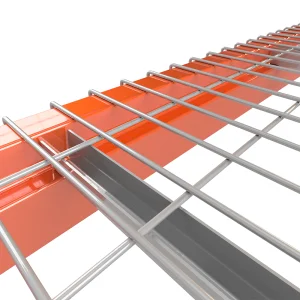
E-commerce distribution is characterized by high SKU counts, intensive picking cycles, and demanding throughput requirements. Selective pallet racks combined with multi-tier mezzanine floor solutions offer a balance of direct accessibility and space optimization. Integrations like steel wire mesh decking and drop-in dividers improve safety, support carton flow lanes, and meet strict local fire protection code requirements. By adjusting layout designs to support fast picking pathways, operators can streamline order consolidation and shorten turnaround times.
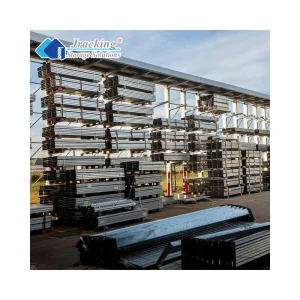
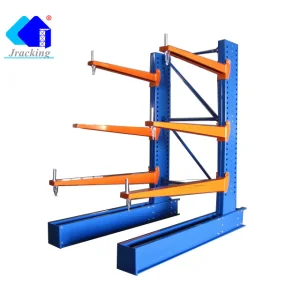
Storing long, oversized, or heavy raw materials like structural piping, timber, and steel coils requires robust, specialized storage systems. Standard pallet racking is unsuitable for loads that extend horizontally beyond typical column profiles. Custom heavy-duty cantilever racks resolve these issues by using self-supporting structural columns and adjustable arms. This open-front design allows for safe loading of non-standard shapes by overhead cranes or specialized side-loader forklifts.
Direct answers to common technical, design, and regulatory questions from international procurement teams.
Explore specialty products engineered for long spans, heavy loads, and semi-automated distribution centers.
 Jracking