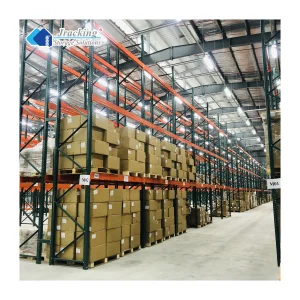
In the high-stakes environment of global warehousing and supply chain infrastructure, structural integrity and optimized storage layouts are critical. As a leading voice in industrial material storage, Jracking (Guangdong) Storage Co., Ltd. offers engineered storage systems designed for heavy-duty applications. Our solutions optimize space, streamline workflows, and ensure the safety of your inventory.
From selective steel racking arrays to custom cold-store structures, Jracking integrates structural engineering, precise manufacturing, and quality testing. We ensure compliance with rigorous regulatory requirements in diverse markets across North America, Europe, Australia, and the Middle East.
Our solutions comply with global standards, including RMI (Rack Manufacturers Institute), FEM 10.2.02, and AS4084-2012. We perform comprehensive finite element analysis (FEA) and testing on every design. This ensures structural safety in different environments, including high-seismic zones and sub-zero cold-storage facilities.
With an annual export volume exceeding USD 18 million and partnerships with over 1,150 supply chain professionals, our production facility in Guangdong delivers reliable, scalable manufacturing capacity to meet demanding project schedules.
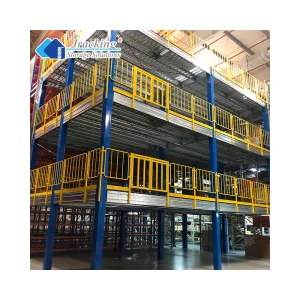
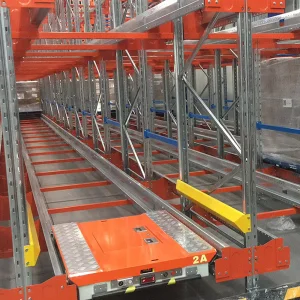
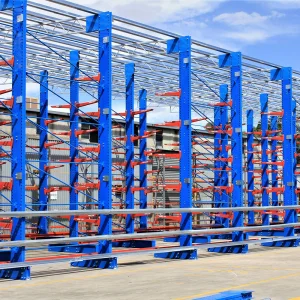
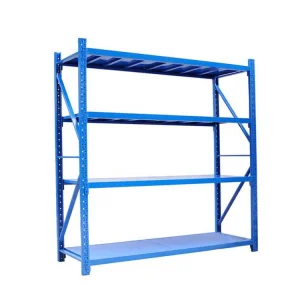
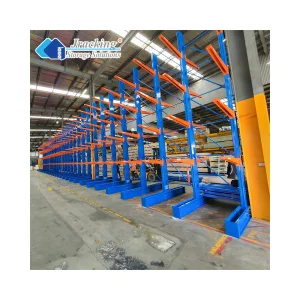
The industrial storage landscape is shifting from simple storage units to highly dynamic, space-efficient systems. Rising global real estate costs and the growth of e-commerce demand maximum volume utilization. Multi-tier mezzanine floor installations, automated shuttle integration, and high-density racking designs are increasingly replacing traditional pallet arrays.
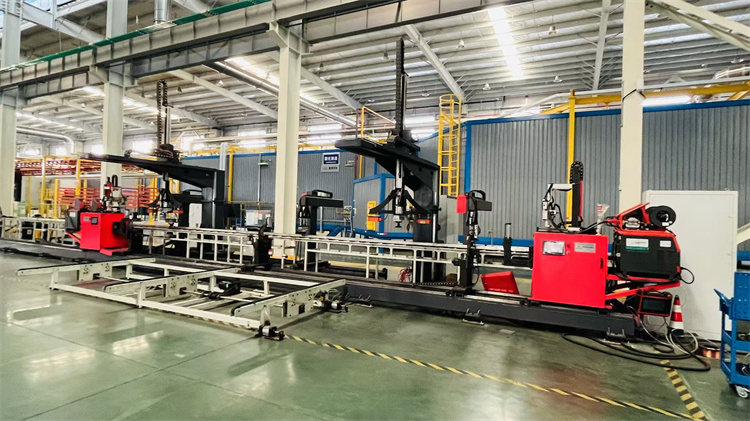
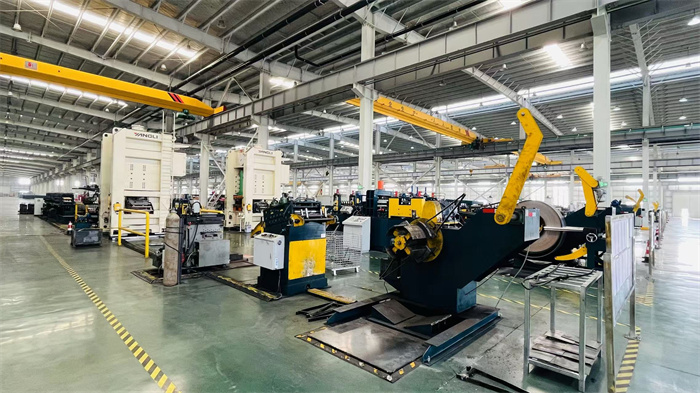
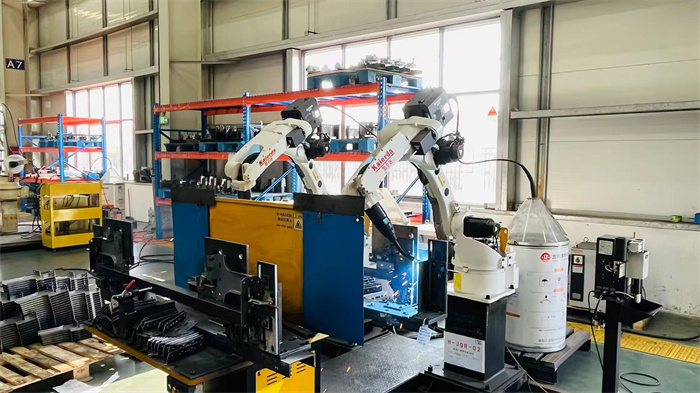
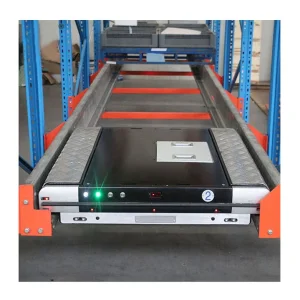
A notable trend is the integration of semi-automated and fully automated material handling equipment directly within the structural racking. Automated Radio Shuttle cart paths require precise dimensional control, consistent steel quality, and minimal manufacturing tolerances. Traditional manufacturing methods are no longer sufficient; robotic welding and computer-controlled roll-forming are now required to guarantee alignment and flat travel surfaces over spans of 30+ meters.
Additionally, structural designs must prioritize environmental resilience. Modern warehouses are taller and handle heavier payloads, requiring advanced seismic considerations. Advanced engineering simulation (FEA) must account for lateral seismic loads, environmental dynamics, and structural fatigue to prevent catastrophic collapses. Modern systems must also support smart sensor integration, allowing real-time structural load monitoring, damage detection, and inventory weight profiling.
Industrial procurement managers evaluate structural equipment on more than just the initial price tag. Low-quality racking can lead to early steel deformation, chipped coatings, rusting, and structural failure, resulting in costly downtime and safety risks. High-grade raw structural steel (such as Q235B and Q355B) combined with durable electrostatic powder coating (60-80 microns thickness) ensures a service life of over 10-15 years, reducing maintenance costs and lowering the Total Cost of Ownership.
Importing equipment to regions like North America (ANSI/RMI MH16.1), Europe (EN 15512 / FEM), and Australia (AS4084) requires strict compliance with local safety standards. Procurement teams need manufacturers who can provide certified engineering calculations, structural tests, and steel mill certification sheets. Failure to provide this documentation can delay construction permits and lead to failed safety inspections.
Large infrastructure projects require predictable delivery schedules. Project delays can result in heavy financial penalties. Our strategically located facility in Guangdong, China, offers easy access to major shipping ports (Shenzhen and Guangzhou). This proximity, combined with structured ocean shipping packaging, minimizes shipping damage and ensures reliable delivery times.
Every facility has unique requirements based on layout, product dimensions, inventory turnover rates, and material handling equipment. Selecting the right racking system depends on these specific operational variables:
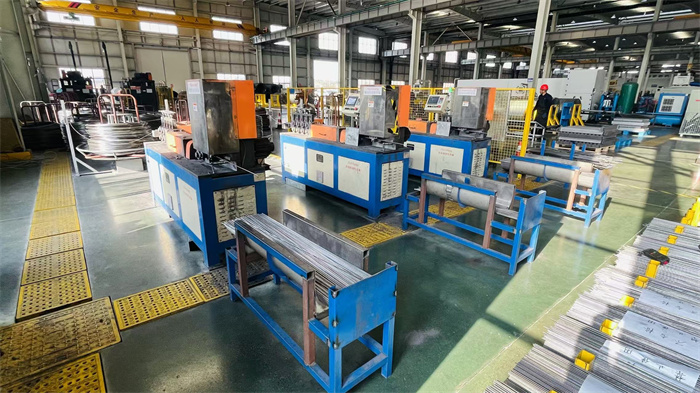
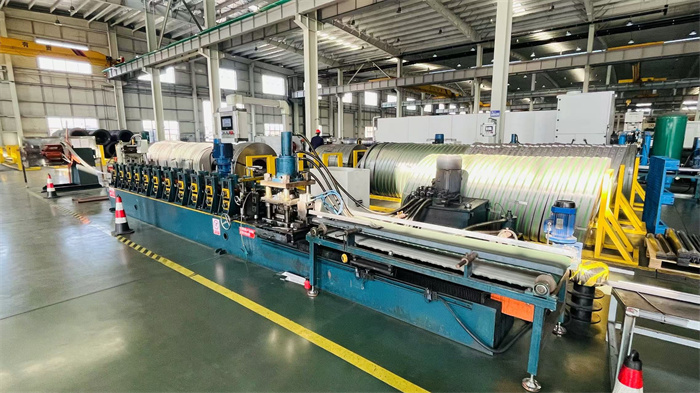
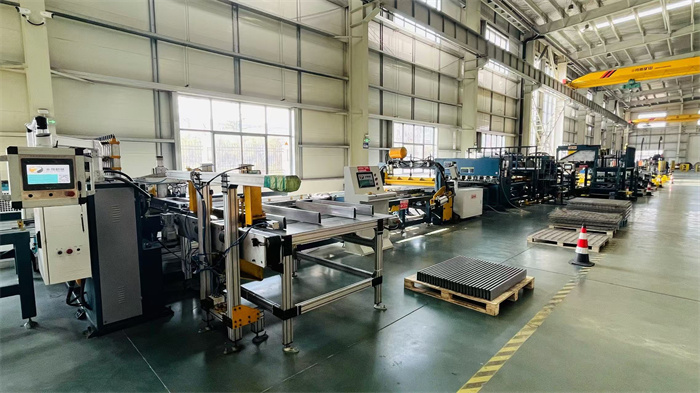
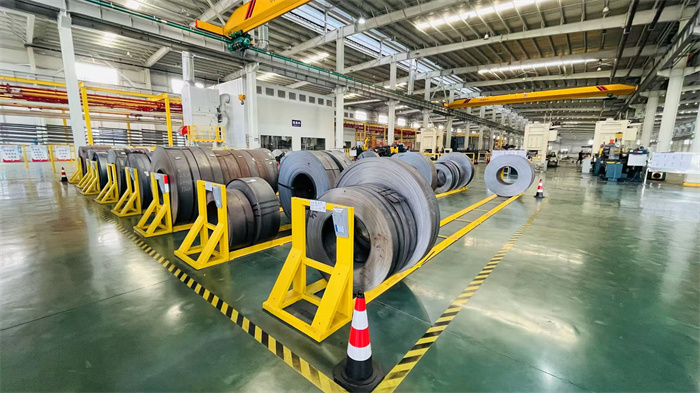
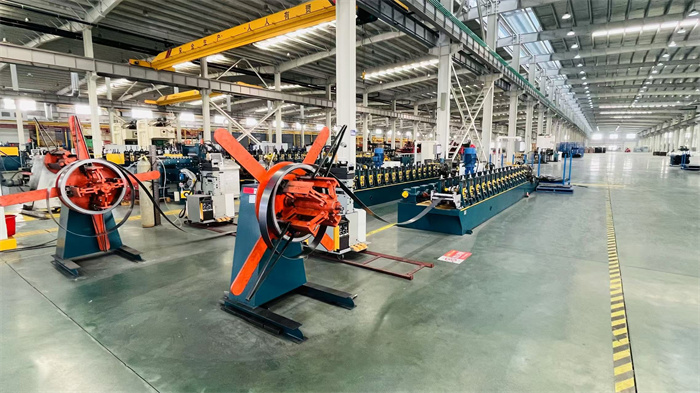
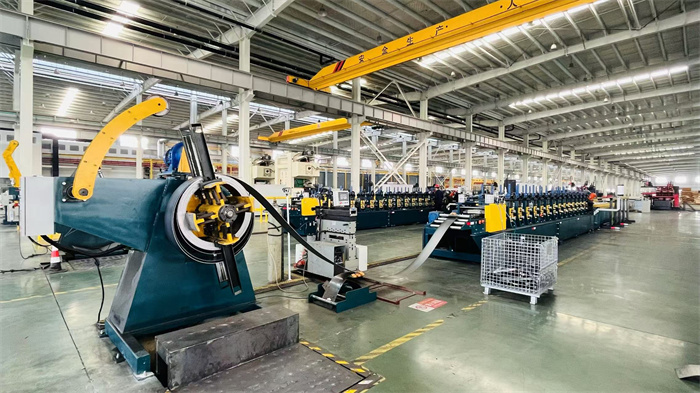
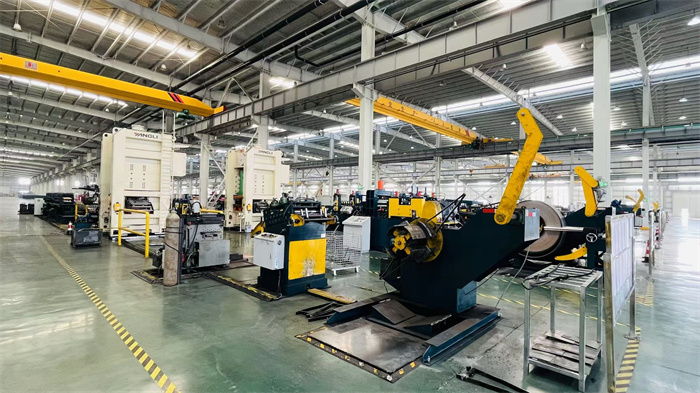
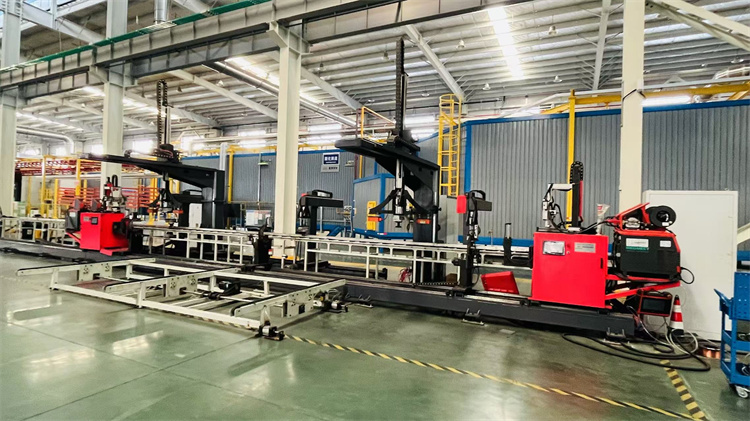
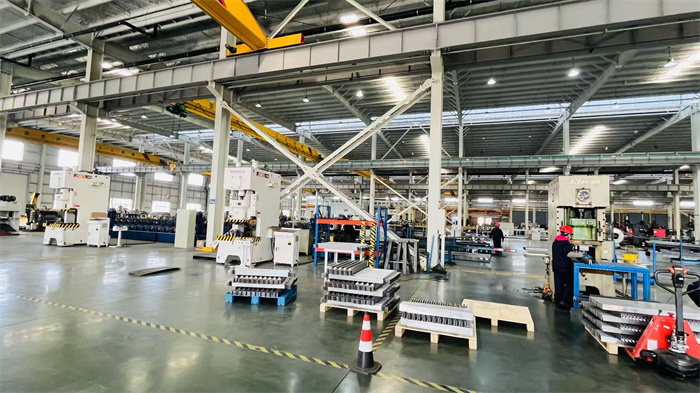
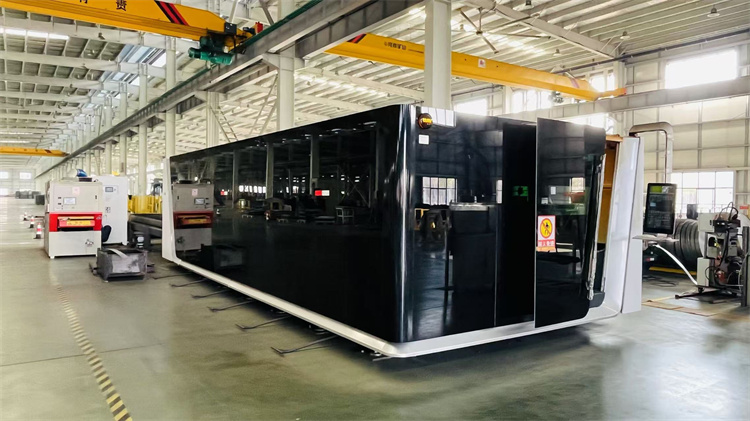
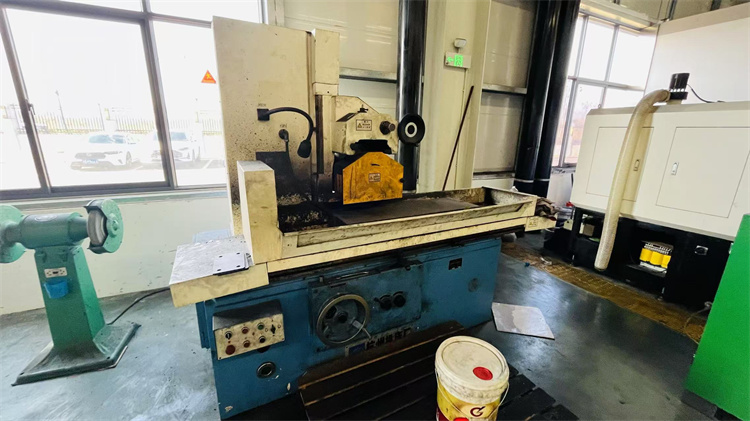
We monitor every phase of the manufacturing process at our facility. Our equipment, quality inspections, and production workflow ensure structural performance in every racking component we deliver.
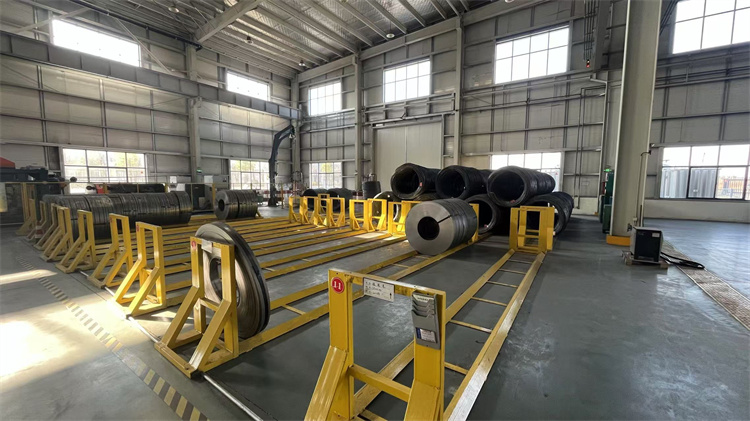
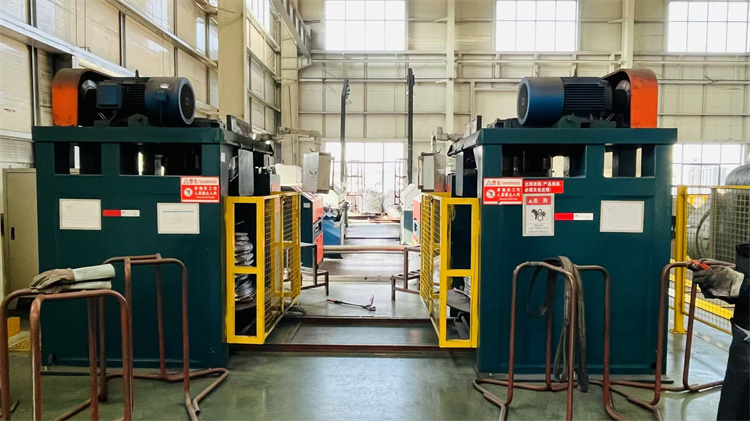
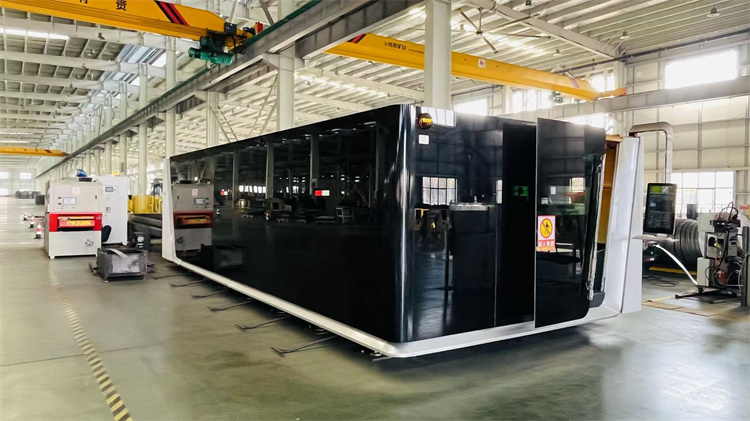
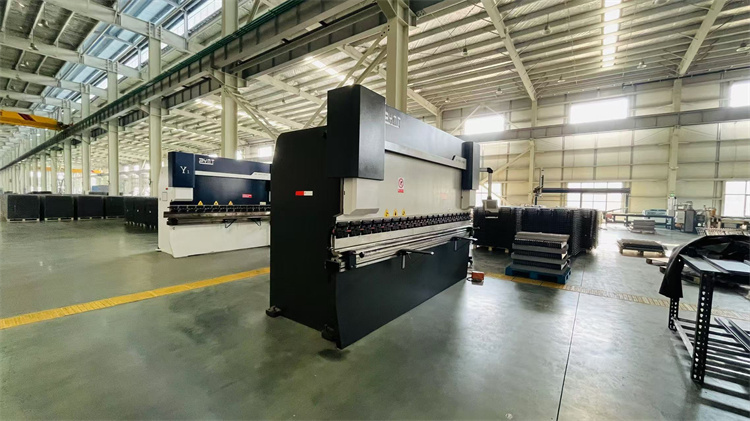
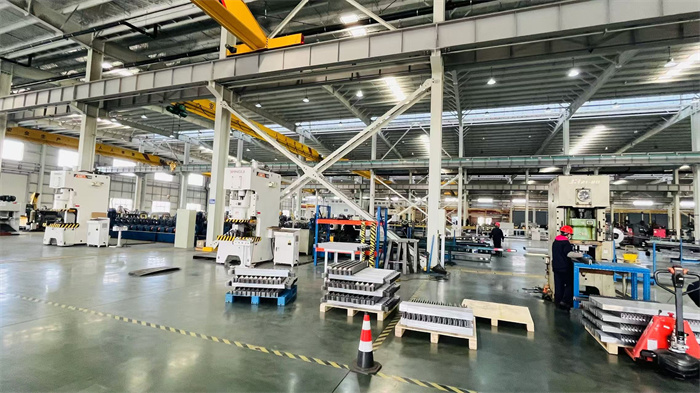
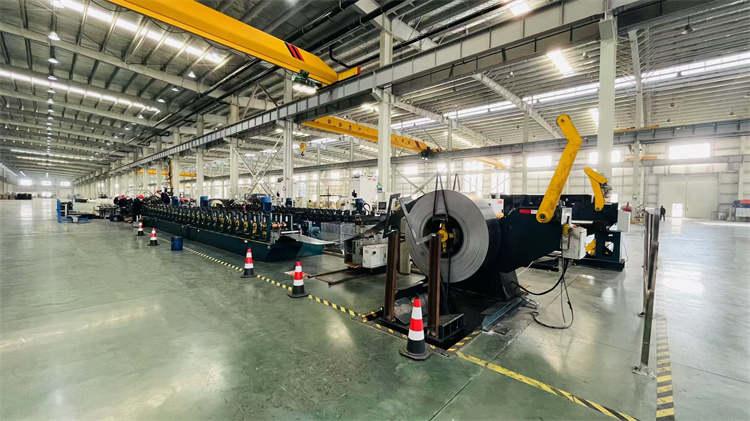
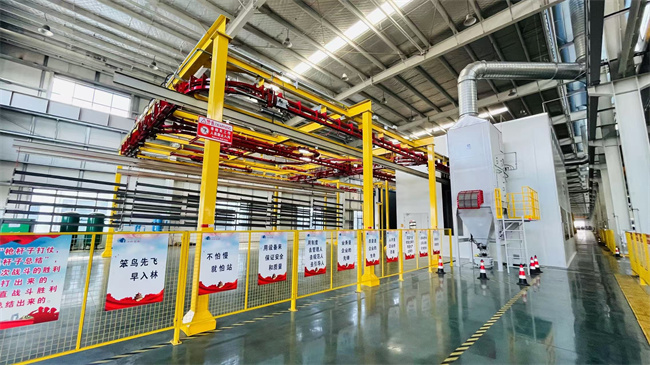
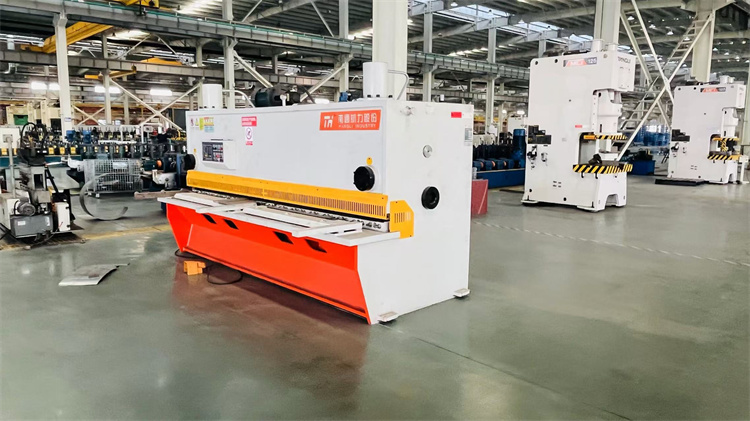
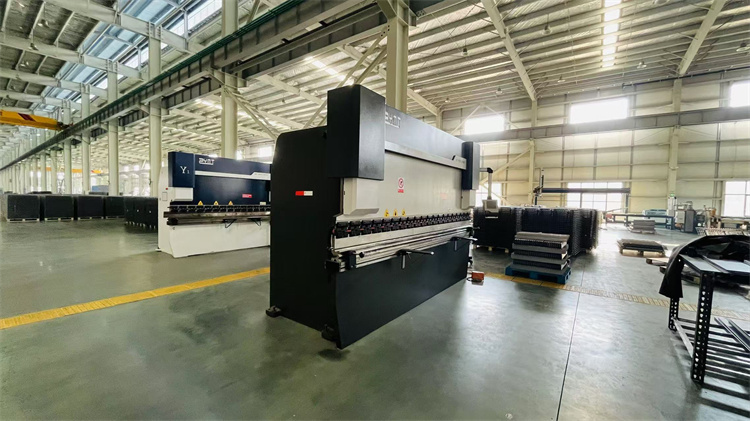
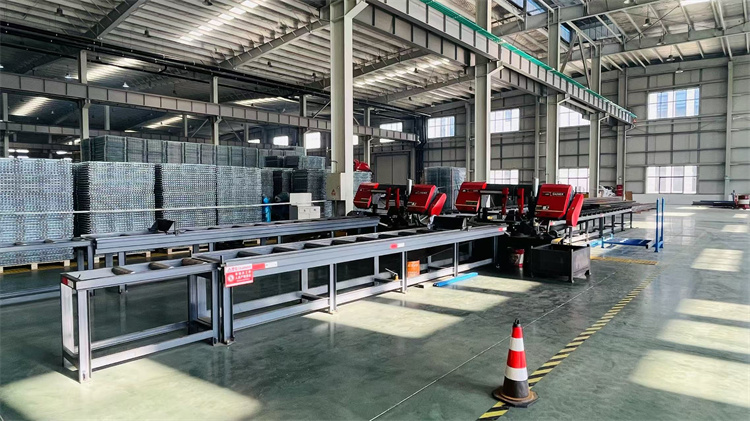
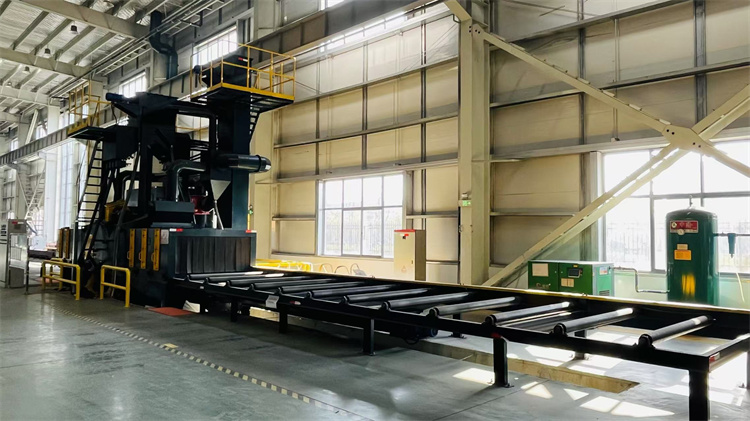
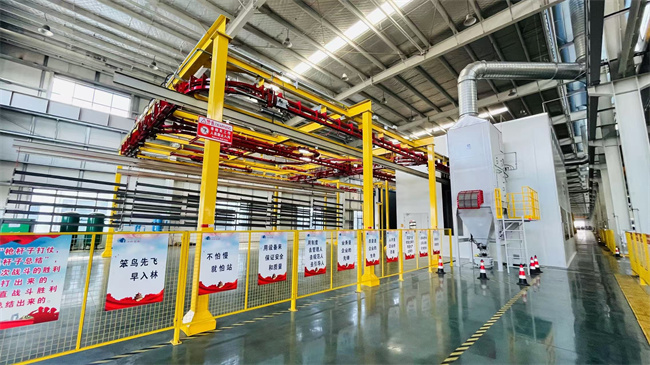
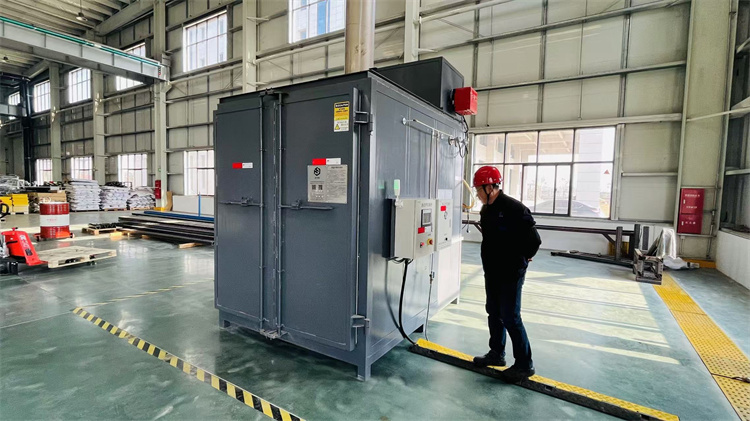
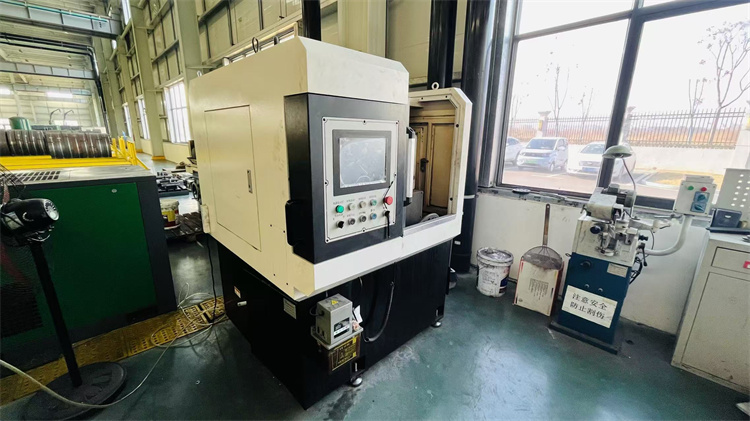
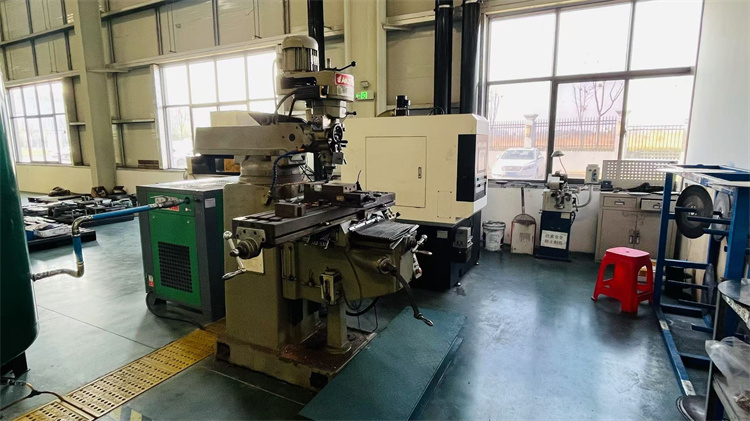
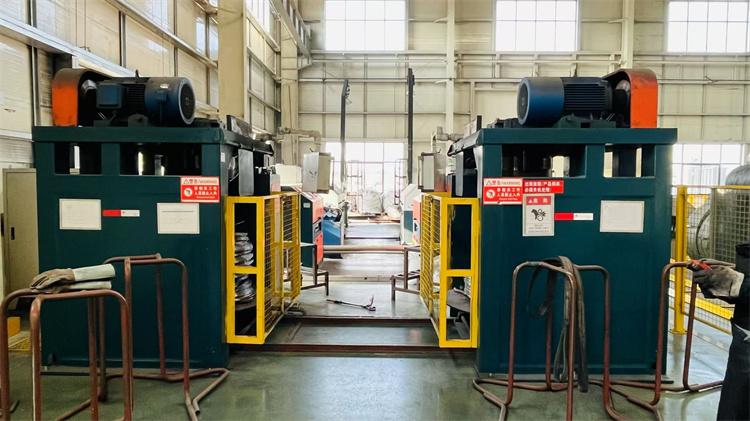
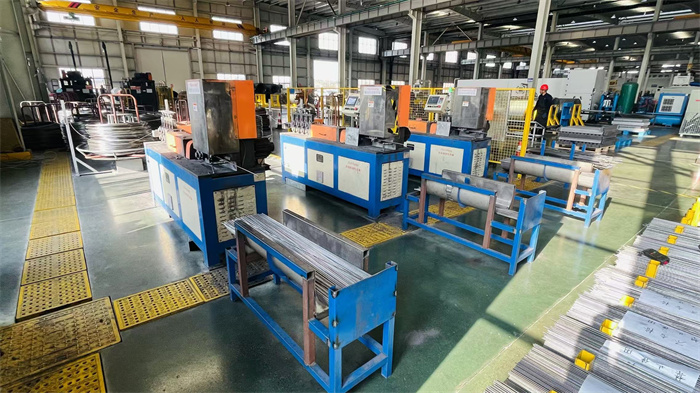
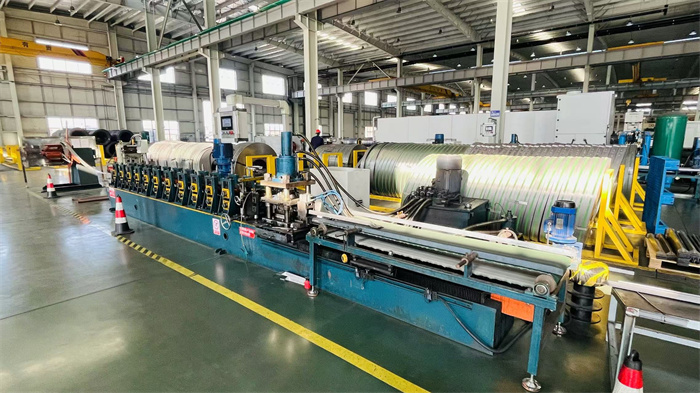
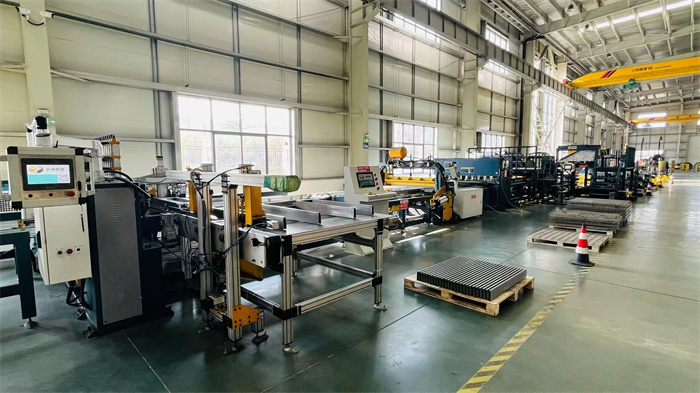
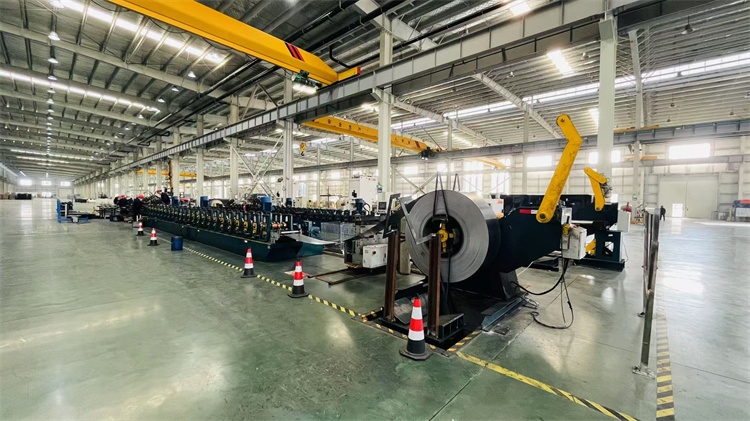
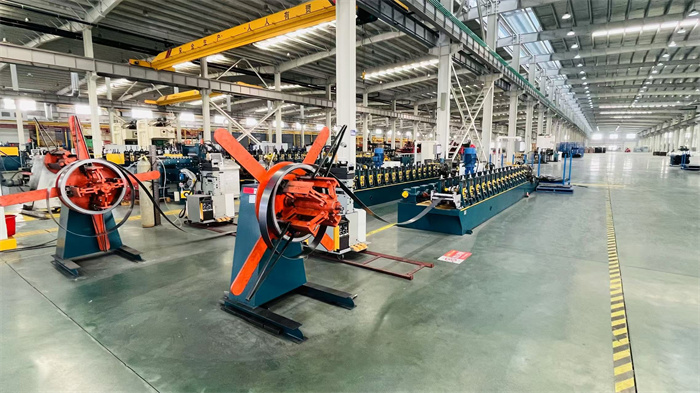
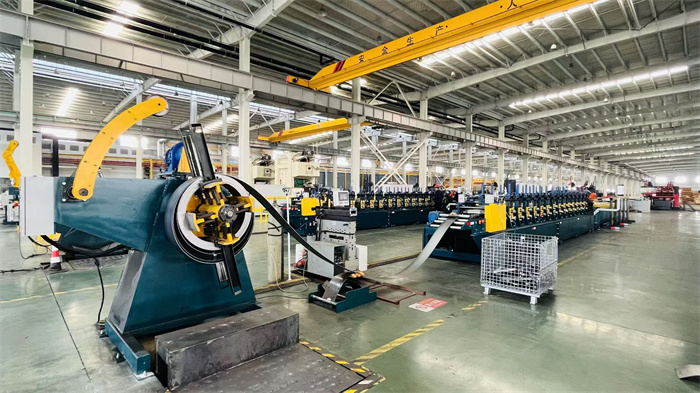
Operating across international boundaries demands a deep understanding of local building codes and seismic parameters. Storage solutions cannot follow a one-size-fits-all approach. For example, installing heavy pallet racking or multi-tier mezzanine floors in a seismic zone like California requires structural analysis that complies with ASCE 7 and regional IBC rules.
Jracking helps partners navigate these compliance requirements. Our engineering team, comprising 85 experienced professionals, performs comprehensive calculation checks based on load distributions, floor slabs, and regional wind or seismic factors. We utilize advanced design software to model columns, braces, and beams under extreme load cases. This process provides engineering submittals that help streamline local permitting and building approval processes.
Furthermore, our global distribution network ensures on-site installation support. We coordinate with local installation teams, providing detailed structural diagrams, assembly manuals, and direct technical consultations. This minimizes project delays and ensures that the final installed structure matches the engineering calculations, guaranteeing long-term safety and operational stability.
The next generation of industrial loading racks focuses on structural intelligence and environmental sustainability. Jracking is actively investing in research and development to bring smart features to heavy-duty material handling. By incorporating strain gauges and piezoelectric sensors into high-load uprights, future racking arrays can warn operators of hidden structural damage or overload conditions before a failure occurs.
Environmental stewardship is also key to our manufacturing strategy. Our finishing processes use heavy-duty, zero-emission powder coatings that protect steel components against oxidation and abrasive wear without releasing harmful volatile organic compounds (VOCs). Additionally, we optimize raw material usage through high-strength, thin-walled structural geometries. This reduces steel consumption while maintaining structural load capacities, helping our clients meet their corporate sustainability and LEED objectives.
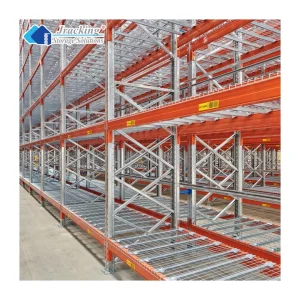
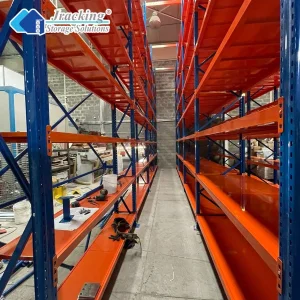
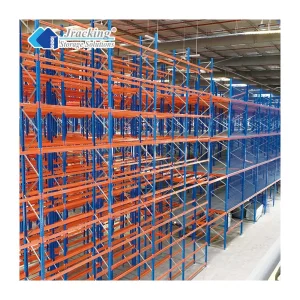
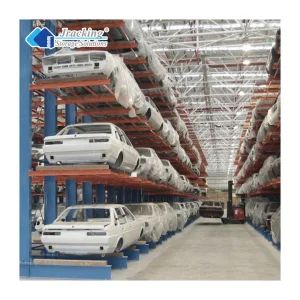
Jracking primarily uses high-strength structural steel grades Q235B and Q355B (equivalent to ASTM A36 and ASTM A572 Grade 50, respectively). Using certified steel ensures the yield strength and tensile strength meet engineered structural load requirements under full capacity.
Low-grade or uncertified steel can exhibit inconsistent thickness and mechanical properties, increasing the risk of structural buckling or premature fatigue failure under heavy payloads.
Our engineering department conducts structural calculations and finite element analysis (FEA) modeled specifically to meet the design guidelines of each region:
We work with third-party testing organizations to certify our structural ratings, offering compliance documentation for local building permits.
For standard warehouse operations, we apply an electrostatic powder coating (60-80 microns thickness) that offers high scratch and corrosion resistance.
For outdoor storage or cold storage facilities with high humidity, we provide hot-dip galvanized (HDG) finishes. The zinc coating chemically bonds with the steel, providing durable protection against rust and corrosion in sub-zero environments.
The typical manufacturing lead time ranges between 20 to 35 days from structural design approval. The total project timeline depends on layout complexity, engineering approvals, and port shipping schedules. Our proximity to the ports of Shenzhen and Guangzhou helps ensure efficient logistics and export coordination.
Yes. Our engineering team of 85 designers develops customized structural profiles, racking dimensions, custom paint matching, and custom loading capacities. We can design customized racking systems tailored to your specific forklift access parameters, floor loading limits, and inventory dimensions.
 Jracking