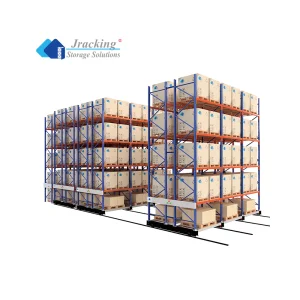
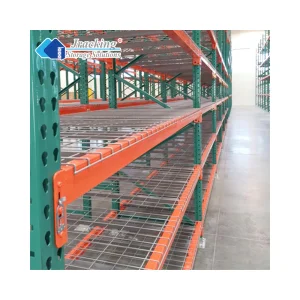
Engineered for extreme load-bearing, modular reconfiguration, and high-density industrial warehouse architectures.
An industrial whitepaper on engineering standards, high-density space efficiency, and global procurement optimization.
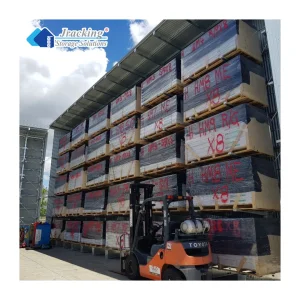
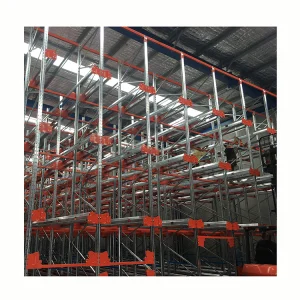
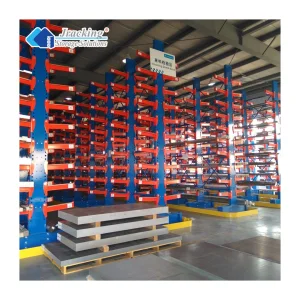
In modern industrial logistics, freestanding racks represent the backbone of non-building-integrated storage infrastructure. Unlike rack-supported buildings, freestanding racking systems operate independently of the primary facility structure. This autonomy requires meticulous structural engineering calculations to withstand dead loads (the weight of the racking structure itself), live loads (the payload of stored materials), and dynamic loads (seismic actions, forklift collisions, wind loads in outdoor configurations).
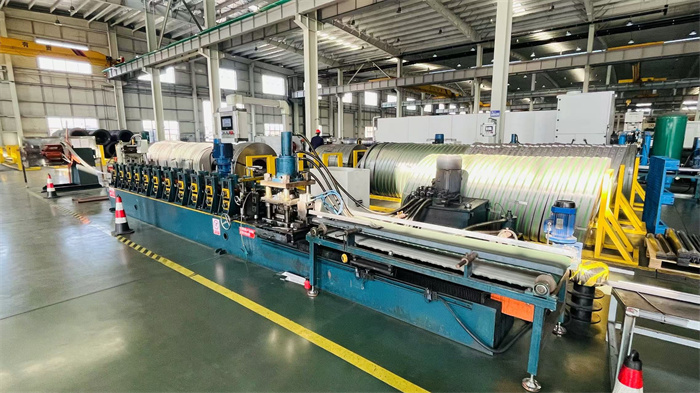
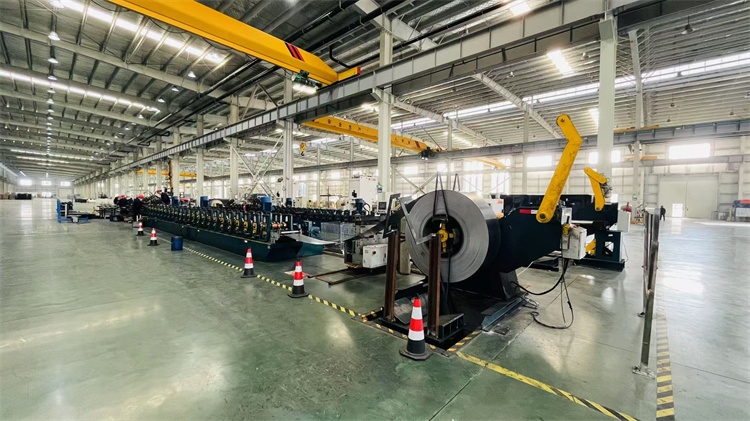
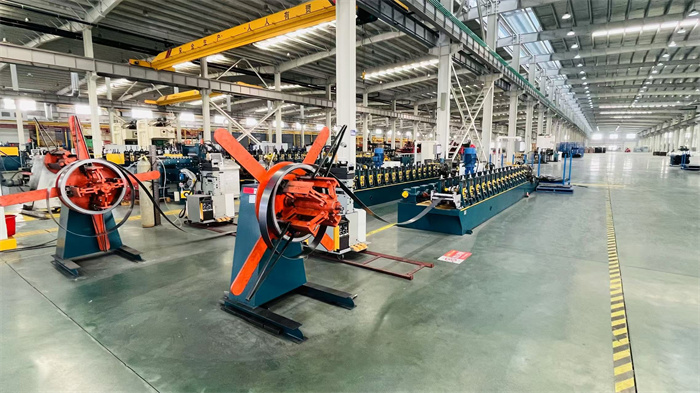
At Jracking (Guangdong) Storage Co., Ltd., our engineering methodologies strictly analyze structural load parameters. Using structural profile steels like Q235B and Q355B (equivalent to S235JR and S355JR under European EN standards), our engineers perform Finite Element Analysis (FEA) to simulate stress limits under extreme conditions. The cold-roll forming processes, executed in our state-of-the-art facility, guarantee uniform structural profiles that exhibit superior structural rigidity and elastic recovery parameters.
"The primary engineering metric for industrial freestanding systems is the deflection ratio. For heavy-duty industrial configurations, Jracking structures maintain a vertical deflection ratio of less than L/200, complying with global standards. This rigorous safety margin ensures absolute operational safety under maximum payload operations."
The global warehousing landscape is undergoing a massive shift towards automation, higher spatial density, and energy efficiency. Traditional selective pallet racking is increasingly replaced or supplemented by semi-automated and automated systems:
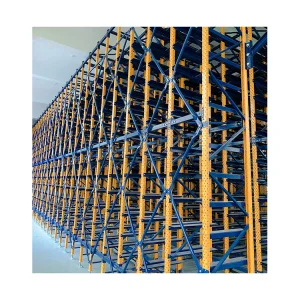
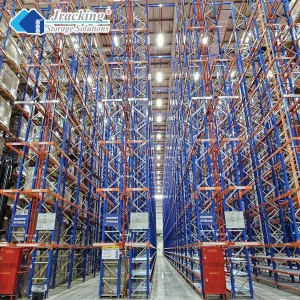
Automated Storage and Retrieval Systems (AS/RS) utilize high-tolerance freestanding racking frameworks to support high-speed stacker cranes, optimizing vertical height utilization up to 30 meters.
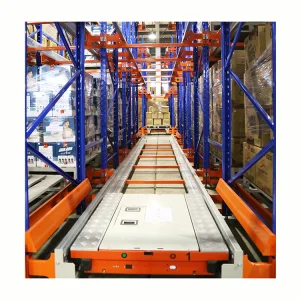
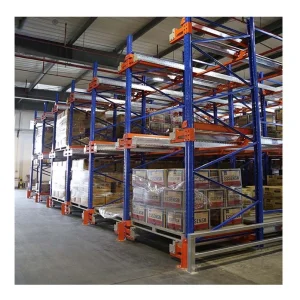
Semi-automated pallet shuttle systems optimize high-density deep-lane storage, eliminating forklift travel lanes while maximizing SKU capacity per square meter.
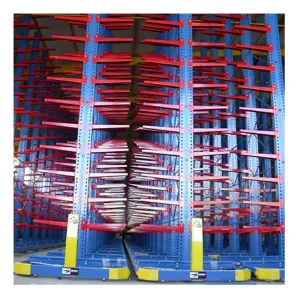
Electric mobile bases allow racking rows to open up dynamic access aisles, combining the selective access of pallet racking with the spatial density of drive-in racks.
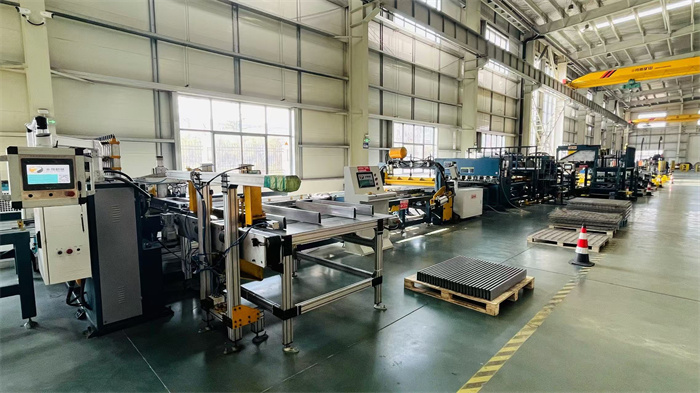
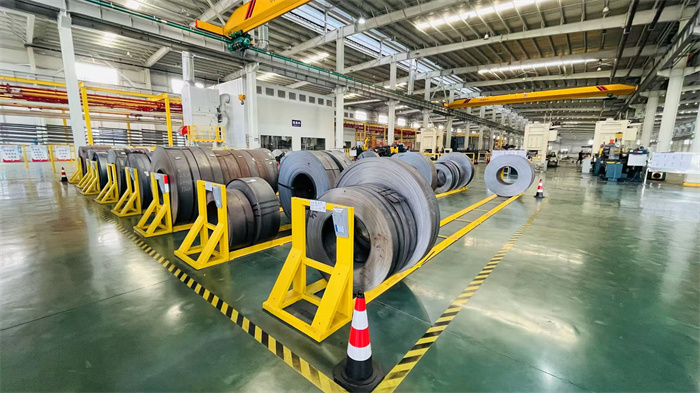
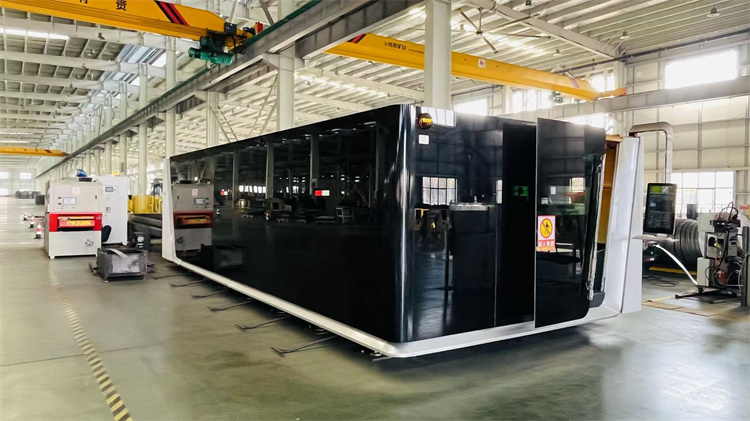
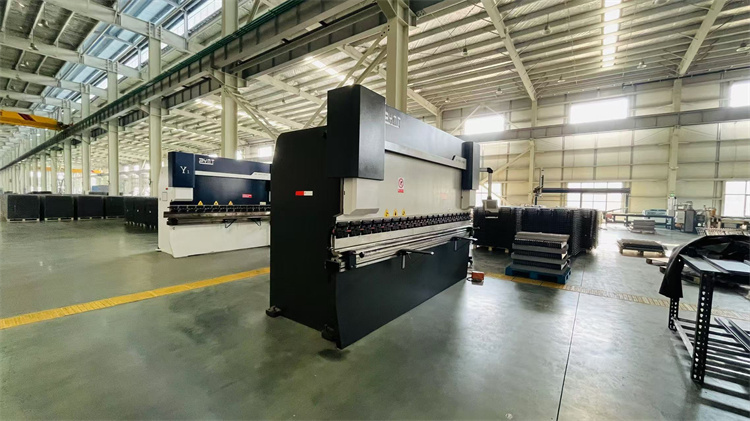
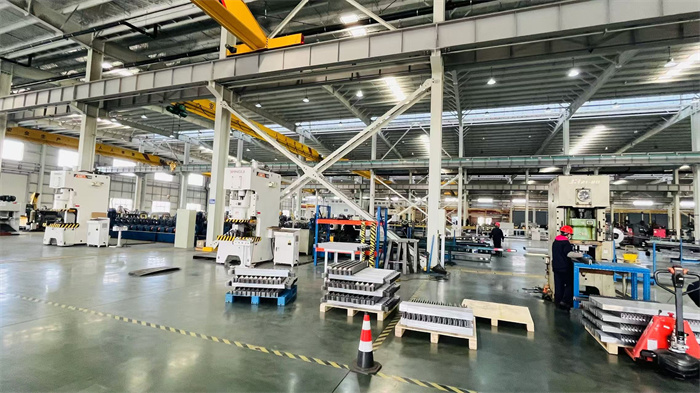
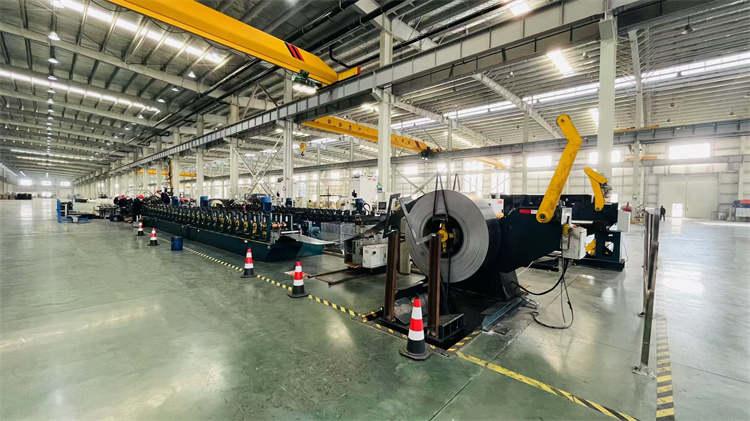
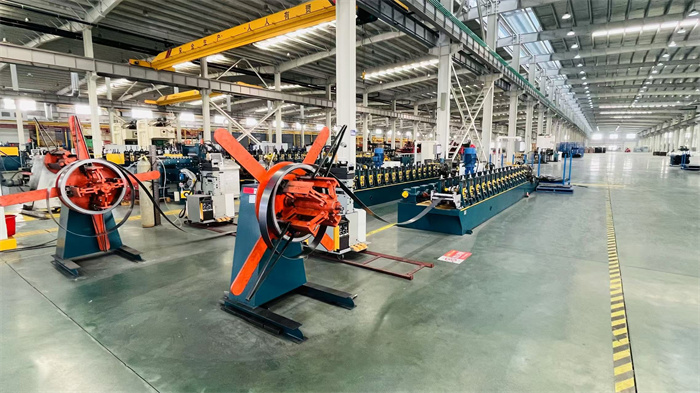
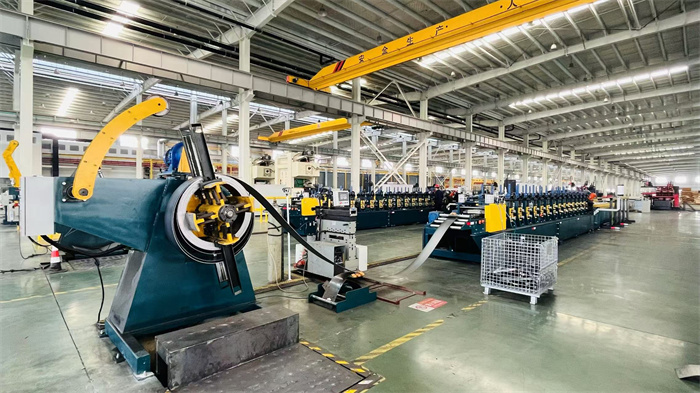
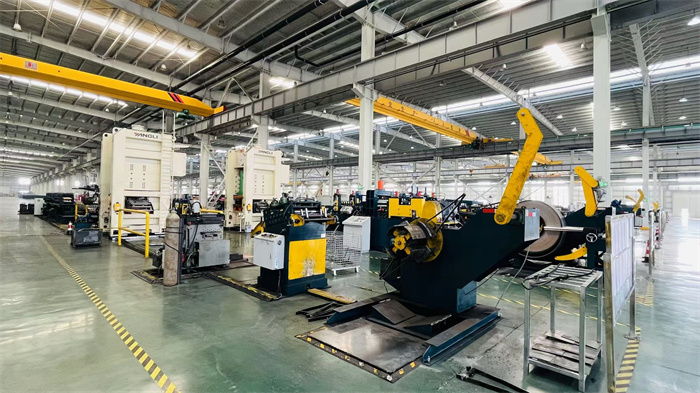
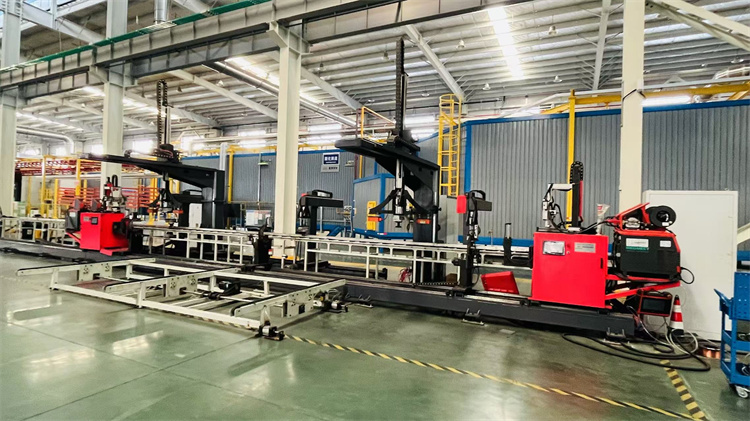
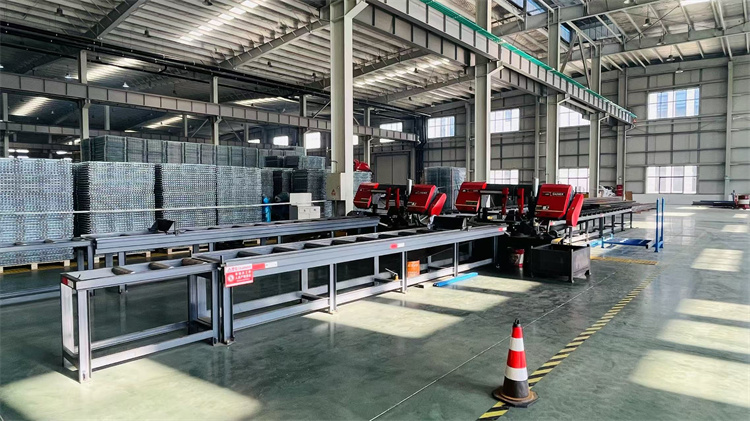
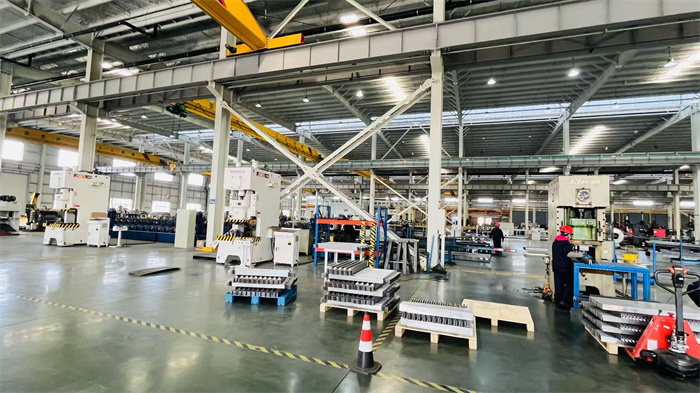
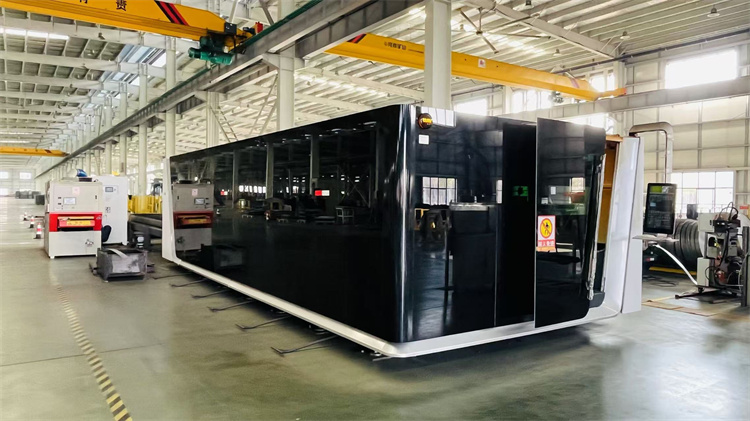
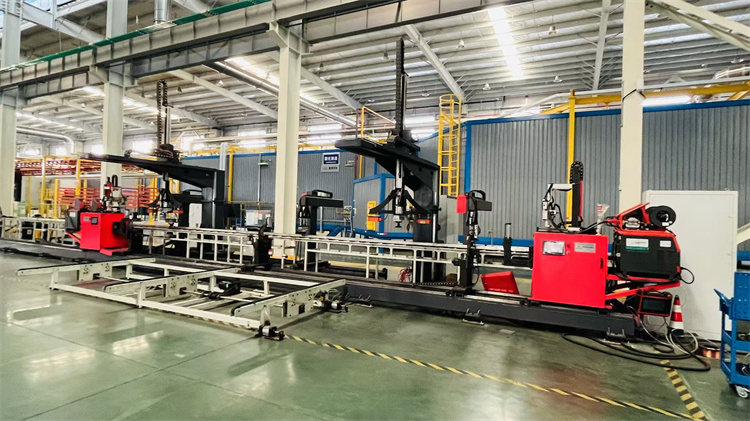
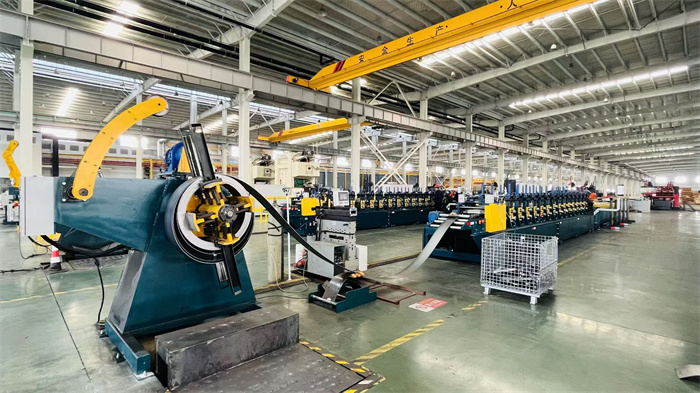
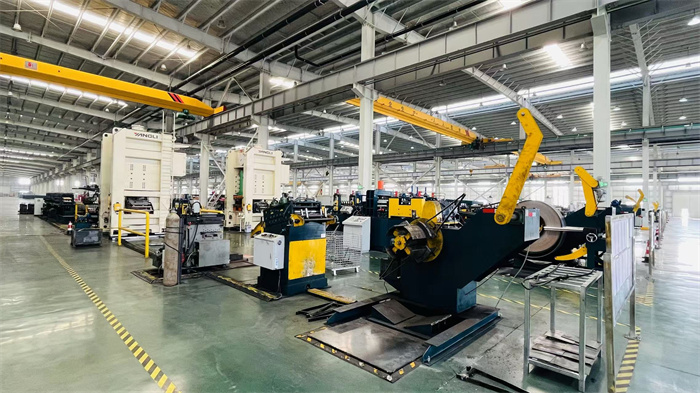
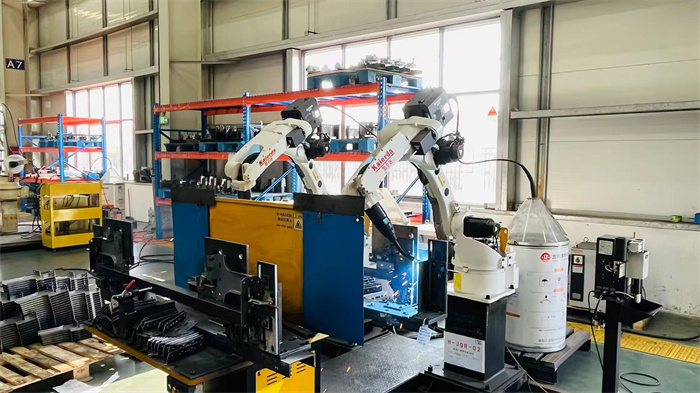
This evolution requires strict fabrication tolerances. Hand-guided manufacturing cannot meet the 1.0mm axial tolerance required by high-bay automated warehouse cranes. As a leading manufacturer, Jracking employs automated punching lines, precision rolling mills, and robotic welding stations to meet these demands.
Why are top tier international enterprises sourcing their industrial racking solutions from China, and specifically from Jracking (Guangdong) Storage Co., Ltd.? The answer lies in the highly integrated supply chain clusters, engineering capabilities, and cost efficiency.
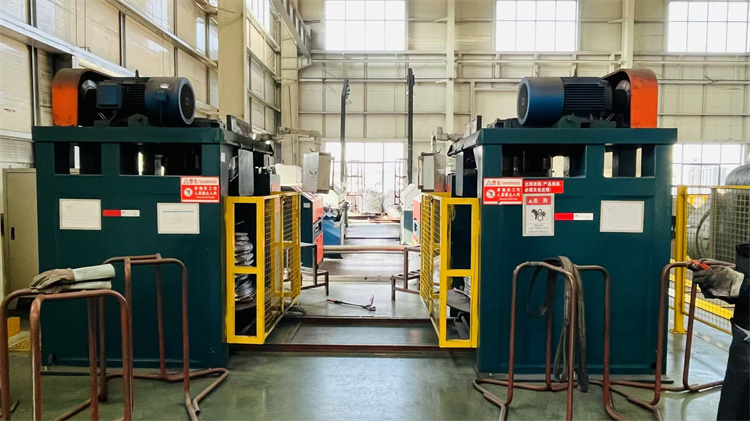
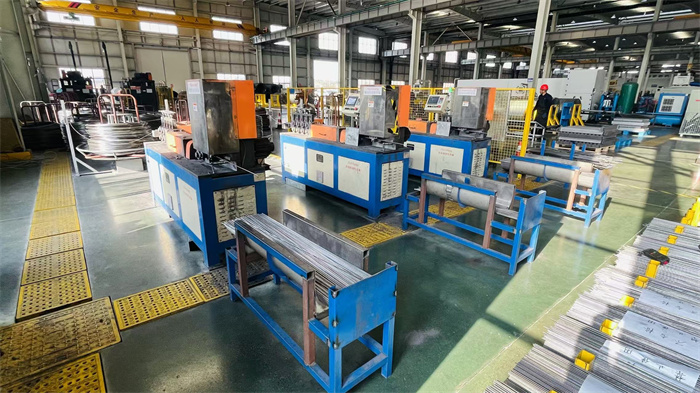
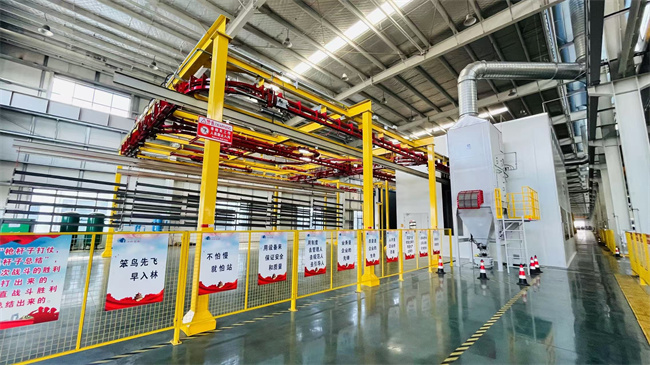
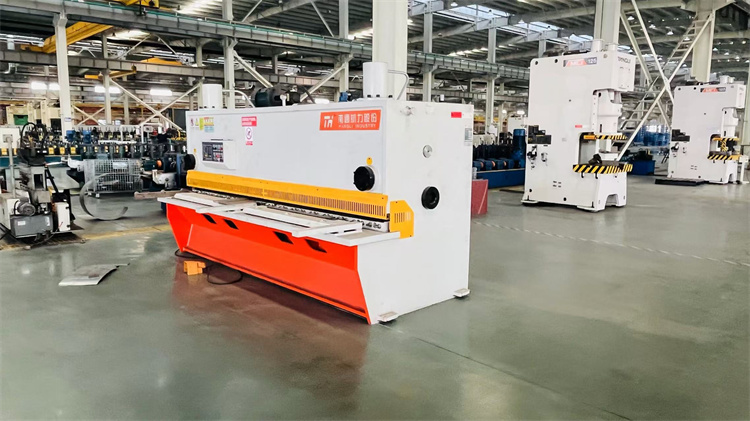
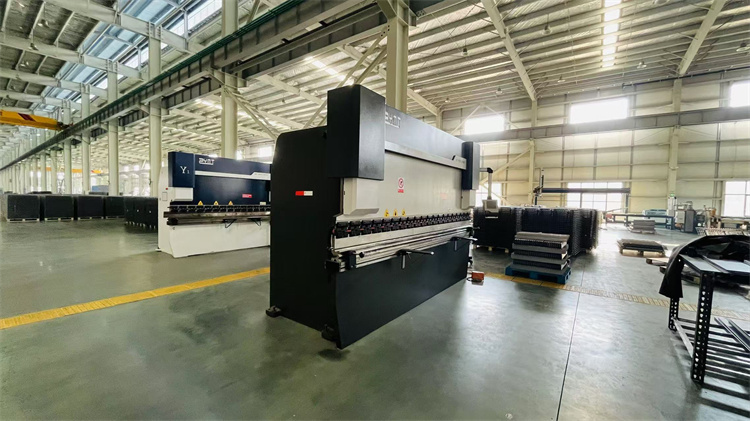
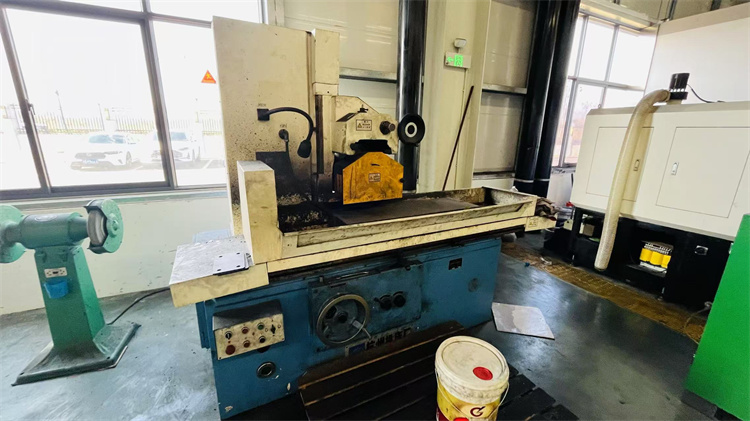
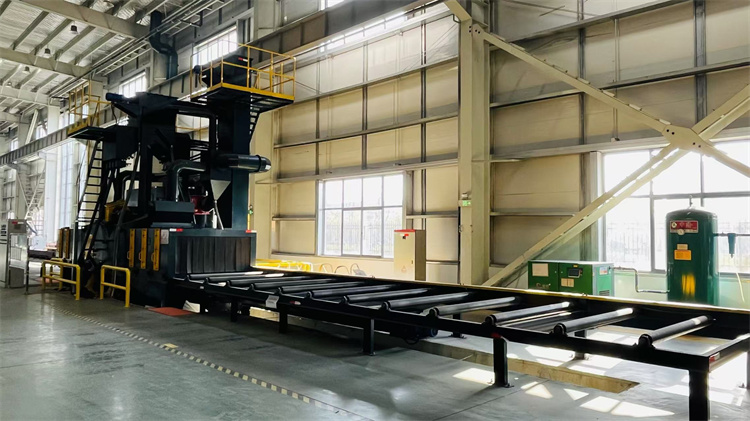
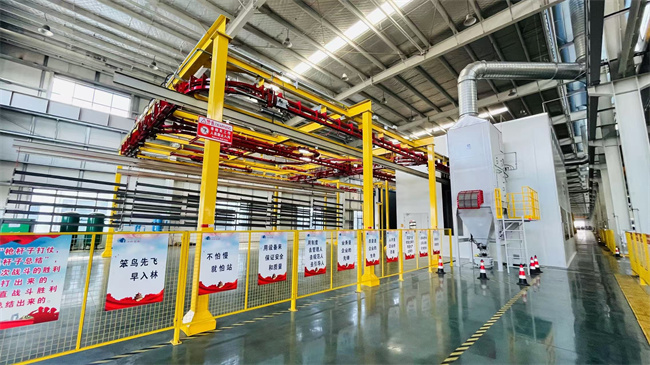
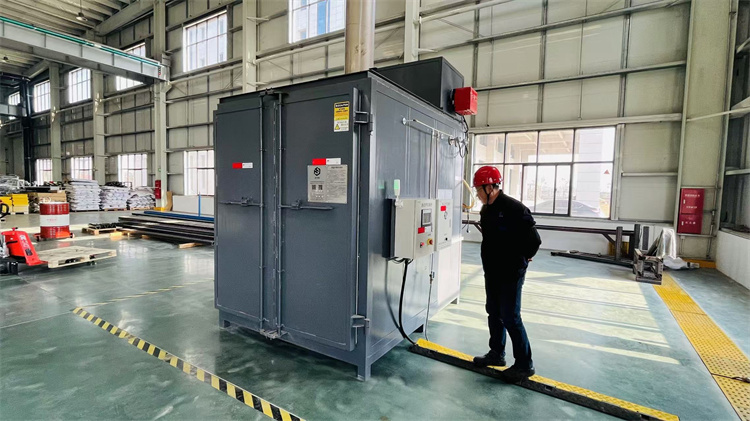
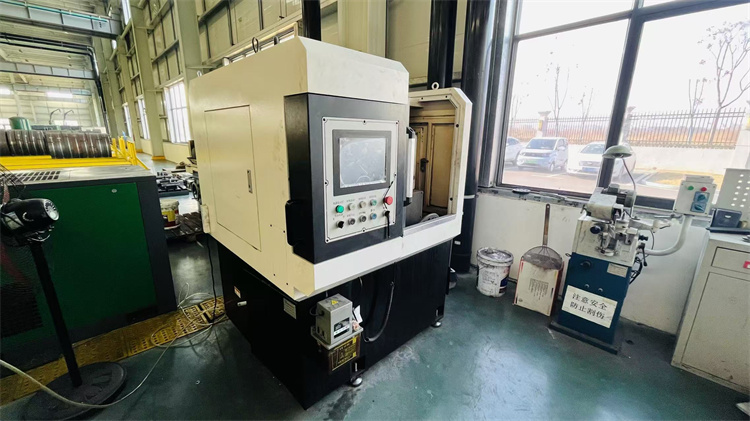
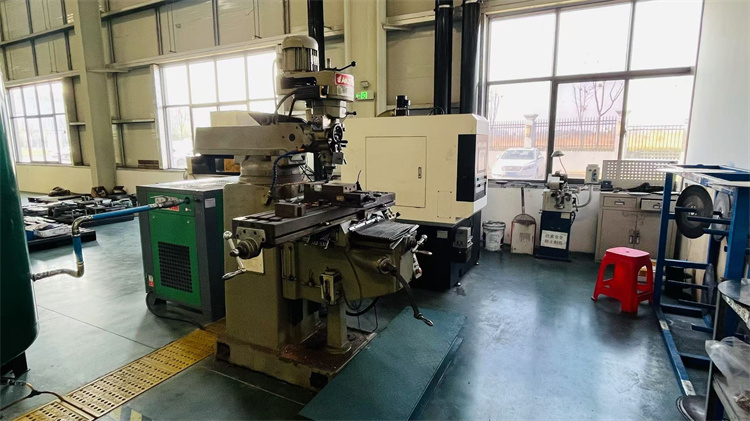
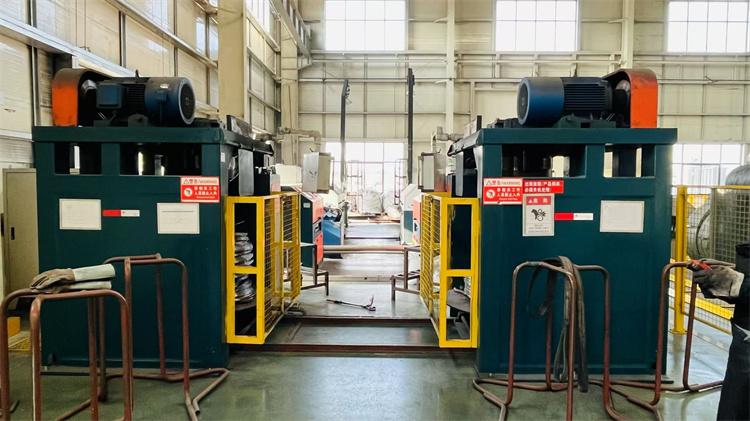
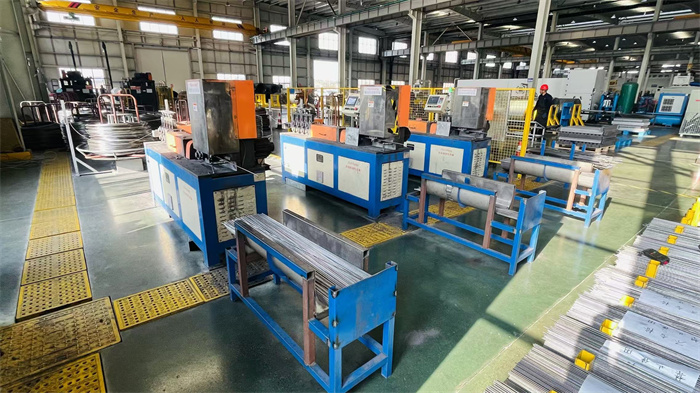
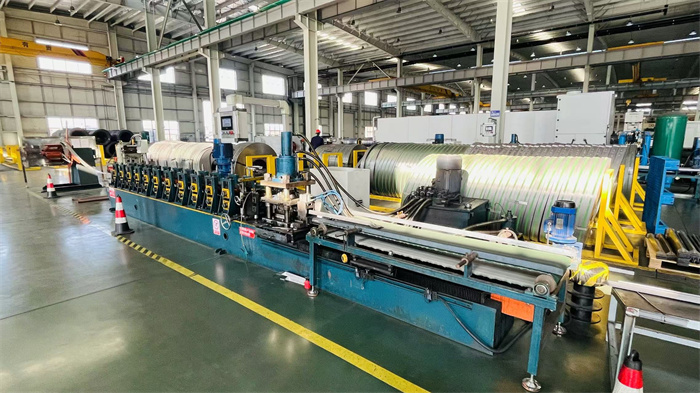
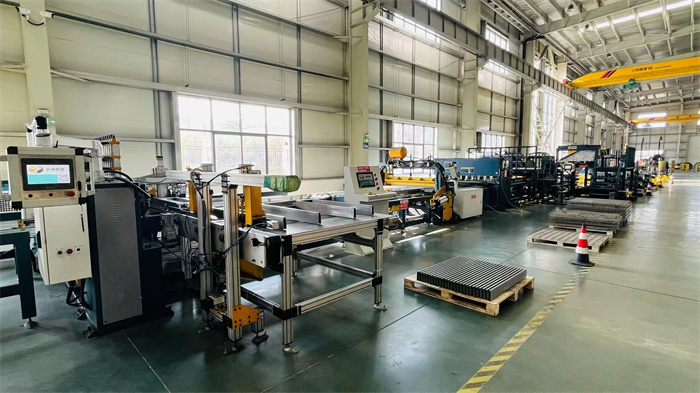
Every rack component undergoes a systematic manufacturing process to ensure consistent reliability and surface finish quality. Our facility runs dedicated lines for wire mesh production, roll forming, and structural welding:
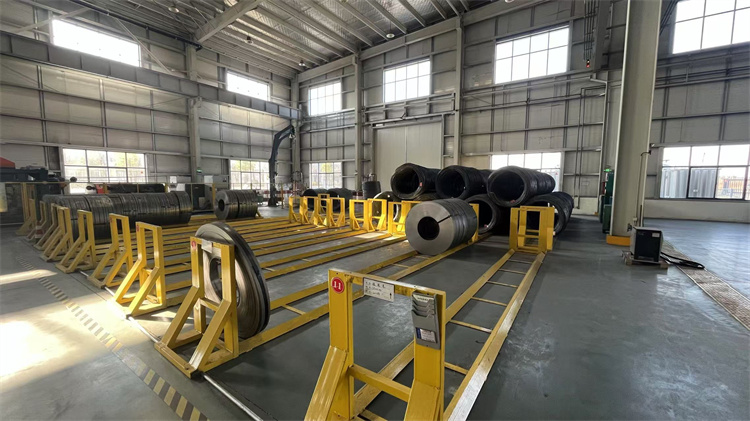
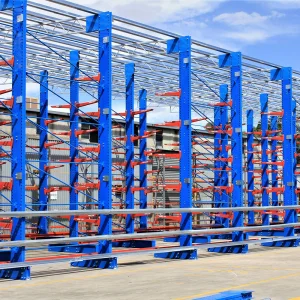
Racking requirements vary by industry. A standard configuration rarely meets the optimization demands of a complex logistics hub.
Expert insights on engineering compliance, structural design, and international procurement standards.
Engineered for high density, ease of access, and long-term durability in high-throughput environments.
 Jracking