Heavy-duty, standardized racking hardware built to improve throughput, warehouse safety, and floor footprint utilization.
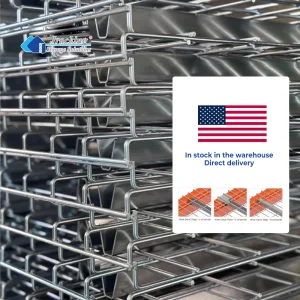
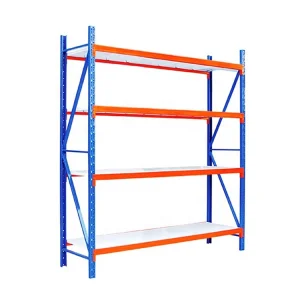
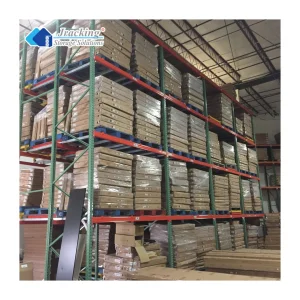
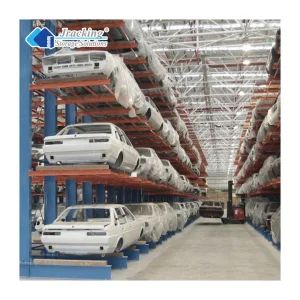
In modern industrial logistics, supply chain efficiency relies heavily on high-density space utilization and strict inventory control. FIFO (First-In, First-Out) racking, particularly pallet flow and gravity flow configurations, has emerged as a crucial technology for facilities managing time-sensitive products. Driven by global expansions in cold-chain logistics, pharmaceutical distribution, food processing, and automotive assembly, operations are moving away from traditional static racking to automated and dynamic systems.
The push for sustainability and cost reduction further supports this shift. High-density FIFO systems maximize vertical space and minimize warehouse footprint requirements. This significantly lowers energy use in climate-controlled environments and refrigerated facilities, where refrigeration accounts for a major portion of operational overhead. Implementing these configurations helps logistics hubs lower material-handling time, eliminate inventory loss from product expiration, and prevent product degradation caused by stagnant storage cycles.
FIFO systems are highly effective in environments where inventory velocity is high and traceability is required. In the food and beverage industry, shelf-life monitoring dictates that goods stored first must leave the facility first to ensure safety and quality. Similarly, pharmaceutical warehousing relies on FIFO flow setups to comply with strict GMP and FDA tracing regulations. In these applications, dynamic gravity flow lanes remove the risk of human error during retrieval by naturally pushing older inventory to the front picker face.
Beyond perishable inventory, automotive and manufacturing lines utilize FIFO staging areas to support Just-In-Time (JIT) parts feed. Gravity-fed flow lanes guide components directly to the assembly lines, maintaining correct production order without complex manual handling or digital sorting delays. By using passive gravity rollers instead of continuous electrical conveyor systems, these setups deliver high reliability and low maintenance costs over long operational lifespans.
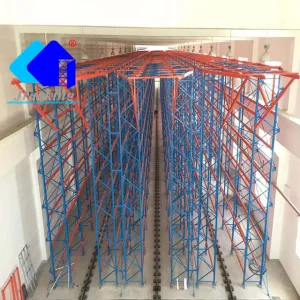
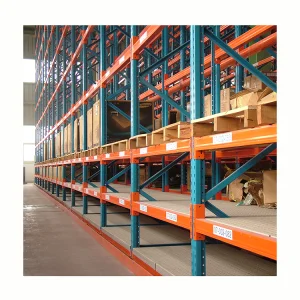
A reliable FIFO pallet flow racking system depends on careful mechanical design. Unlike static selective pallet racking, gravity flow systems rely on physics, gravity, and mechanical deceleration components to move loads weighing up to 1,500 kg down dynamic lanes. The structural angle of the roller bed must be precision-engineered: an incline that is too steep risks high-velocity impacts at the discharge face, while an incline that is too flat leads to hang-ups and stalled lanes. Typically, our engineering team optimizes flow lanes to a pitch between 3% and 4%, adjusted dynamically according to the weight, quality, and material of the target pallets.
| Parameter | Technical Specifications | Engineering Impact |
|---|---|---|
| Material Specifications | High-tensile steel Q235B & Q345B | High yield strength, resistant to deflection under maximum static loads |
| Lane Angle Incline | 3.0% to 4.5% (customizable) | Balanced velocity regulation for pallet weights ranging from 300kg to 1500kg |
| Brake Roller Frequency | 1 unit every 2.0m to 2.5m | Limits velocity to safe speed thresholds (< 0.25 m/s) |
| Finish Options | Electrostatic Powder Coat / Hot-Dip Galvanized | Corrosion resistance down to -30°C in cold storage environments |
Learn about our production capacity, advanced fabrication facilities, and global export infrastructure.
Jracking (Guangdong) Storage Co., Ltd. is a professional manufacturer specializing in warehouse racking systems and industrial storage solutions in China. Since its establishment in 2016, the company has been dedicated to designing, manufacturing, and supplying high-quality storage equipment for global customers across various industries.
With a modern manufacturing facility covering 28,600 m², Jracking integrates advanced production equipment, strict quality management systems, and experienced engineering teams to ensure reliable product performance and consistent manufacturing standards. The company offers a comprehensive range of storage products including selective pallet racks, drive-in racking, cantilever racks, mezzanine systems, longspan shelving, steel platforms, and customized warehouse storage solutions.
Backed by over 8 years of export experience and 12 years of industry expertise, Jracking has successfully served customers in North America, Europe, Southeast Asia, Australia, and the Middle East. The company's annual export revenue exceeds USD 18 million, reflecting its strong competitiveness in the international storage equipment market.
Quality remains the core of Jracking's manufacturing philosophy. Every production process is strictly monitored through ISO-compliant quality control procedures, while products undergo load capacity testing, dimensional inspection, welding inspection, coating thickness testing, and final assembly inspection before shipment. The company employs 48 professional quality inspectors to maintain stable product quality and customer satisfaction.
As an OEM & ODM manufacturer, Jracking collaborates with more than 1,150 supply chain partners, enabling efficient sourcing, flexible production scheduling, and fast delivery for global projects. Its primary customers include warehouse equipment distributors, importers, wholesalers, logistics companies, e-commerce fulfillment centers, and industrial project contractors.
Innovation is driven by a dedicated R&D team consisting of 85 experienced engineers, who continuously develop new storage solutions to meet evolving market demands. The company supports customized design, size, color, loading capacity, surface treatment, and warehouse layout solutions according to customer requirements. In the past year alone, Jracking successfully introduced 156 new products to the global market.
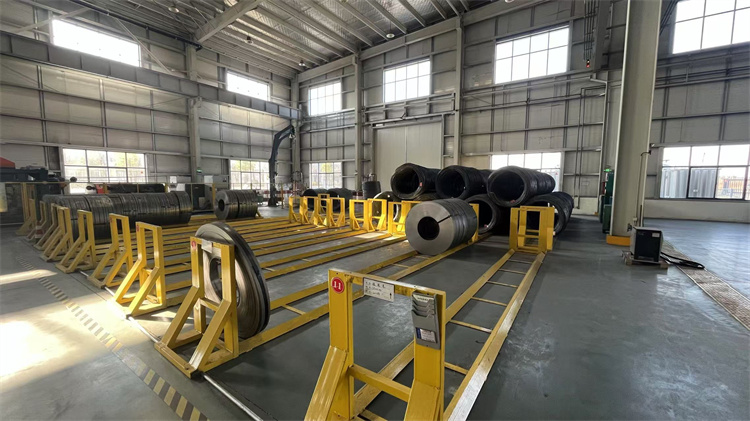
Raw Materials
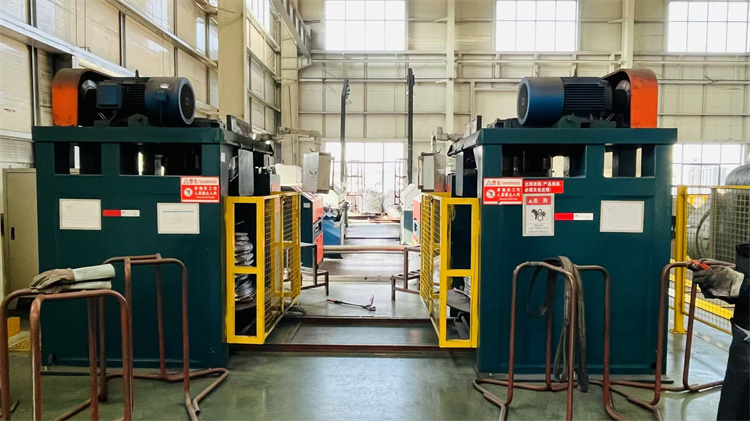
Wiredrawing
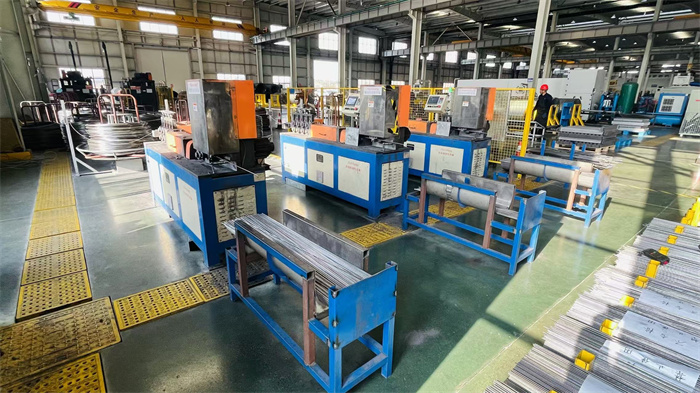
Strengthening
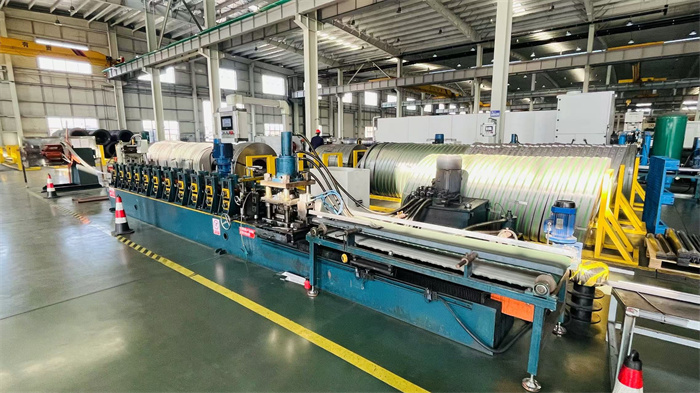
Strengthening Rib
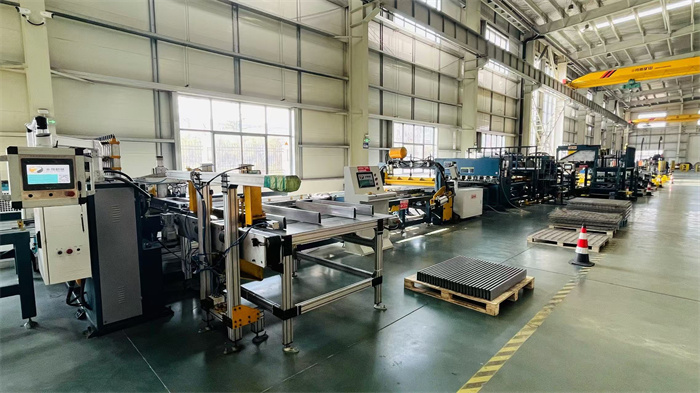
Metal Mesh Production
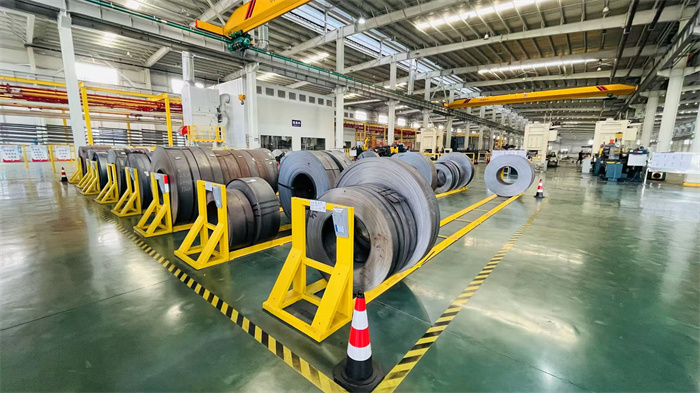
Raw Materials
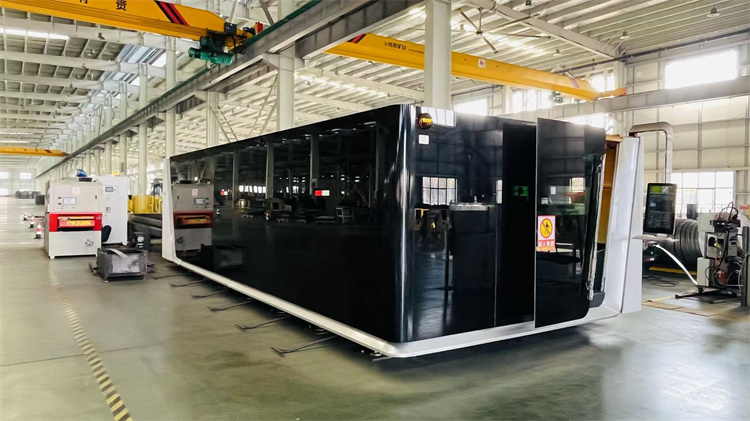
Cutting
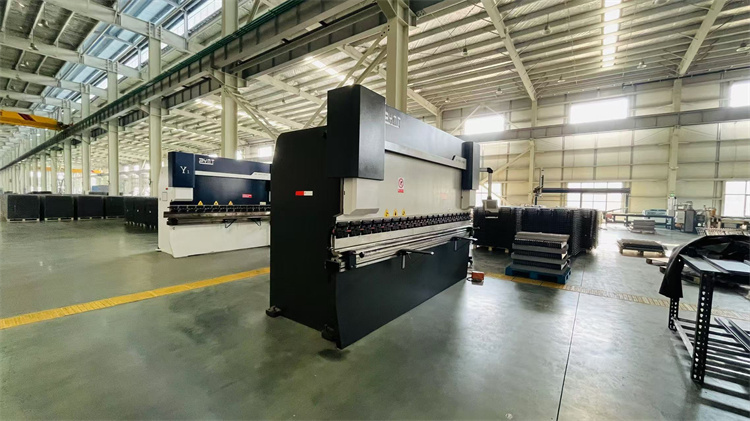
Bending
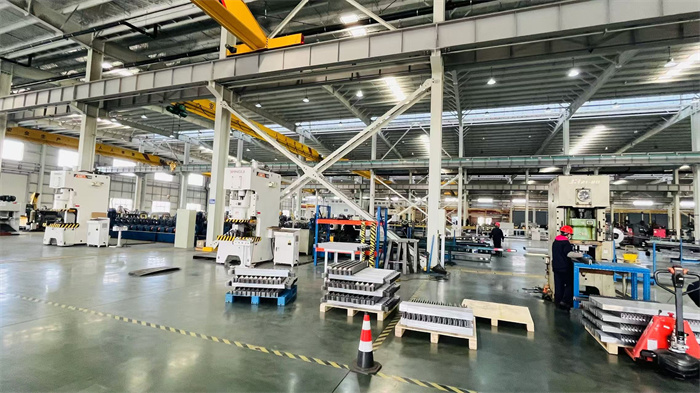
Punching
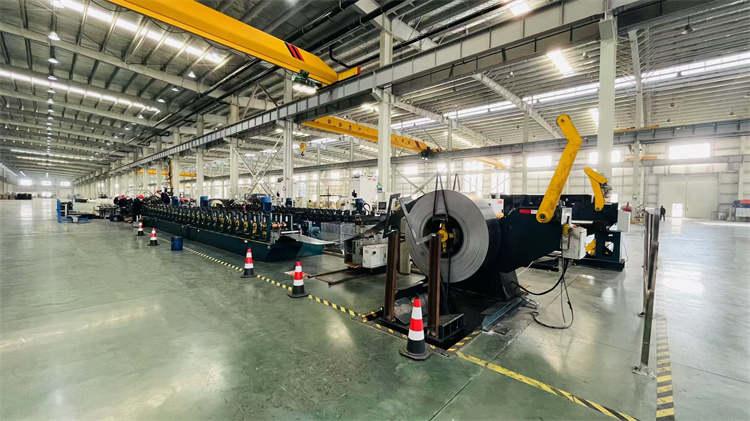
P-Beam Rolling
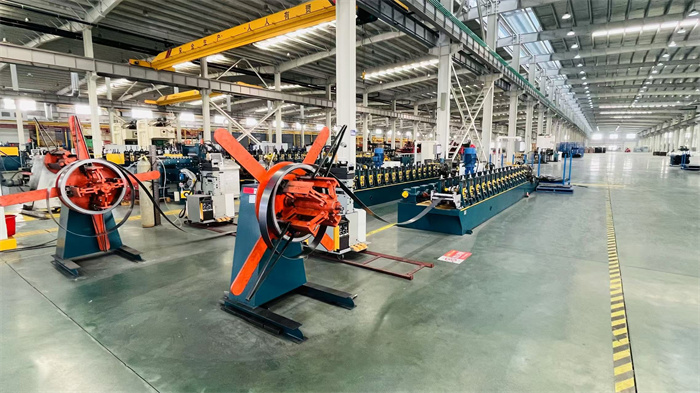
Diagonal Brace Rolling
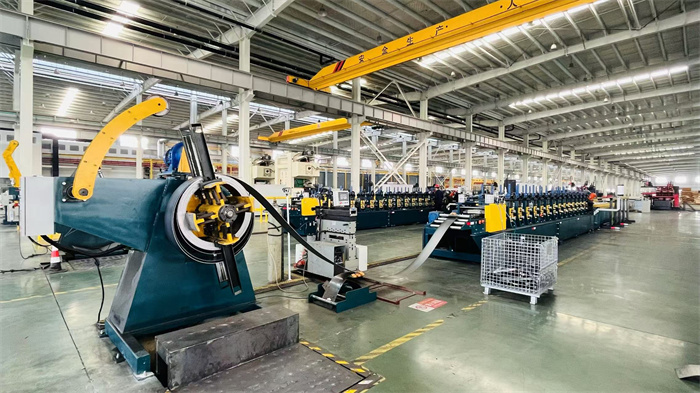
Occluding Beam Rolling
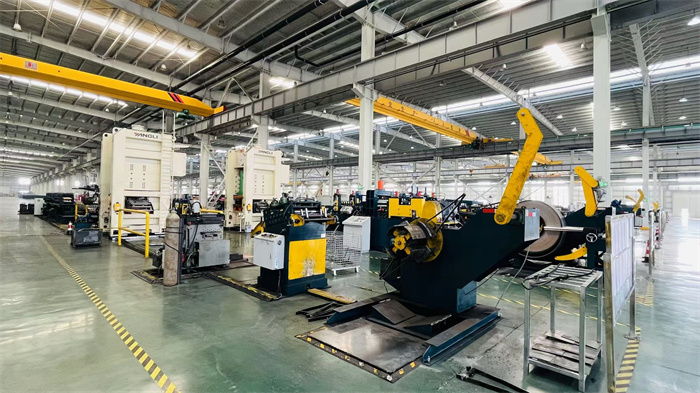
Column Production
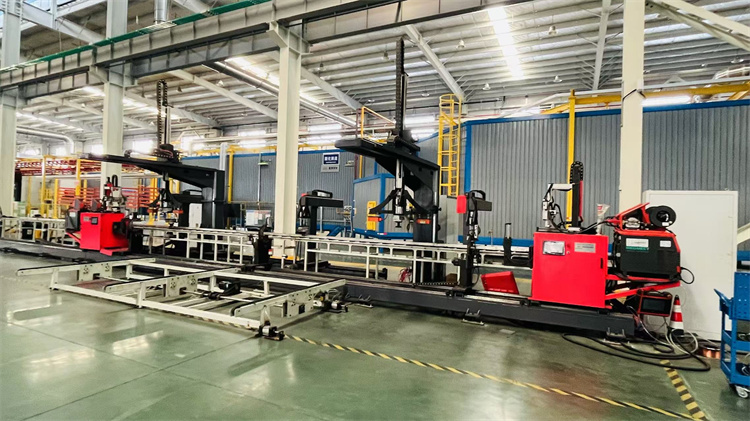
Automatic Welding
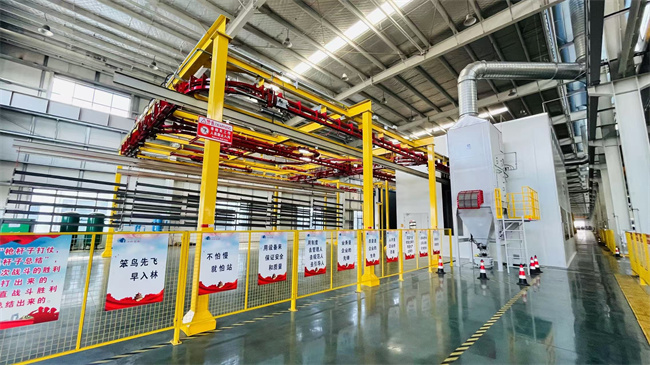
Powder Spraying
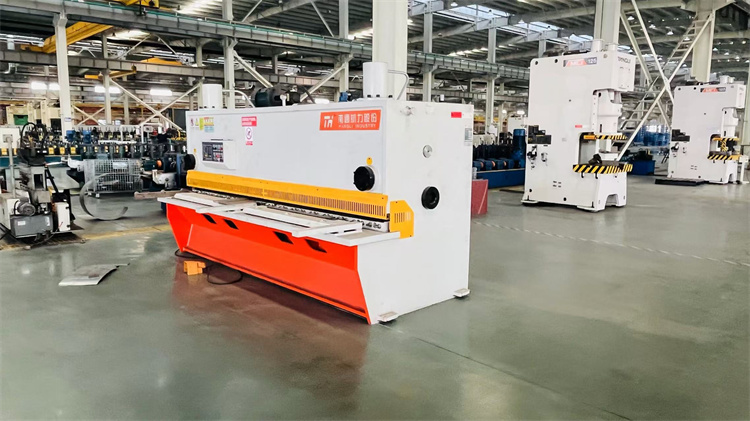
Plate Shearing Machine
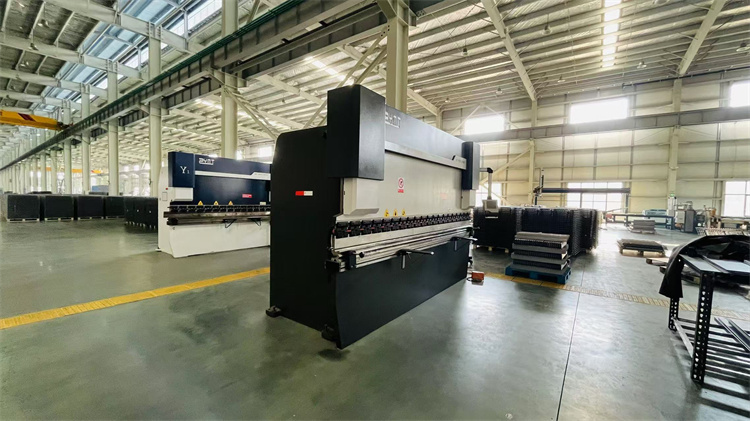
Plate Bending Machine
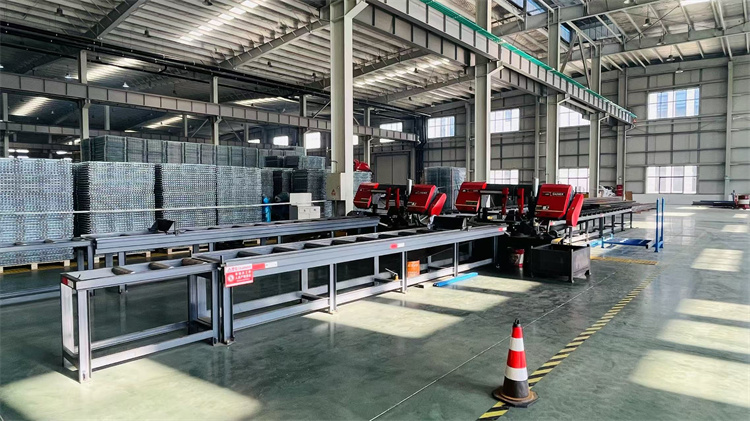
Sawing Machine
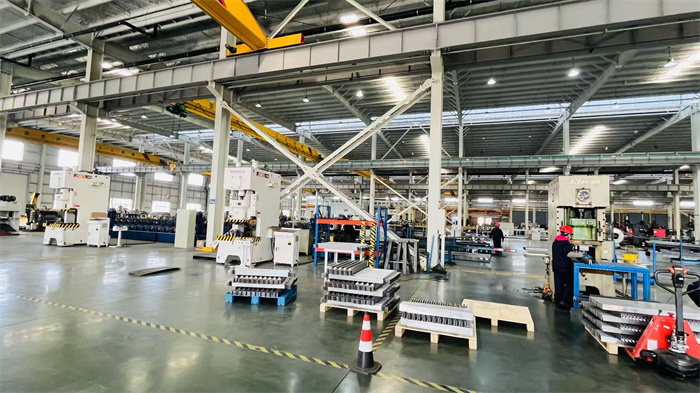
Punching Machine
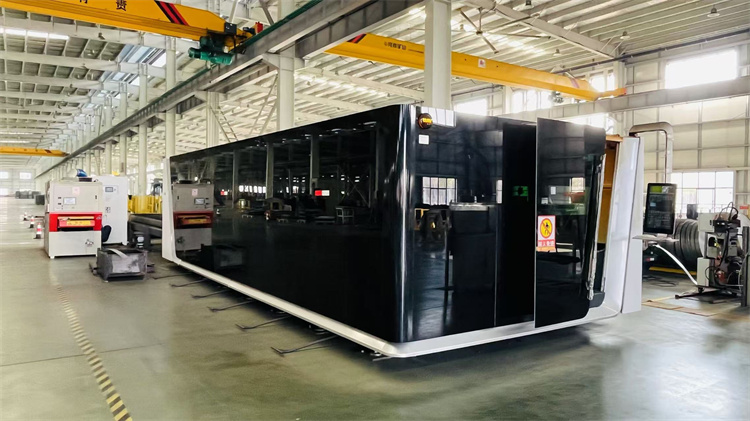
Laser Cutting Machine
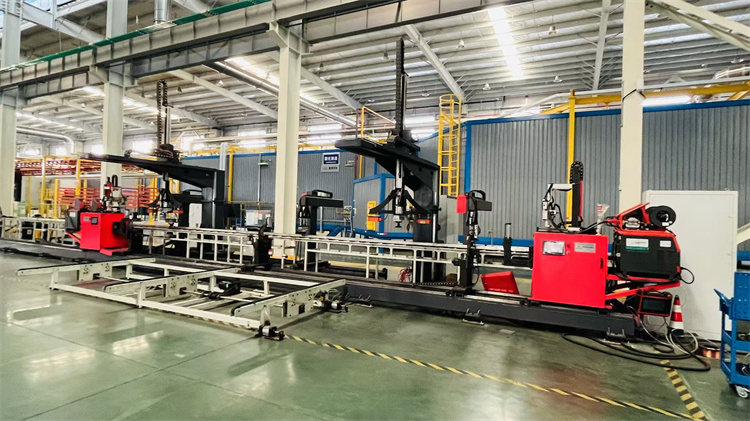
Automatic Welding Machine
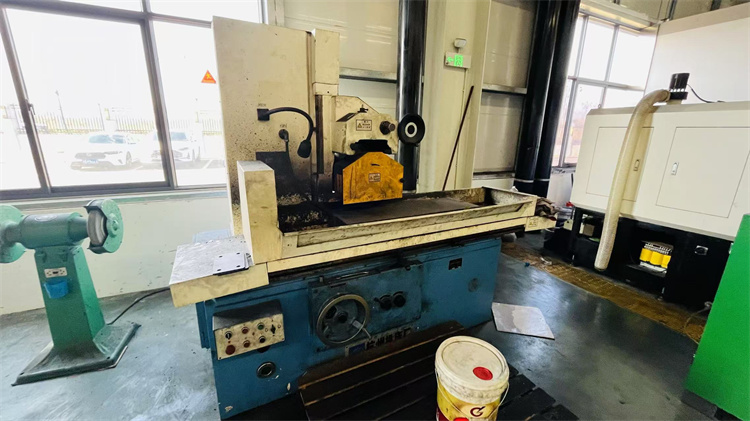
Grinding Machine
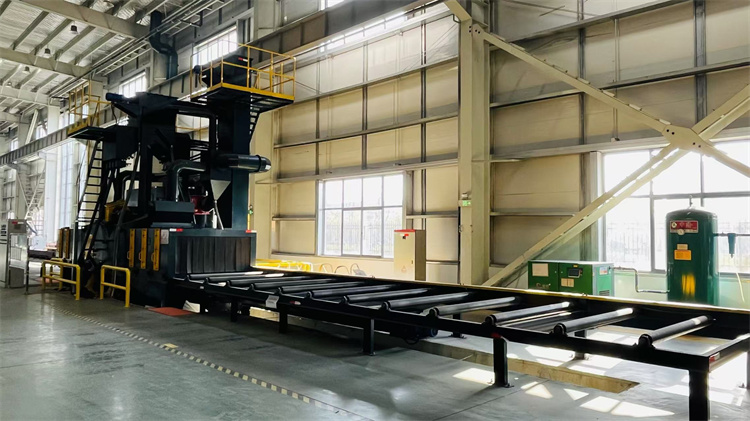
Shot Blasting Machine
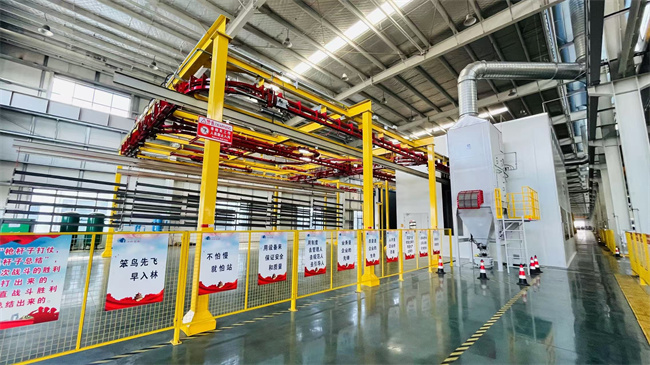
Spraying Production Line
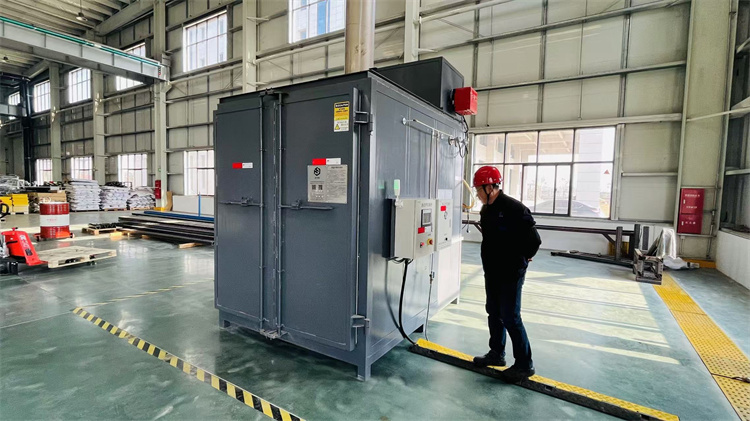
Hot Cleaning Furnace
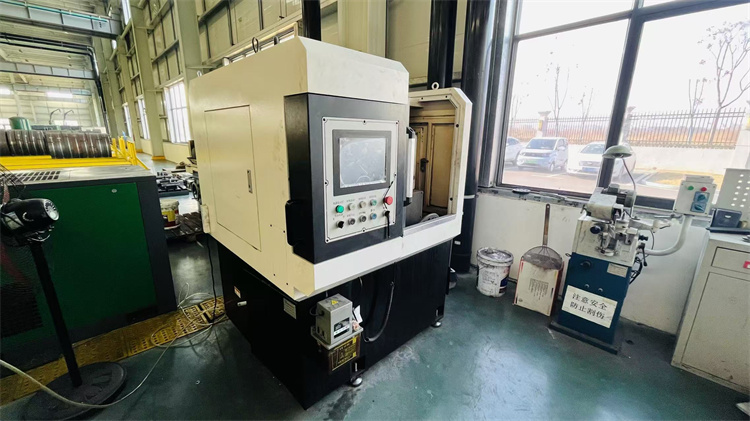
CNC Curve Gear Grinding Machine
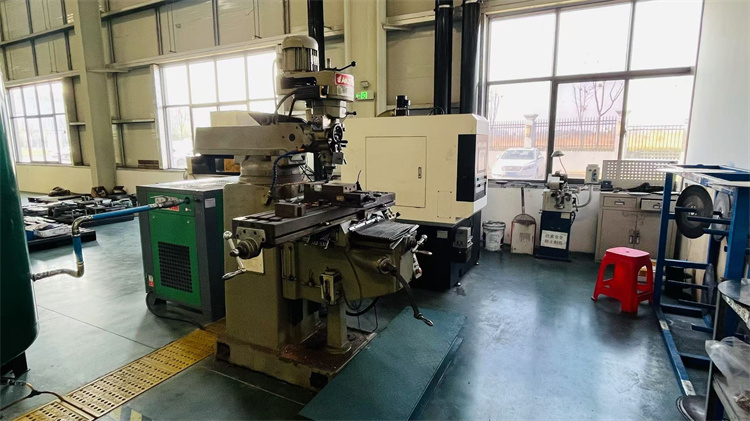
Milling Machine
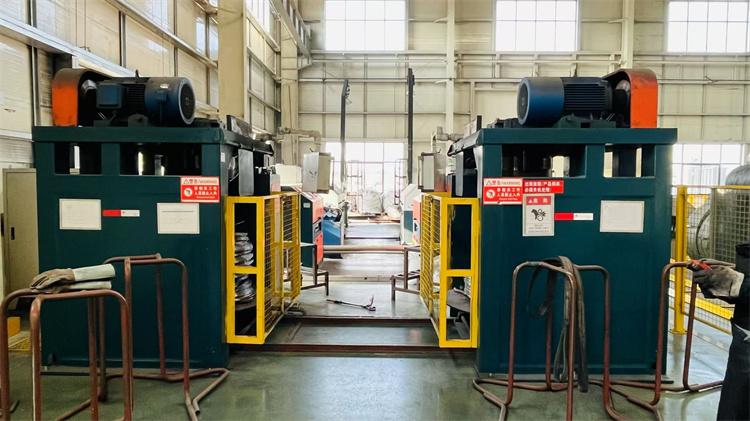
Wiredrawing Machine
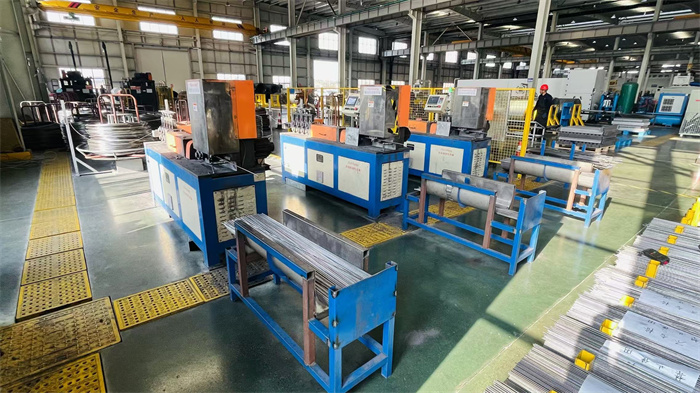
Strengthening Machine
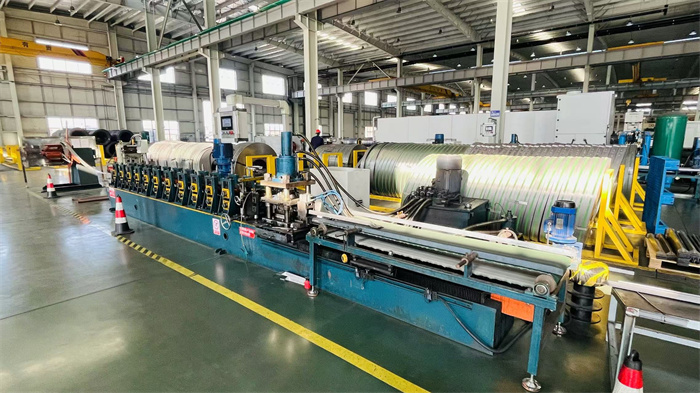
Strengthening Rib Machine
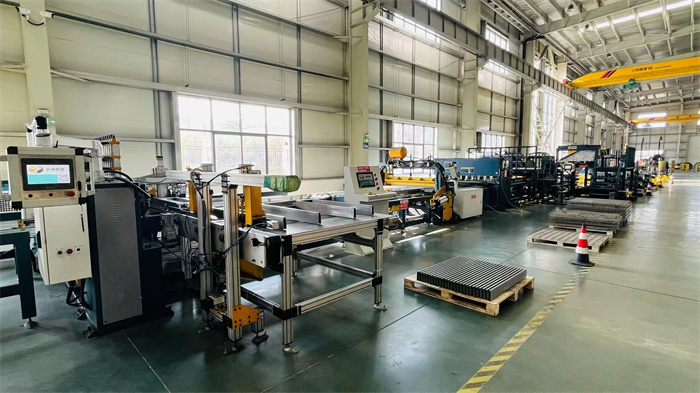
Metal Mesh Production Line
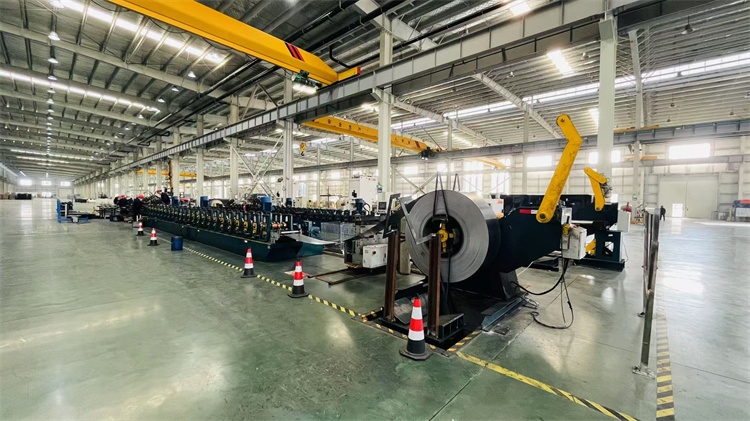
P-Beam Rolling Mill
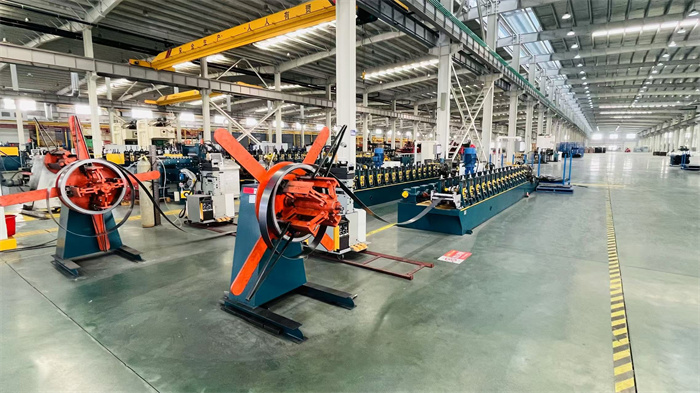
Diagonal Brace Rolling Mill
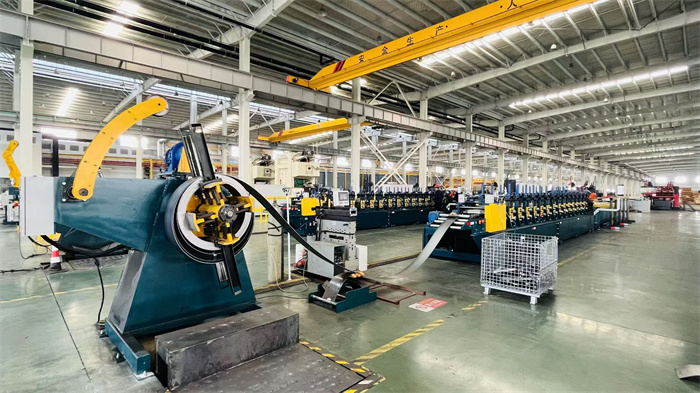
Occluding Beam Rolling Mill
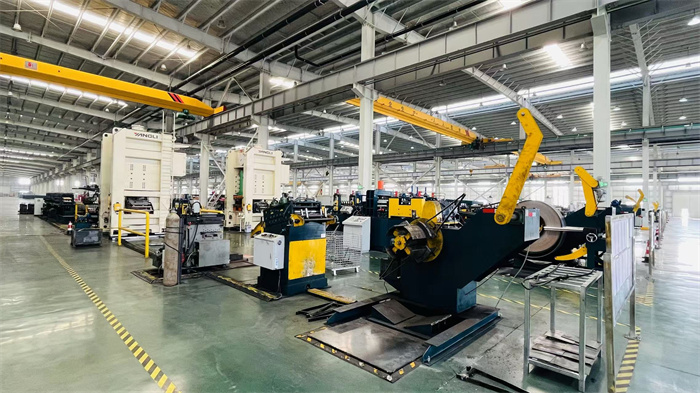
Automatic Column Production Line
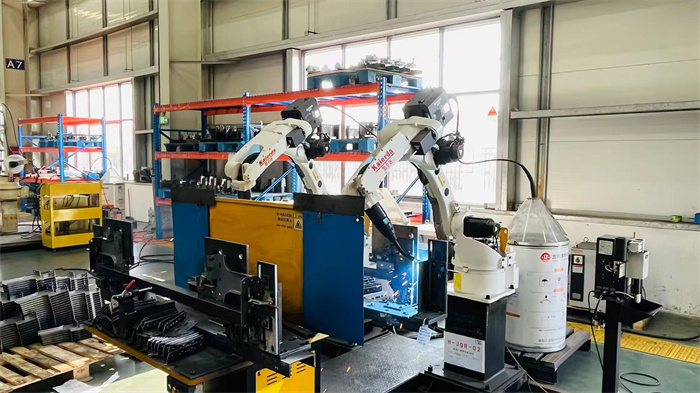
Welding Robot
Industrial storage solutions must meet regional regulatory and engineering standards. A racking structure in North America must comply with different design criteria than one in Europe or Australia. Failure to meet these criteria can lead to system failures, code violations, and operational downtime. Jracking tests and manufactures its racking solutions to meet or exceed regional structural requirements worldwide:
Standard indoor storage environments typically use electrostatic powder coating. However, applications exposed to moisture or chemical cleansers require more durable surface protection. We offer hot-dip galvanized (HDG) steel coatings that provide long-term rust protection. This is particularly useful for cold storage facilities, chemical processing plants, and outdoor staging areas. Our galvanized finishes are tested to withstand sub-zero temperatures down to -30°C without cracking, flaking, or degrading.
The role of racking is changing from passive structural steel frames to active components in automated warehouses. With the growth of Automated Guided Vehicles (AGVs), Autonomous Mobile Robots (AMRs), and smart systems, gravity flow lanes must integrate with automated picking machinery. This integration relies on precise alignment at both loading and discharge interfaces.
Jracking is developing smart gravity flow lanes equipped with built-in sensors. These systems monitor lane speed, track pallet weight, and detect flow blockages in real-time. By connecting sensor-equipped lanes to warehouse control systems (WCS), operators can monitor flow status, run diagnostics, and receive alerts before lane stalls occur. This integration of passive physical flow with smart monitoring helps facilities improve safety and uptime.
Frequently asked questions regarding dynamic FIFO calculations, pallet specifications, and system safety.
A comprehensive range of storage solutions, including teardrop racking, cantilever systems, and heavy-duty selective systems.
 Jracking