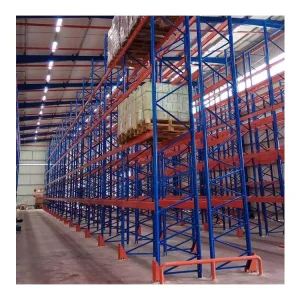
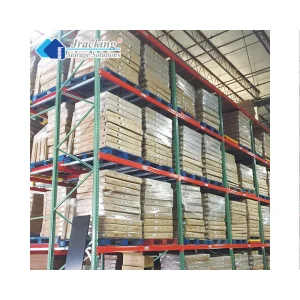
Explore our core product line engineered for maximum spatial yield, heavy load capacities, and structural compliance in international markets.
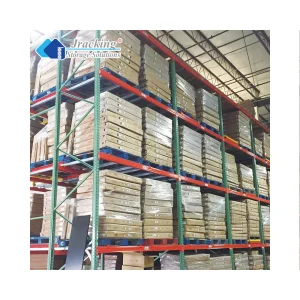
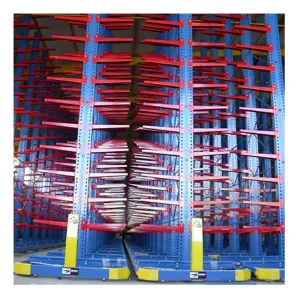
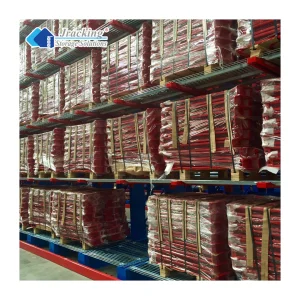
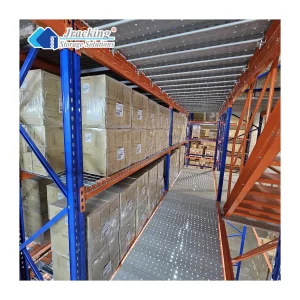
In the global supply chain matrix, warehouse infrastructure acts as the physical foundation of commerce. Industrial utility racks, heavy-duty pallet systems, and dynamic storage configurations dictate the throughput capacity, worker safety, and bottom-line efficiency of fulfillment networks. Choosing a manufacturing partner is a critical capital decision. This white paper analyzes the supply chain characteristics, engineering compliance, and operational dynamics that define China's premium racking exporters, focusing on the performance of Jracking (Guangdong) Storage Co., Ltd.
Purchasing heavy-duty storage configurations from China requires analyzing load capacity, material metallurgy, structural calculations, and regional certifications. As global e-commerce demands force facilities to build upward, structural engineering requirements have become more complex. Modern utility racks must support heavy, dynamic loads while resisting forklift impacts and seismic events, all while complying with regional building codes.
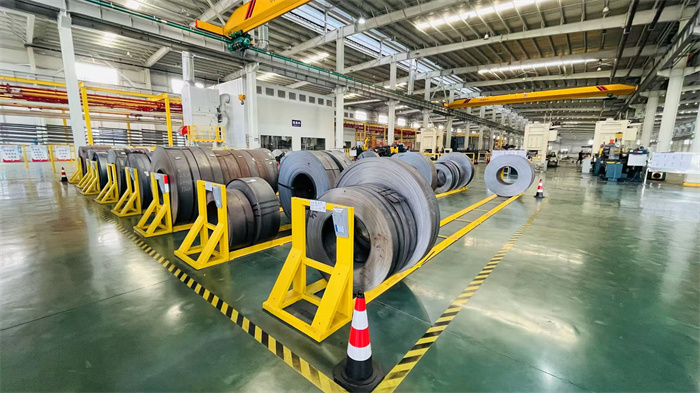
Utilizing certified high-tensile steel grades such as Q235B and Q355B (equivalent to ASTM A36 and ASTM A572 Grade 50) to ensure consistent load profiles, structural yield, and resistance to environmental stress cracking.
Every component, from upright frames to box beams and connector pins, undergoes strict FEA (Finite Element Analysis) stress simulations and physical strain-gauge testing to guarantee safety factor ratios.
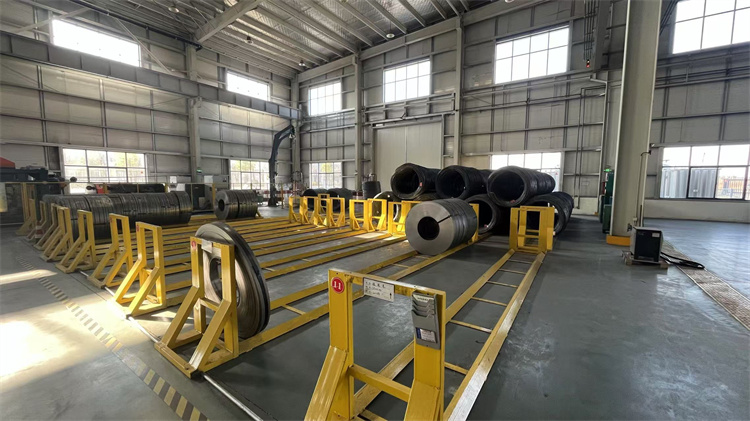
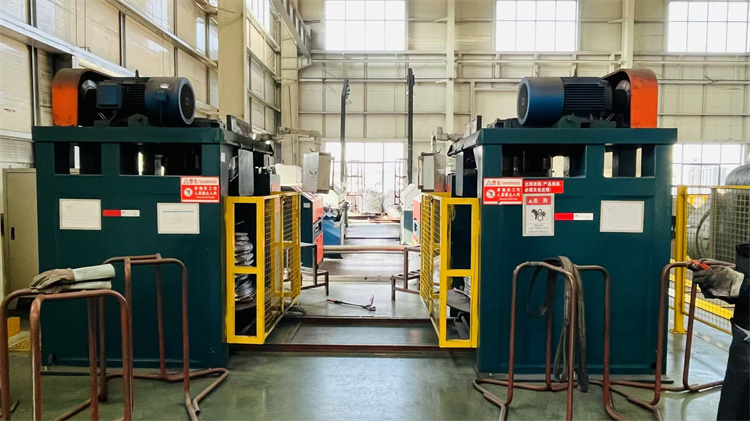
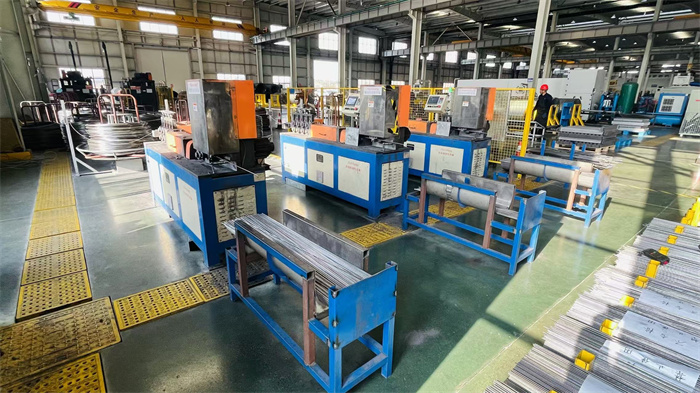
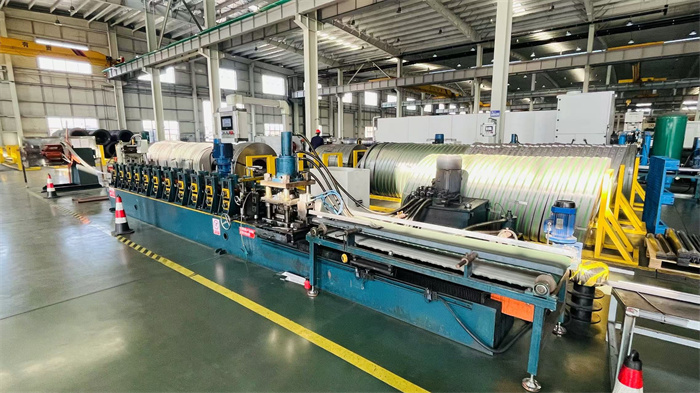
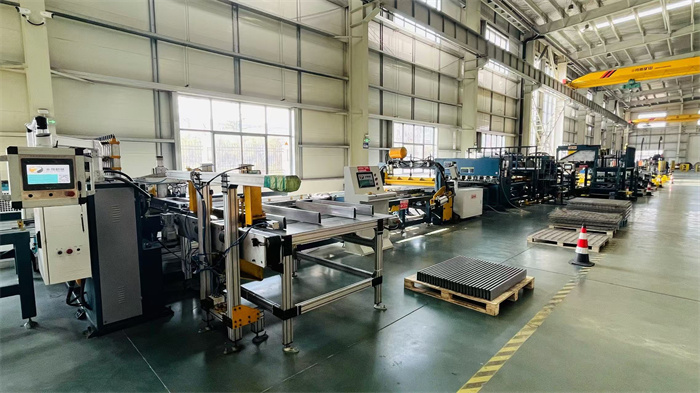
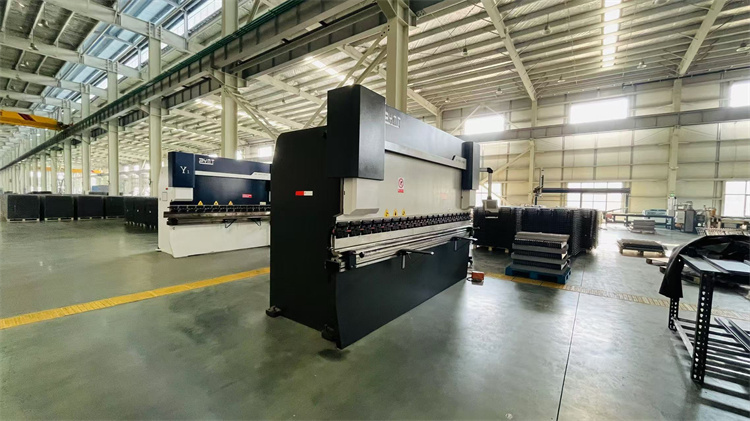
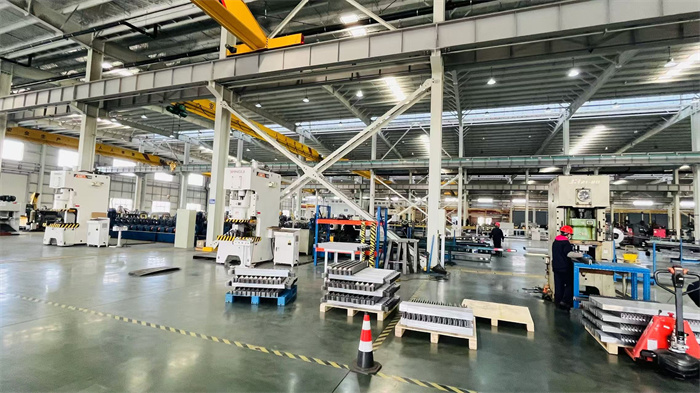
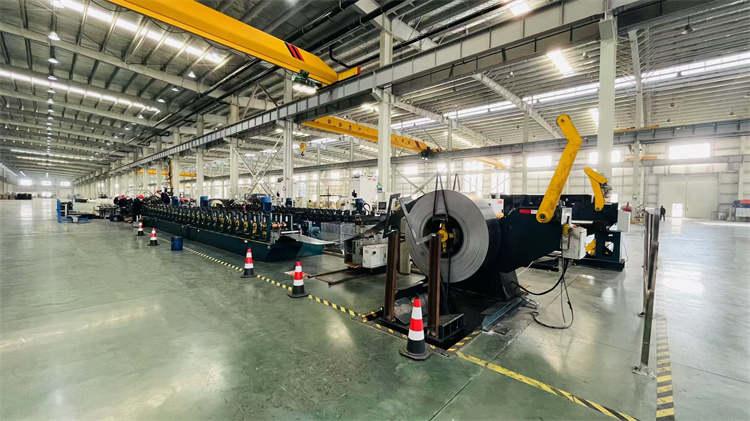
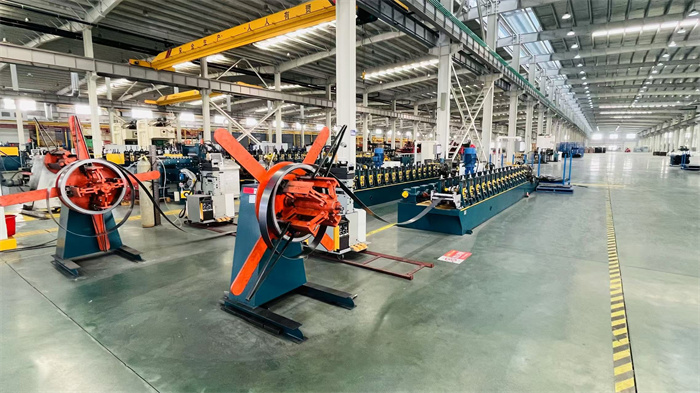
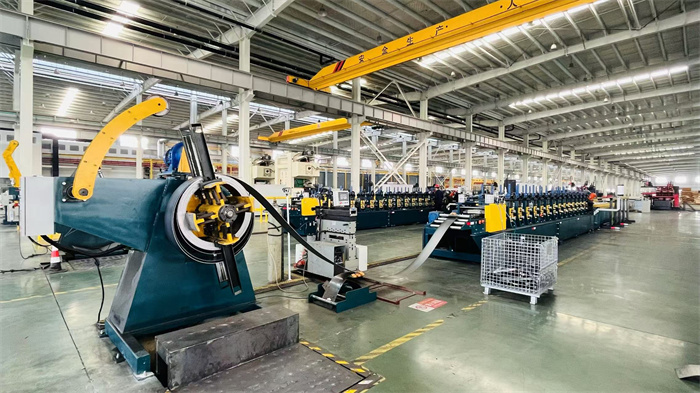
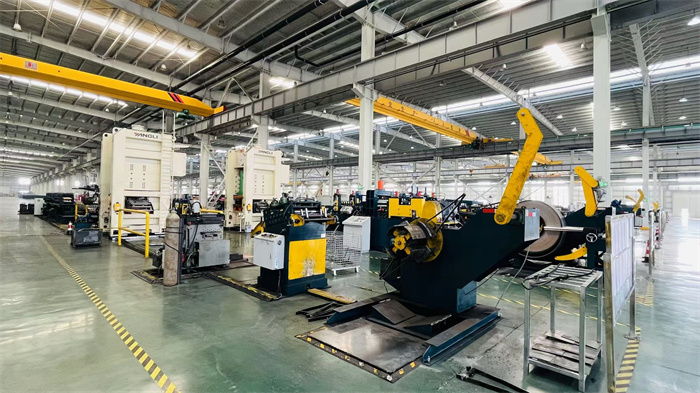
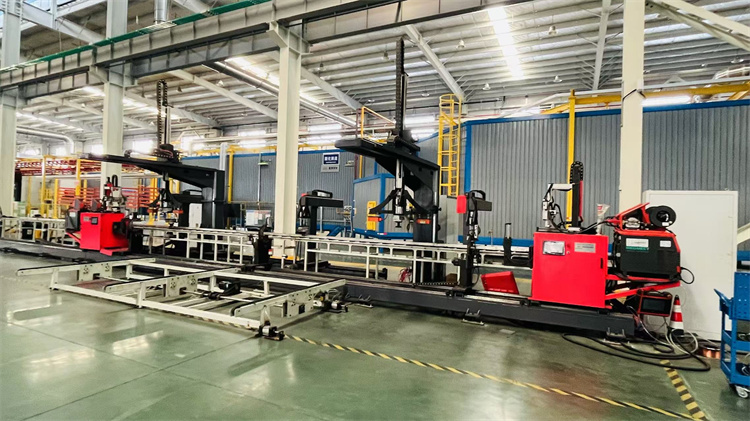
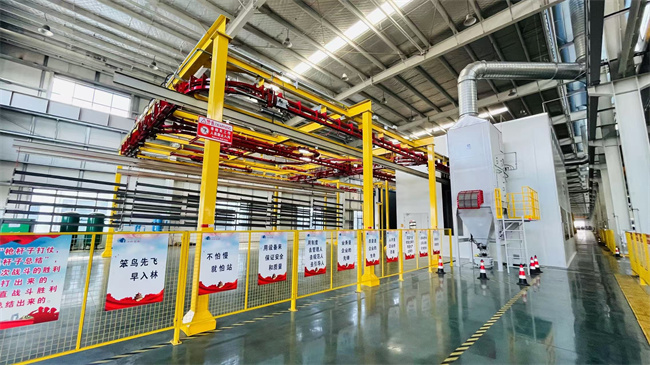
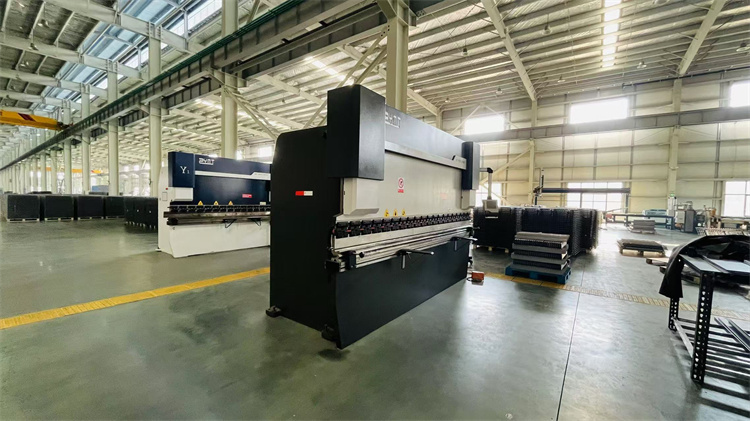
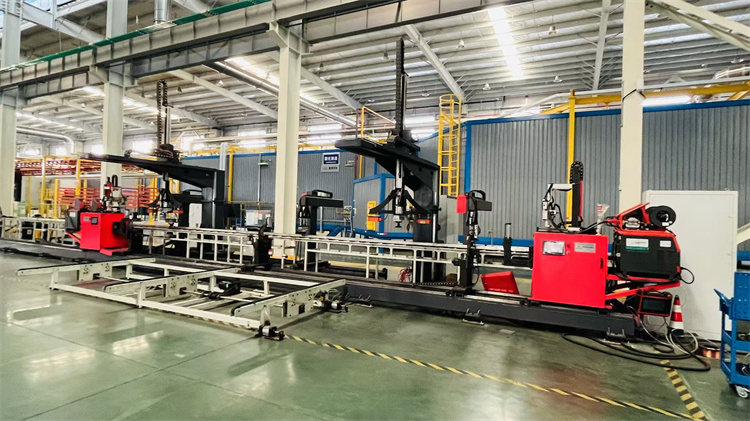
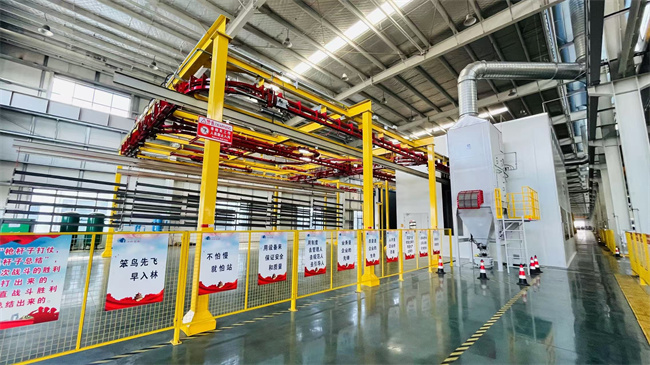
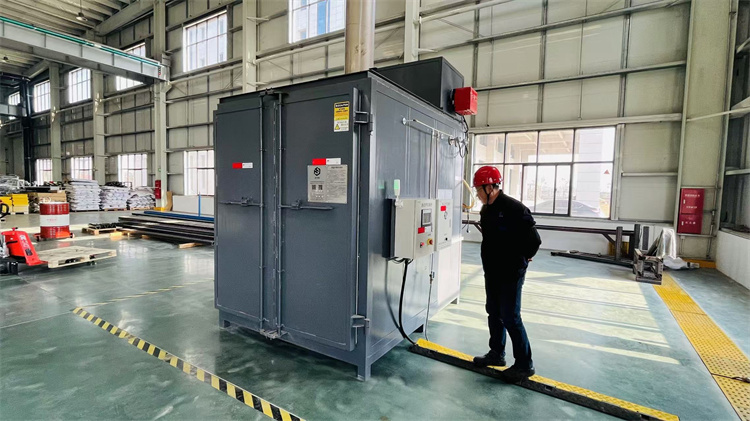
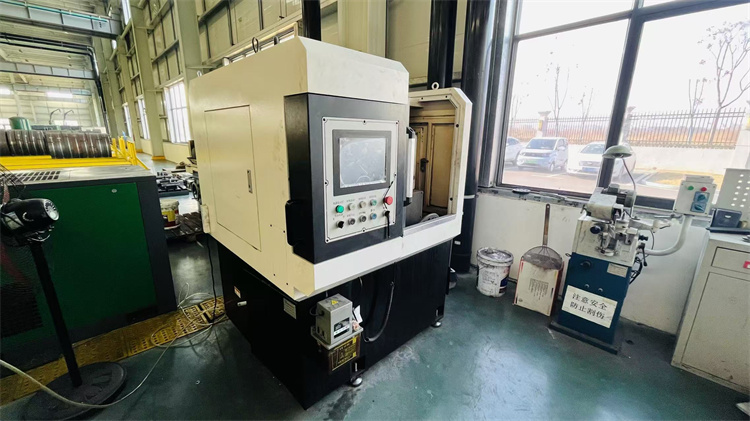
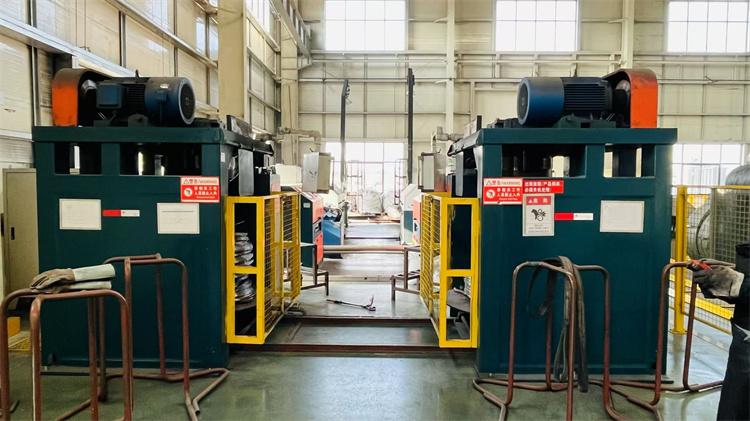
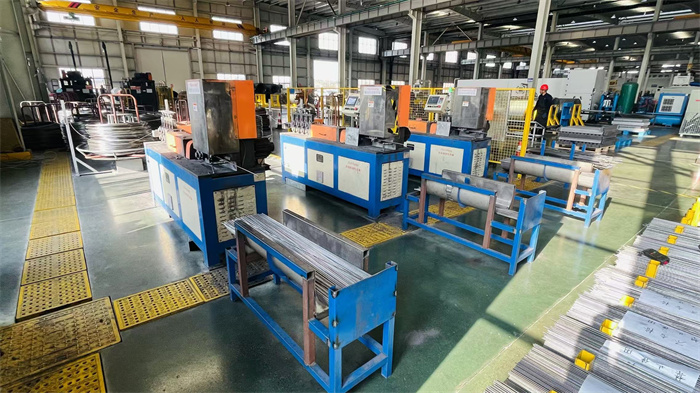
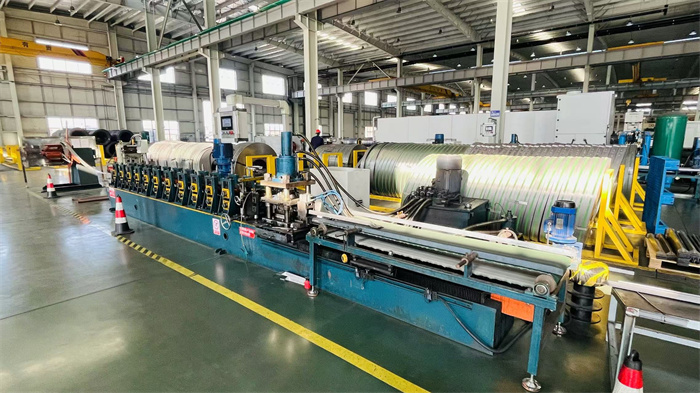
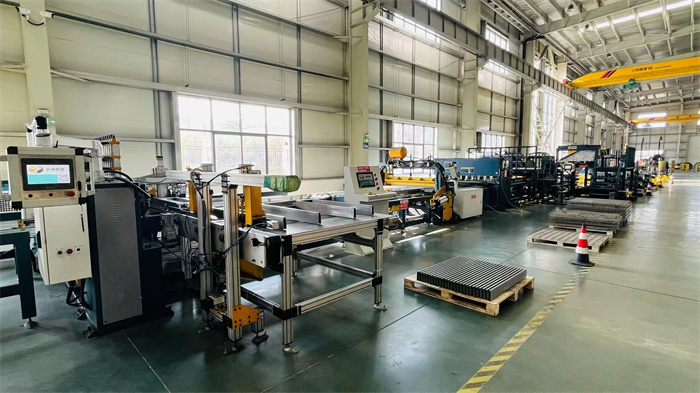
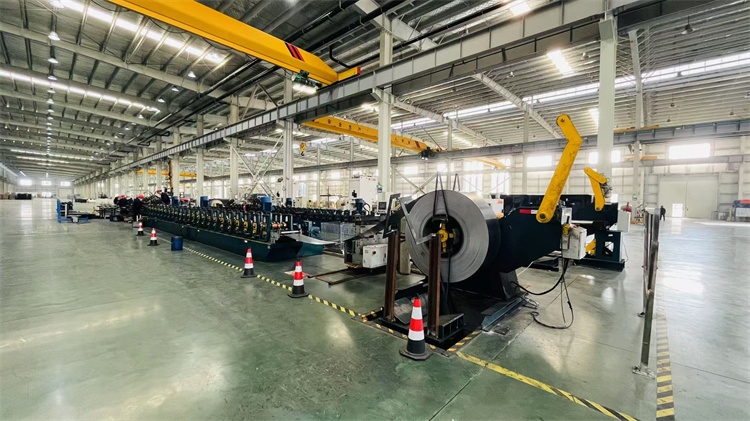
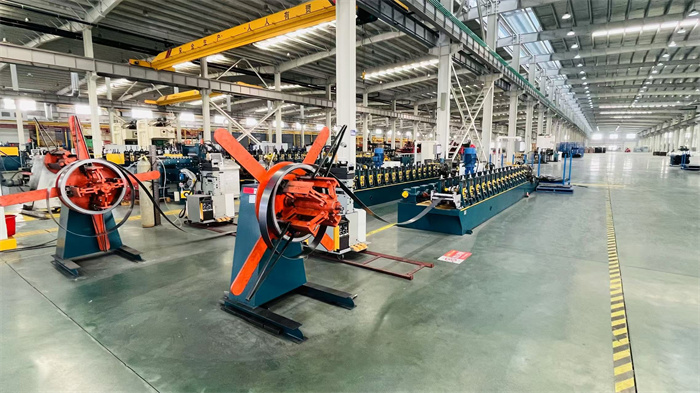
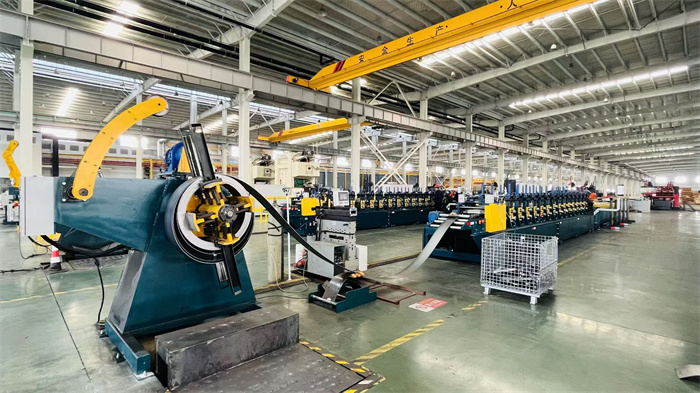
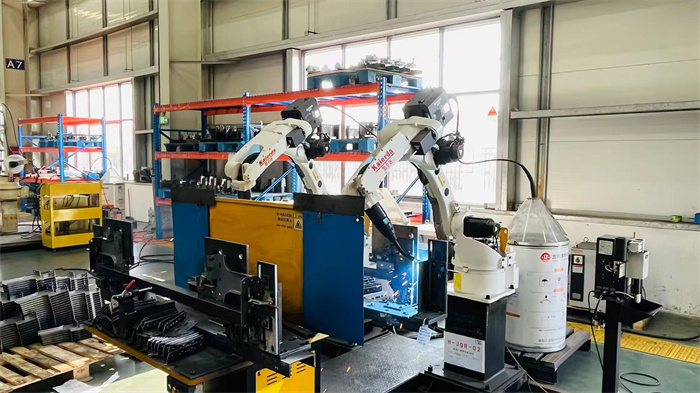
Production lines utilize automated CNC rolling mills, robotic arm welding, and automated powder coating processes to meet strict ISO 9001, CE, RMI, and AS4084 production standards.
How regional industrial concentration, raw material integration, and automated manufacturing lines deliver cost-efficient, high-precision racking systems globally.
The cost efficiency of Chinese racking manufacturers is built on structural and geographic advantages, rather than low labor costs. Guangdong and other coastal industrial clusters host concentrated networks of cold-rolled steel mills, precision fastener manufacturers, chemical powder coating suppliers, and shipping ports. This proximity reduces inland logistics costs and ensures rapid, reliable raw material procurement.
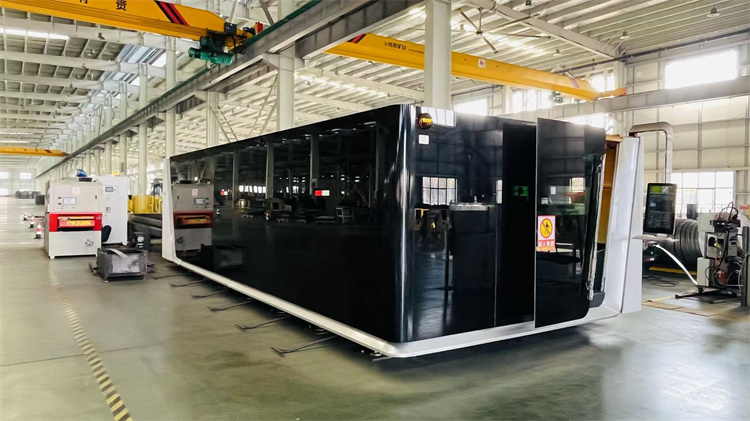
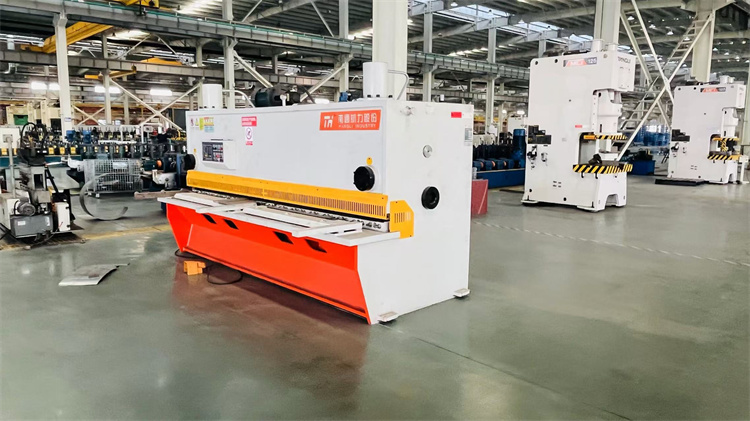
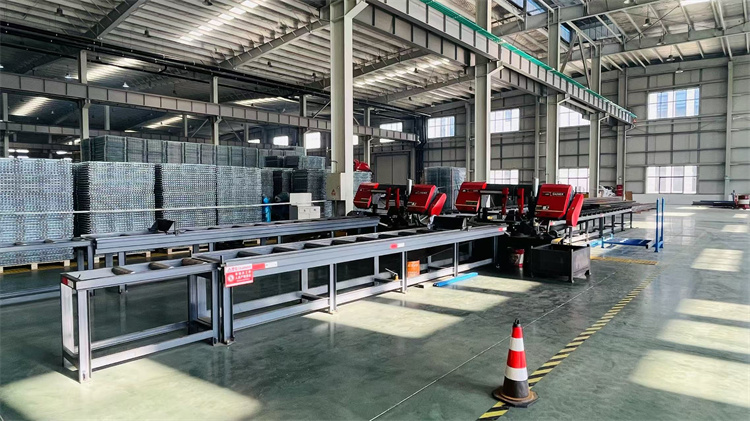
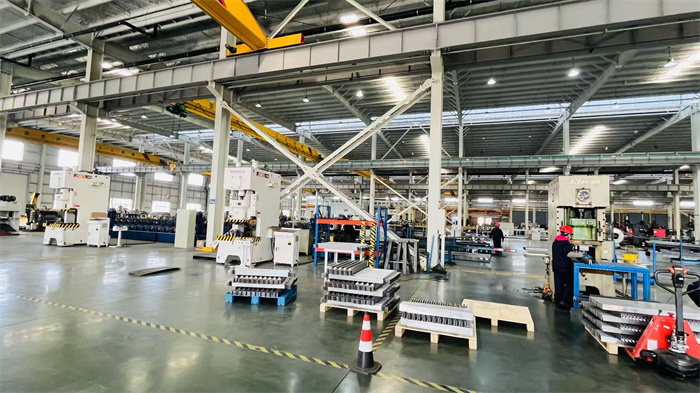
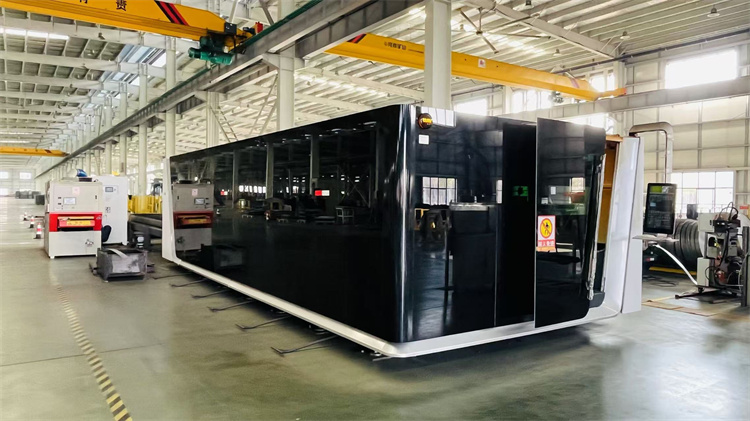
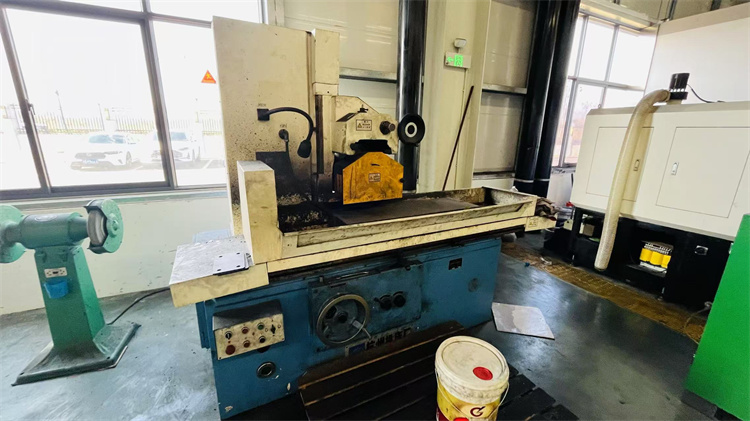
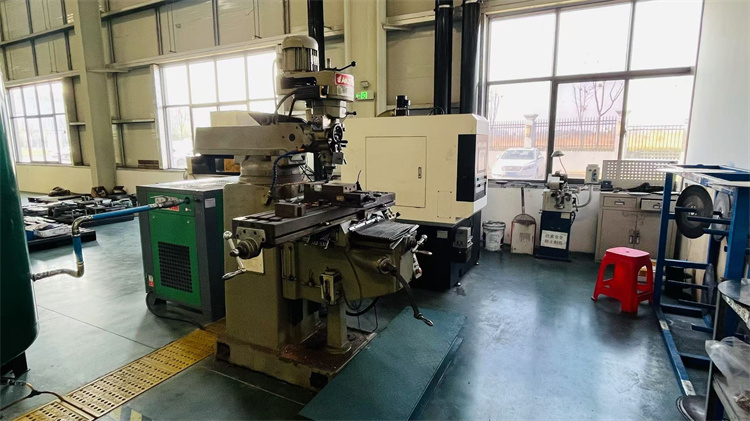
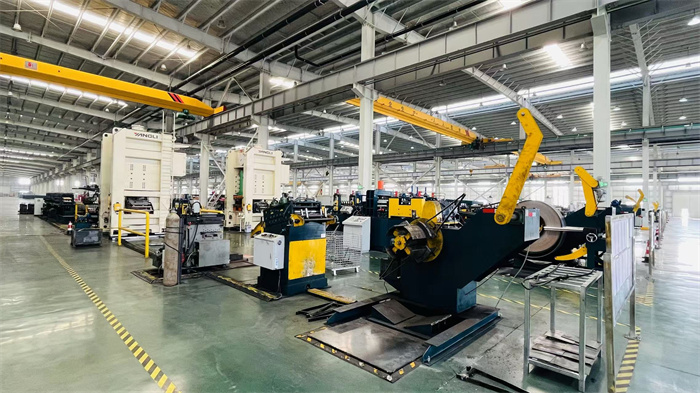
Additionally, modern Chinese manufacturers utilize highly automated production lines. Traditional manual welding and cutting have been replaced by automated, multi-station CNC rolling mills, laser cutters, and robotic welding cells. Automated production ensures uniform weld profiles, consistent interlocking punch depths, and tight dimensional tolerances, allowing large batches of racking components to assemble easily on-site.
| Steel Grade (Standard) | Yield Strength (MPa) | Tensile Strength (MPa) | Typical Application in Racking Systems |
|---|---|---|---|
| Q235B (GB/T 700) | 235 | 370 - 500 | Standard pallet load beams, wire decking support channels, baseplates, spacer bars, and light-duty shelving. |
| Q355B (GB/T 1591) | 355 | 470 - 630 | High-capacity upright columns, structural mezzanine frames, heavy-duty cantilever arms, and seismic-resistant components. |
| SS400 (JIS G3101) | 245 | 400 - 510 | Interlocking panels, back bracing elements, and general structural racking accessories exported to APAC regions. |
| ASTM A36 / A572 Gr. 50 | 250 / 345 | 400 / 450 | US-engineered teardrop upright columns, structural beam assemblies, and heavy-duty industrial platforms. |
By comparing these steel profiles, engineering teams can design racking arrays that balance load safety requirements with cost optimization. Utilizing high-yield Q355B steel for upright frames allows manufacturers to reduce total steel volume while maintaining load capacity, lowering shipping costs and reducing the deadweight load on warehouse concrete foundations.
Warehouse racking failure presents severe workplace safety and liability risks. For global enterprises, procurement decisions must align with regional building regulations. Exporters must demonstrate compliance through certified testing protocols and quality control systems.
CE marking indicates conformity with European health, safety, and environmental protection standards. FEM 10.2.02 outlines standard design procedures for static steel pallet racking, regulating elastic deformation limits, frame stability calculations, and beam-to-column connector testing.
The Rack Manufacturers Institute (RMI) certifies that steel racking structures comply with ANSI MH16.1. This standard governs structural steel design, teardrop punch dimensions, safety pins, and standard load plaque documentation, facilitating easy permitting in North America.
AS 4084 governs steel storage racking in Australia and New Zealand, setting strict parameters for baseplate thickness, floor anchoring depth, column upright protections, and seismic load capacity design to ensure stability under lateral ground motions.
In active seismic regions, racking design cannot rely on static load capacity alone. Systems must be engineered to resist lateral ground acceleration, preventing collapse and protecting inventory. Key design criteria include:
For procurement professionals, managing capital expenditure requires balancing low initial purchase prices with total cost of ownership (TCO). While cheap racking solutions can reduce immediate startup costs, they often lead to long-term issues: rapid oxidation of thin paint finishes, metal warping under static loads, and accelerated structural damage from minor forklift impacts.
Evaluating an investment in utility racking requires calculating space efficiency, lifetime durability, and safety features. Standardizing on high-quality systems pays off through reduced repair costs, lower liability risks, and easy future expansion.
Determine maximum pallet weights, dimensions, and center-of-gravity variations.
Confirm concrete compressive strength and soil loading capacity to select correct anchor points.
Identify local building codes (RMI, AS4084, FEM) and structural calculation requirements.
Compare initial manufacturing cost against durability, space savings, and shipping efficiency.
How automated storage, dynamic shuttle systems, and smart warehouse technologies are shifting physical steel frames into responsive logistic nodes.
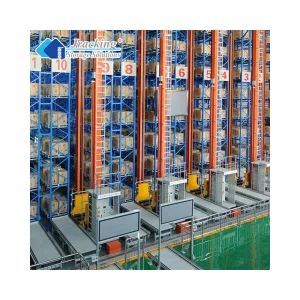
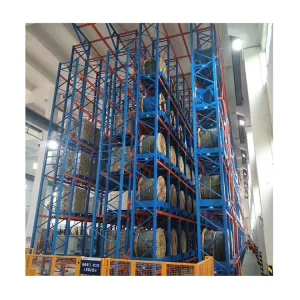
Automated Storage and Retrieval Systems (ASRS) use computerized crane and shuttle networks to retrieve pallets within tightly spaced steel frameworks. These setups require strict alignment tolerances, matching millimeter-precision specifications to prevent robot jams.
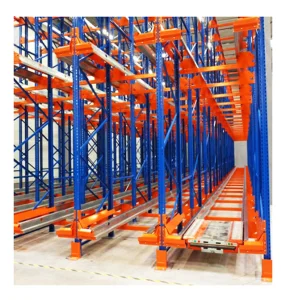
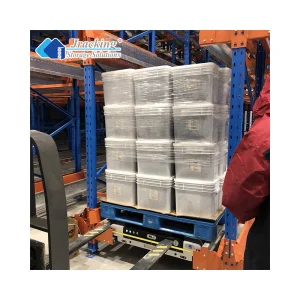
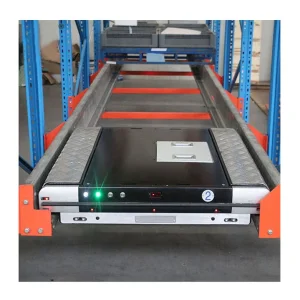
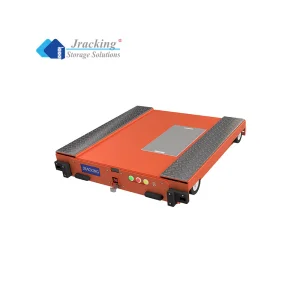
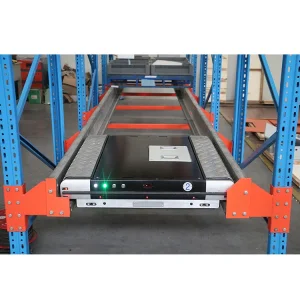
Radio shuttle systems utilize robotic carts running inside customized channels beneath storage lanes. This design maximizes lane depth, reduces forklift requirements, and offers high efficiency for high-density applications.
Modern finishing lines use high-durability epoxy-polyester powder formulations, free of VOCs and heavy metals. This finish provides superior scratch resistance, impact buffer, and salt spray protection for long service life.
Engineered racking configurations built to resolve the unique environmental demands of critical trade sectors.
Sub-zero temperatures reduce steel ductility and accelerate structural condensation. Cold store configurations use specialized low-temperature carbon steels (like Q355D), hot-dip galvanized finishes, and drive-in or mobile cantilever arrays to maximize thermal efficiency and footprint yield.
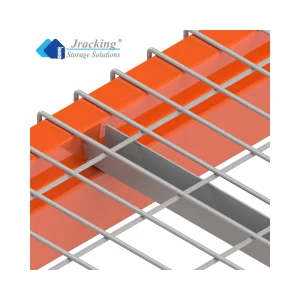
High-volume pick operations require multi-level pick modules, integrated carton-flow lines, and heavy-duty steel platform support. Clear overhead structures, robust wire-mesh safety backings, and impact-resistant column guards protect workers and maintain continuous product flow.
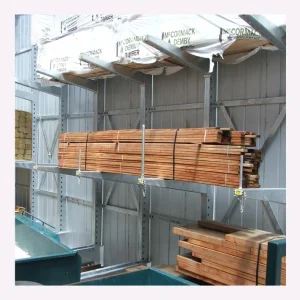
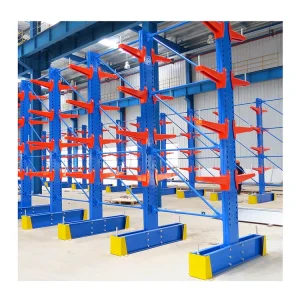
Storing heavy, oversized industrial materials, molds, steel coils, and tubing requires specialized cantilever racks or heavy-duty structural steel frame designs. These systems are calculated to prevent structural deflection and stand up to heavy forklift loading cycles.
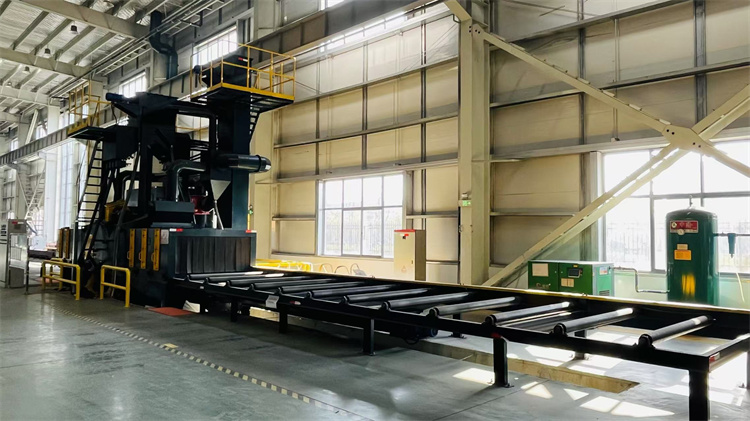
Inside Jracking's production steps, where raw steel coils are transformed into certified, high-strength industrial racking components.
Technical answers to key questions about design criteria, safety guidelines, and factory procurement dynamics.
Under ANSI/RMI MH16.1 specifications, the typical safety factor for structural steel racking elements is 1.94. This safety margin accounts for minor steel stress variances, structural tolerances, dynamic shock loads during pallet placement, and light forklift impacts, helping to prevent structural collapse under normal operating conditions.
Requirements depend on local building codes and the site's Seismic Design Category (SDC), ranging from A to F under the International Building Code (IBC). In high-risk SDC regions (such as D, E, or F), structural engineers calculate seismic soil forces and use enlarged baseplates (typically 10-12mm thick) combined with high-grade anchor bolts to resist overturning forces.
Roll-formed steel is shaped from thin sheet metal coils at room temperature, offering a lightweight, cost-effective, and highly adjustable option for standard retail and e-commerce setups. Hot-rolled structural steel utilizes thick, solid channel profiles manufactured at high temperatures. While it has a higher initial cost, hot-rolled steel provides superior resistance to forklift impacts, making it ideal for high-traffic food distribution and heavy manufacturing facilities.
Jracking employs 48 professional quality inspectors who run ISO-compliant quality control procedures. The testing regimen includes raw material spectral analysis, dimensional check verification, weld non-destructive testing (NDT), coating thickness testing (minimum 60-80 microns for interior use), and final trial assembly of selected batches to ensure structural integrity and correct fit.
Explore our technical designs optimized for automated crane systems, cold store operations, and high-efficiency freight staging hubs.
 Jracking