Engineered structural racking systems designed to maximize cubic space, improve throughput speed, and reduce operational cost-per-pallet.
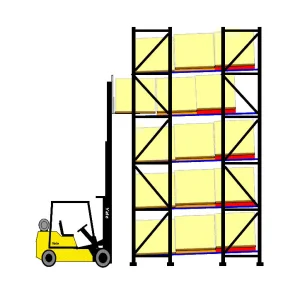
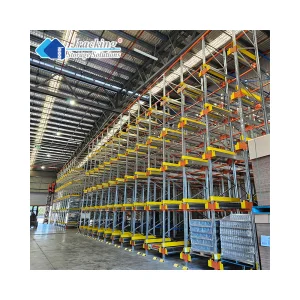
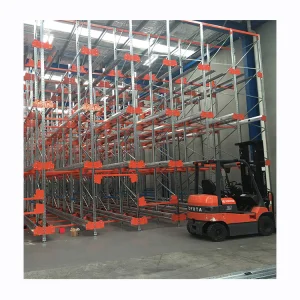
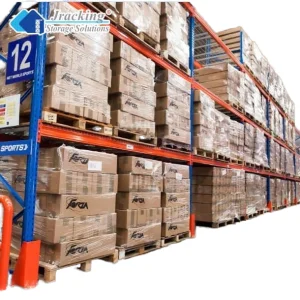
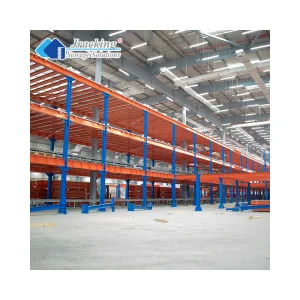
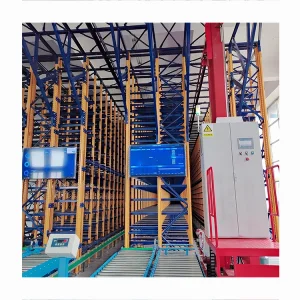
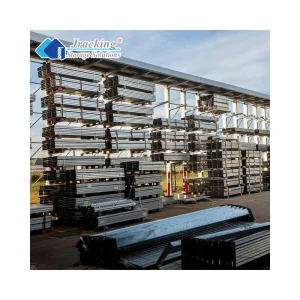
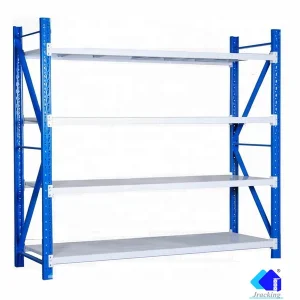
The rapid growth of global e-commerce, combined with major changes in just-in-time supply chains, has led to a critical shortage of industrial land worldwide. Modern distribution centers are no longer evaluating capacity simply by floor footprint (square meters); they assess potential through volumetric density (cubic meters). Real estate costs per square foot are at historic highs, pushing logistics designers to design upward, using tall rack heights and automated systems.
This shift has changed the role of basic steel rack manufacturers. They are now providers of custom-engineered storage systems. Building structural solutions that can safely hold heavy loads over 10 meters high requires advanced metal science, precise cold-rolling processes, and a clear understanding of dynamic engineering loads.
Increasing cube utilization by just 15% through high-density racking can reduce overall warehouse operational costs by up to 22% annually, preventing the need for expensive warehouse relocation.
A deep look at structural design, manufacturing quality control, and testing protocols required to ensure the long-term reliability of heavy industrial racks.
Designing systems for different parts of the world means adhering to strict national safety frameworks. Advanced systems must be calculated using Finite Element Analysis (FEA) to comply with AS4084 (Australia), RMI MH16.1 (USA), and EN 15512 (Europe), protecting facilities during seismic activity.
High load capacity depends on using reliable structural steel. Racks are built using high-strength Q235B and Q355B steel, verified with mill test reports. This ensures consistent yield strength, elastic limits, and structural durability under maximum loads.
To protect against humidity, abrasion, and temperature changes, surfaces receive pre-treatment followed by thermosetting epoxy-polyester powder coating. For cold environments and outdoor projects, hot-dip galvanizing protects the steel from rust.
Adapting physical racking configurations to meet the specific throughput, material handling, and temperature needs of different sectors.
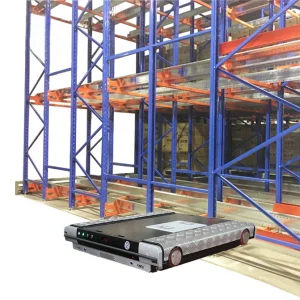
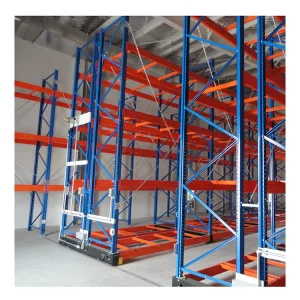
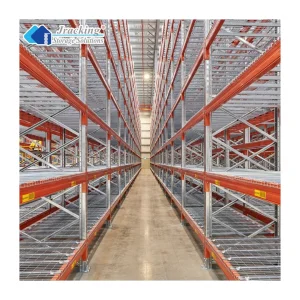
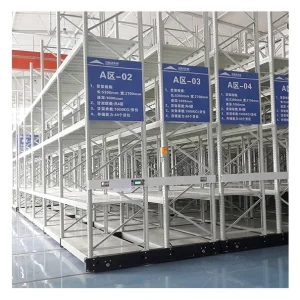
Cold storage facilities have high utility costs. By using high-density solutions like 4-way radio shuttles and mobile racking systems, operations can limit empty spaces, save energy, and improve structural stability in freezing environments down to -30°C.
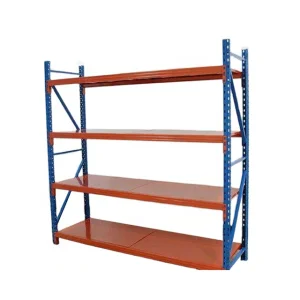
Heavy components require heavy-duty storage racks. Using high-load selective systems and custom cantilever racks provides the stability and support needed for storing heavy sheet metals, engine assemblies, and long industrial tubes.
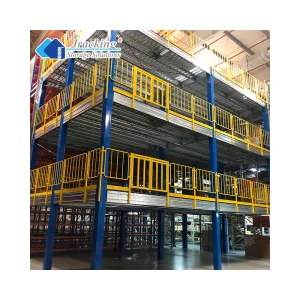
High order volumes require fast picking routes. Integrating automated crane AS/RS configurations with Multi-Level Mezzanine platforms allows facilities to run 24/7, maximizing both vertical space and rapid order sorting.
From testing raw materials to final packaging, our production facility maintains full control over every stage of the manufacturing process.
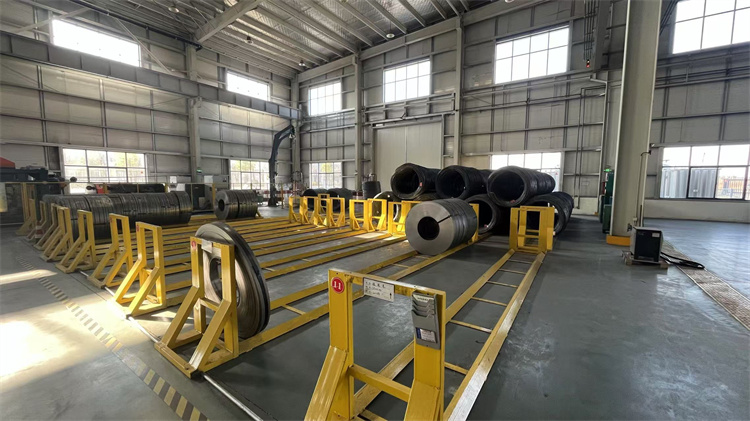
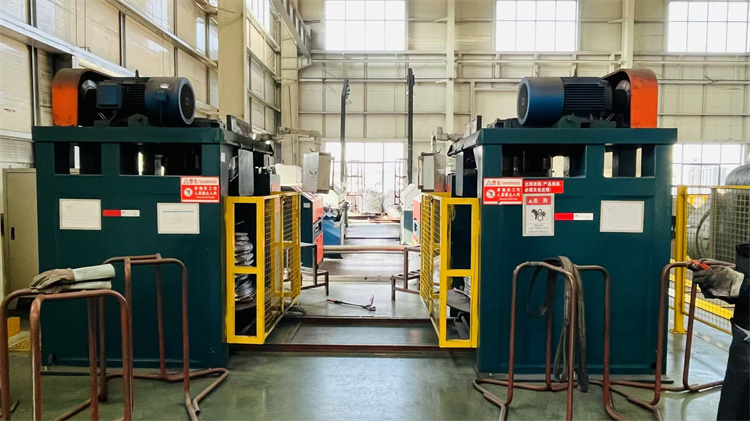
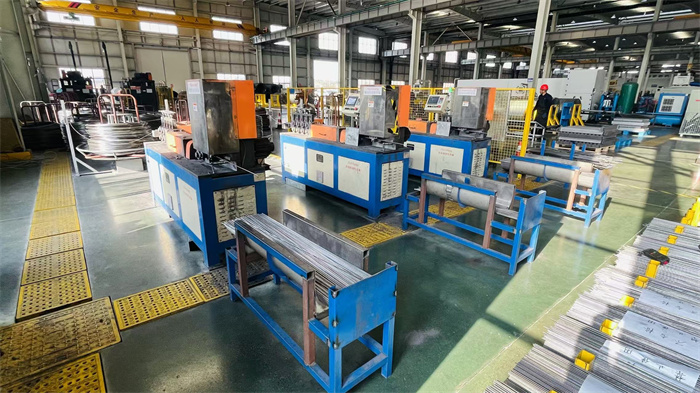
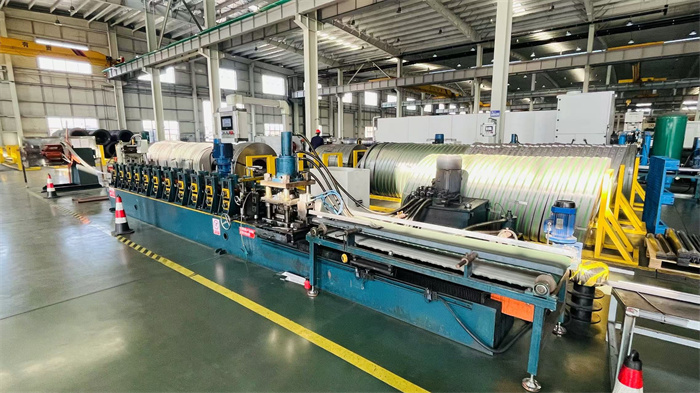
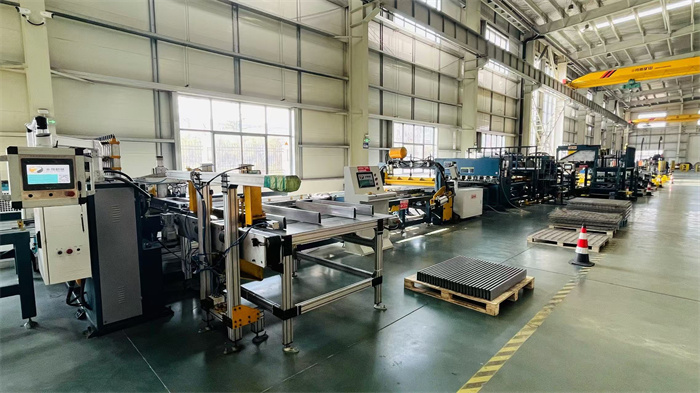
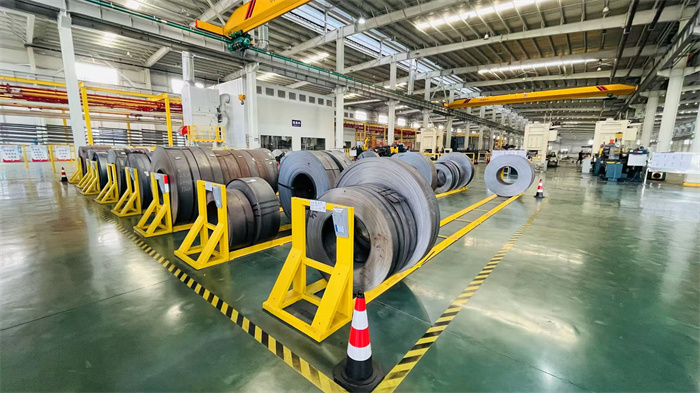
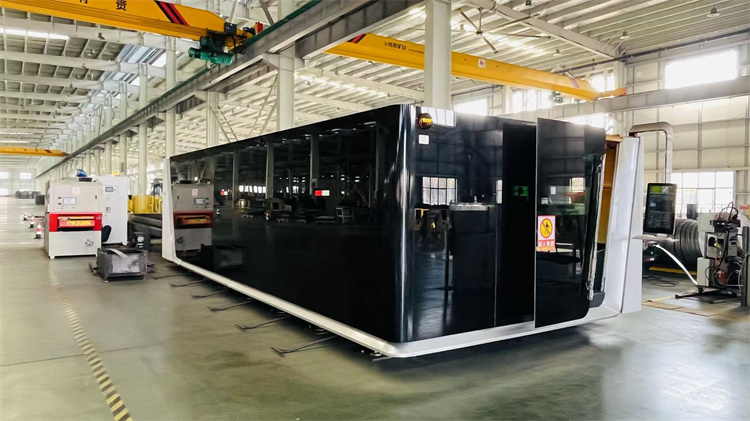
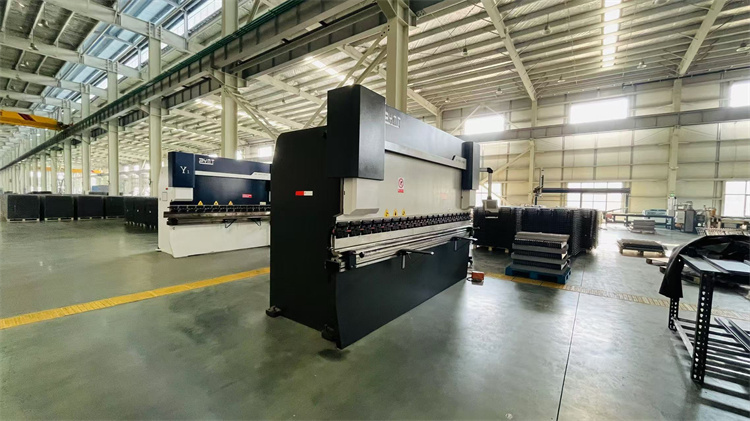
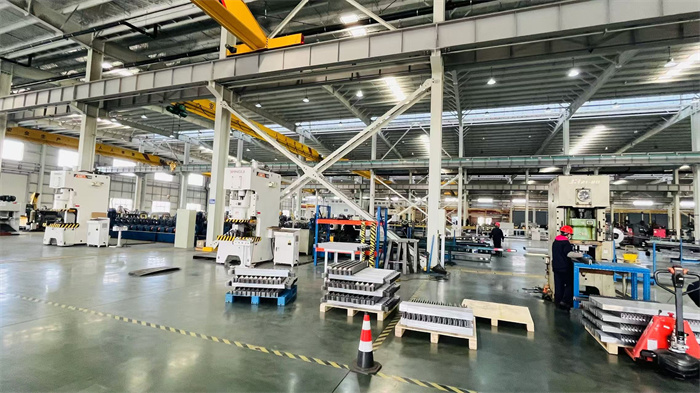
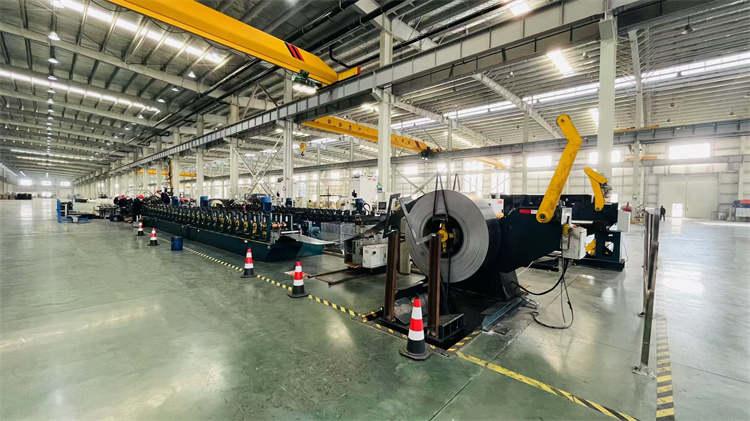
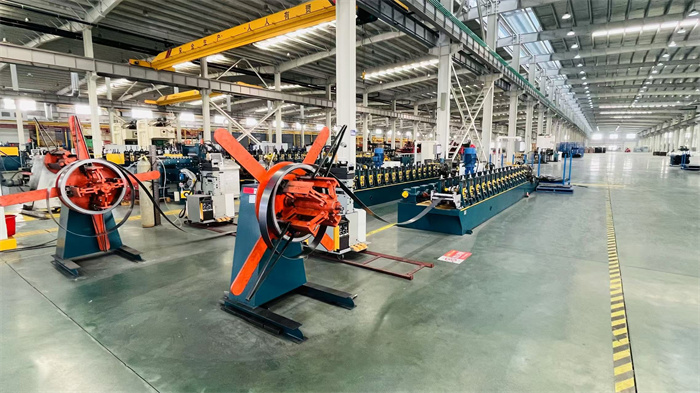
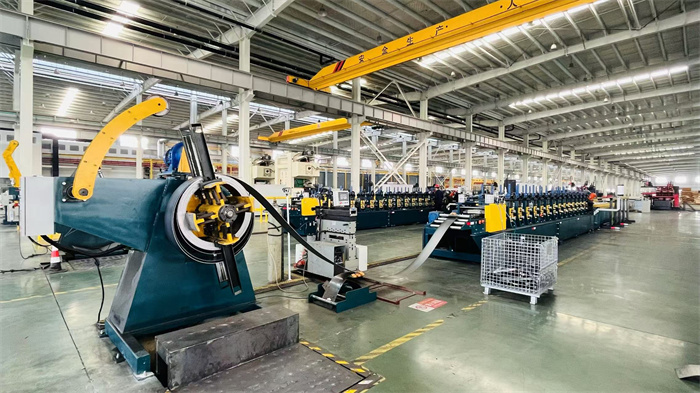
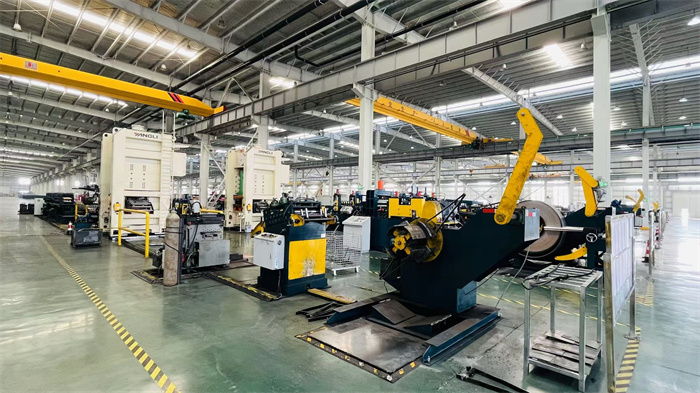
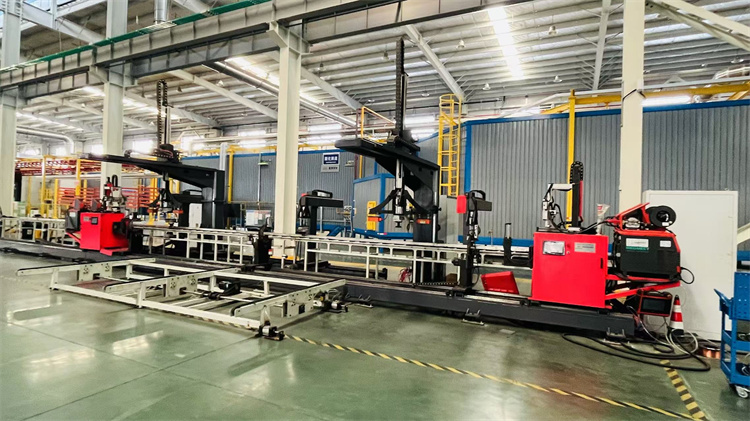
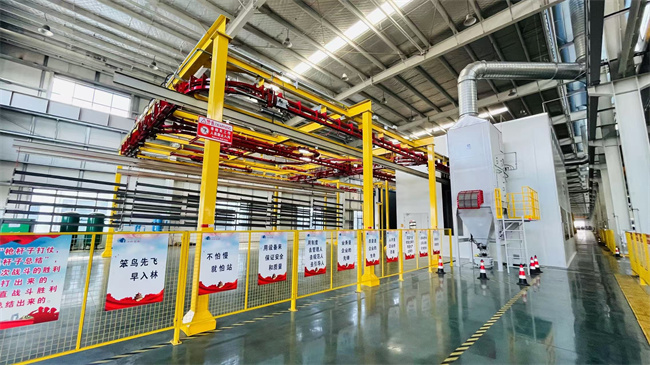
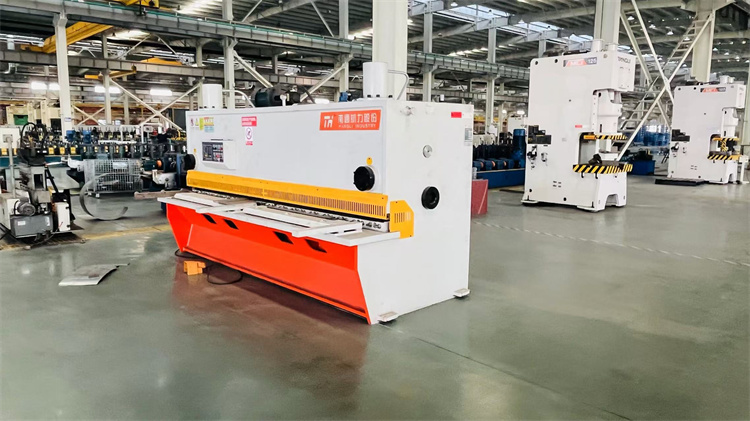
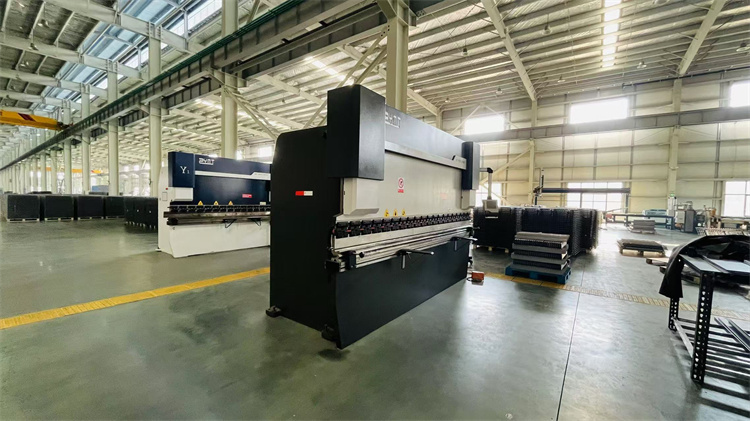
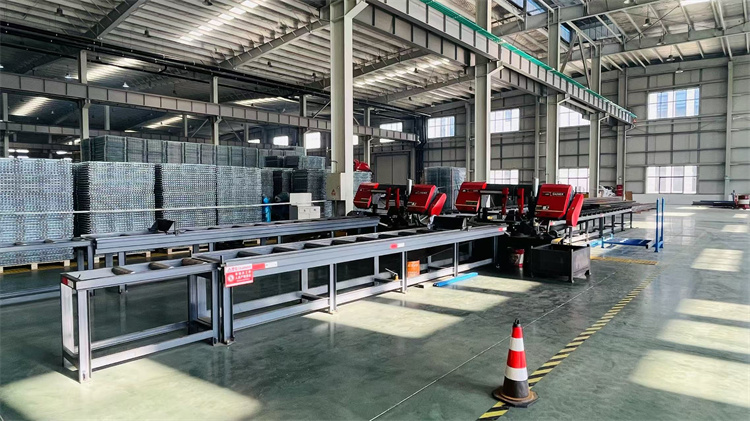
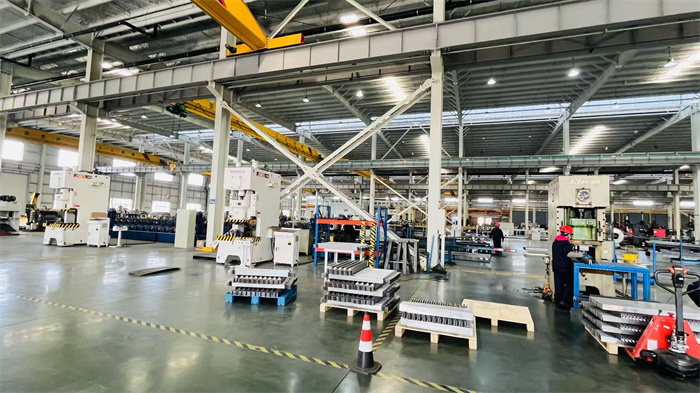
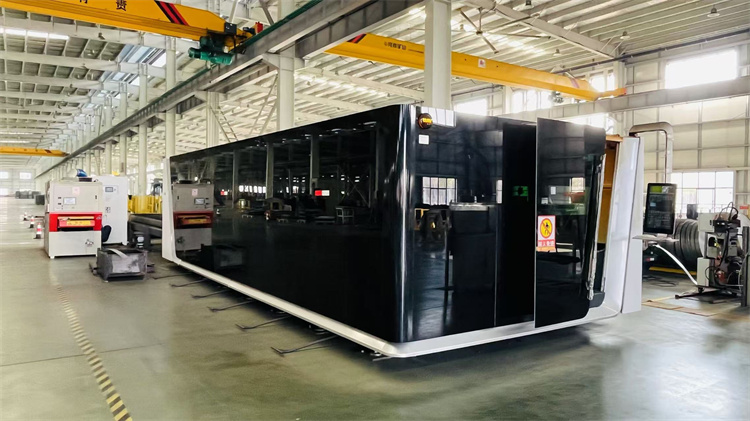
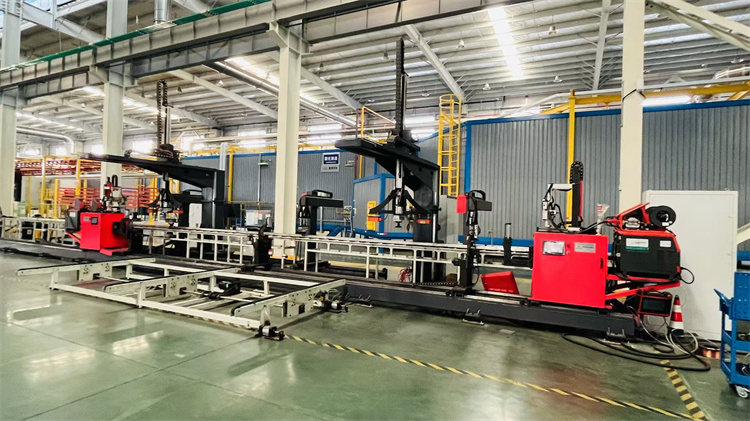
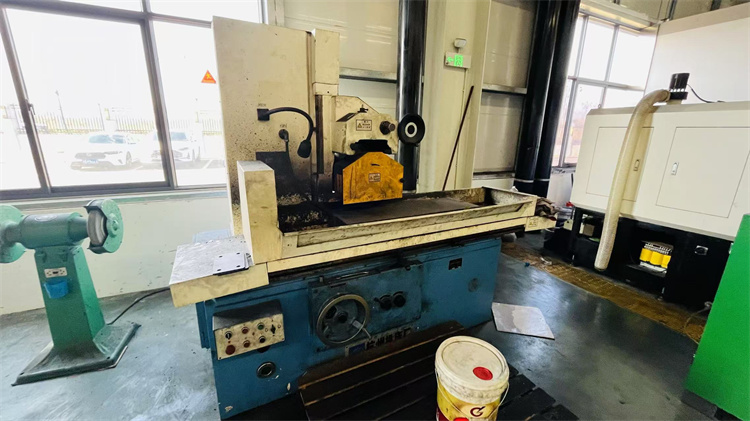
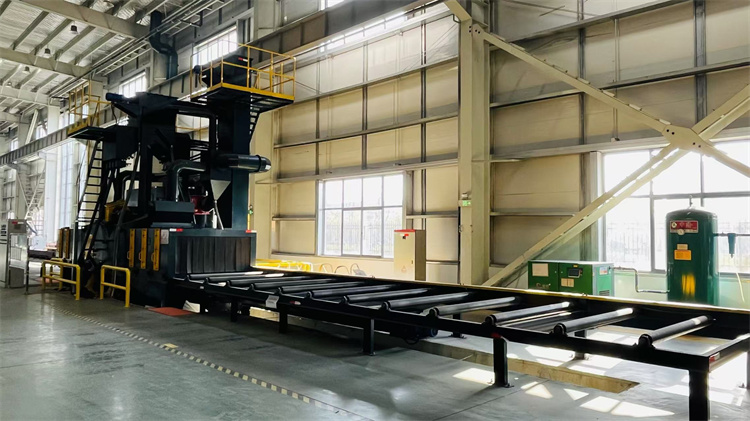
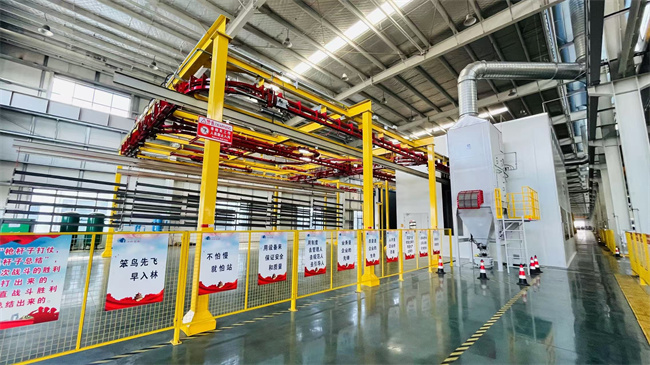
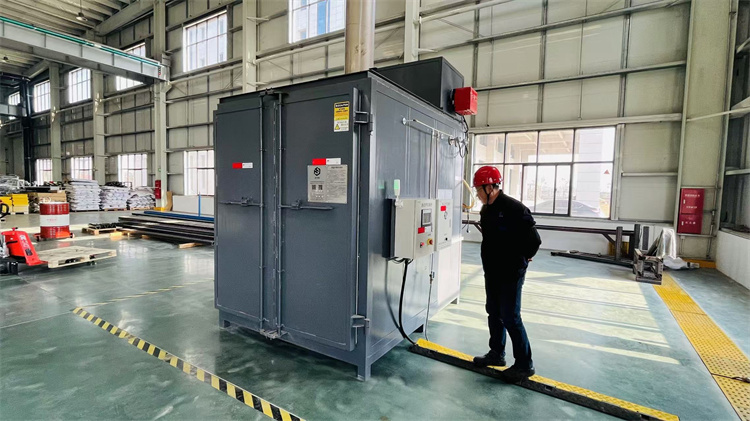
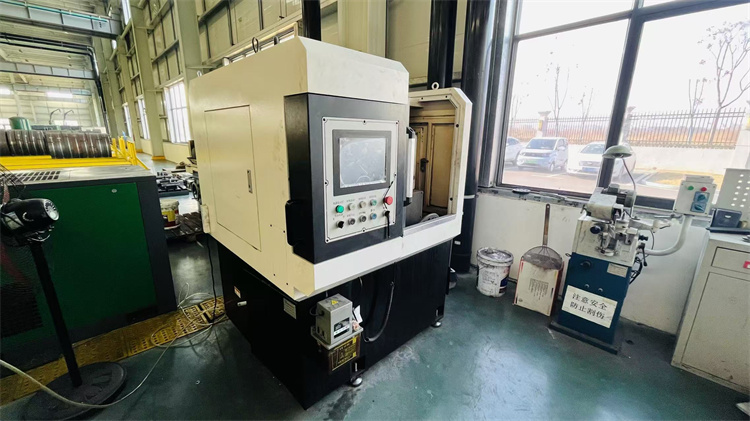
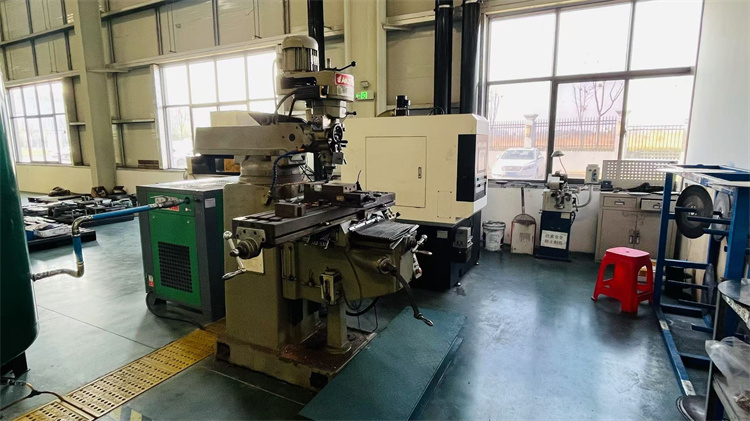
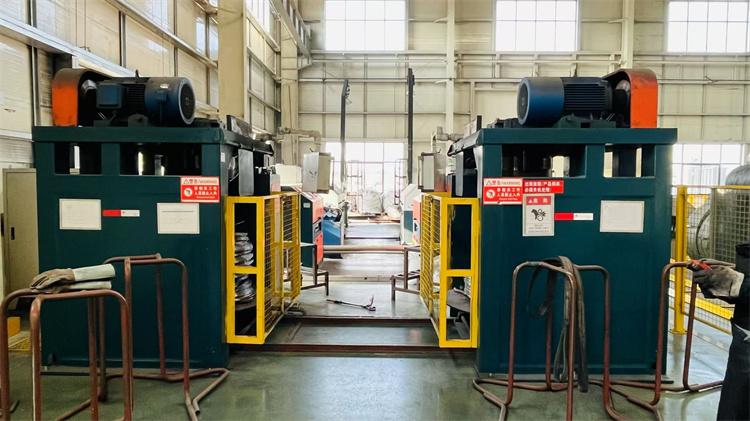
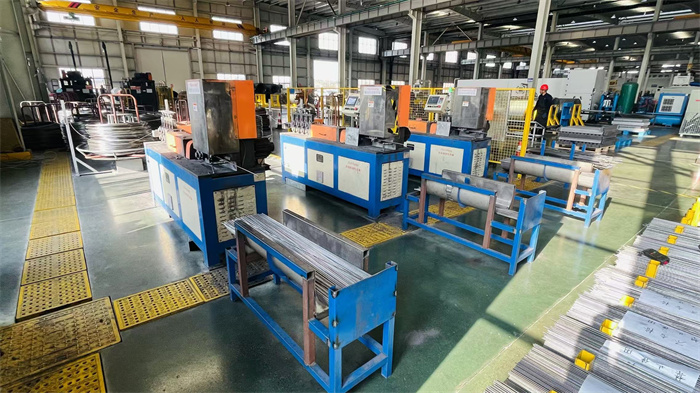
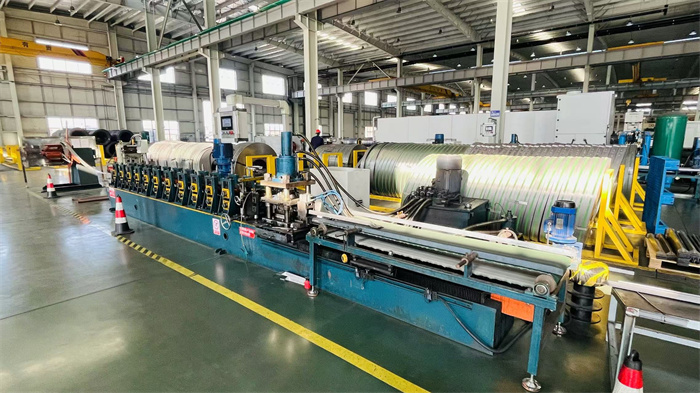
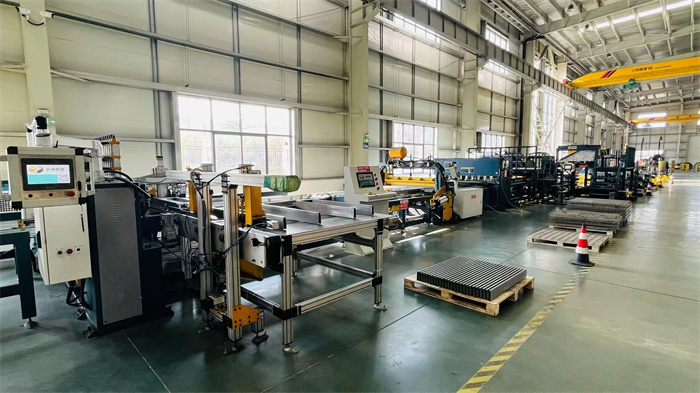
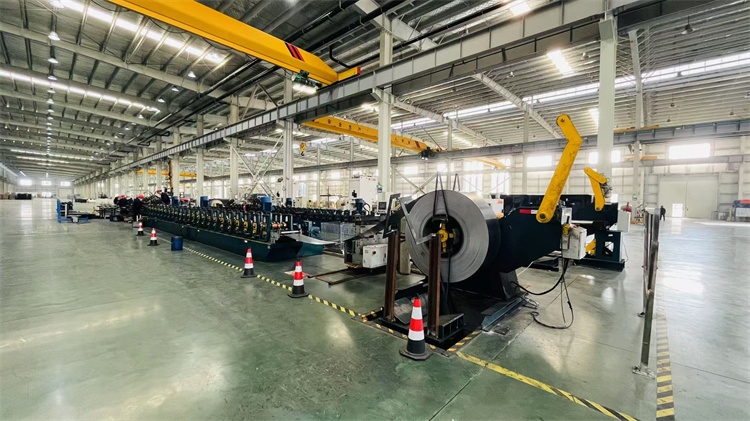
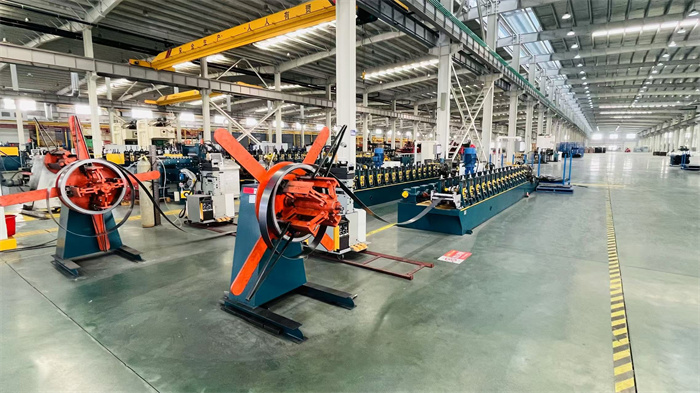
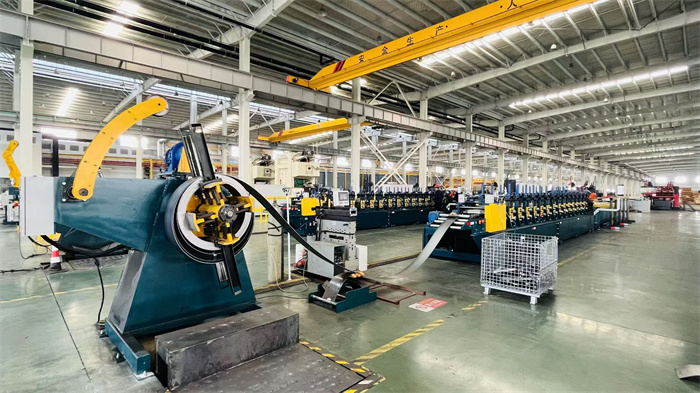
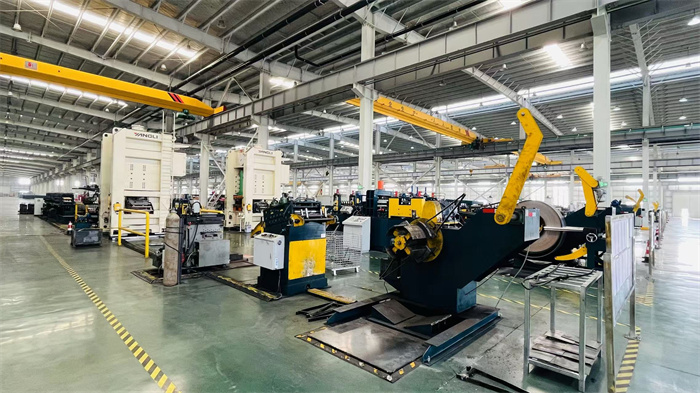
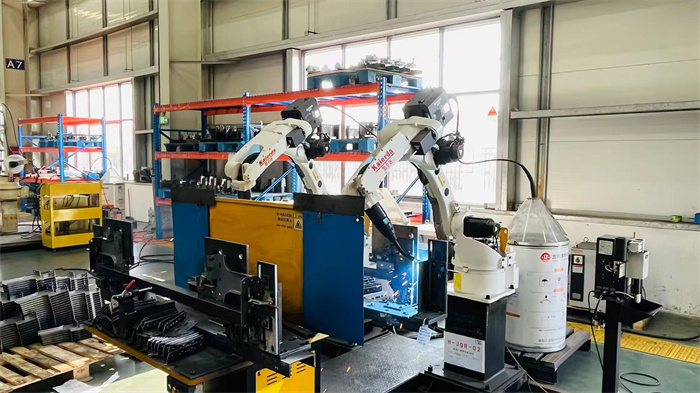
Jracking (Guangdong) Storage Co., Ltd. is a professional manufacturer specializing in warehouse racking systems and industrial storage solutions in China. Since its establishment in 2016, the company has been dedicated to designing, manufacturing, and supplying high-quality storage equipment for global customers across various industries.
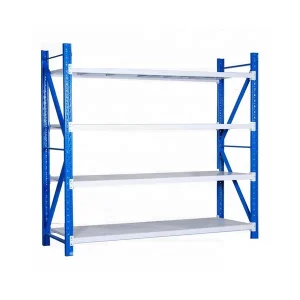
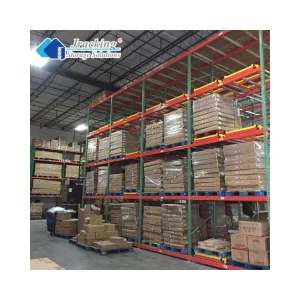
With a modern manufacturing facility covering 28,600 m², Jracking integrates advanced production equipment, strict quality management systems, and experienced engineering teams to ensure reliable product performance and consistent manufacturing standards. The company offers a comprehensive range of storage products including selective pallet racks, drive-in racking, cantilever racks, mezzanine systems, longspan shelving, steel platforms, and customized warehouse storage solutions.
Backed by over 8 years of export experience and 12 years of industry expertise, Jracking has successfully served customers in North America, Europe, Southeast Asia, Australia, and the Middle East. The company's annual export revenue exceeds USD 18 million, reflecting its strong competitiveness in the international storage equipment market.
Quality remains the core of Jracking's manufacturing philosophy. Every production process is strictly monitored through ISO-compliant quality control procedures, while products undergo load capacity testing, dimensional inspection, welding inspection, coating thickness testing, and final assembly inspection before shipment. The company employs 48 professional quality inspectors to maintain stable product quality and customer satisfaction.
As an OEM & ODM manufacturer, Jracking collaborates with more than 1,150 supply chain partners, enabling efficient sourcing, flexible production scheduling, and fast delivery for global projects. Its primary customers include warehouse equipment distributors, importers, wholesalers, logistics companies, e-commerce fulfillment centers, and industrial project contractors.
Innovation is driven by a dedicated R&D team consisting of 85 experienced engineers, who continuously develop new storage solutions to meet evolving market demands. The company supports customized design, size, color, loading capacity, surface treatment, and warehouse layout solutions according to customer requirements. In the past year alone, Jracking successfully introduced 156 new products to the global market.
Important considerations for warehouse planners, engineering leads, and supply chain managers.
Seismic safety is addressed during the engineering stage using specialized dynamic analysis software. We design our rack frames to comply with local seismic building codes, such as RMI MH16.1 in the US or AS4084 in Australia. This includes adjusting beam profile thicknesses, sizing baseplates for structural anchoring, and selecting high-ductility steel grades (like Q355B) that can absorb seismic energy without collapse.
Under standard industrial design codes (such as EN 15512 and RMI specifications), the maximum allowable deflection of a rack beam under full load is L/200 (where L is the span length of the beam). For automated AS/RS applications, these requirements are much stricter (often L/300 or L/400) to ensure automated cranes and shuttles can align precisely with the storage slots.
Hot-dip galvanizing coats the steel in a layer of zinc, protecting it from rust in humid and cold conditions. While high-quality powder coating works well in standard dry cold storage, hot-dip galvanizing is recommended for washdown areas, high-condensation locations, and outdoor applications because it provides self-healing protection against scratches.
We supply full documentation packages, including Mill Test Reports (MTRs) for raw steel quality, CE certificates, load capacity testing records, surface finish coating inspections, and detailed assembly drawings for onsite installation.
Explore our structural rack systems, heavy industrial platforms, and automated radio shuttle systems designed for high-density storage operations.
 Jracking