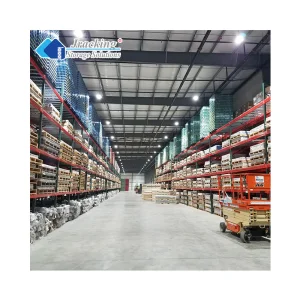
Explore our industrial-grade warehouse systems engineered for heavy-duty distribution requirements globally.
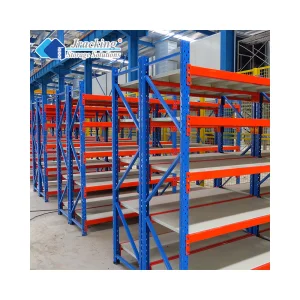
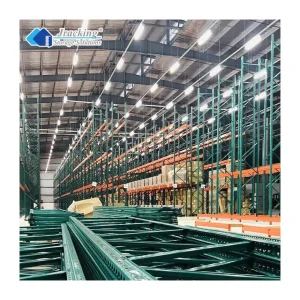
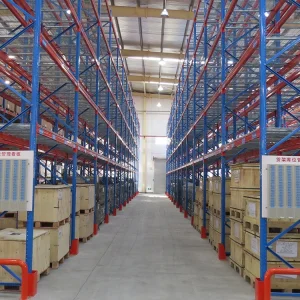
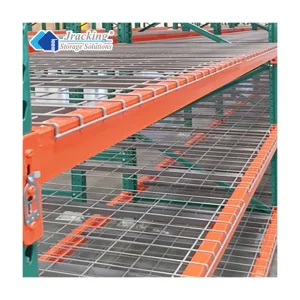
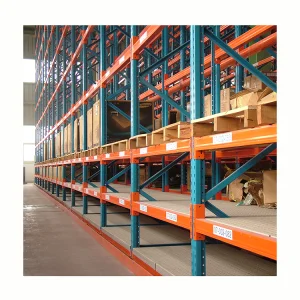
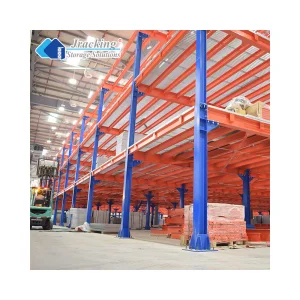
Jracking (Guangdong) Storage Co., Ltd. stands at the forefront of warehouse space optimization as a premier global developer and manufacturer of industrial racking structures. Since launching our manufacturing base in 2016, we have committed ourselves to translating complex warehousing problems into highly functional steel storage environments. Backed by 12 years of industry experience and 8 years of international export execution, we engineer tailored configurations ranging from selective racks and structural platforms to high-performance gravity flow networks.
Operating a modernized 28,600 m² factory, Jracking leverages state-of-the-art roll-forming machinery, automated robotic welding, and high-performance powder coating lines to output structural designs that meet and exceed stringent international specifications. Over the years, our collaborative mindset has allowed us to support over 1,150 supply chain partners worldwide—ranging from distribution agents and material handling system integrators to massive multi-national third-party logistics (3PL) organizations. Our customer base spans key markets in North America, Europe, Australia, the Middle East, and Southeast Asia.
Gravity racks (pallet flow systems) rely on sophisticated mathematical principles and precise engineering. Explore the essential components of our flow mechanics.
Utilizes a slightly pitched wheel or roller track (typically a 3% to 4% slope) allowing pallets deposited at the charge end to travel smoothly under controlled gravity to the discharge end, ensuring First-In, First-Out warehouse operations.
Integrated centrifugal braking rollers absorb excessive acceleration kinetic energy. Speed controllers engage automatically to keep the forward movement velocity within a safe, constant speed range, preventing product impact damage.
Reinforced structural pallet guides are positioned at the loading face. They assist forklift operators during entry placement, reducing misalignment errors while shielding racking columns and components from direct impact forces.
By segregating the lead pallet from preceding pallets at the discharge end, we relieve line pressure from back-loading, allowing operators to easily extract pallets without friction lock or dangerous vertical resistance.
Roller spacing is optimized relative to the length and construction of the wooden, plastic, or metal pallet bases. A minimum of three rollers must contact the pallet runner at any given point to guarantee fluid transit stability.
Every gravity roller mechanism utilized in low-temperature distribution facilities is outfitted with specialty low-viscosity synthetic grease and stainless steel bearings to prevent seizing under extreme sub-zero configurations.
Take an inside look at our Guangdong production site. We utilize automated rolling lines, CNC curve gear grinding, and precise robotic welding to achieve absolute batch stability.
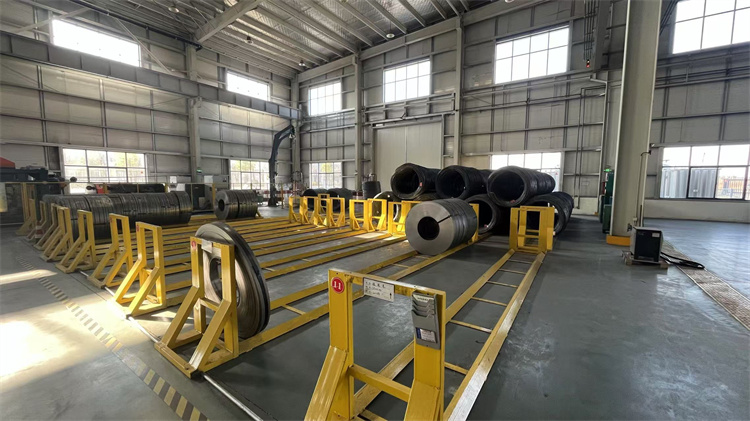
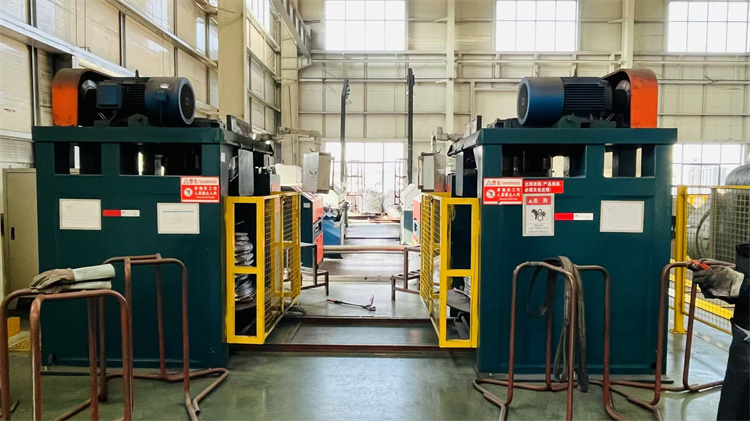
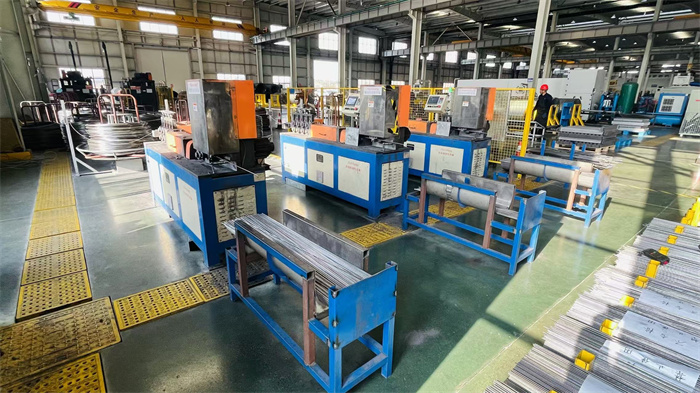
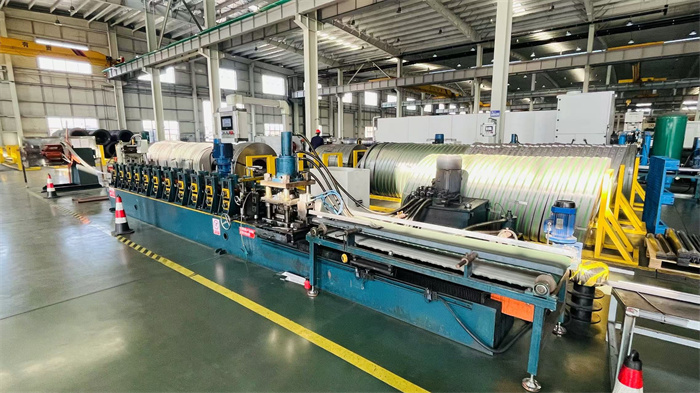
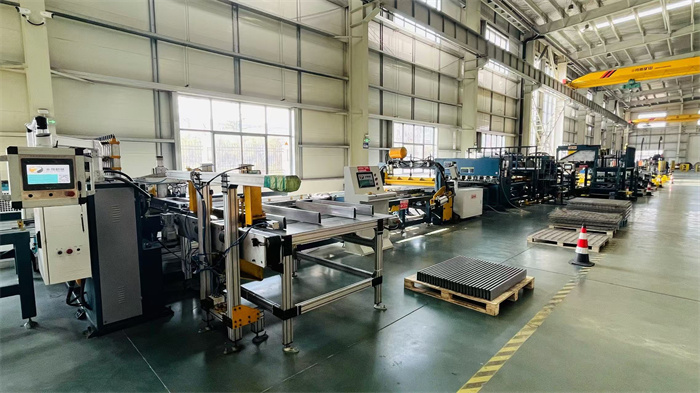
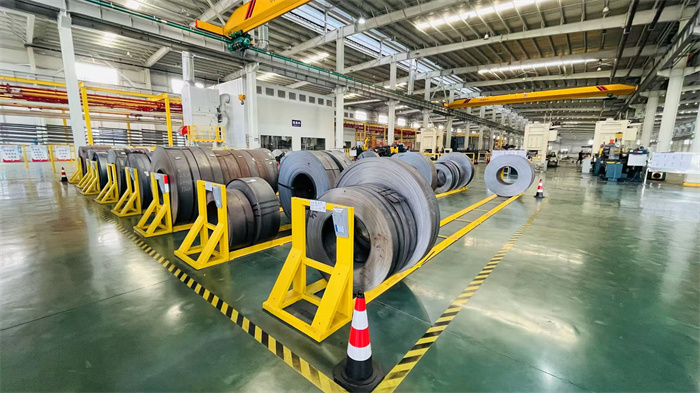
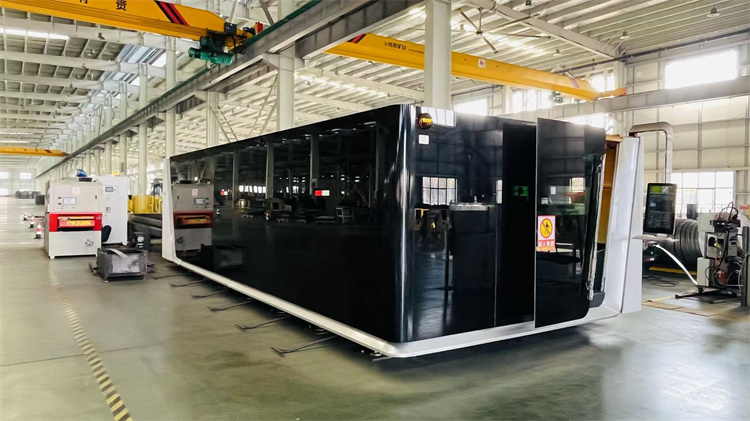
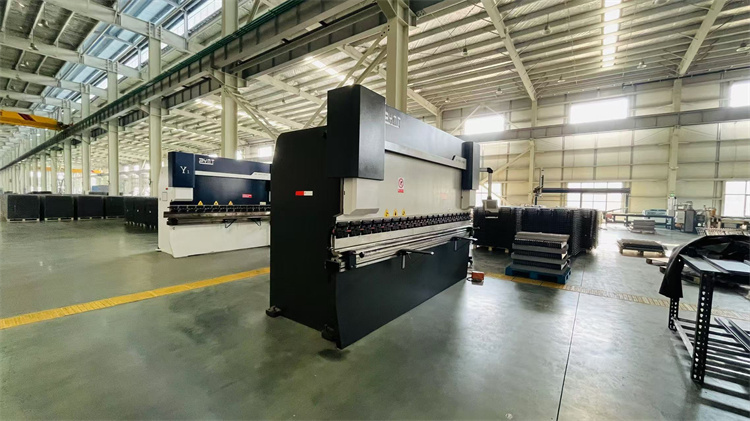
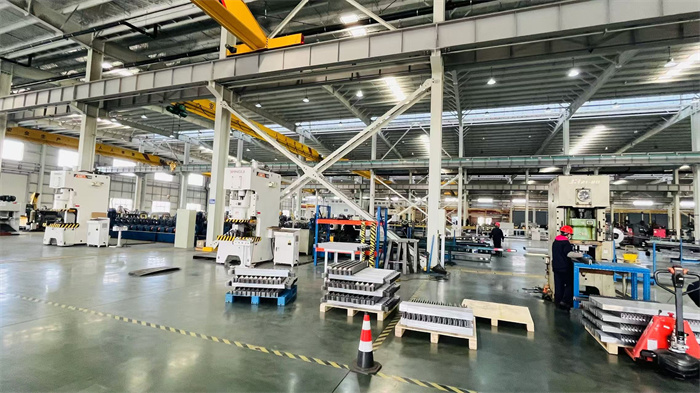
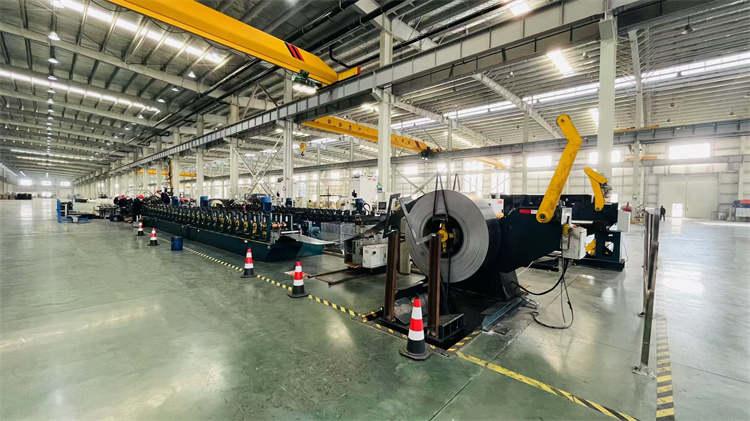
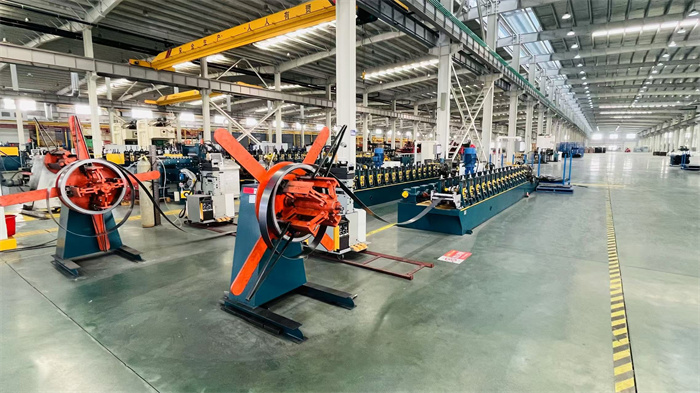
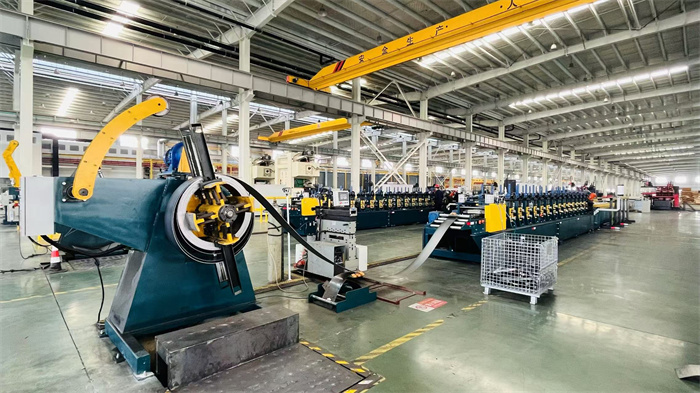
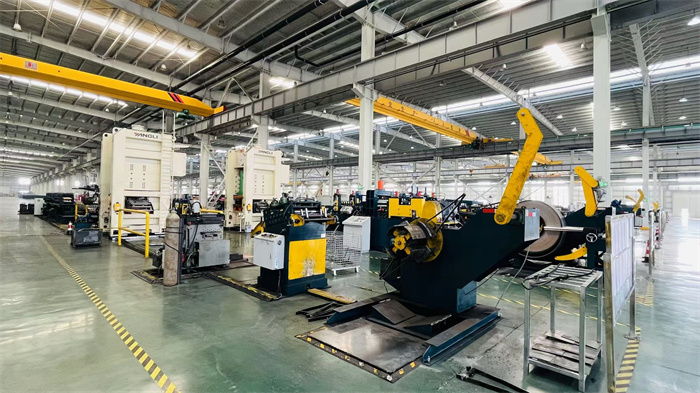
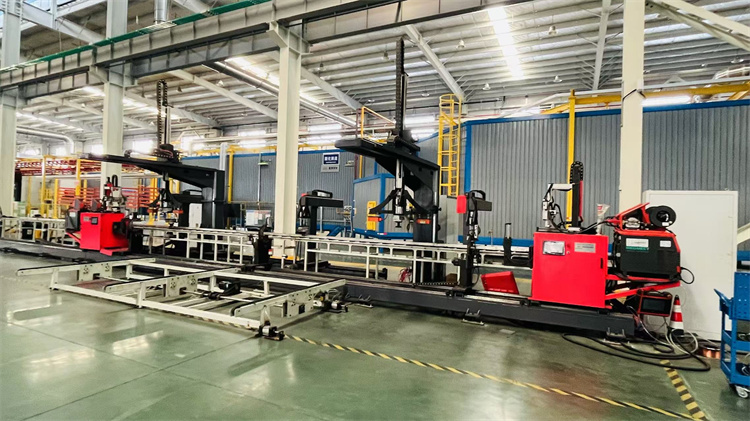
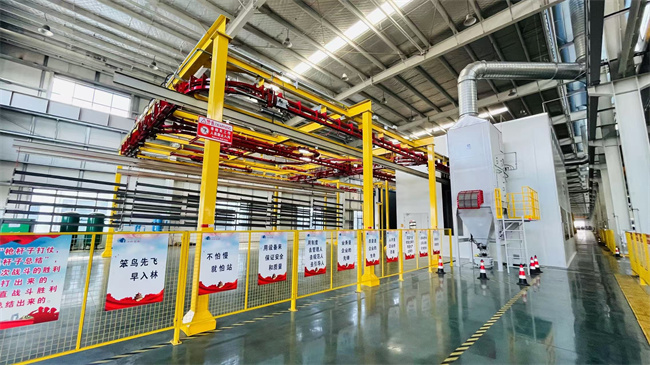
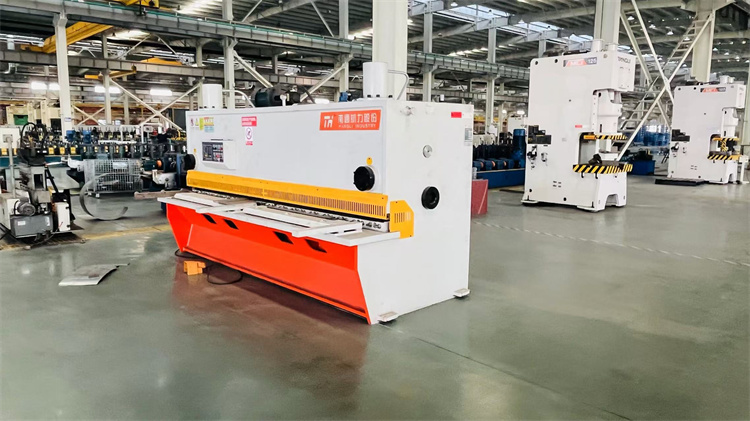
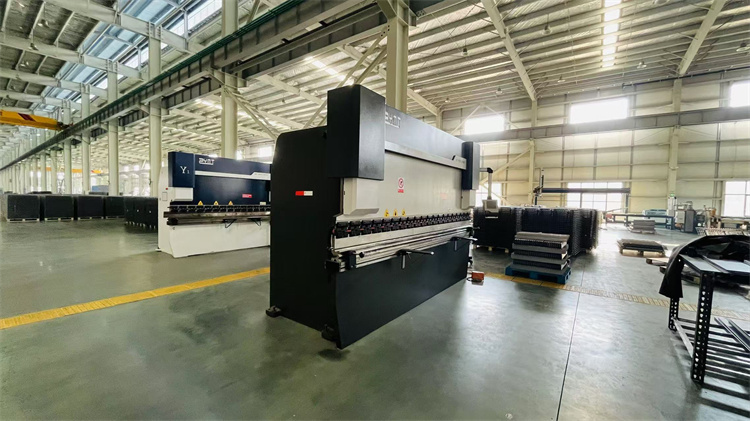
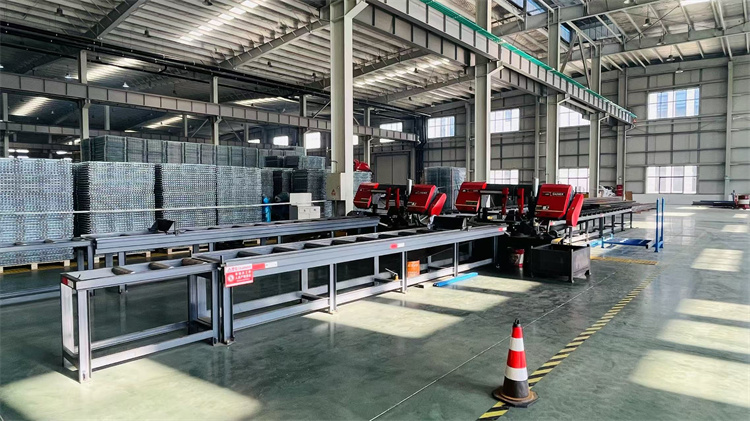
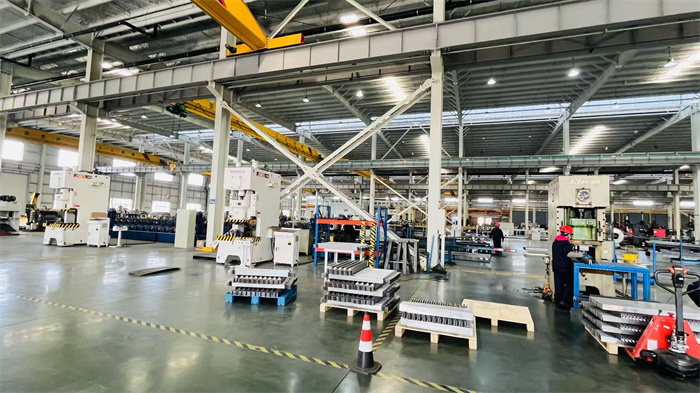
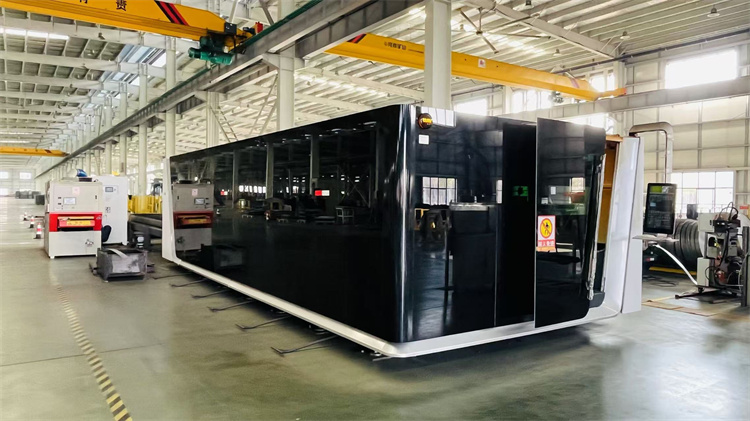
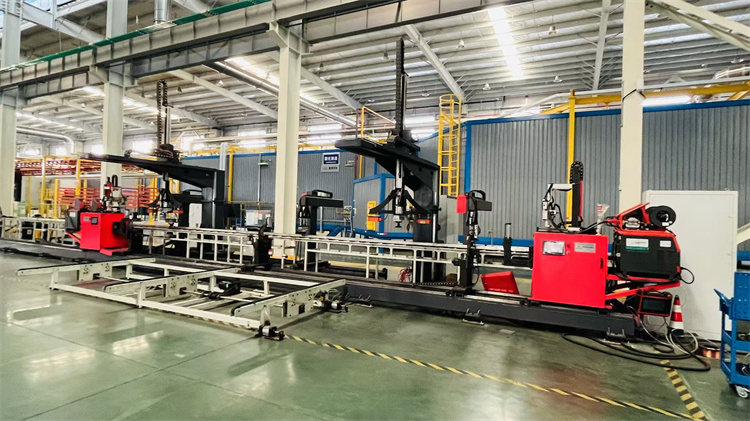
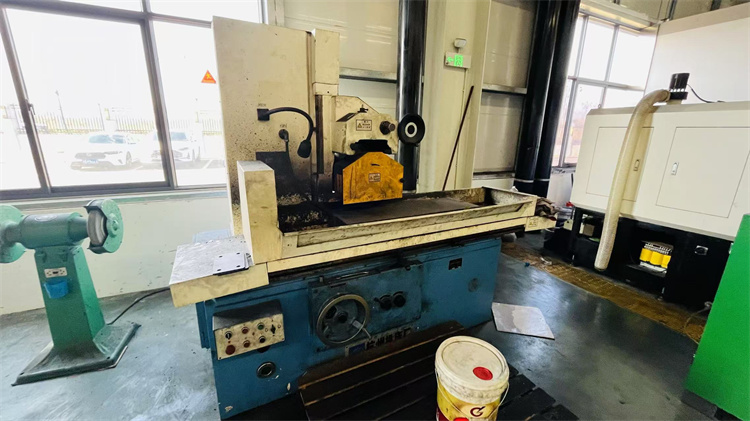
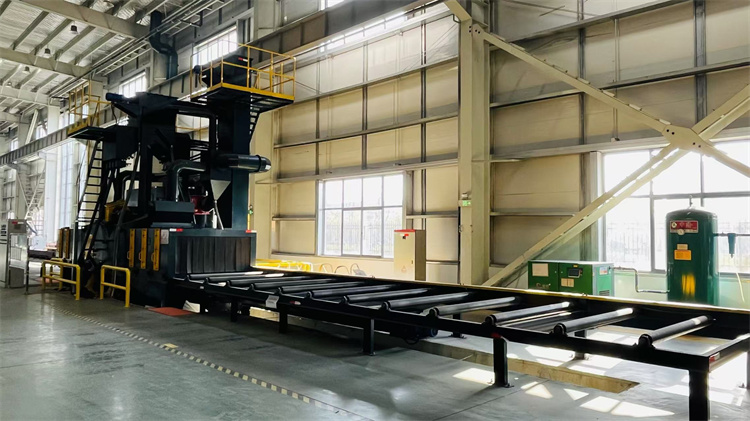
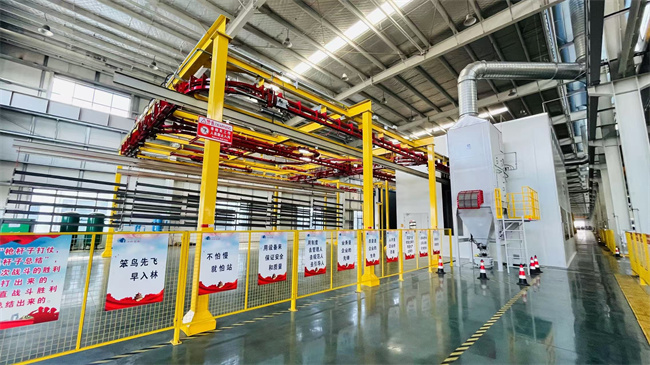
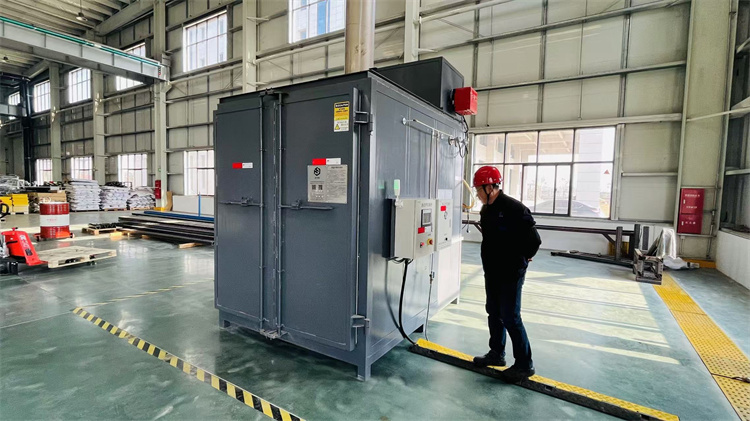
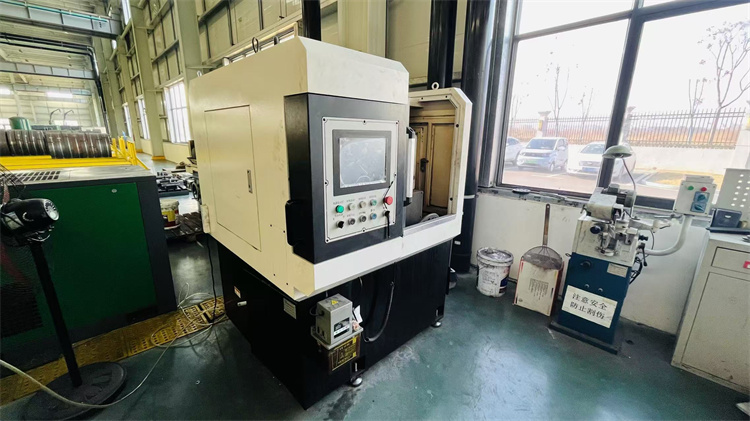
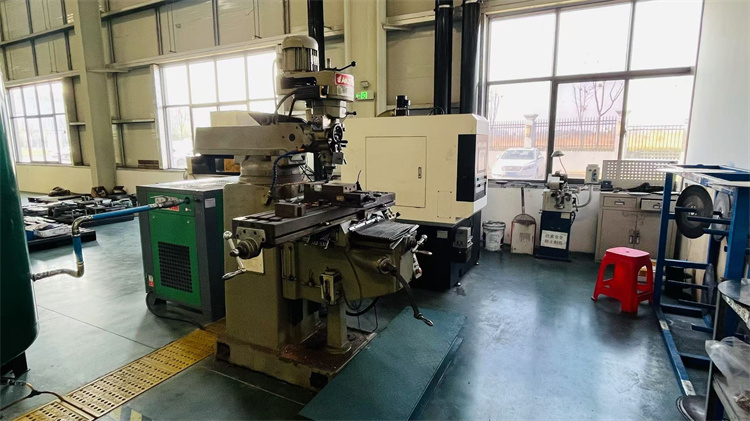
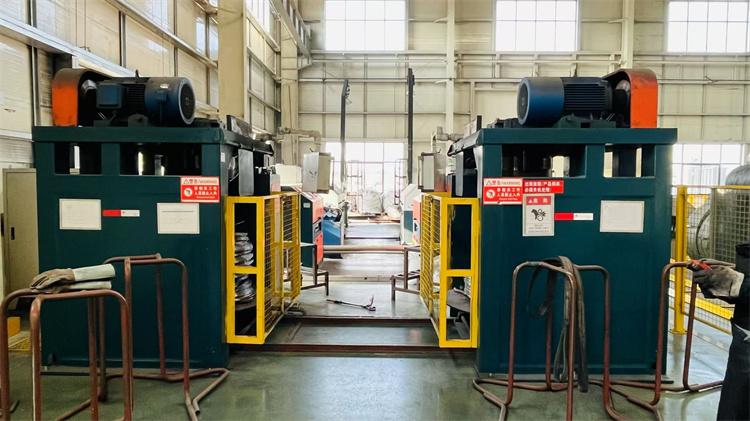
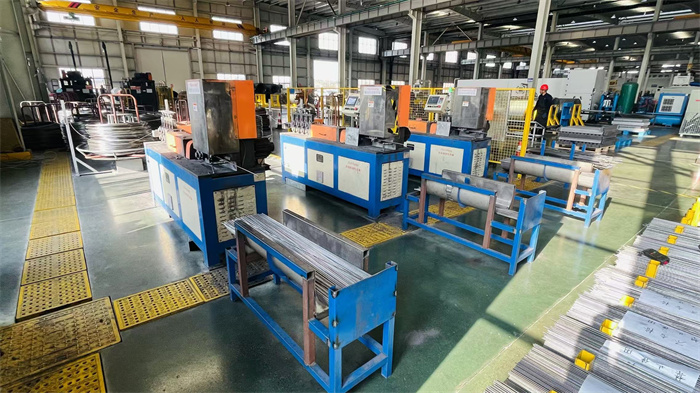
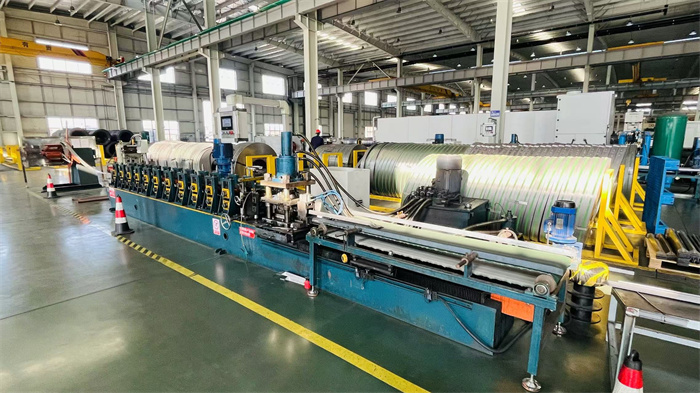
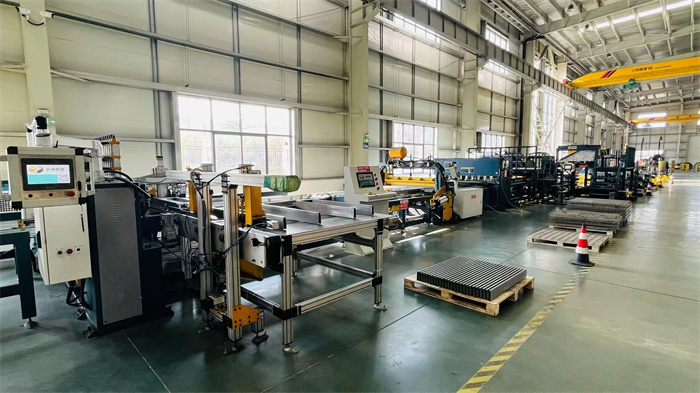
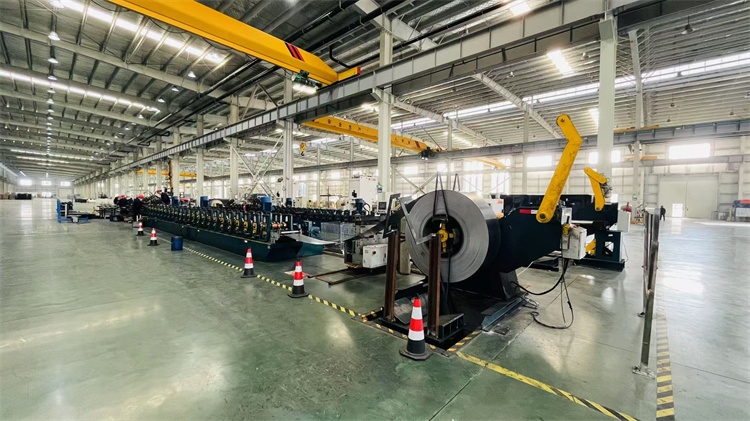
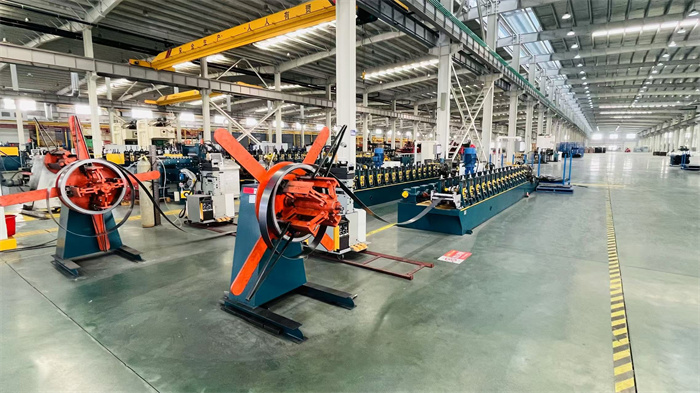
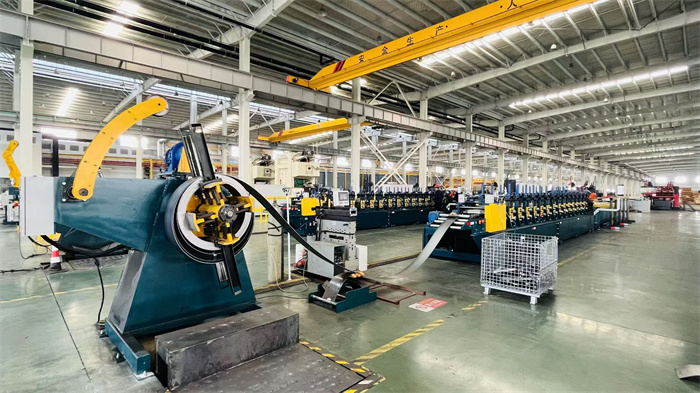
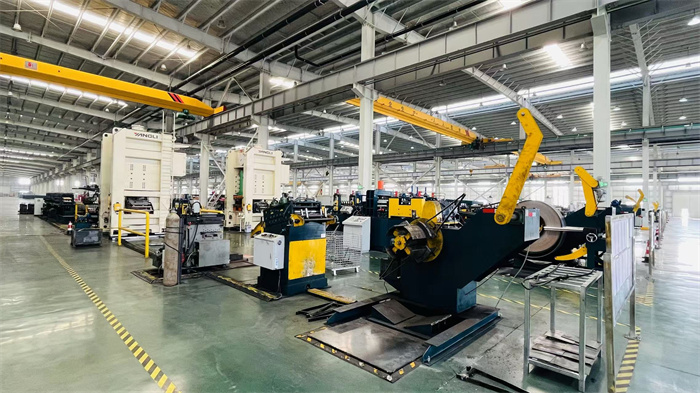
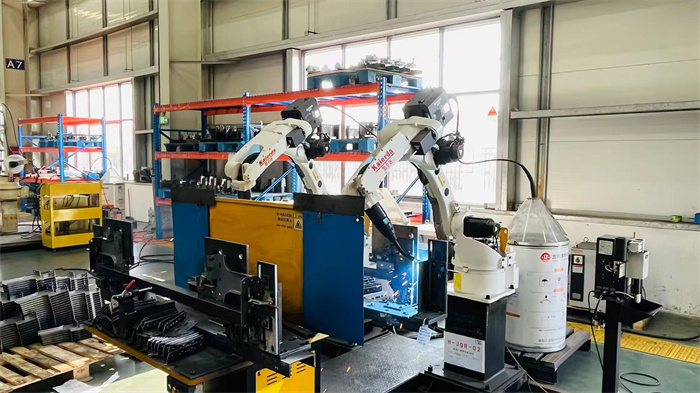
Sourcing gravity flow racking structures requires balancing absolute trust in structural engineering with global cost-effectiveness. In the steel fabrication space, Chinese manufacturers—specifically those clustered within the industrial hubs of Guangdong—possess deep raw material access and industrial scale advantages. By leveraging direct channels to major domestic steel mills, we procure premium Q235B and Q355B structural steel at stable pricing curves, mitigating global supply chain fluctuations.
Our internal ecosystem integrates every phase of production. We handle raw drawing, roll-forming, customized punching, welding, and surface treatment in-house. This centralized pipeline eliminates intermediary transport delays and prevents out-of-spec batches. Additionally, by partnering with over 1,150 suppliers and sub-component fabricators, we can rapidly scale up production for complex projects without extending standard lead times. For foreign distribution agencies and project managers, this translates to predictable timelines and significant logistics cost reductions.
Warehouse safety is paramount. Storage racks must satisfy distinct regional regulatory frameworks and withstand complex environmental forces. Jracking structures are engineered from the ground up to comply with internationally recognized design codes:
Our engineering division uses finite element analysis (FEA) software to simulate local seismic events, dynamic load configurations, and wind loads for external structures. This ensures that every layout is optimized to protect onsite personnel and prevent structural failures during high-demand operation cycles.
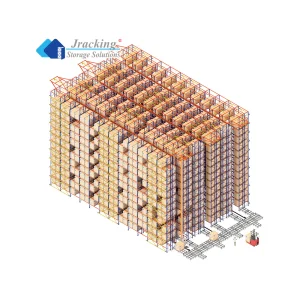
As modern warehousing shifts toward dark distribution hubs and fully automated workflows, gravity racking systems are adapting to support advanced robotic interfaces. High-density flow lanes serve as highly efficient buffer zones that link production facilities directly with dispatch staging regions. In modern smart warehouses, gravity lanes are commonly integrated with Automated Guided Vehicles (AGVs) and AS/RS crane extractors.
By pairing gravity-fed flow tracks with automated picking machinery, operators eliminate the need for manual forklift travel within deep-storage lanes. We design our rack interfaces to meet strict horizontal alignment tolerances, facilitating reliable robotic retrieval. Photoelectric sensors, safety gates, and optical monitoring equipment can be integrated directly onto the racking framework, providing real-time data on lane capacity and product flow velocity directly to Warehouse Management Systems (WMS).
Professional engineering insights for warehouse managers, logistics planners, and distribution agents.
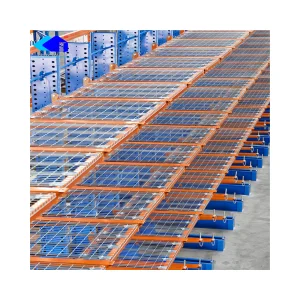
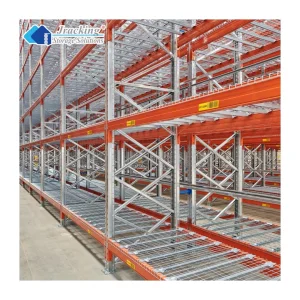
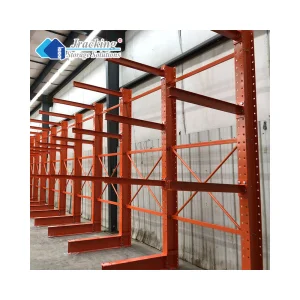
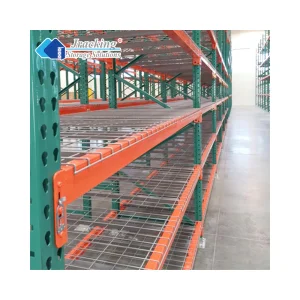
Explore our structural cantilever systems, wire decking, and custom warehouse racking profiles built for maximum durability.
 Jracking