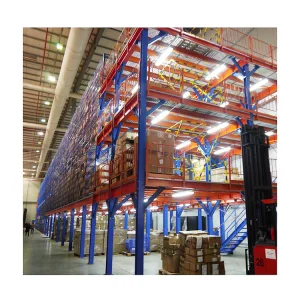
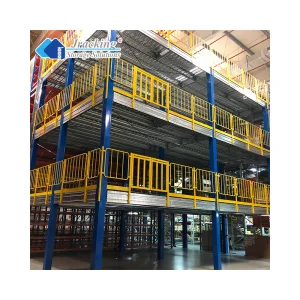
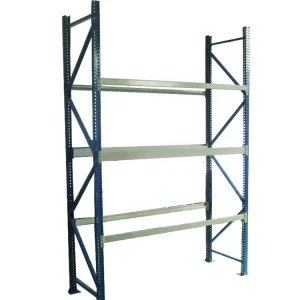
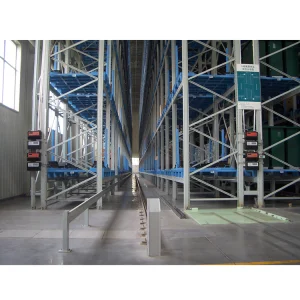
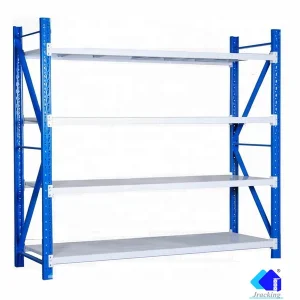
Engineered for maximum stability, variable height adjustment, and compliant safety coefficients under intense load demands.
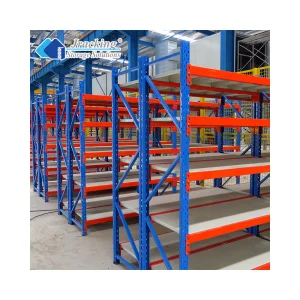
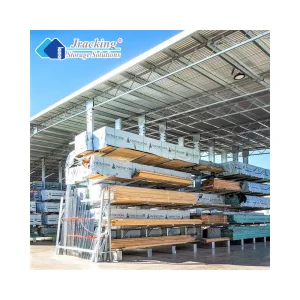
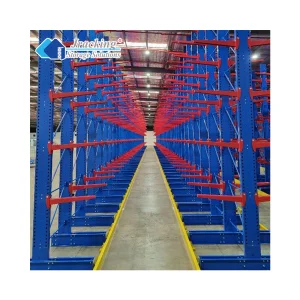
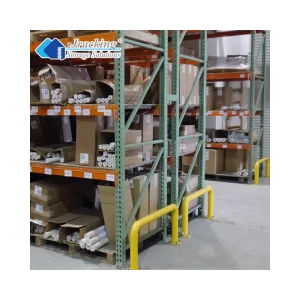
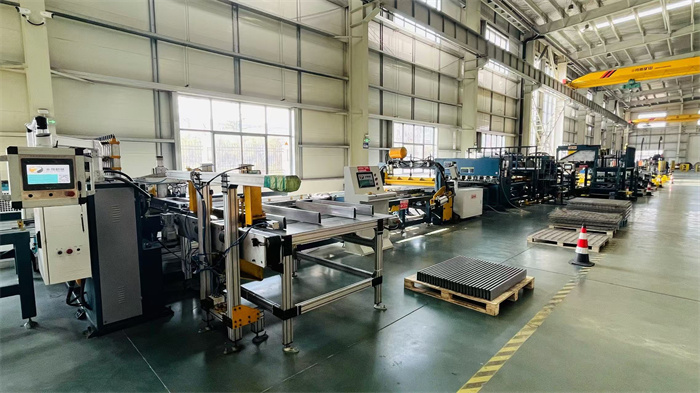
Jracking (Guangdong) Storage Co., Ltd. is a professional manufacturer specializing in warehouse racking systems and industrial storage solutions in China. Since its establishment in 2016, the company has been dedicated to designing, manufacturing, and supplying high-quality storage equipment for global customers across various industries.
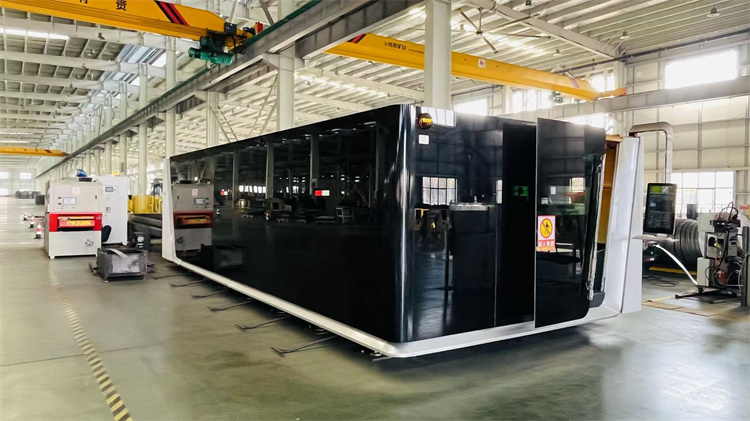
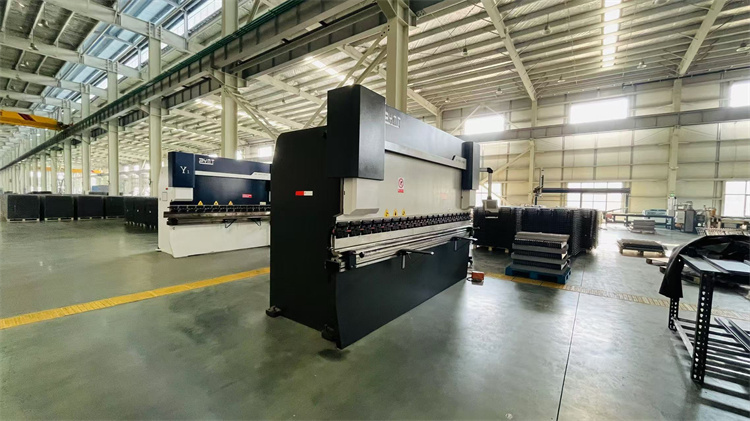
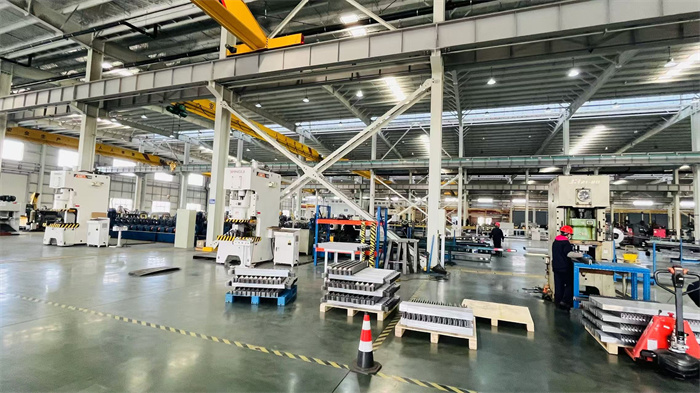
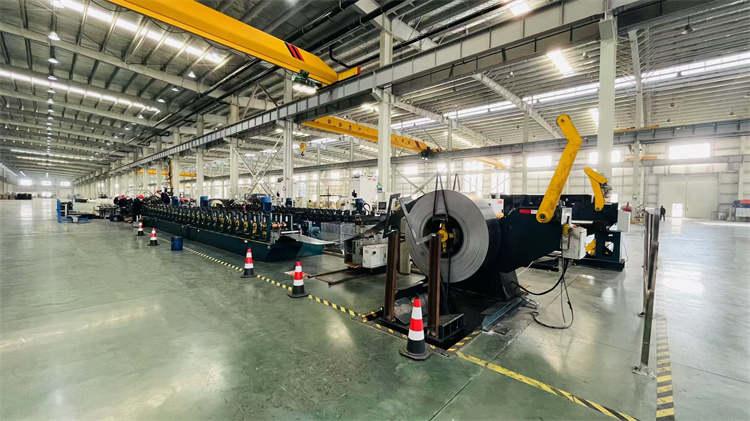
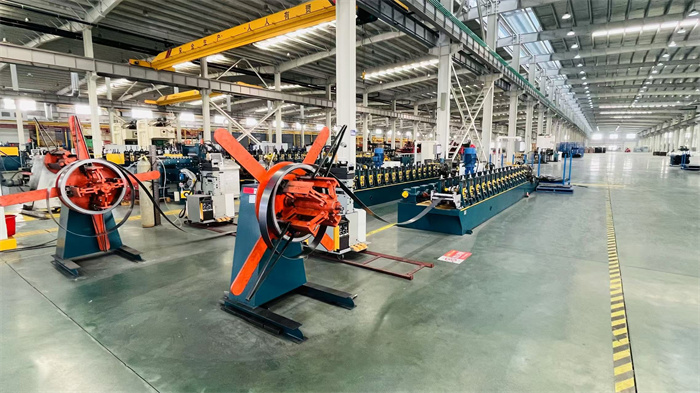
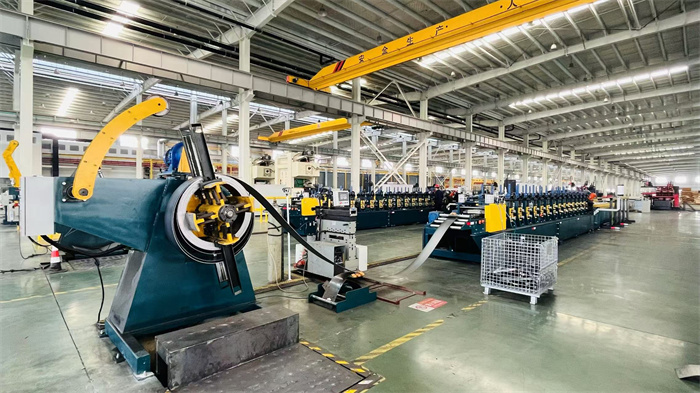
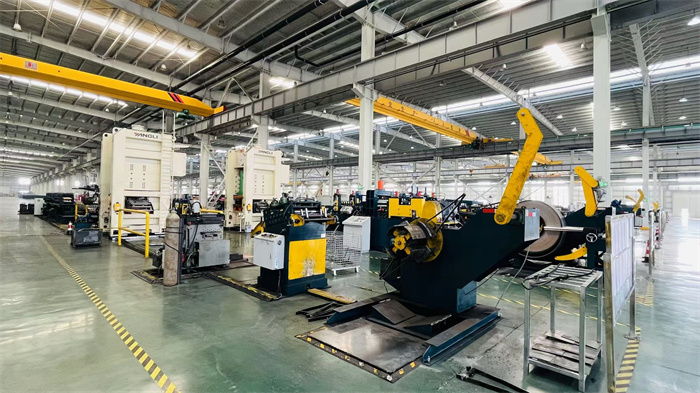
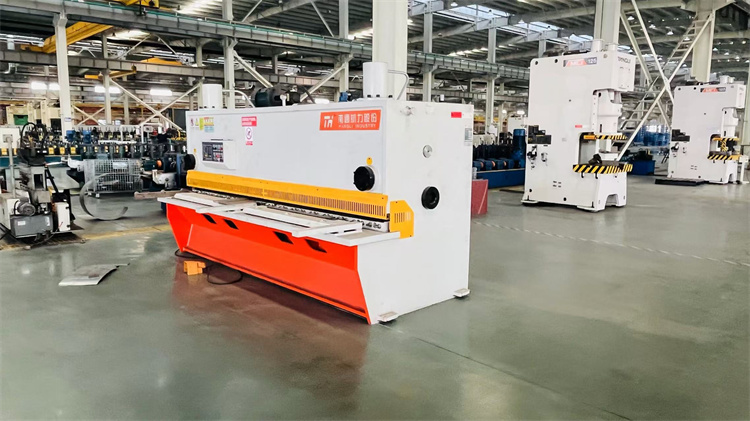
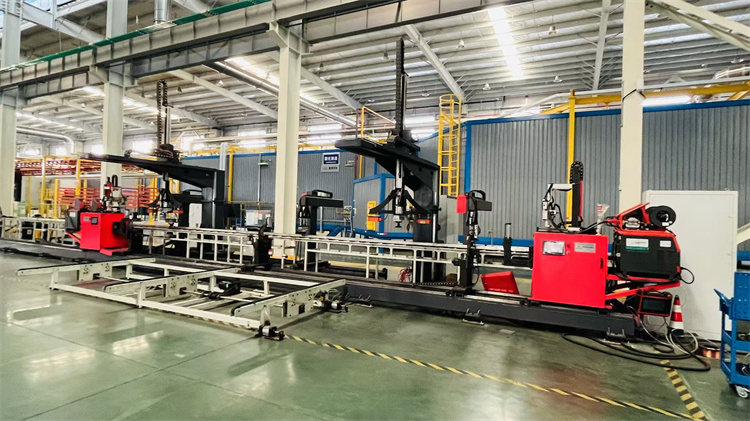
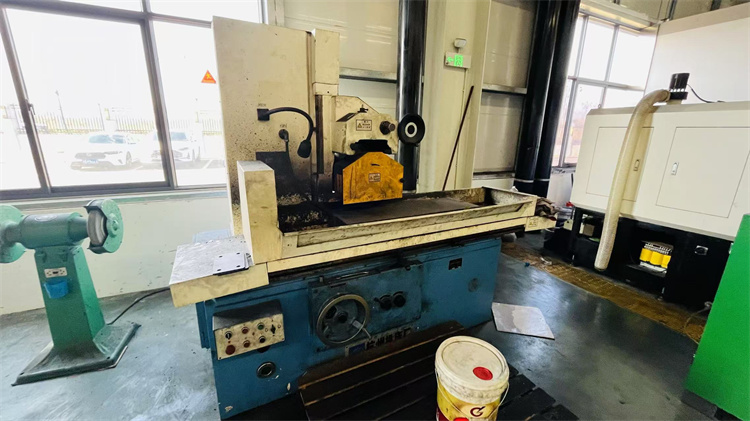
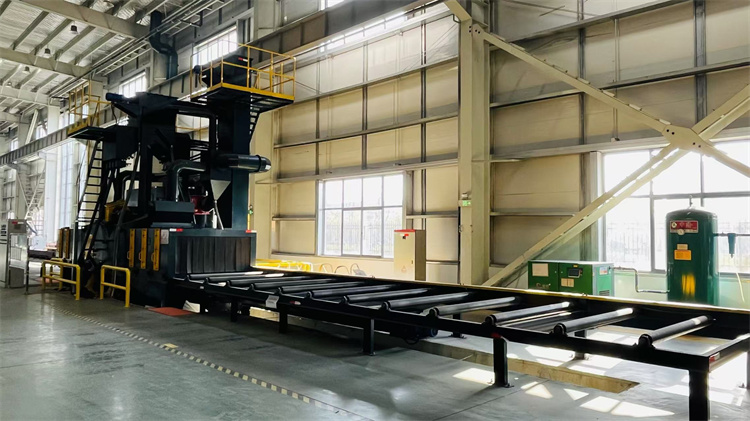
With a modern manufacturing facility covering 28,600 m², Jracking integrates advanced production equipment, strict quality management systems, and experienced engineering teams to ensure reliable product performance and consistent manufacturing standards. The company offers a comprehensive range of storage products including selective pallet racks, drive-in racking, cantilever racks, mezzanine systems, longspan shelving, steel platforms, and customized warehouse storage solutions.
Backed by over 8 years of export experience and 12 years of industry expertise, Jracking has successfully served customers in North America, Europe, Southeast Asia, Australia, and the Middle East. The company's annual export revenue exceeds USD 18 million, reflecting its strong competitiveness in the international storage equipment market.
Quality remains the core of Jracking's manufacturing philosophy. Every production process is strictly monitored through ISO-compliant quality control procedures, while products undergo load capacity testing, dimensional inspection, welding inspection, coating thickness testing, and final assembly inspection before shipment. The company employs 48 professional quality inspectors to maintain stable product quality and customer satisfaction.
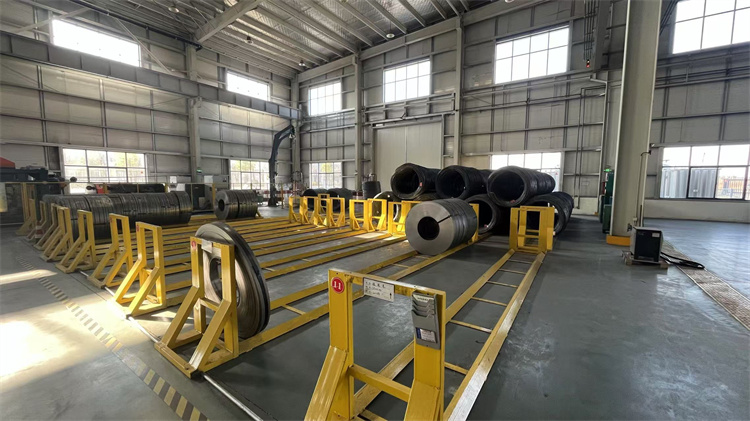
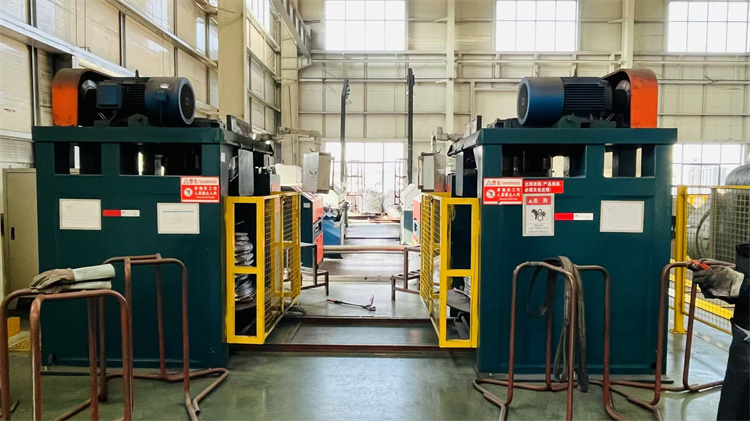
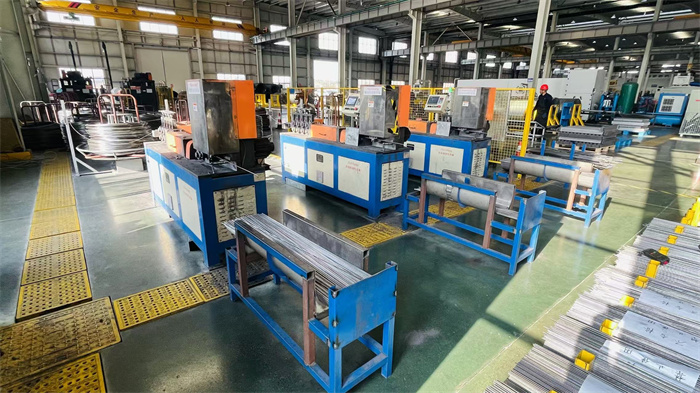
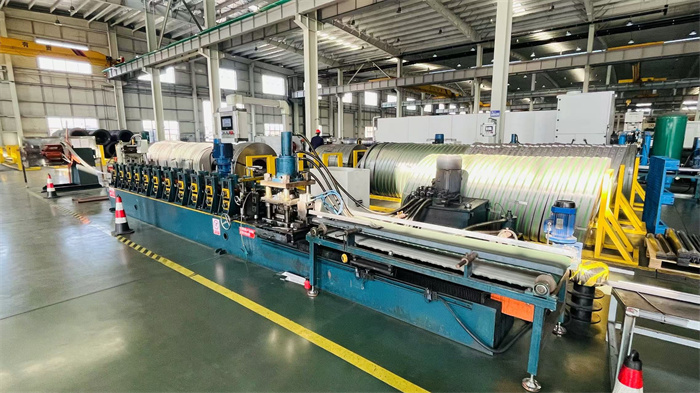
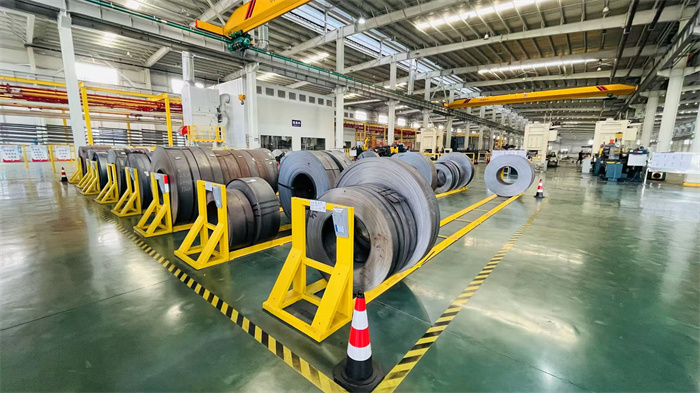
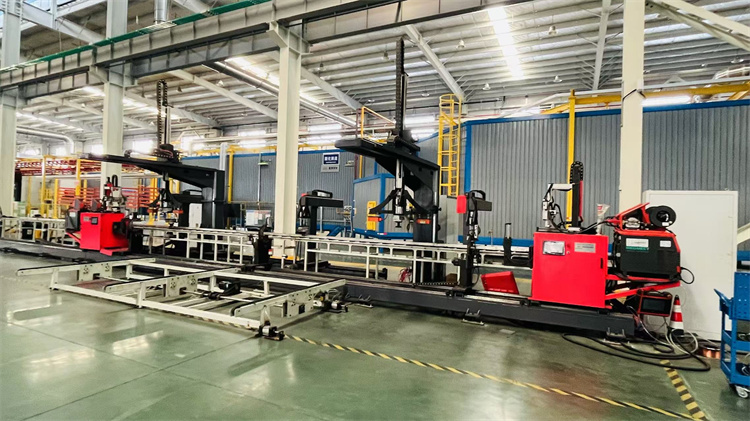
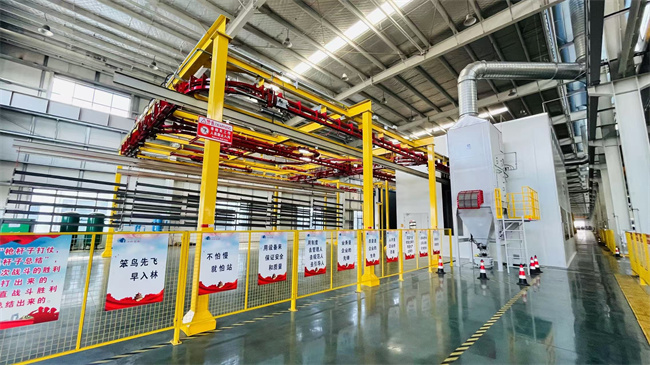
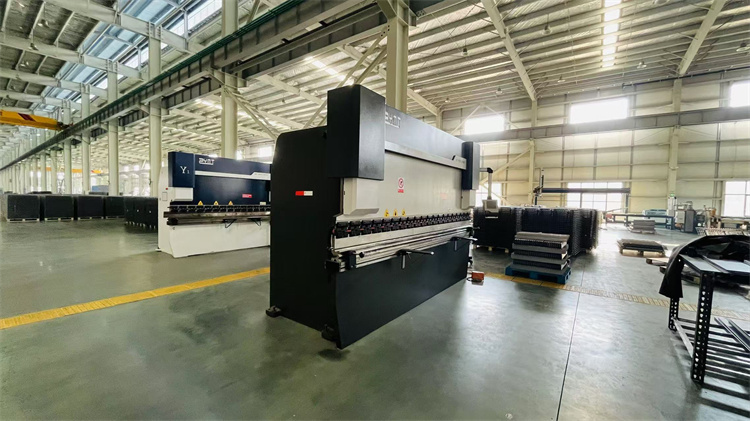
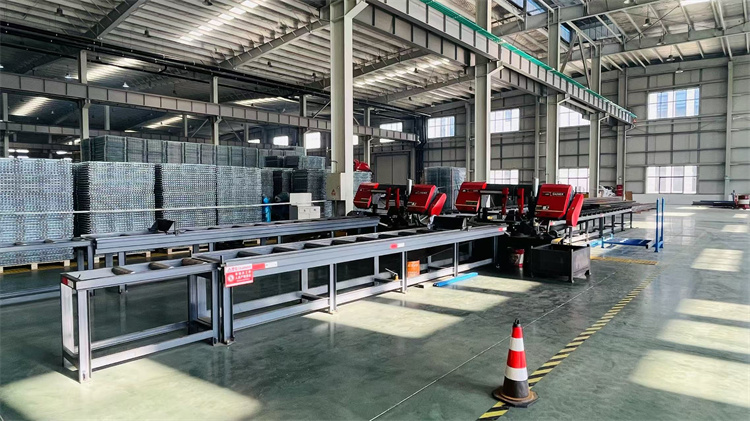
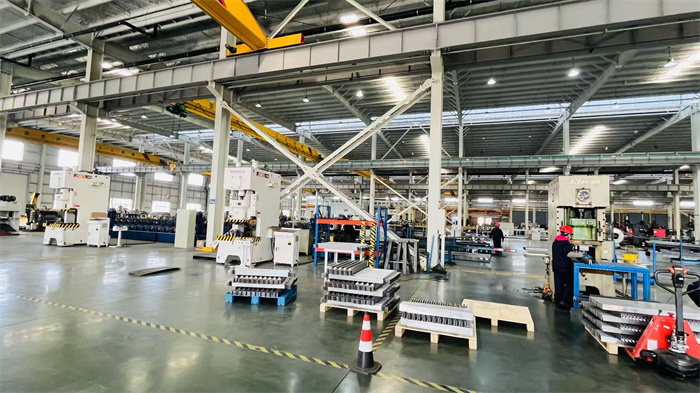
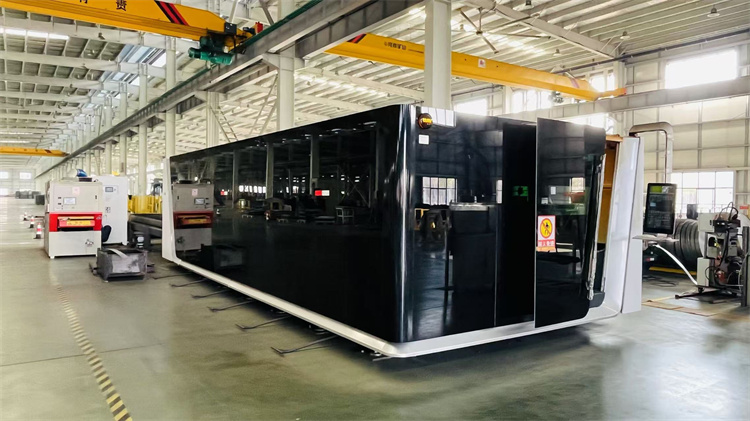
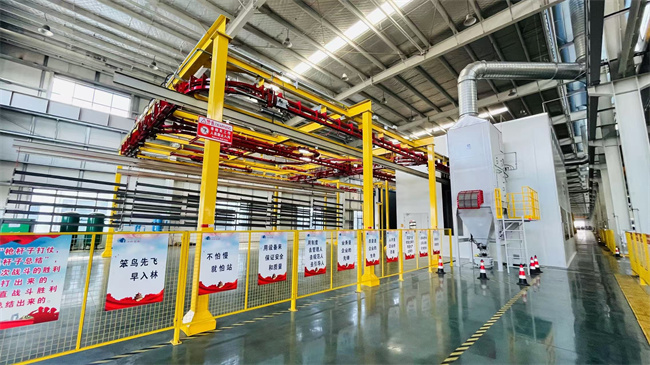
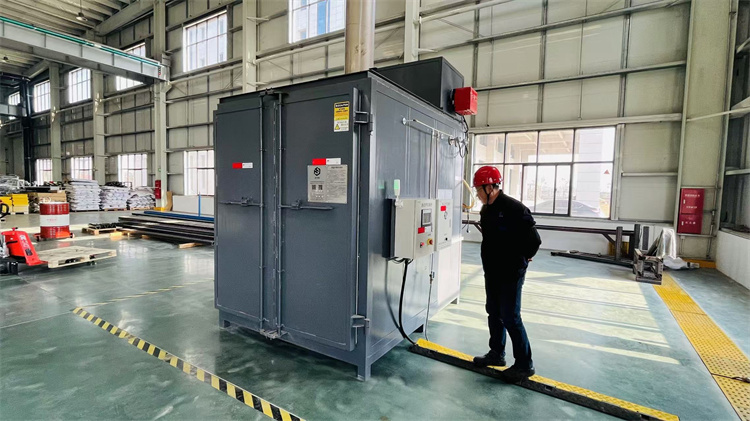
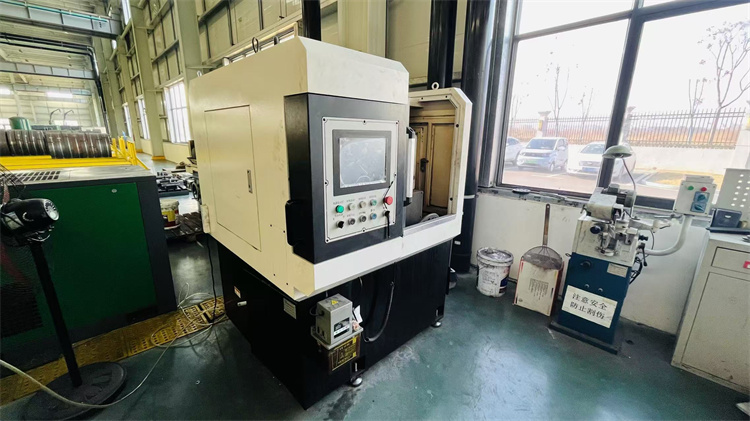
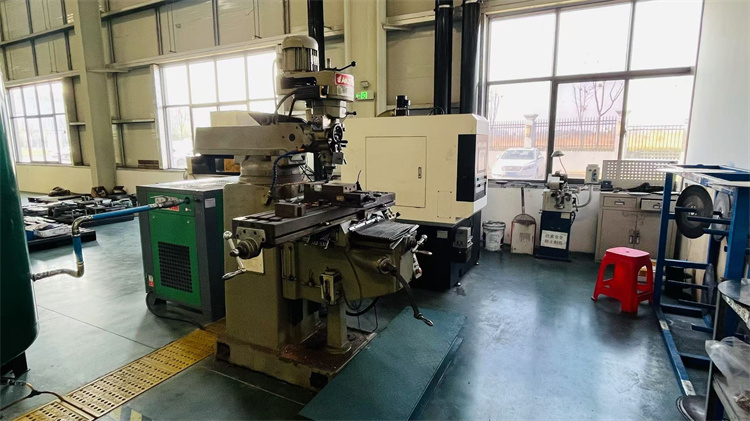
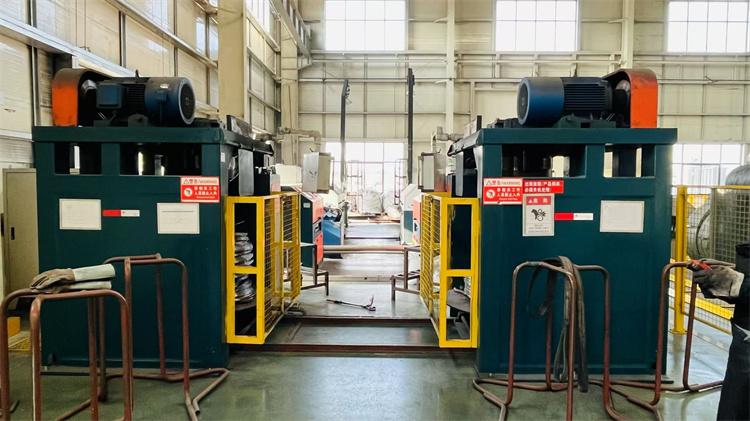
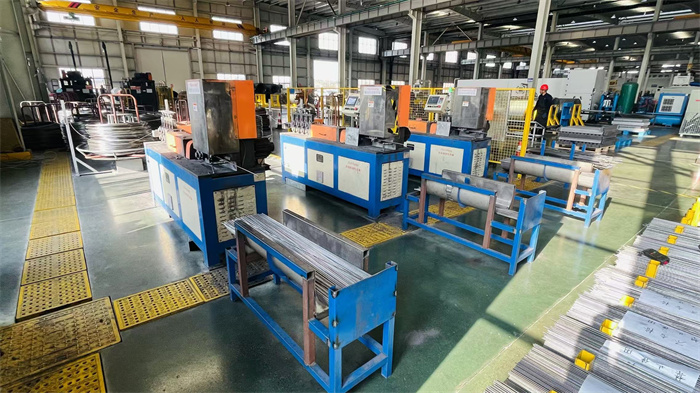
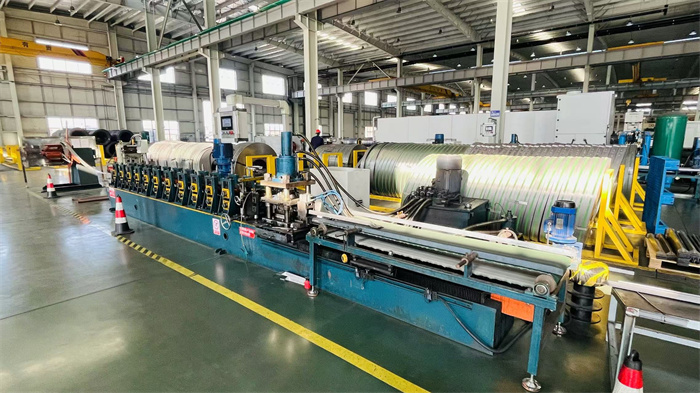
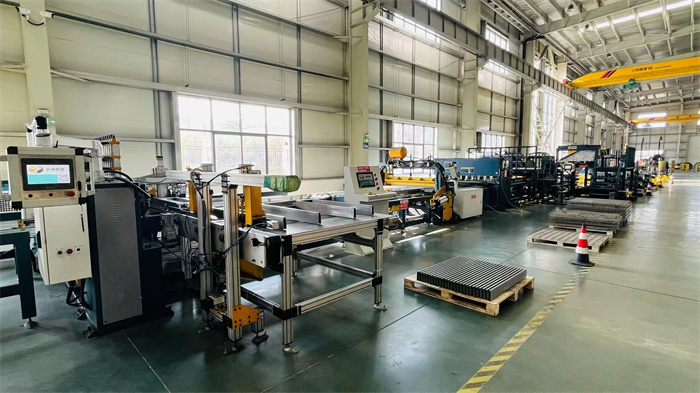
Undergoing rigorous vertical manufacturing checks from high-precision wiredrawing and roll forming to automated robot welding and electrostatic powder coating.
Navigating the digital supply chain revolution: How physical racking infrastructure enables modern omnichannel fulfillment.
Historically, gondola shelves were strictly identified with point-of-sale retail display. Today, with the rapid growth of warehouse clubs (e.g., Costco, Sam's Club) and urban micro-fulfillment centers, the line between retail display and heavy-duty logistics pallet racking has blurred. Modern systems must support dual-purpose functionality: holding multi-ton palletized inventory on the top beams, while displaying consumer-accessible items on modular lower gondola levels.
The cost of cold-rolled coil steel dictates the manufacturing ceiling. Procurement managers are optimizing structural design profiles using finite element analysis (FEA) to reduce structural weight without compromising rated load limits. This has made China-based precision suppliers who utilize high-tensile Q355B steel highly cost-competitive, offering weight savings and superior performance against global standards.
Different trade blocs mandate strict localized design parameters. In Australia, racking platforms must conform to standard compliance audits (e.g., AS4084-2012). In Europe, EN standards and FEM codes govern structural deflection rates. High-tier Chinese OEM exporters now build directly to these criteria, performing real-world loading tests to ensure seamless third-party onsite safety certifications.
Most buyers ask: "What is the actual structural difference between standard light shelving and heavy-duty pallet racking under impact loading?" When forklift forks accidentally strike upright columns, standard sheet-metal channels yield immediately. Real structural integrity lies in the profile's configuration—such as the number of cold-rolled bends and the use of heavy-duty bracing connections. Jracking engineers use cold-drawn steel profiles paired with automated robotic welding to guarantee structural stability even in high-seismic active zones.
Customized storage configurations built for vertical-specific operational realities.
Challenge: Multi-tenant warehouses require rapid reconfiguration to handle highly variable inventory sizes and weights.
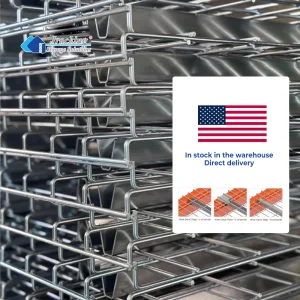
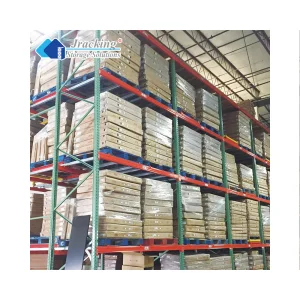
Solution: Adjustable Selective Pallet Racking systems combined with wire mesh decking. Using standard 50mm or 75mm pitches allows logistics operators to scale beam heights on demand, maximizing vertical space utilization up to 12 meters.
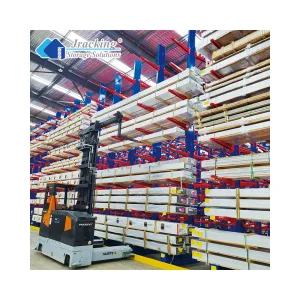
Challenge: Storing structural steel tubes, timber, bars, and heavy coils without risking deflection or tipping hazards.
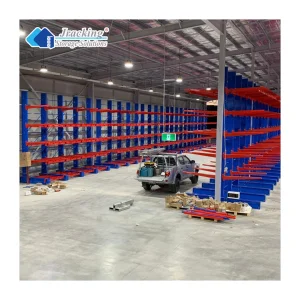
Solution: Heavy-duty single or double-sided adjustable cantilever racks manufactured from structural Q235B steel. Column loading reaches up to 5,000 kg, and custom arm configurations prevent roll-offs.
Challenge: High energy costs in temperature-controlled environments require maximum warehouse volumetric storage density.
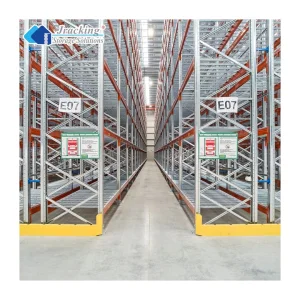
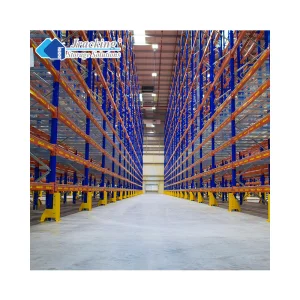
Solution: Automated Storage and Retrieval Systems (ASRS) and Drive-in racking systems. Eliminating access aisles increases storage density by up to 80% compared to standard configurations, lowering per-pallet cooling costs.
How engineering innovations and material science are redefining heavy industrial storage systems.
The transition from Q235B to Q355B (equivalent to S355JR under European EN standards) marks a significant evolution in industrial storage design. Modern racking profiles use micro-alloyed steel, which offers higher yield strength. This allows manufacturers to reduce wall thicknesses (saving raw material costs and reducing environmental footprint) while maintaining structural safety factors under static and dynamic load conditions.
Physical storage systems are becoming key nodes in the Industrial Internet of Things (IIoT). By integrating structural monitoring sensors within racking columns, facility managers can track real-world deflection rates, column impacts, and load changes in real time. Future technical designs from Jracking will incorporate embedded sensor brackets, facilitating seamless integration with advanced Warehouse Management Systems (WMS).
Environmental standards in surface finishing are becoming more stringent worldwide. Epoxy-polyester thermosetting powder coatings must be free of volatile organic compounds (VOCs). The latest curing lines use low-temperature bake formulations to reduce energy consumption, while maintaining salt spray resistance and cross-cut adhesion ratings to protect upright frames from oxidation in humid environments.
Answers to common structural design, material compliance, and project planning questions.
Engineered to optimize space, improve workflow efficiency, and maximize warehousing density.
 Jracking