Engineered to international safety standards, maximizing floor space utilization and warehouse logistics throughput.
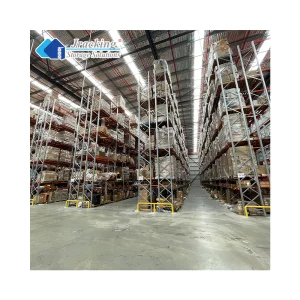
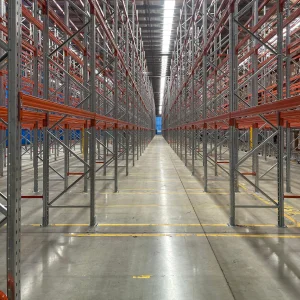
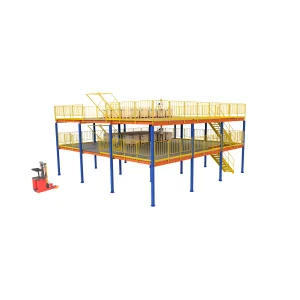
Jracking (Guangdong) Storage Co., Ltd. represents the absolute pinnacle of high-load storage racking design and automated logistics equipment fabrication.
Established in 2016, Jracking has rapidly expanded to a world-class manufacturing facility covering 28,600 m² in Guangdong, China. With 12 years of core industry expertise and over 8 years of dedicated global export experience, Jracking operates at the nexus of high-density engineering, manufacturing structural shelving, mezzanine floors, stackable steel platforms, and ASRS warehouse rack integrations. Delivering tailored OEM/ODM solutions to over 1,150 supply chain partners, we ensure rapid cycles of customized engineering designs, tailored sizes, high load-bearing capacities, and custom surface finishing options. Our products serve as structural frameworks for multi-level warehouses across North America, Europe, Australia, and the Middle East.
Every single production run complies with strict ISO quality management protocols, ensuring structural safety, dynamic load stability, and full European CE and Australian AS4084 compliance.
Led by 85 expert design engineers, our department dynamically designs complex warehouse load layouts. We successfully introduced 156 new structural designs to market last year.
A dedicated force of 48 professional QA inspectors inspects raw materials, monitors automatic welding integrity, measures powder coating thickness, and certifies dynamic load capacities before packing.
Production Facility
Annual Export Value
Supply Chain Partners
R&D Structural Engineers
Analyzing key structural shifts in high-density automated warehouses and localized regulatory environments.
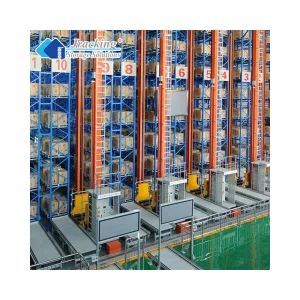
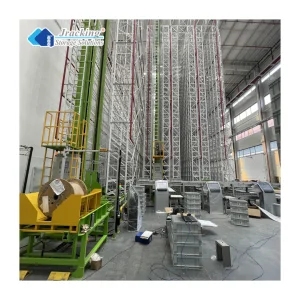
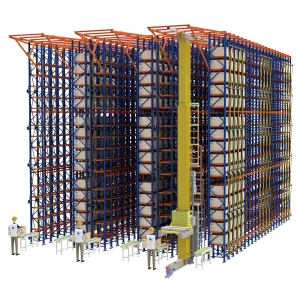
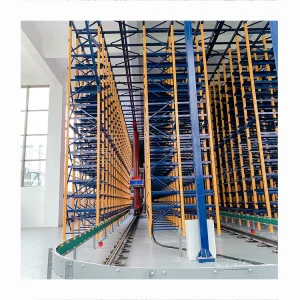
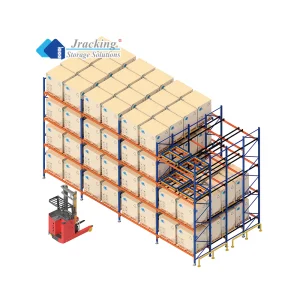
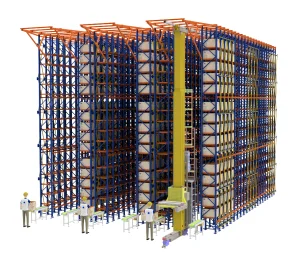
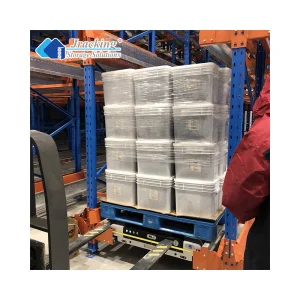
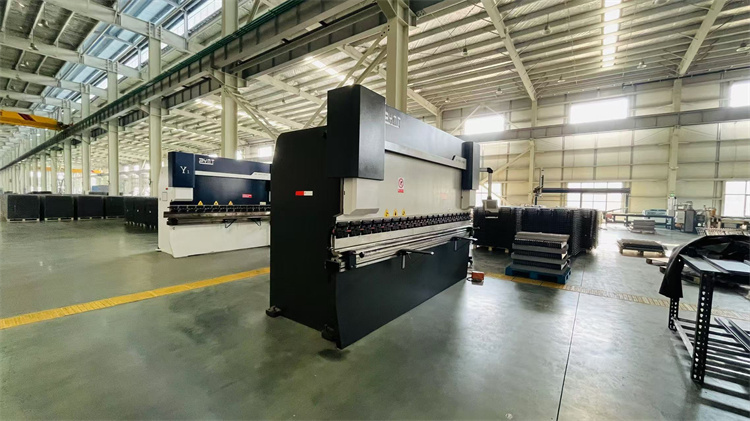
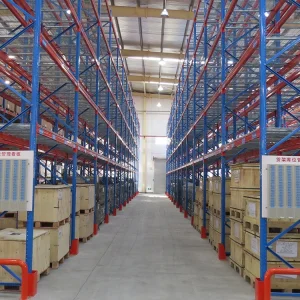
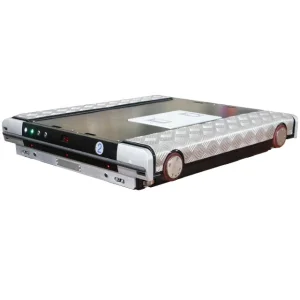
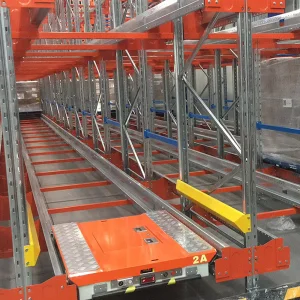
As real estate costs in urban logistics centers skyrocket, companies are transitioning from standard wide-aisle pallet racking systems to dense, vertical racking configurations. Automated Storage and Retrieval Systems (AS/RS) coupled with four-way radio shuttle systems enable warehouses to increase volumetric utility by up to 200%. Modern smart warehouses demand storage structures built to extremely close tolerances. Micro-deflections in structural steel members can cause automated cranes or shuttles to fail during automated pickup. Consequently, manufacturers must maintain exceptional precision during steel plate bending and roll-forming processes.
High-density automated storage solutions utilize vertical rack profiles integrated with sensor paths, high-frequency busbars, and precision-guided tracks. By investing in heavy-duty powder-coated racking built with high yield-strength carbon steel, international warehouses achieve continuous, automated operations with minimal human intervention.
Procurement teams face strict occupational safety liabilities. Under European standards (such as EN 15512, EN 15620, and EN 15635), warehouse shelving and industrial steel racking systems are classified as structural elements. Standard compliance means structural configurations must withstand the specified load capacities without structural fatigue.
CE certification ensures the raw steel components, weldments, column profiles, beams, and connection hardware conform to European Union health, safety, and environmental protection standards. Similarly, compliance with Australian standard AS4084 guarantees that structural racking systems installed in seismically active regions or high-load setups remain safe, stable, and reliable.
In temperature-controlled storage facilities ranging from -18°C to -30°C, material brittleness becomes a critical engineering hazard. Carbon steel properties degrade in low temperatures, making sub-standard racking susceptible to sudden structural failures when hit by forklifts.
Specialized cold storage racks require specialized steel grades (such as Q235D or Q345D) coupled with custom powder coatings or hot-dip galvanizing. These treatments prevent hydrogen embrittlement and protect against corrosion from high humidity.
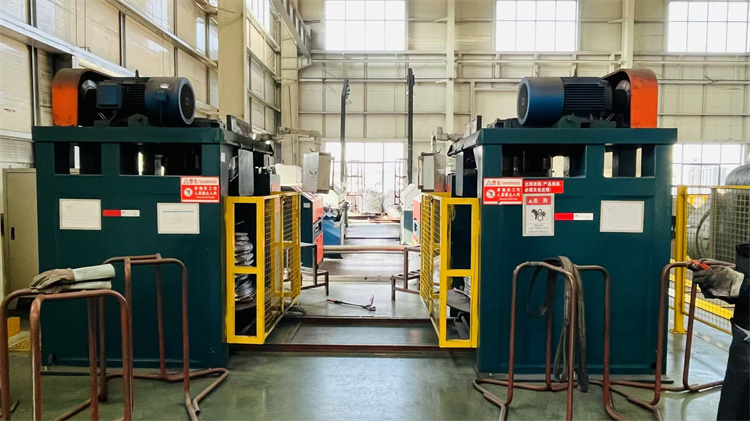
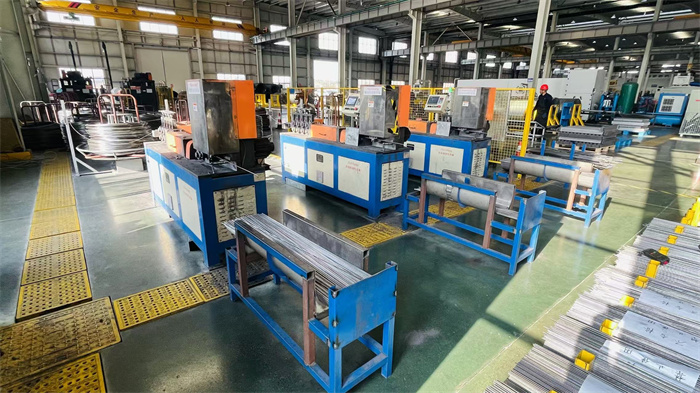
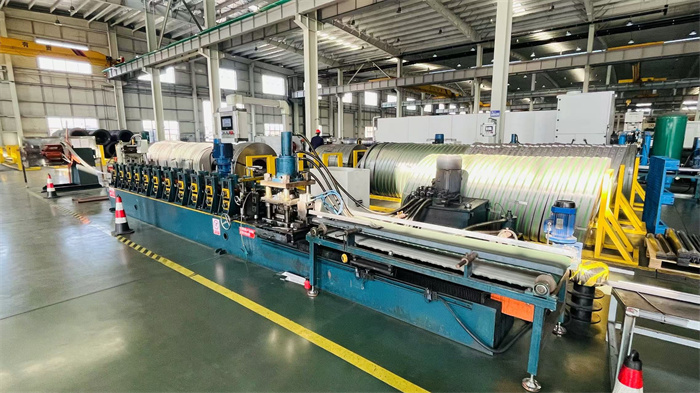
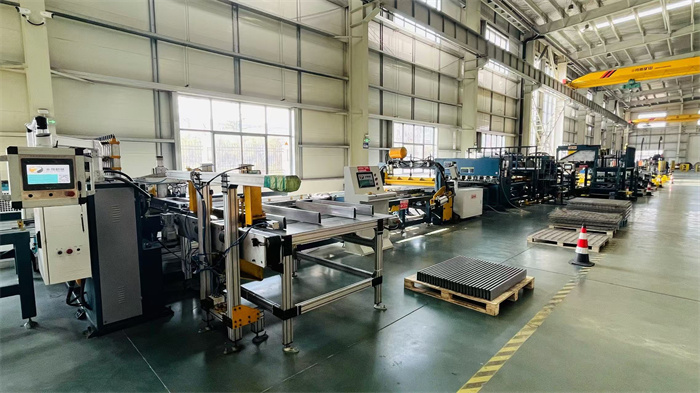
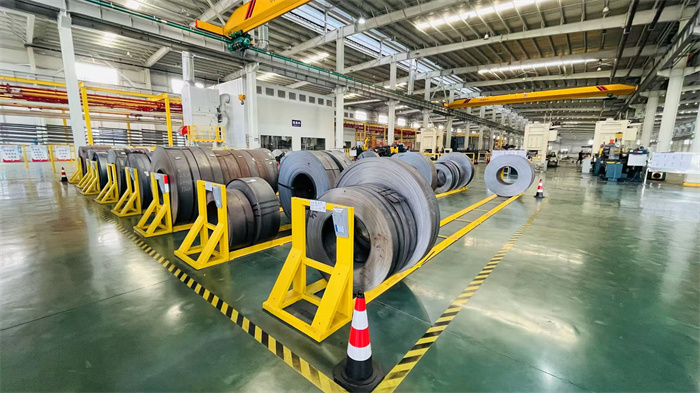
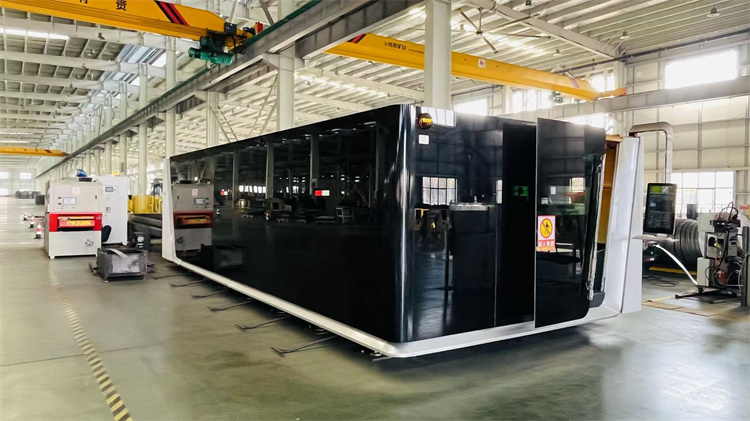
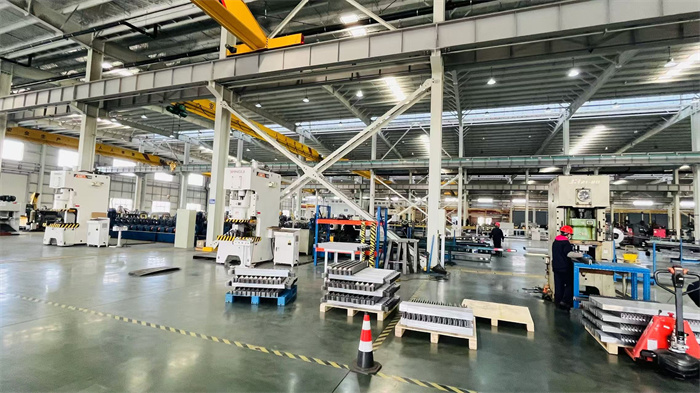
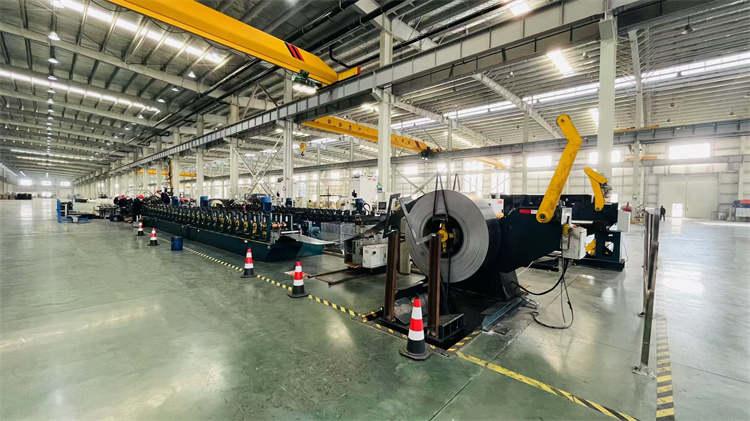
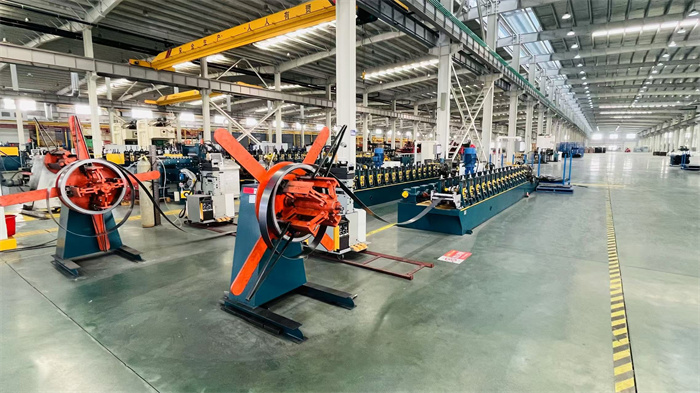
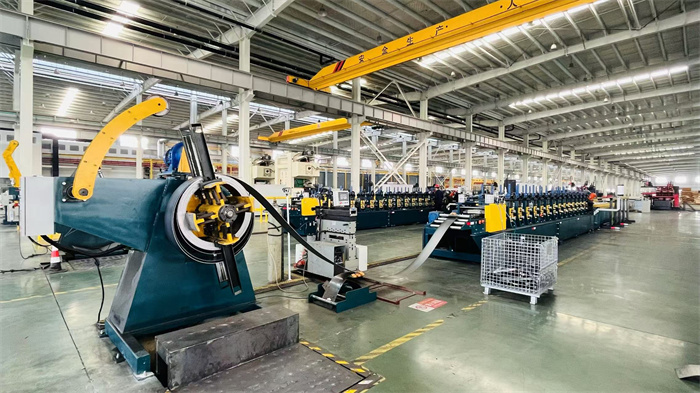
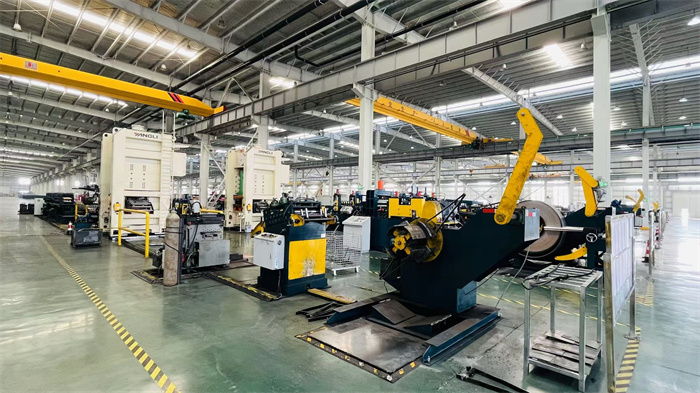
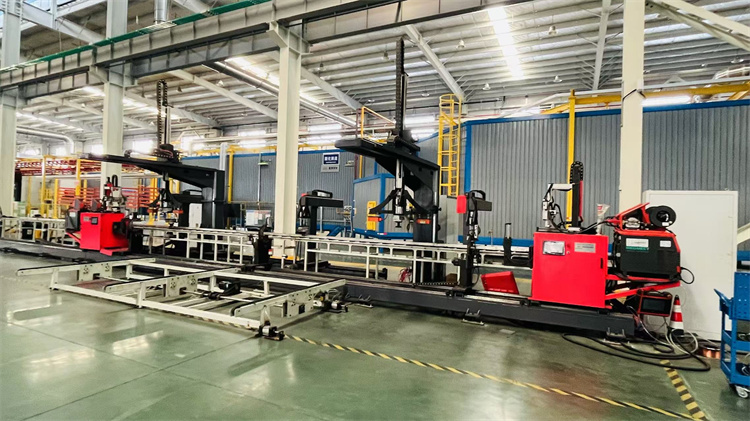
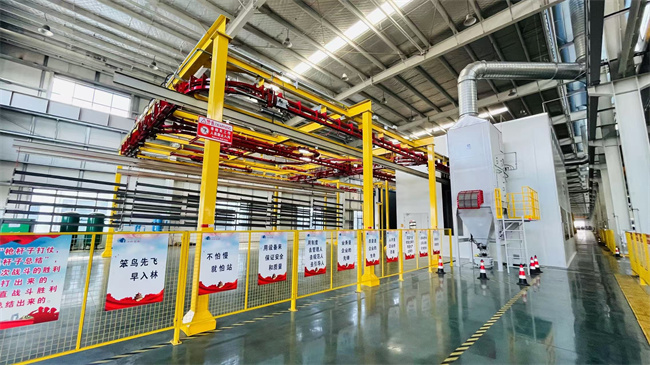
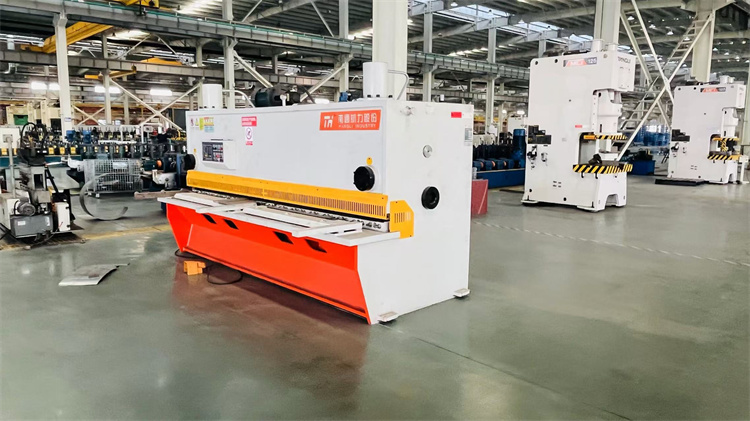
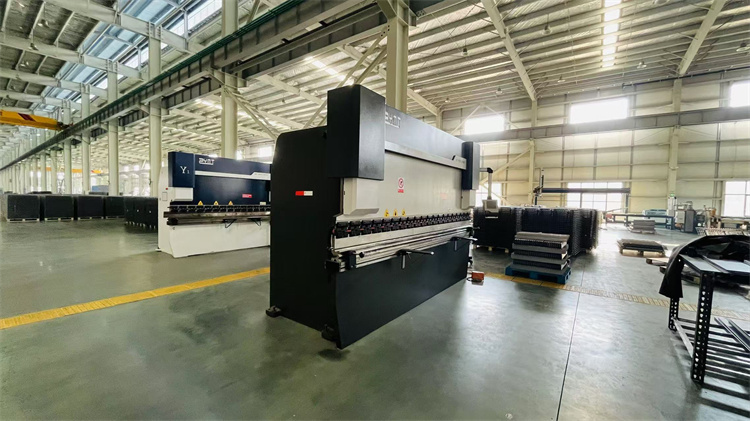
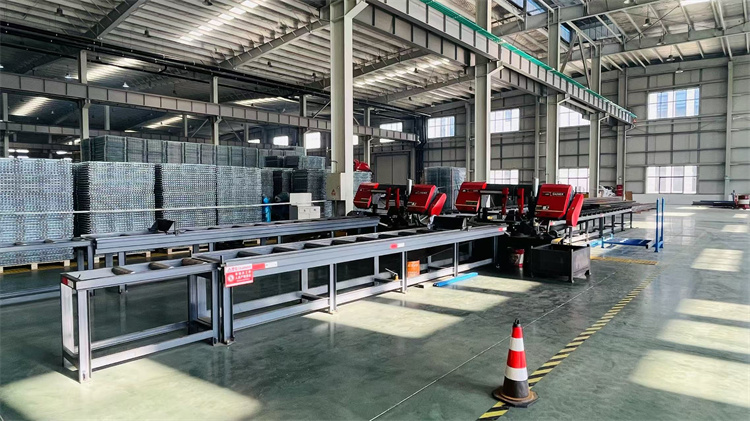
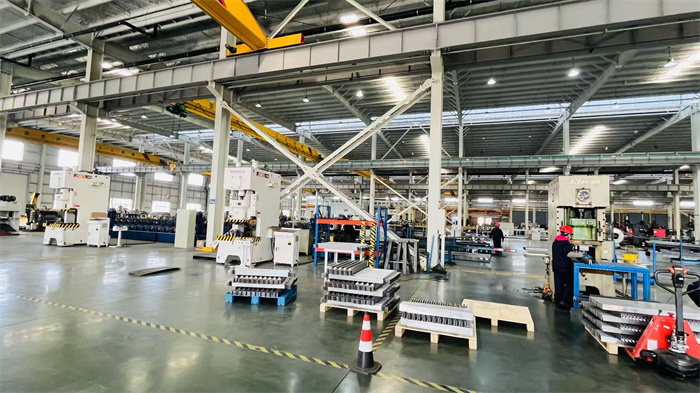
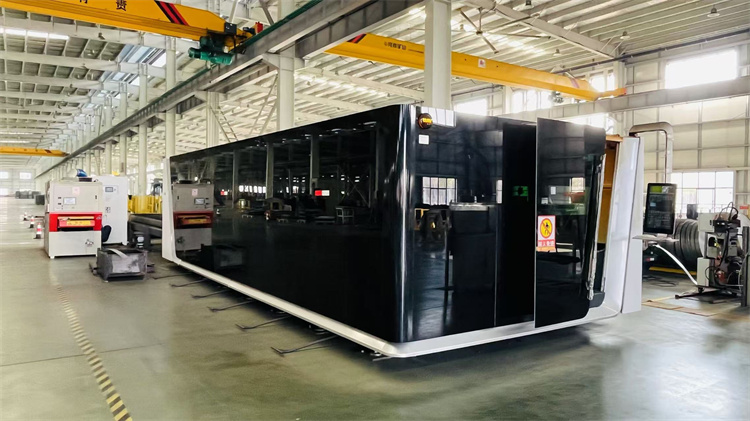
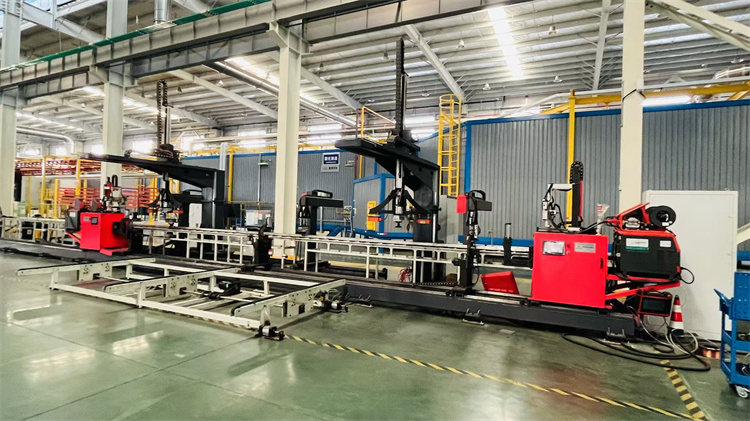
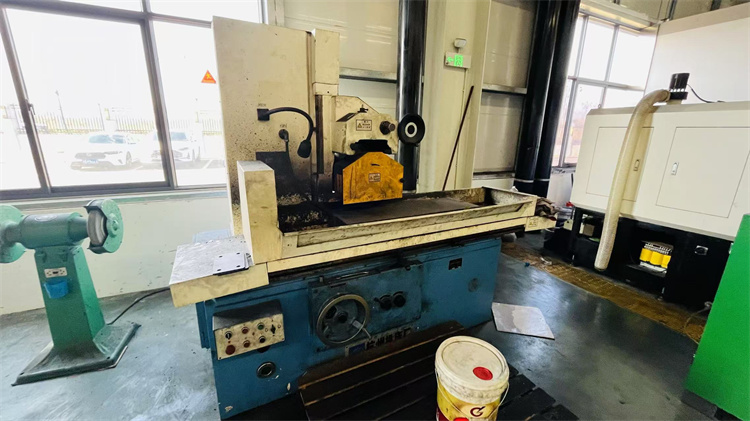
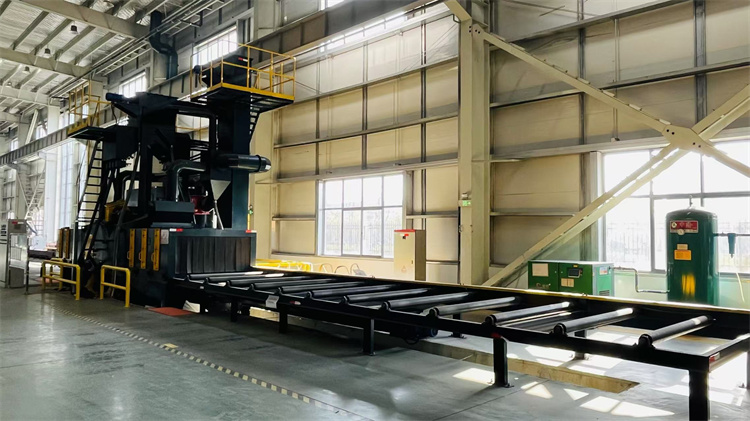
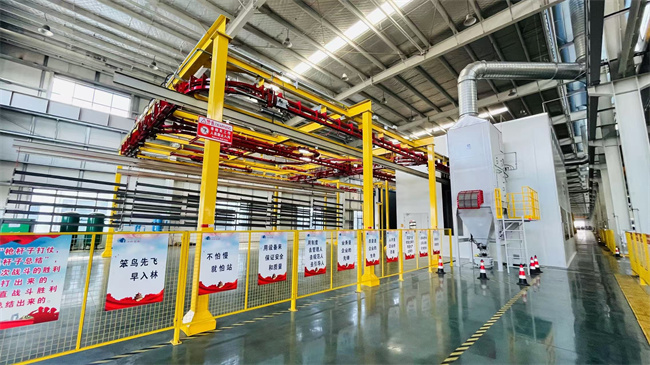
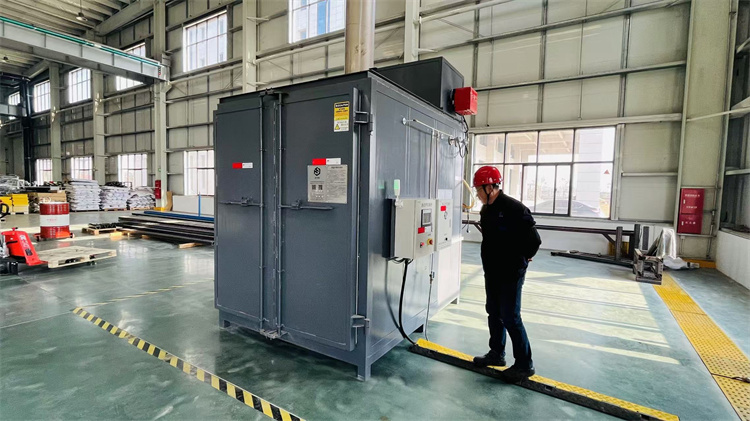
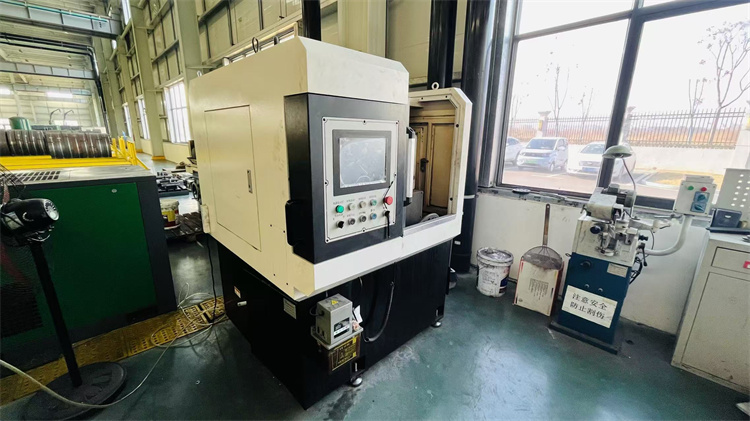
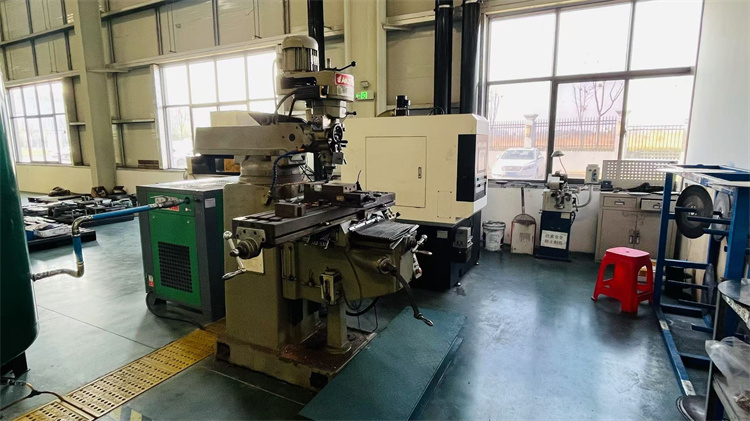
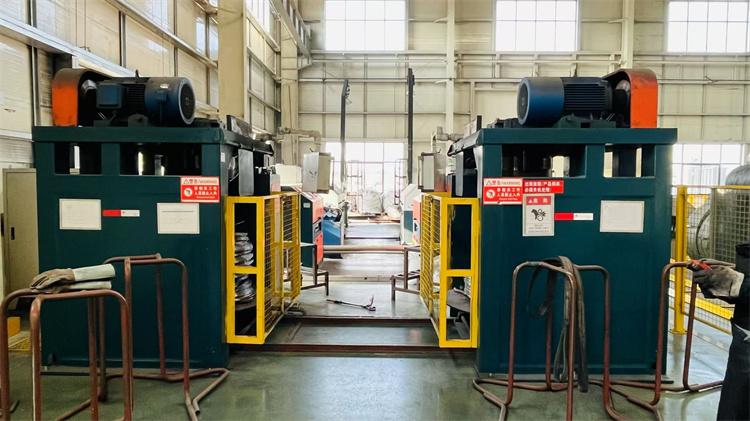
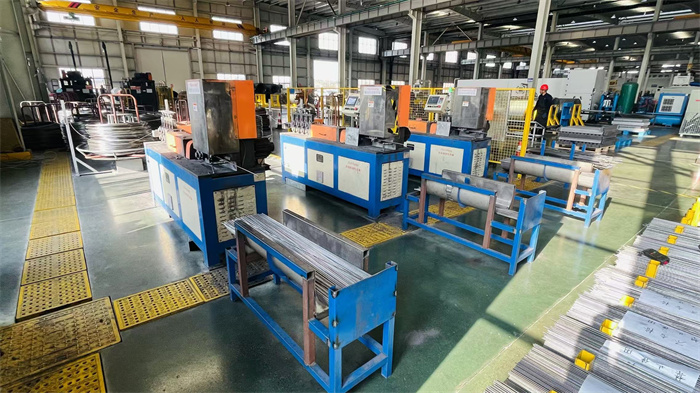
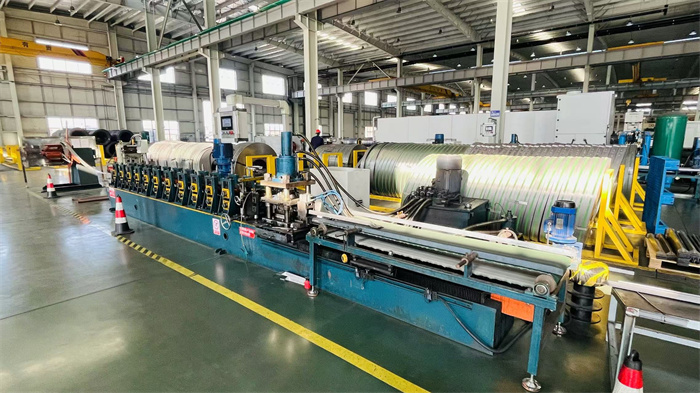
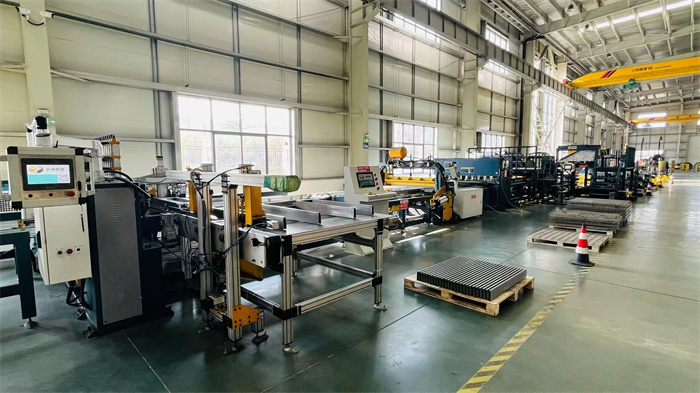
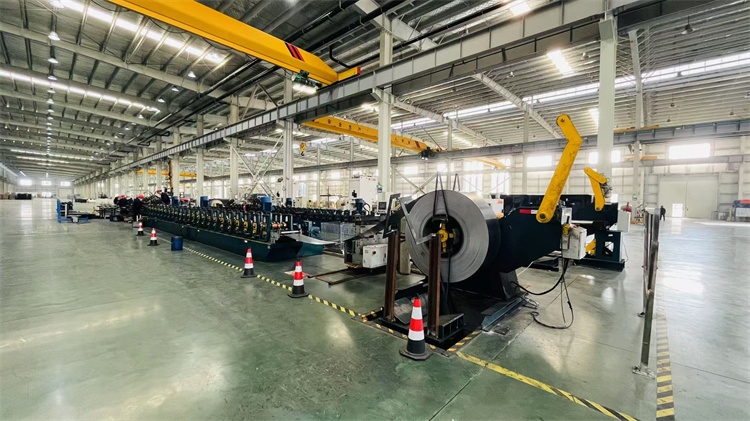
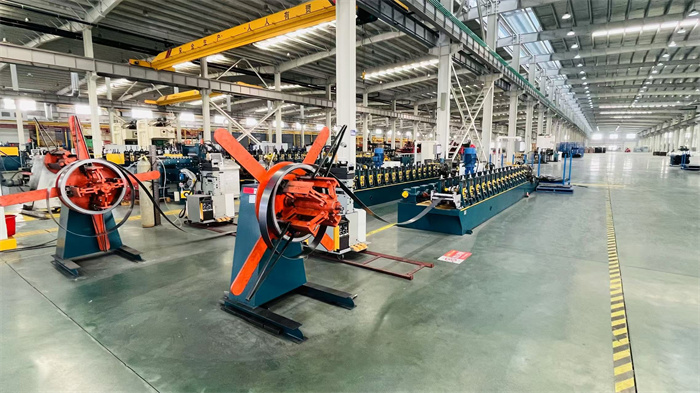
Take an in-depth tour of Jracking's modern manufacturing workflow. Learn how raw steel becomes heavy-duty industrial racking.
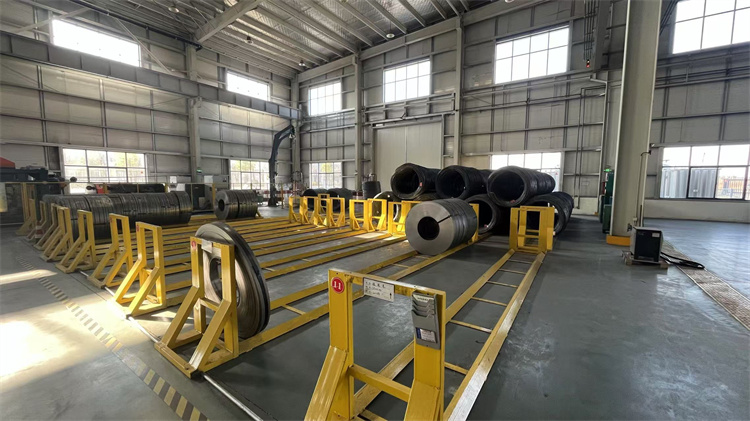
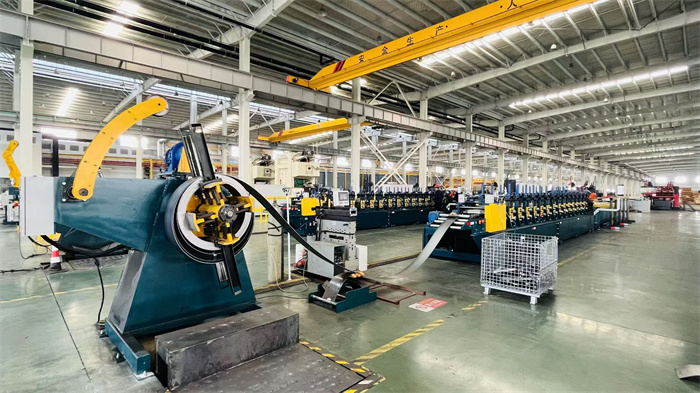
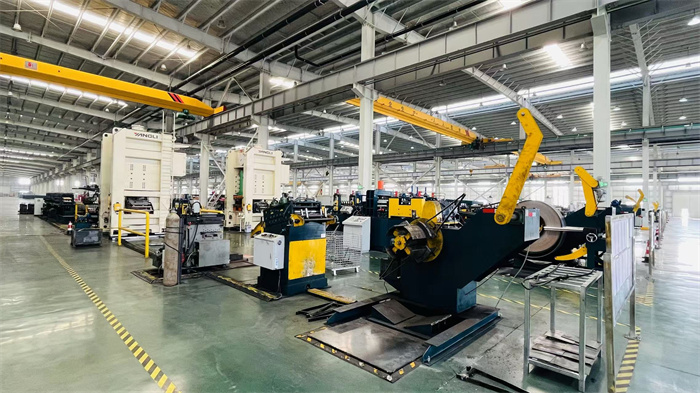
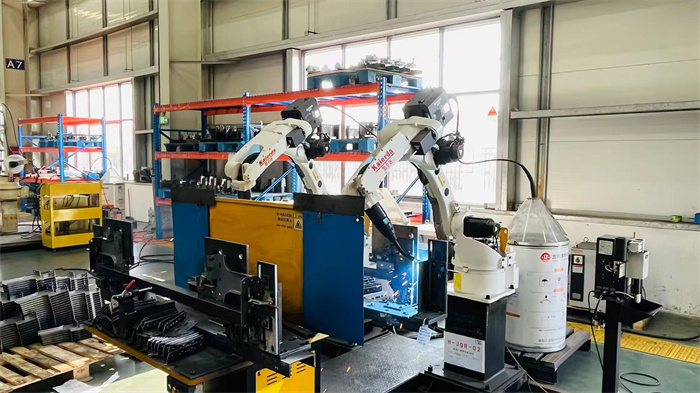
How global industries rely on Jracking racking architectures to address localized engineering challenges.
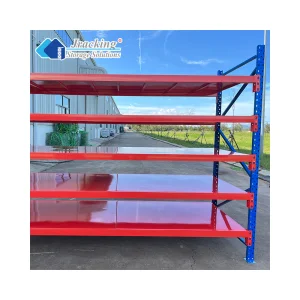
Fulfillment operations across North America require flexible, multi-level structural mezzanines and picking platforms. Designed to conform with RMI standards, Jracking selective pallet racks and platforms offer the structural integrity needed to support continuous multi-tier pick modules and dynamic conveyor routes.
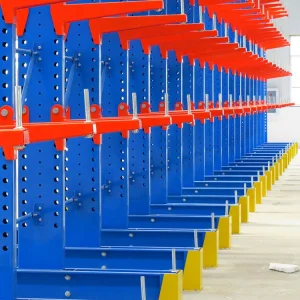
Heavy manufacturing and automotive parts hubs in Germany and Eastern Europe require heavy-duty storage racks capable of supporting massive components. Jracking's heavy-duty cantilever systems, engineered to FEM and CE standards, provide safe and accessible storage for bulky materials.
Operating in refrigerated environments, large Australian distributors deploy Jracking's AS4084-certified radio shuttle racking systems. These automated structures optimize air circulation and maximize pallet storage, significantly reducing energy costs per pallet location.
Key technical insights regarding design specifications, certifications, and high-density warehouse racking operations.
Discover our range of push-back, shuttle, and automated systems designed to optimize your warehouse operations.
 Jracking