High-capacity structural steel pallet racking systems, cantilever components, and heavy-duty configurations engineered to dynamic load distribution standards.
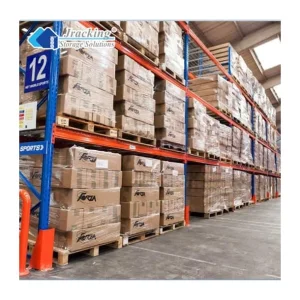
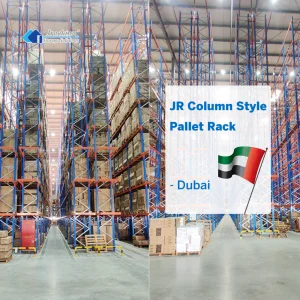
The foundation of modern supply chains. Selective racking remains the most adaptable and cost-effective layout configuration for high-SKU inventory profiles.
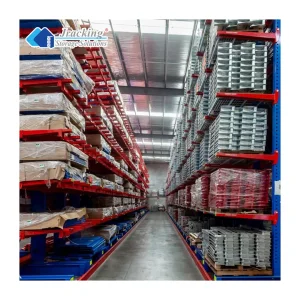
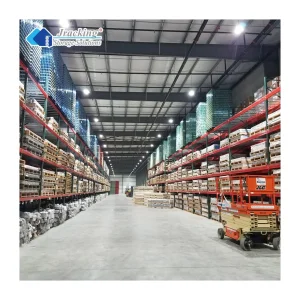
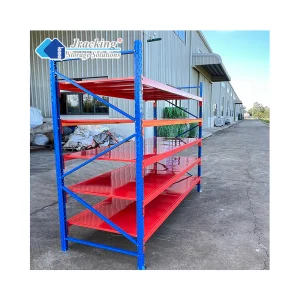
Selective pallet racking provides 100% access to every single pallet location. In high-turnover retail distributions and multi-client third-party logistics (3PL) nodes, the system minimizes handling delays and eradicates the need for "honeycombing" or reshuffling stock profiles.
Modern industrial hubs require dynamic validation. Engineering standards like RMI MH16.1 (US), EN 15512 (EU), and AS4084 (AU) dictate specific stress calculations. High-grade cold-rolled Q235B and Q355B steel ensure structural integrity during high-magnitude seismic events.
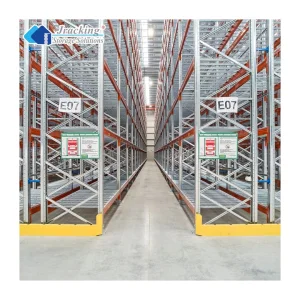
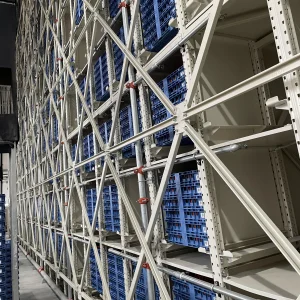
Selective racking profiles can serve as the structural backbone for Semi-Automated Shuttle systems and Crane-assisted ASRS configurations. This bridges traditional manually-operated warehousing with smart automation hubs to facilitate scalable investments.
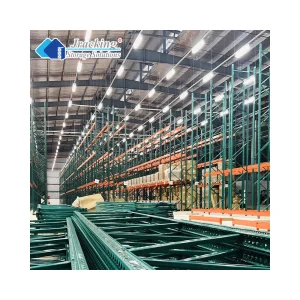
Modern warehousing faces escalating square-footage costs, creating a critical need for structural density. Selective racking, though traditionally labeled a low-density storage solution compared to drive-in or push-back options, achieves superior throughput dynamics. High-bay selective racking structures extending up to 15 meters in height maximize vertical cubic space. When operated with Narrow Aisle (NA) or Very Narrow Aisle (VNA) articulated reach trucks, aisle widths can be compressed to 1.8 meters, delivering density levels that match semi-dynamic systems while retaining 100% individual pallet access.
Underneath every reliable racking unit is a robust framework of advanced metallurgical calculations, structural stress-modeling, and precision manufacturing tolerances.
Racking systems are subject to static dead loads, dynamic live forces during loading, and accidental forklift impacts. Jracking (Guangdong) Storage Co., Ltd. implements finite element analysis (FEA) to simulate worst-case stress vectors across multi-tier beam spans. Our product design ensures safety factors conform strictly to localized regional mandates.
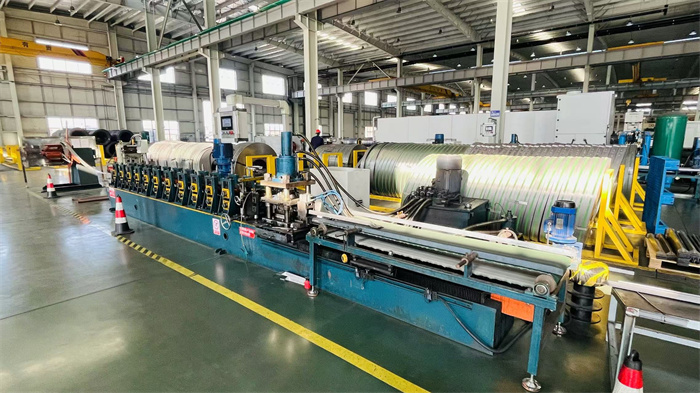
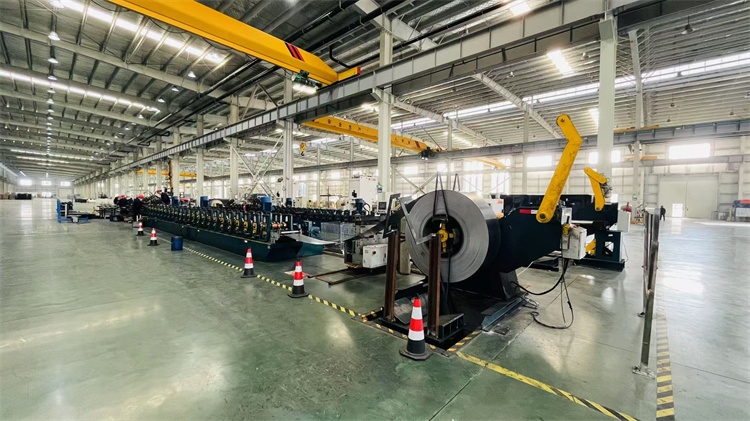
Our upright posts are cold-rolled from high-tensile structural steel, featuring 9-bend to 13-bend geometries. This increases resistance against torsional buckling under extreme vertical loads, maintaining stability even at high elevations.
Featuring 3 to 4-claw safety pin locking connections, our step beams and box beams resist uplift and rotation. The locking mechanisms are engineered to withstand up to 10kN of vertical shear force from accidental forklift hits.
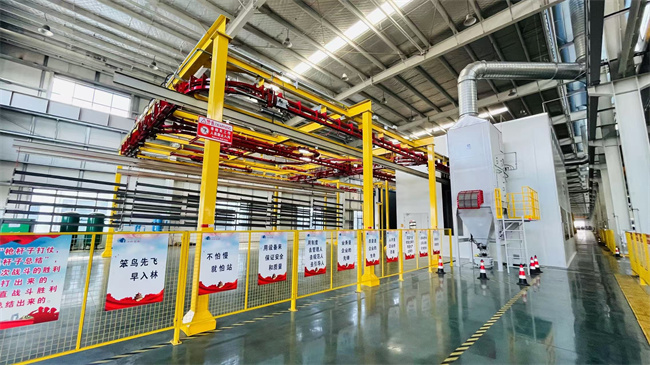
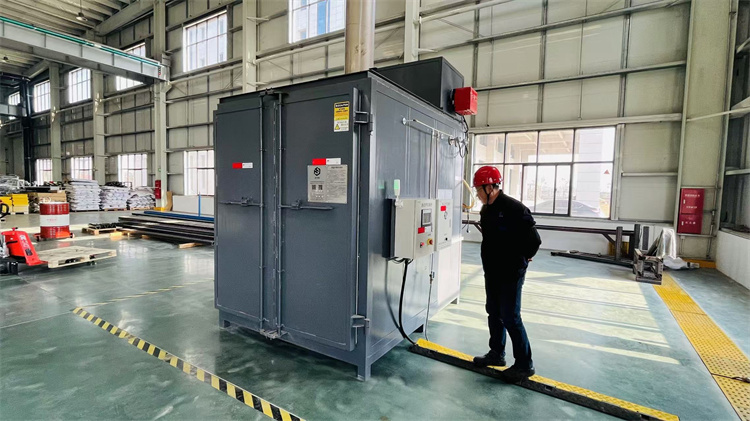
Our structures undergo pre-treatment cleaning, hot furnace washing, and automated electrostatic powder spraying. The result is a scratch-resistant, durable coat with high resistance to moisture, corrosion, and chemicals.
The strength of a rack starts with the raw steel. We source verified Q235B and Q355B structural steel, characterized by high yield strength and elongation limits. These parameters undergo routine destructive testing in our QC laboratory. Our computational design process tracks stress points across the cross-sections of the profile, ensuring safety under varied load distributions. Vertical columns are engineered to support static loads without exceeding localized deflection limits (such as L/200 as required by CE/EN standards).
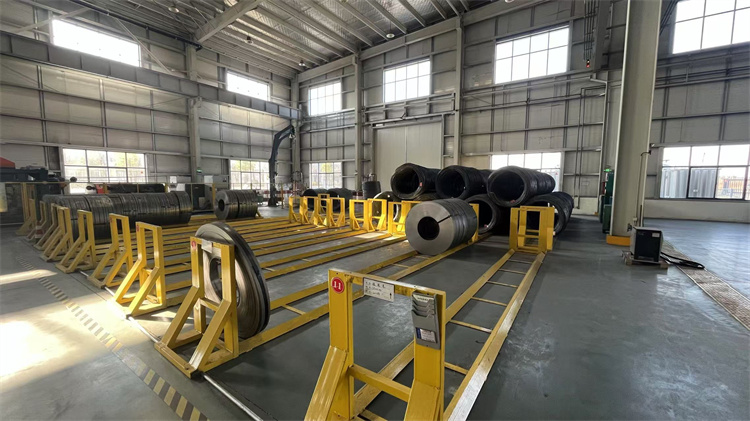
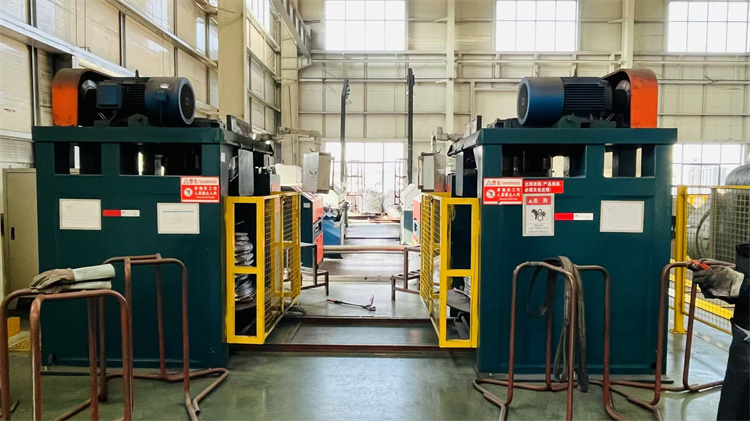
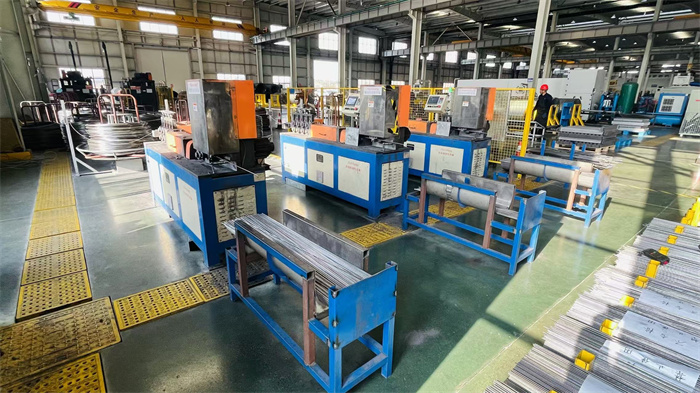
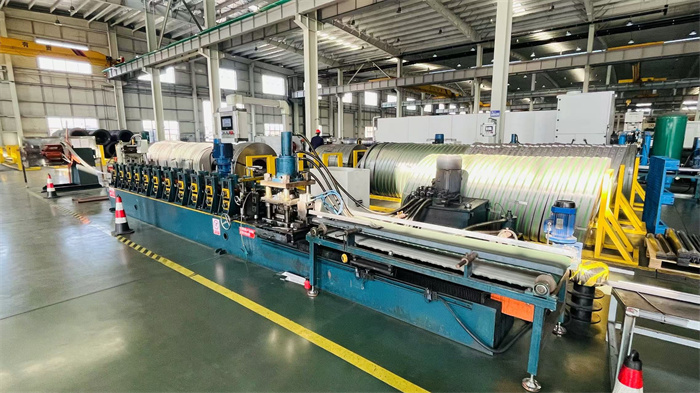
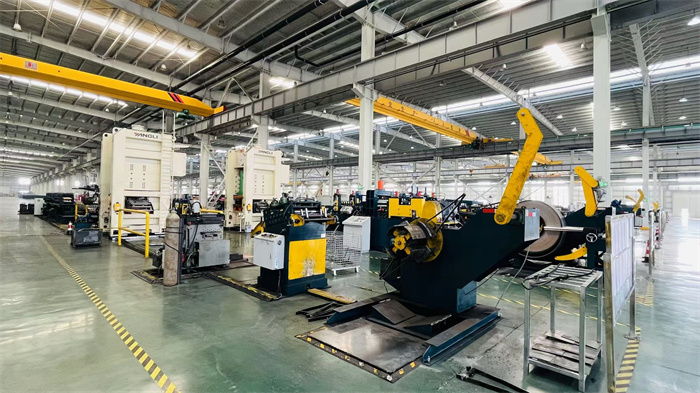
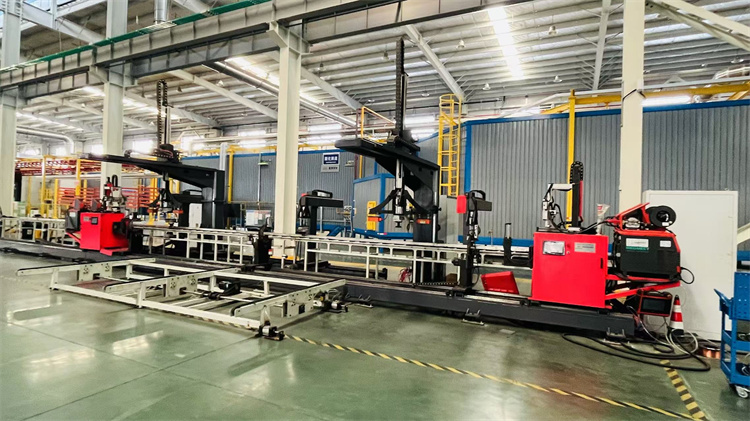
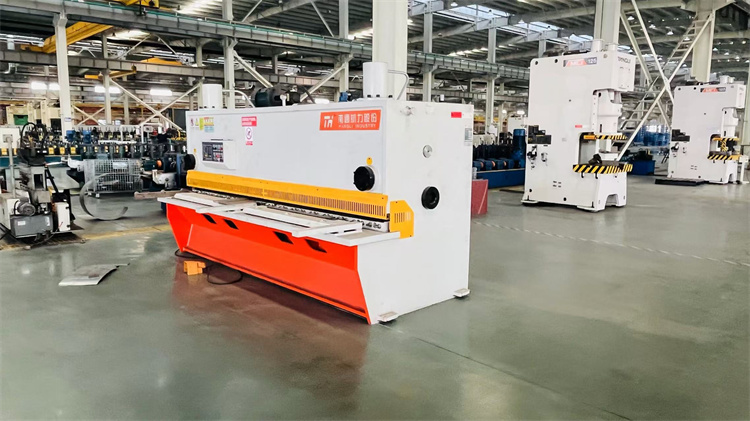
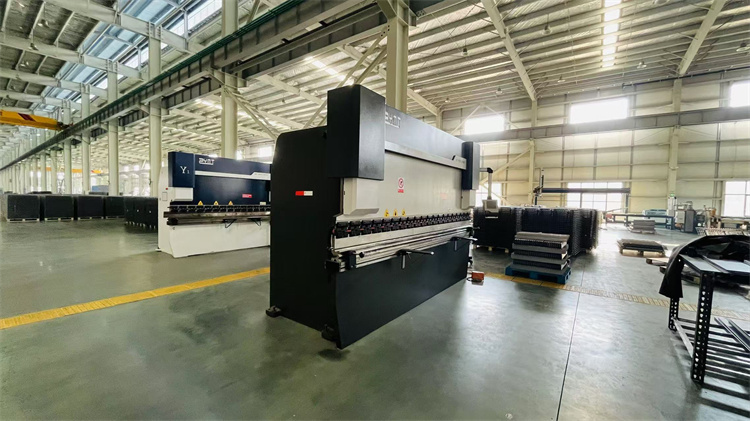
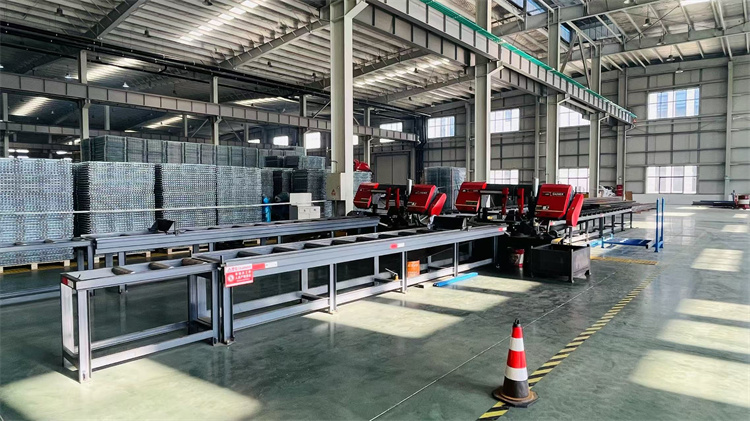
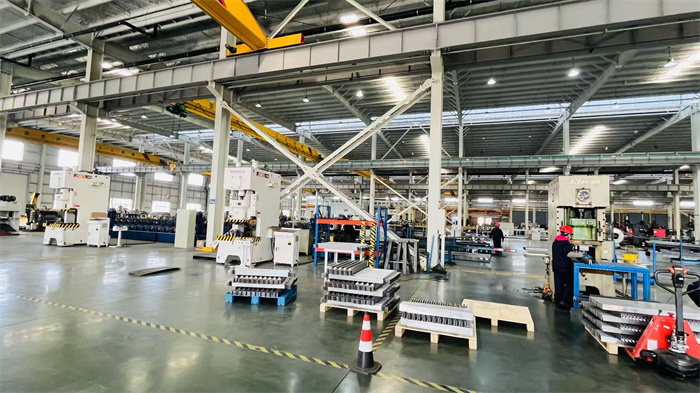
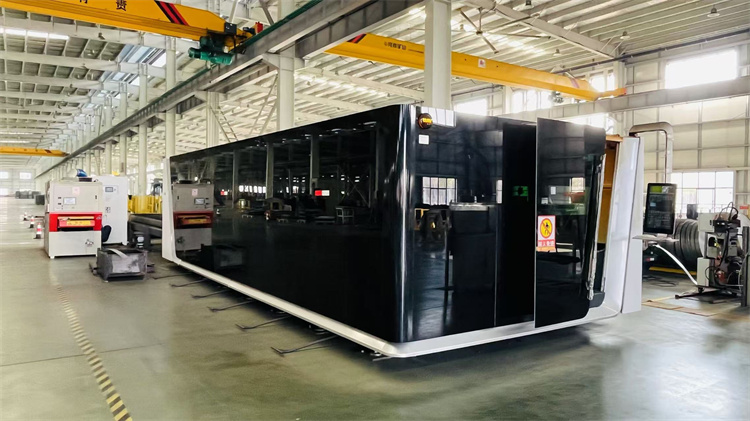
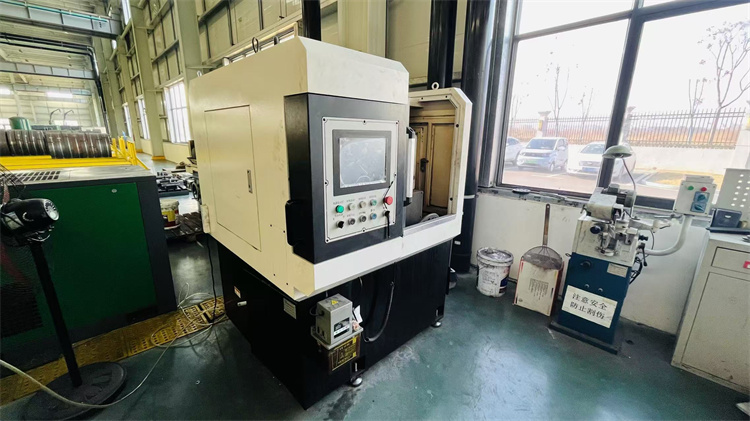
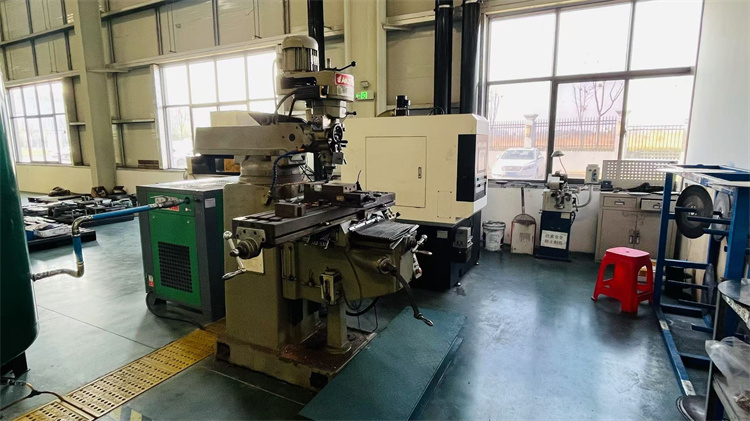
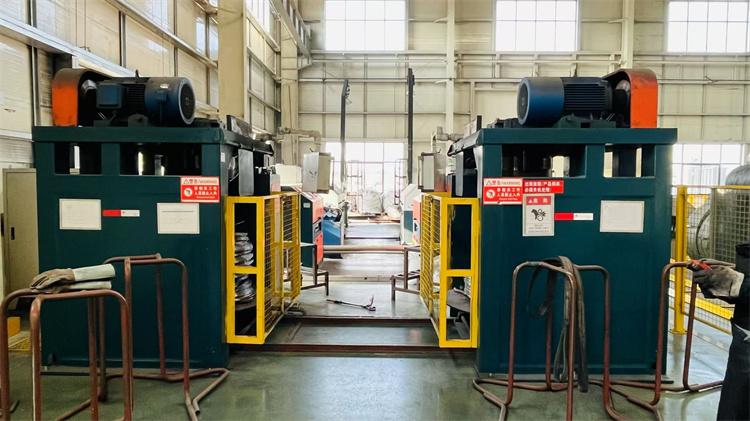
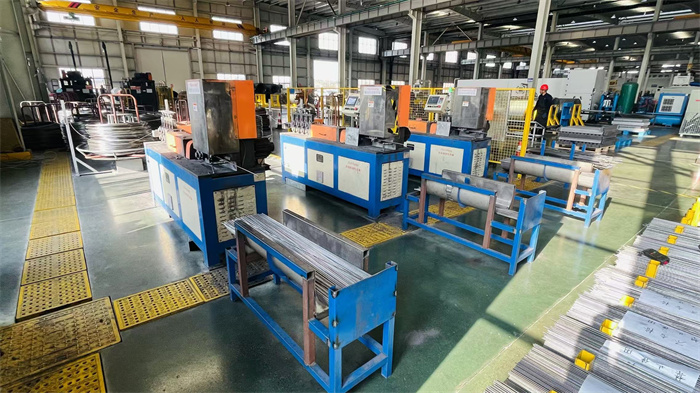
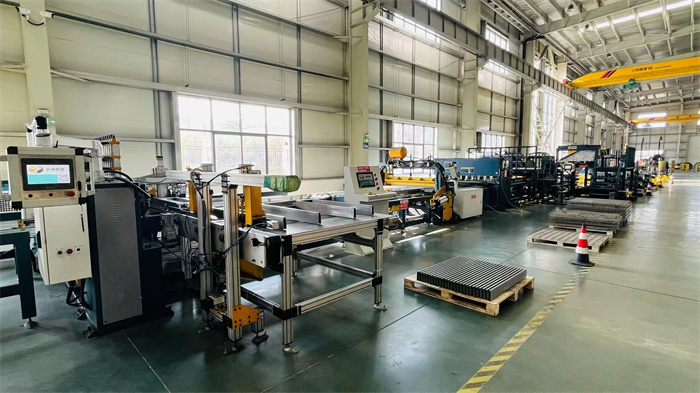
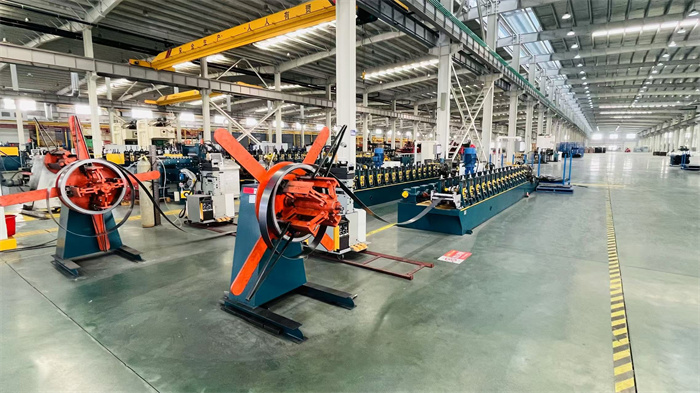
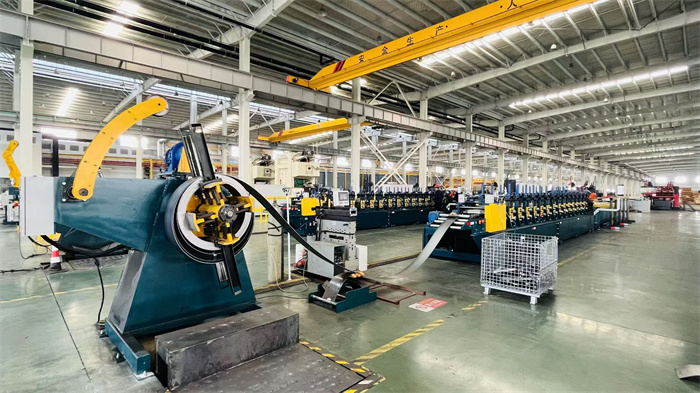
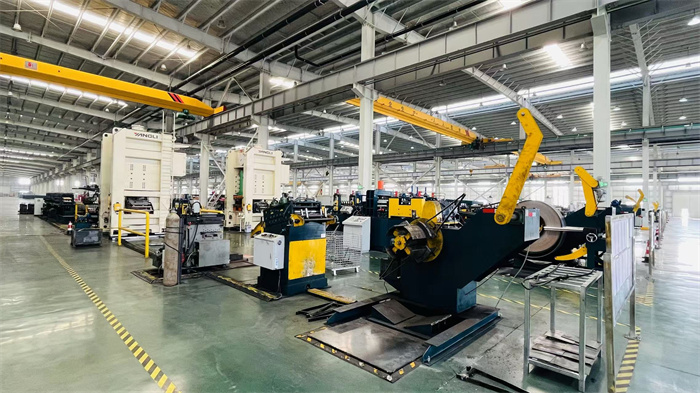
Every stage of production—from raw metal coils to fully welded, coated, and inspected components—is managed within our facility under strict ISO quality controls.
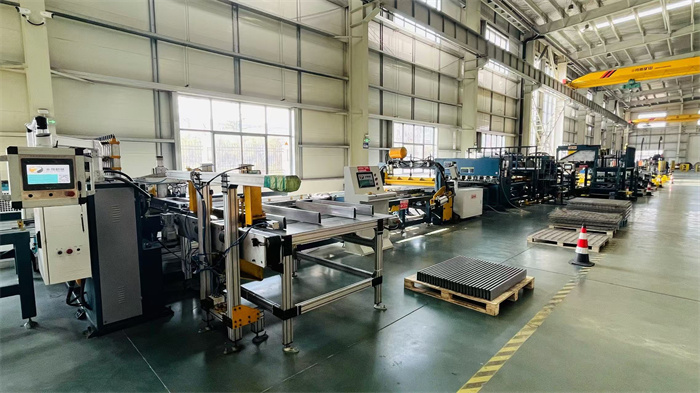
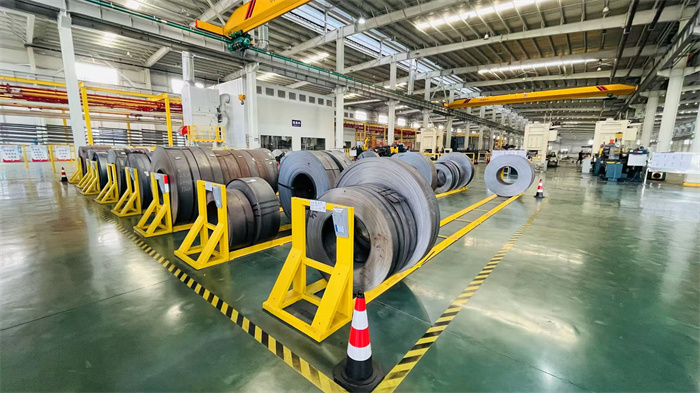
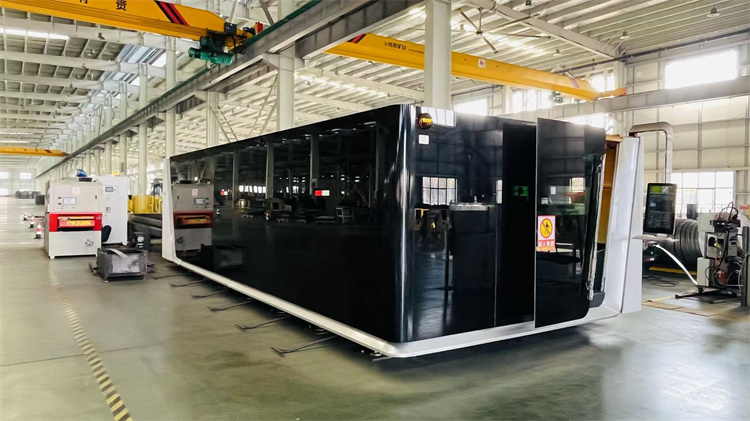
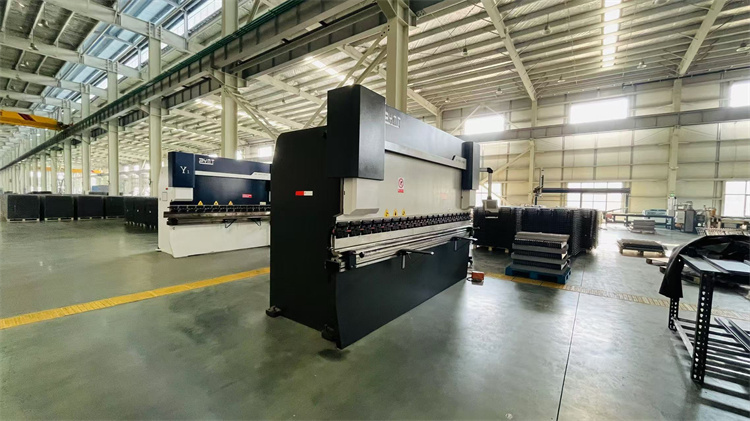
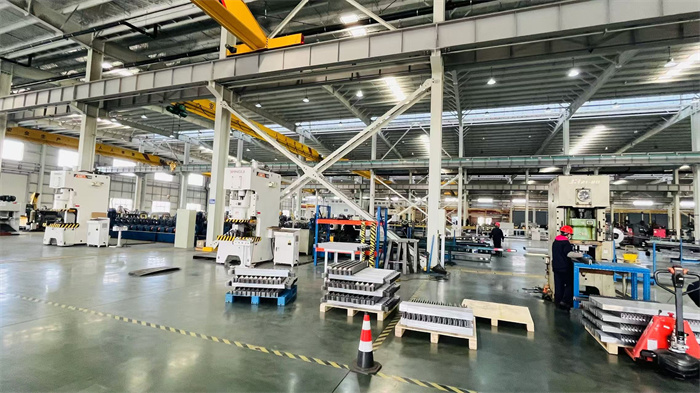
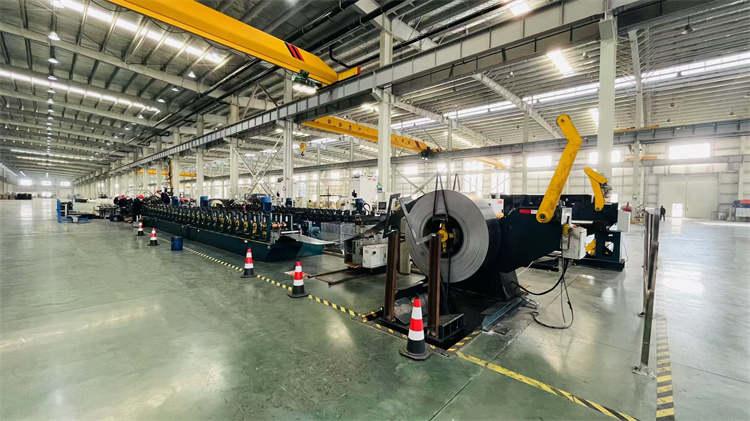
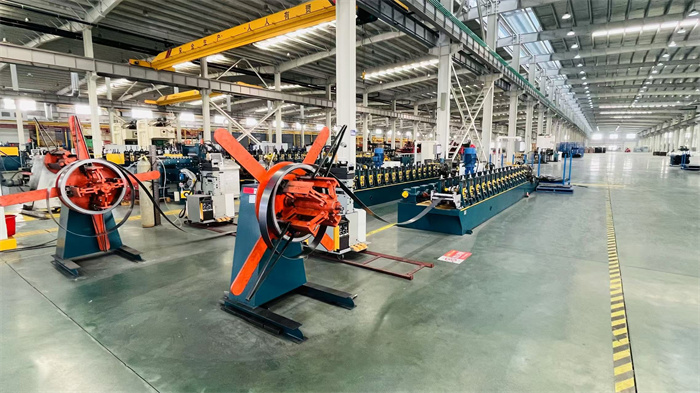
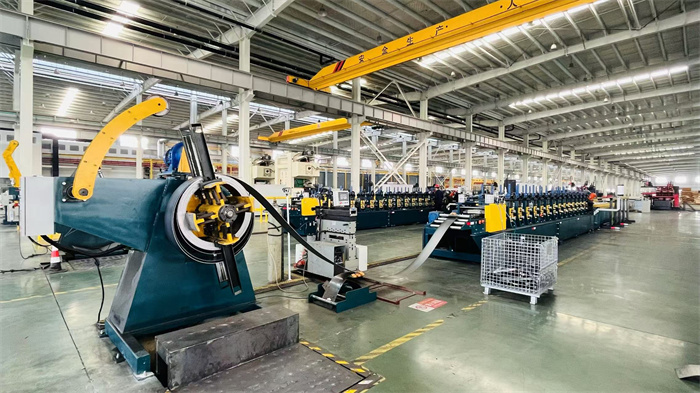
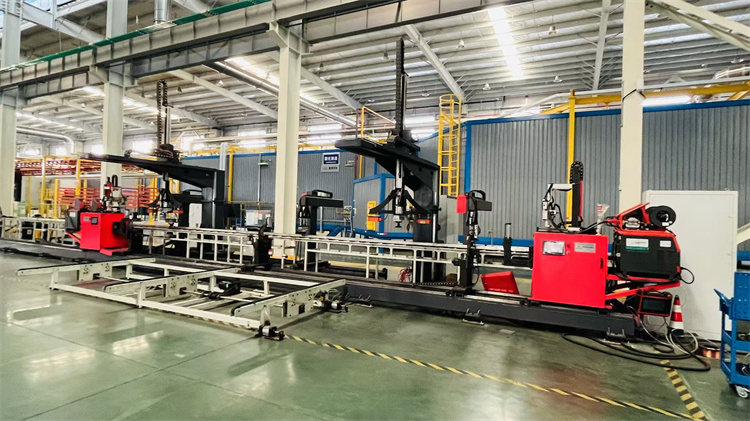
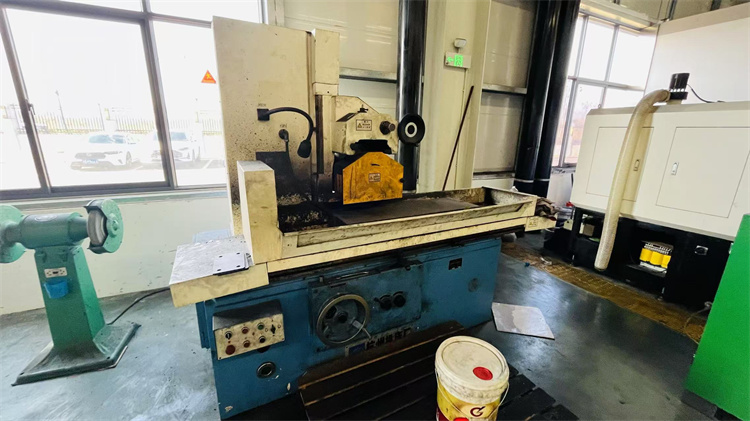
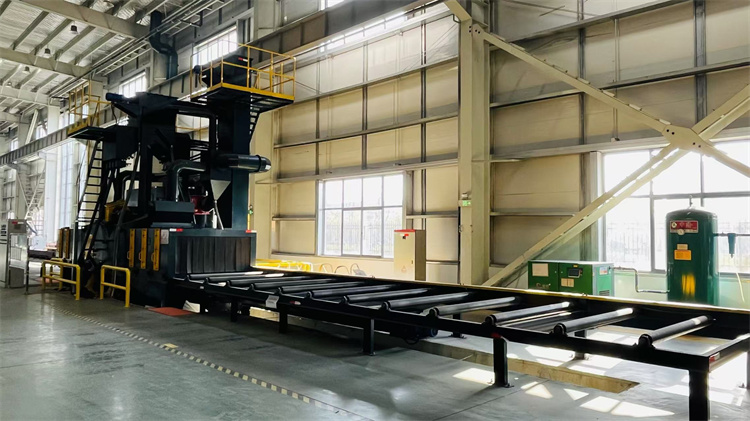
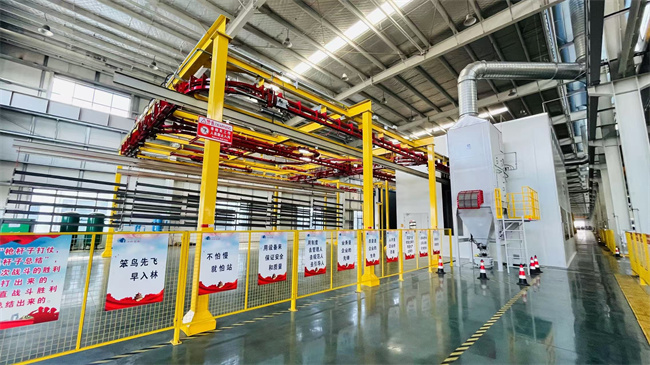
How Jracking balances structural performance, global logistics, and pricing competitiveness through advanced vertical supply chain integration.
Our manufacturing base in Guangdong, combined with our logistics networks, ensures predictable lead times. Operating with over 1,150 raw materials and component supply partners, we secure high-grade steel plates and coils under long-term pricing contracts. This minimizes price volatility for large-scale enterprise projects.
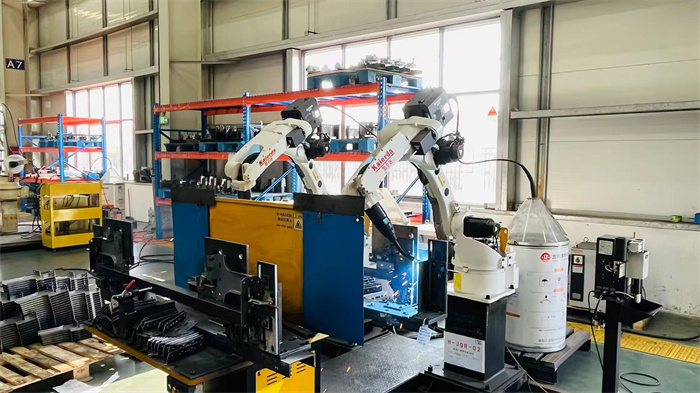
By keeping cold-rolling, punching, automated robot welding, and powder coating processes in-house, we eliminate the markups and coordination delays typical of sub-contracted manufacturing.
Our upright and beam profiles are nested to maximize container volume utilization. By reducing shipping volume, we lower the landed cost per square meter of storage system delivered.
Our quality control team monitors manufacturing tolerances. They measure paint thickness, verify weld penetration, and check diagonal alignments to ensure rapid, trouble-free on-site assembly.
Safety is the primary metric for warehouse storage systems. At Jracking, design parameters are verified through load cell testing. This measures physical deflection under simulated static limit states. Our QC protocols require testing of beam-to-column connections and structural joints. These procedures ensure the structural frame handles horizontal loads and localized shear forces, providing reliable performance in seismic areas.
Engineered rack configurations designed for specialized industrial operations, harsh temperatures, and heavy loads.
Low-temperature environments require high steel ductility. Our low-temp structural steel configurations prevent cold-brittleness. Combined with specialized powder coatings, the racks resist corrosion from humidity and condensation cycles in sub-zero environments.
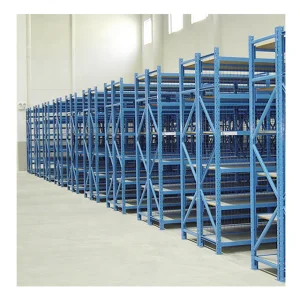
In high-turnover hubs, Selective Racking is paired with open-face wire decking. This improves fire sprinkler penetration and provides the SKU accessibility needed for rapid manual picking and automated sorting.
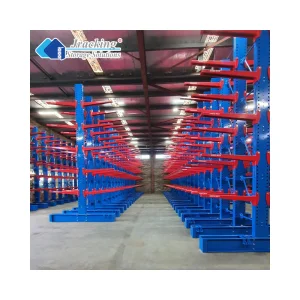
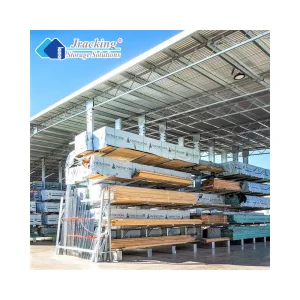
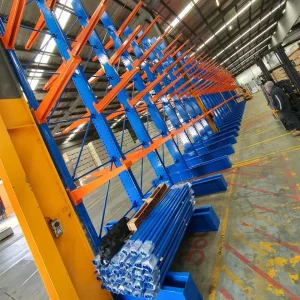
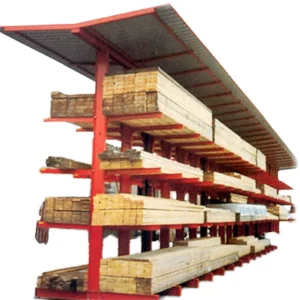
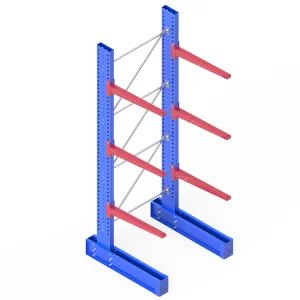
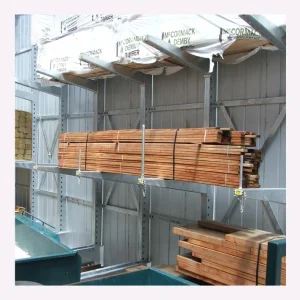
For long, non-palletized inventory like pipes and timber, our structural cantilever configurations provide high load capacity. Heavy-duty cantilevers eliminate the constraints of vertical upright columns, easing access for side-loading lift trucks.
In high-seismic zones like the Pacific Rim (including Australia, western South America, and parts of Southeast Asia), standard racking designs are insufficient. For installations in these regions, we configure our selective racking systems with heavy-duty baseplates and anchoring systems. We run dynamic load calculations to design baseplates that distribute vertical loads over concrete slabs. Floor anchors are positioned to withstand shear forces, ensuring the storage system remains stable and secure during seismic events.
The convergence of high-capacity structural steel frames with real-time IoT monitoring and space-optimizing warehouse management systems.
As logistics operations face increasing demand, warehouse racking systems must evolve beyond simple steel supports. Racking is becoming an active part of digitized, automated supply chains. At Jracking, we design our systems to integrate with the latest warehouse technologies.
We manufacture storage profiles to the strict dimensional tolerances required by automated crane and shuttle systems. This reduces positioning errors and ensures smooth, automated operation.
Our research includes checking feasibility for embedding strain-gauge sensors within heavy-duty beam profiles. These sensors can monitor deflection limits in real time, alerting facility managers to overloaded sectors.
For outdoor storage and harsh chemical settings, we offer hot-dip galvanized components. This provides long-term corrosion resistance and reduces maintenance needs in demanding environments.
Technical answers to key questions about design standards, structural safety, and planning considerations.
High-capacity structural systems, cantilever designs, and specialized configurations for dynamic and high-density industrial storage.
 Jracking