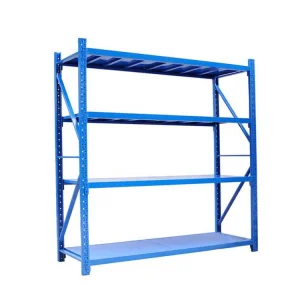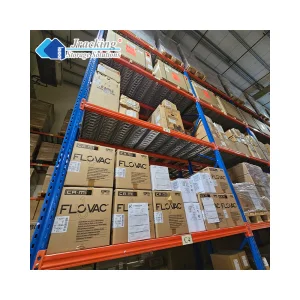
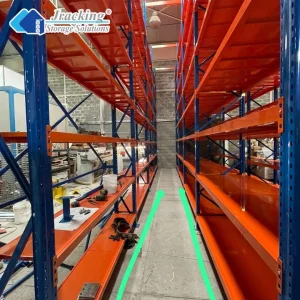
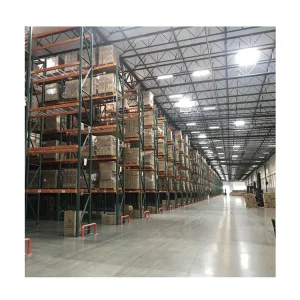
Founded in 2016, Jracking (Guangdong) Storage Co., Ltd. has established itself as an elite manufacturer and global provider specializing in high-performance warehouse racking systems and structural industrial storage solutions in China. With a modern, highly optimized manufacturing facility spanning 28,600 m², we combine state-of-the-art cold roll forming, precision robotic welding, and automated surface treatment technologies to build racking systems designed to withstand demanding industrial environments.
Supported by over 8 years of export operations and 12 years of industry experience, Jracking serves key markets in North America, Europe, Australia, the Middle East, and Southeast Asia. Our annual export revenue exceeds USD 18 million, showing our strong standing in the global market.
We run a responsive supply chain that coordinates with more than 1,150 partners. This network enables us to source raw materials, schedule flexible production batches, and fulfill large-scale global projects on time. Our primary partners include regional material handling distributors, engineering contractors, global logistics enterprises, and direct e-commerce fulfillment operations.
Innovation drives our engineering. Our R&D division, consisting of 85 engineers, works to adapt systems to evolving customer demands and safety regulations. Over the past year, we developed and launched 156 new products, expanding our catalog of heavy-duty, light-duty, seismic-resistant, and high-density automated racks.
Our Guangdong manufacturing center runs on a Factory 4.0 framework, integrating automated machinery to ensure structural integrity across every component. Quality control processes are integrated directly into our production lines, monitoring tolerance, welding consistency, and coating thickness at every station.
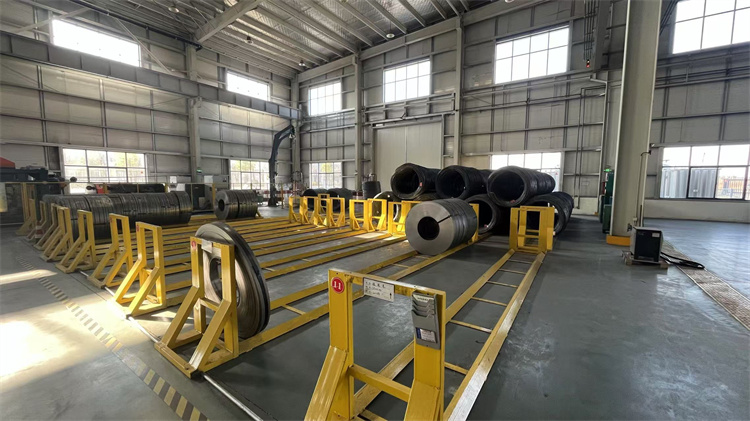
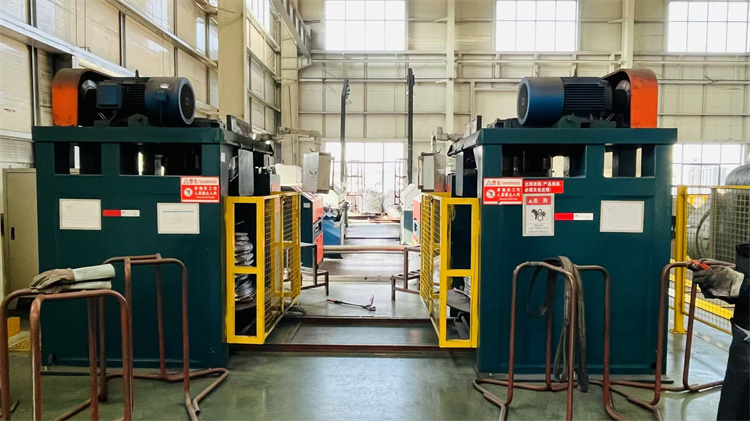
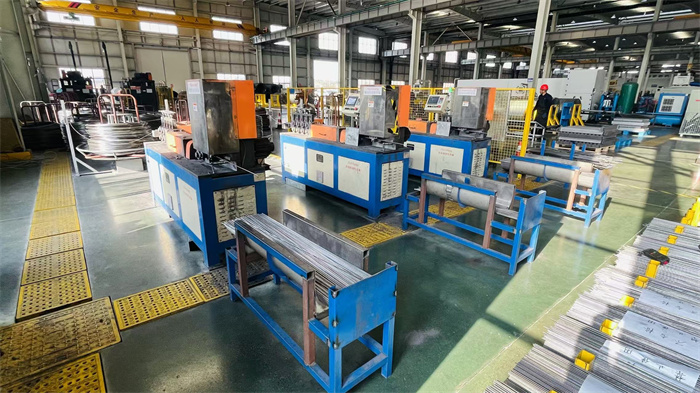
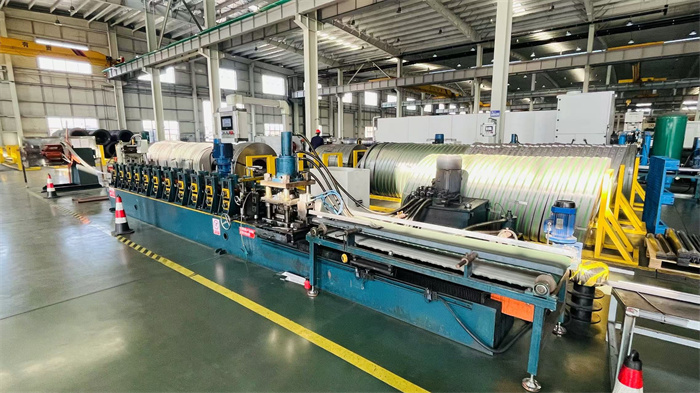
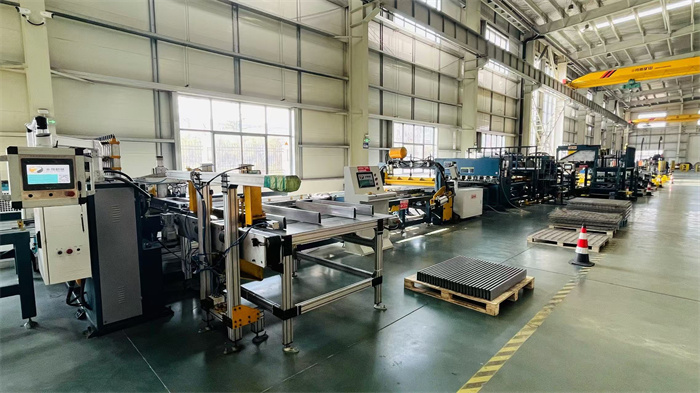
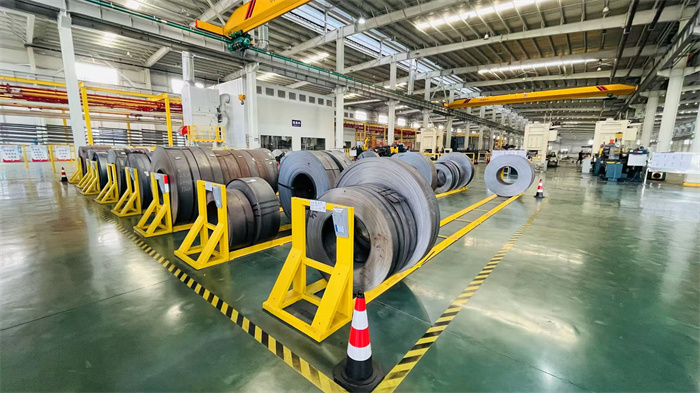
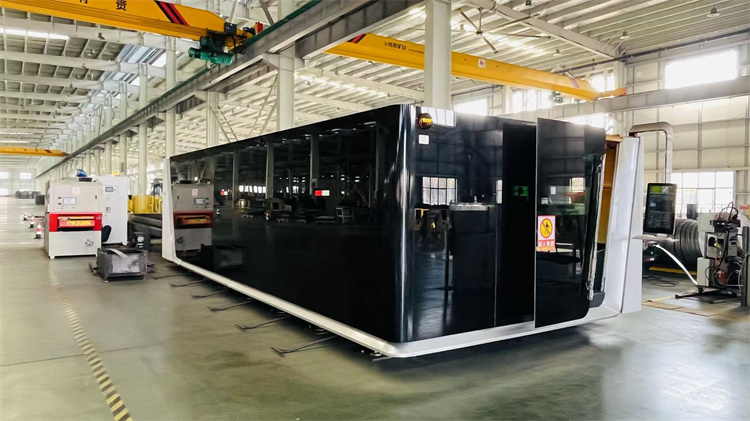
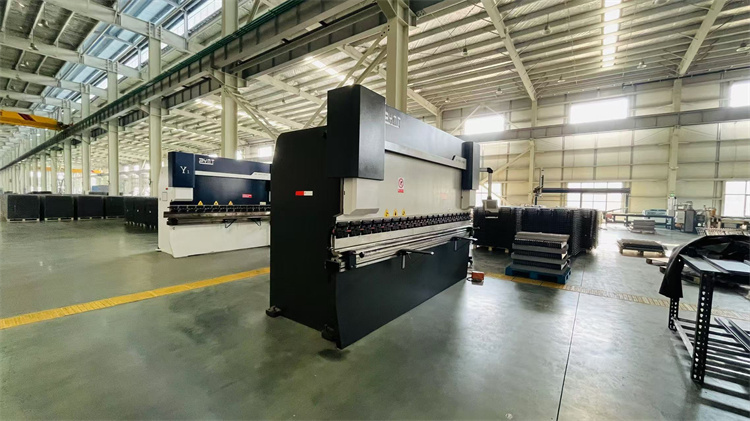
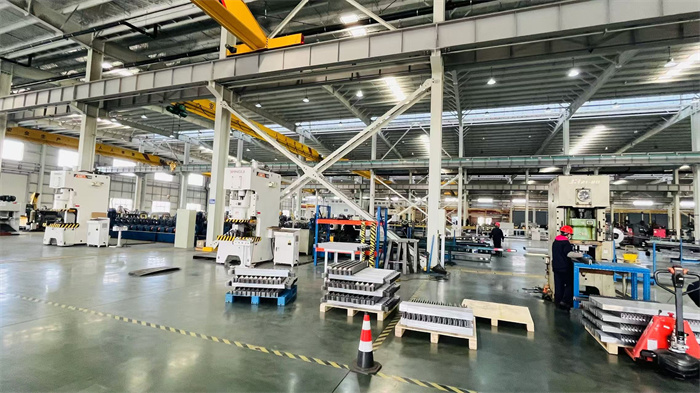
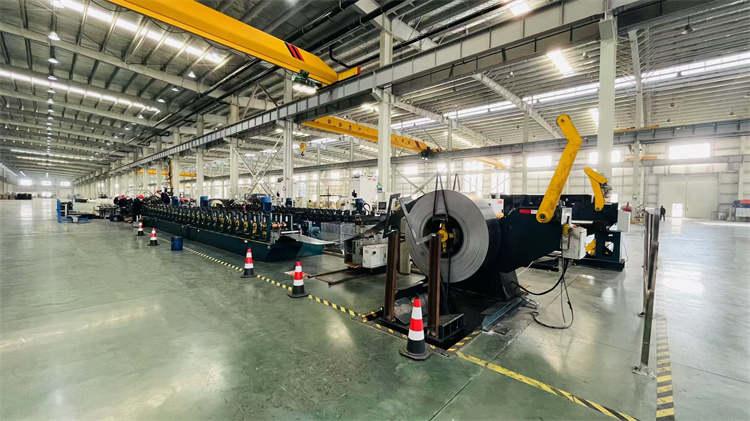
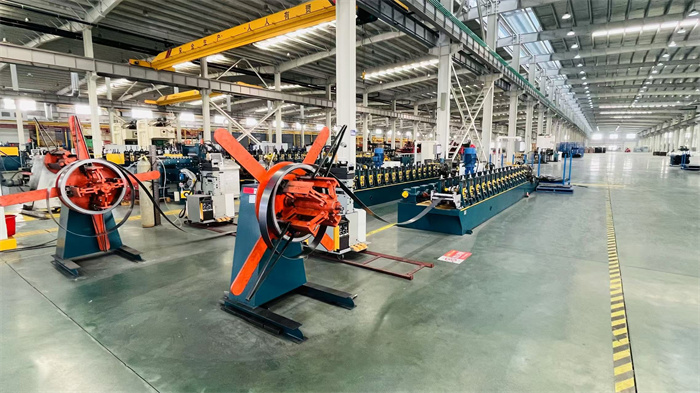
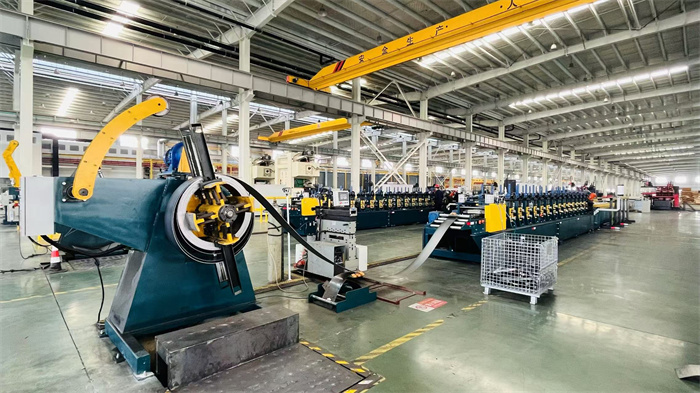
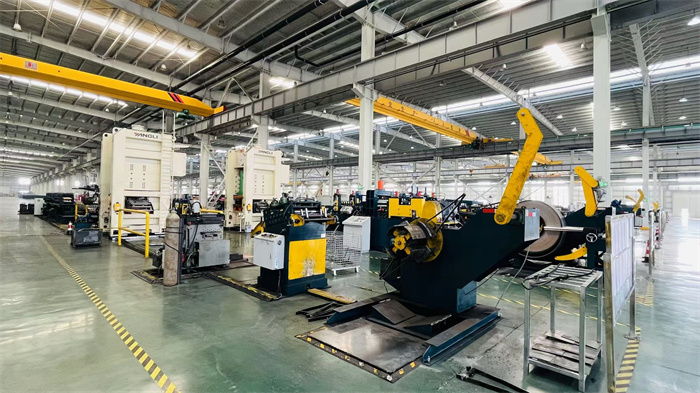
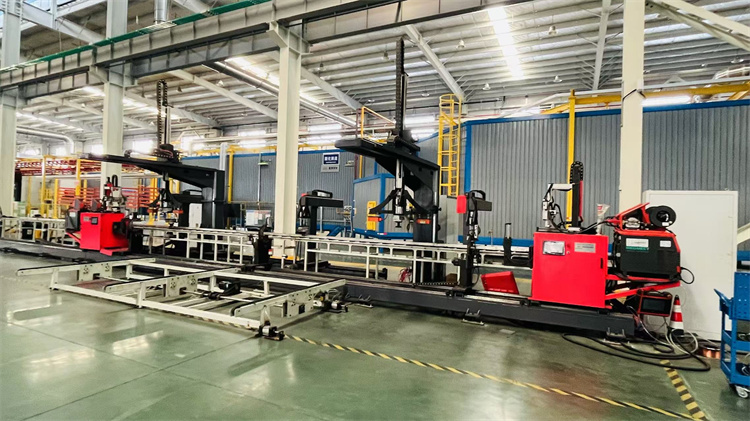
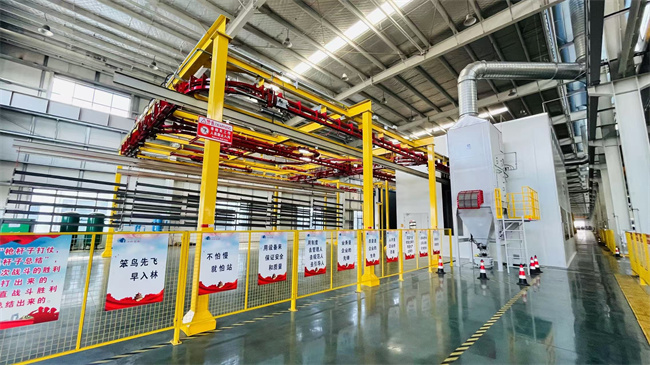
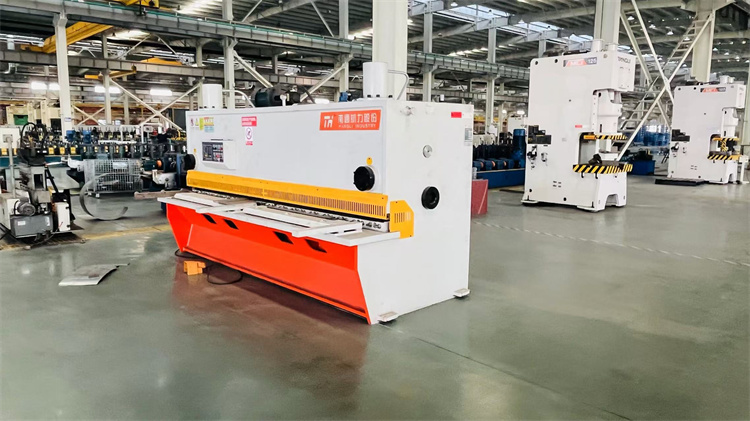
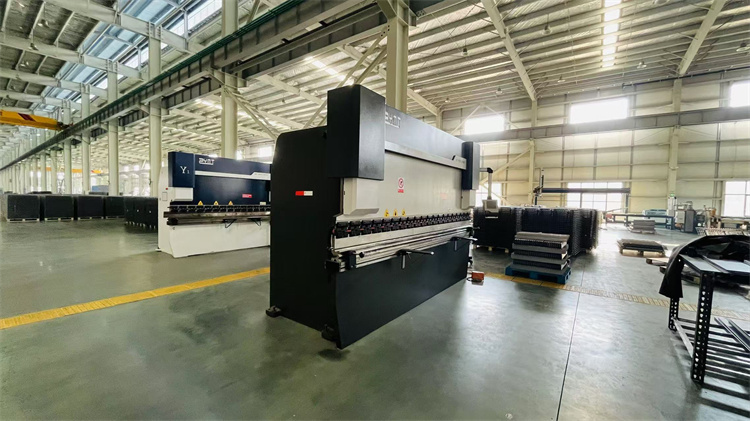
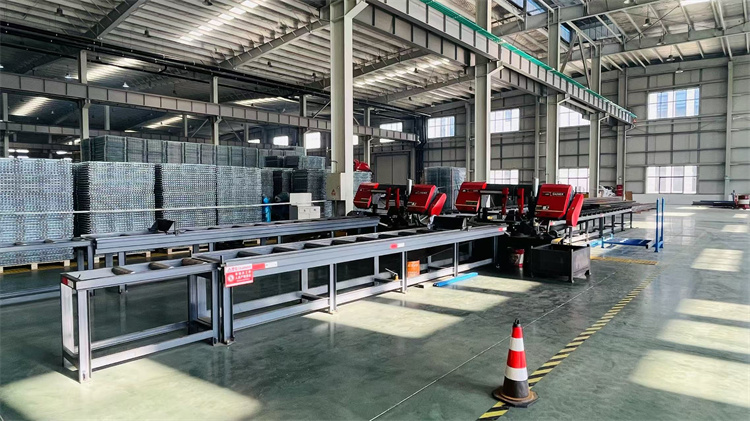
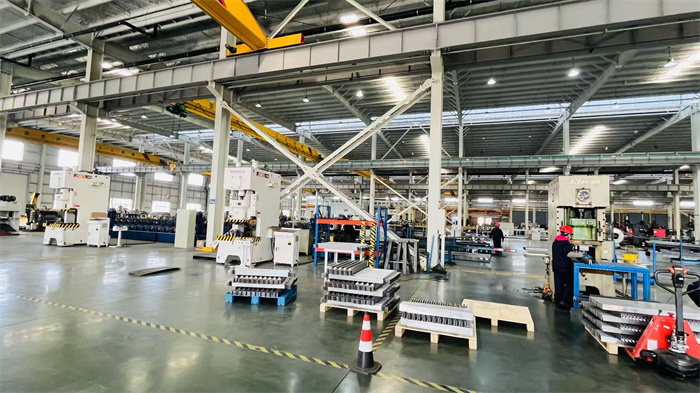
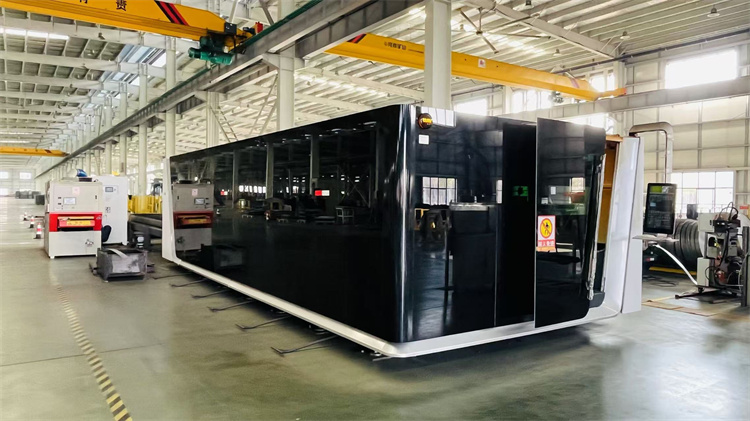
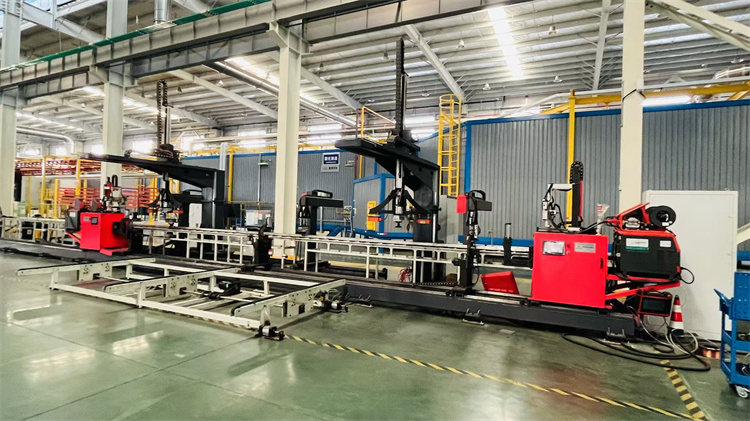
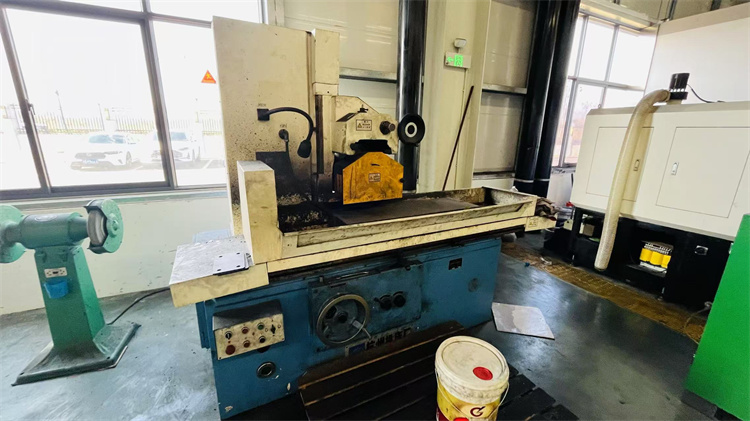
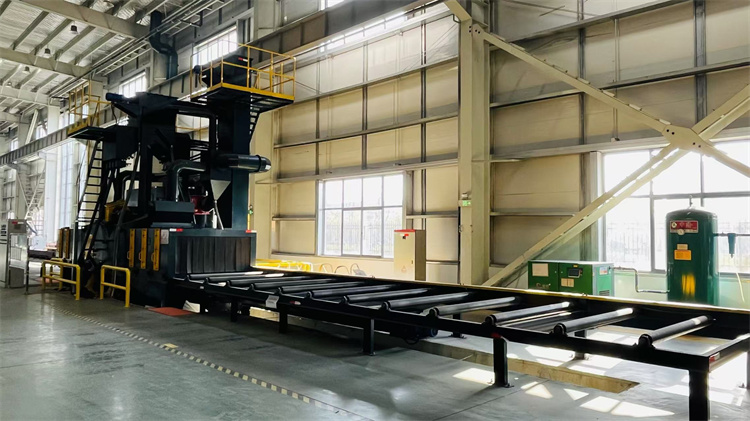
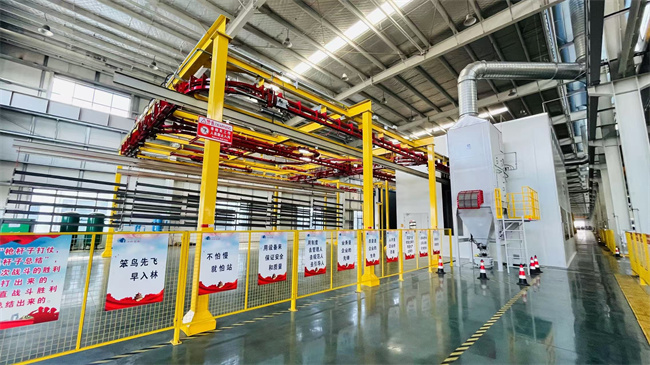
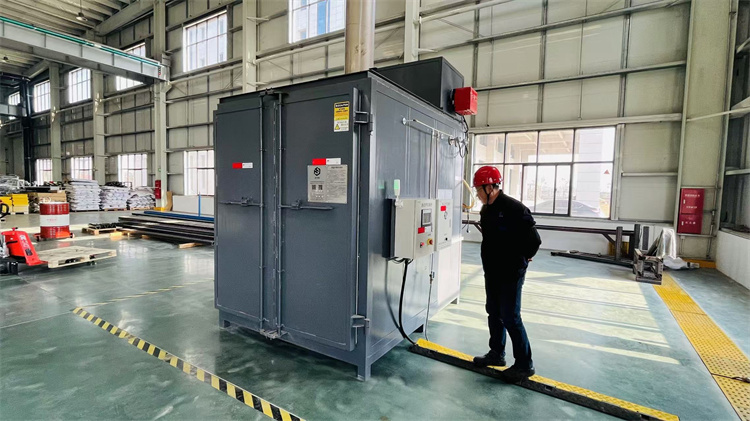
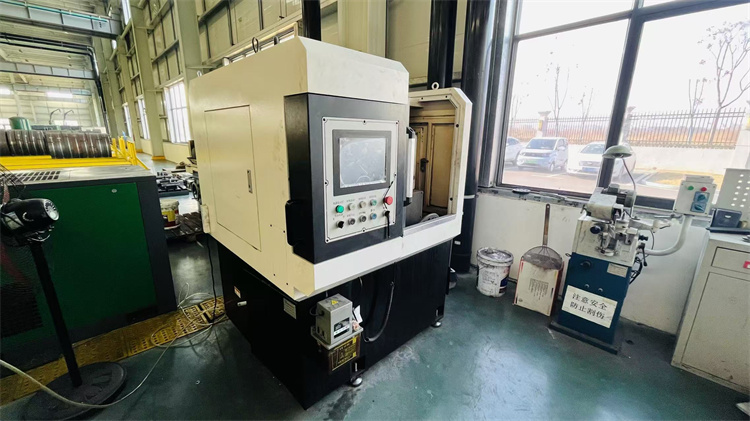
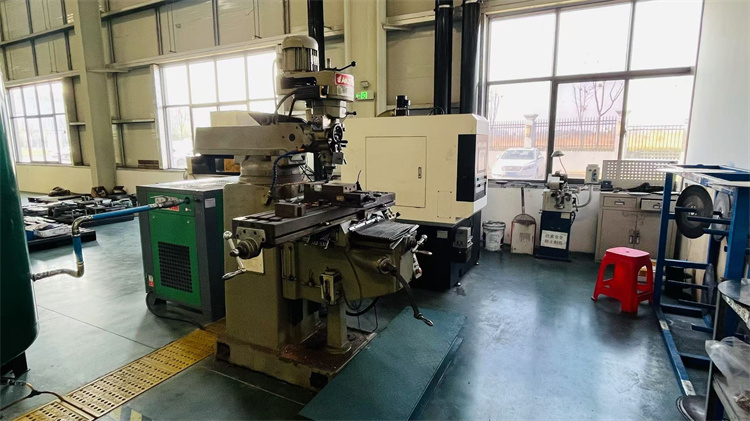
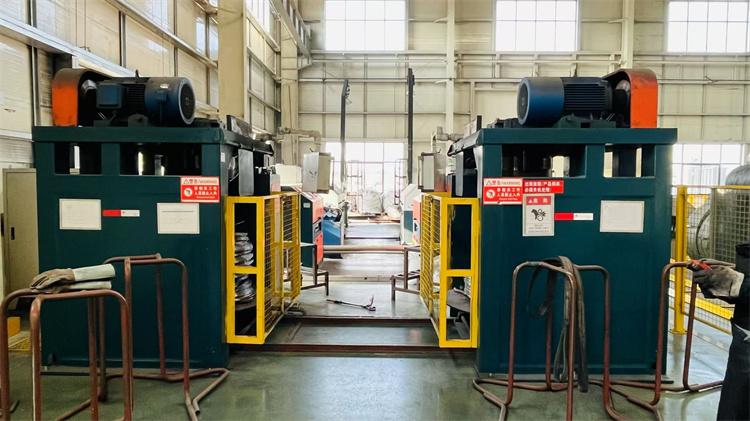
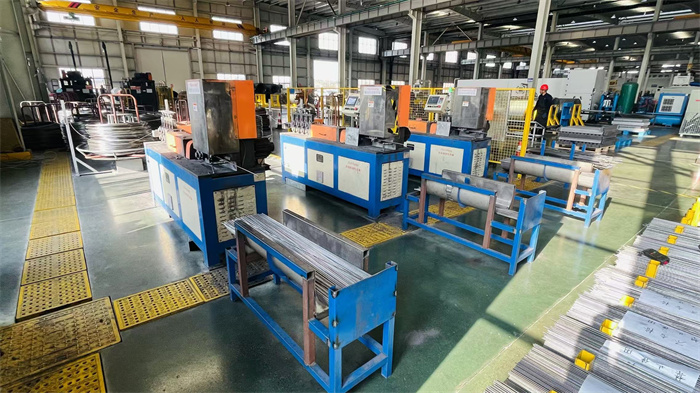
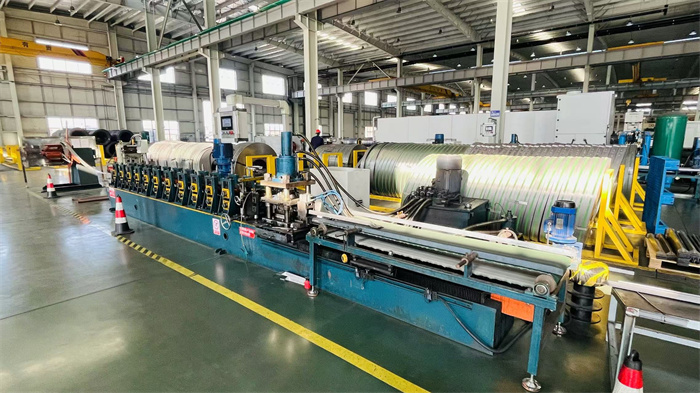
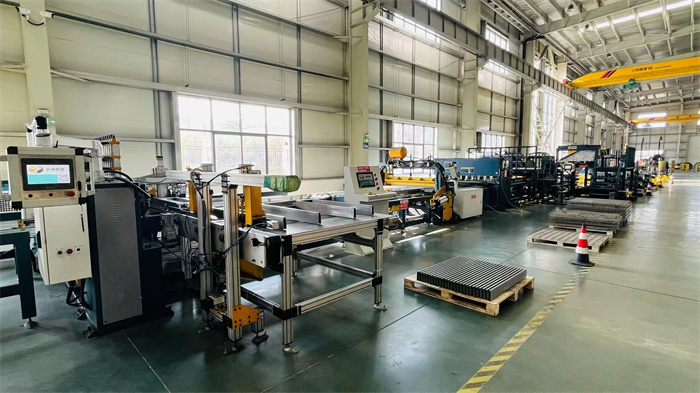
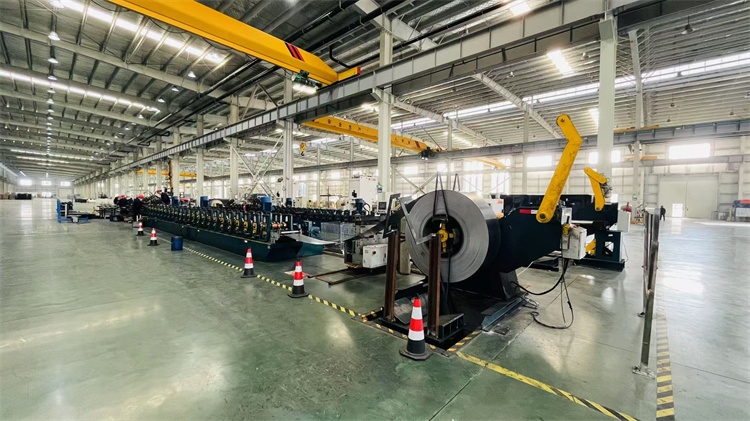
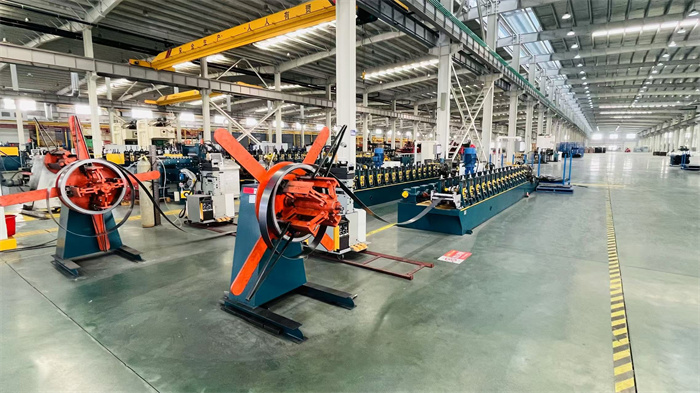
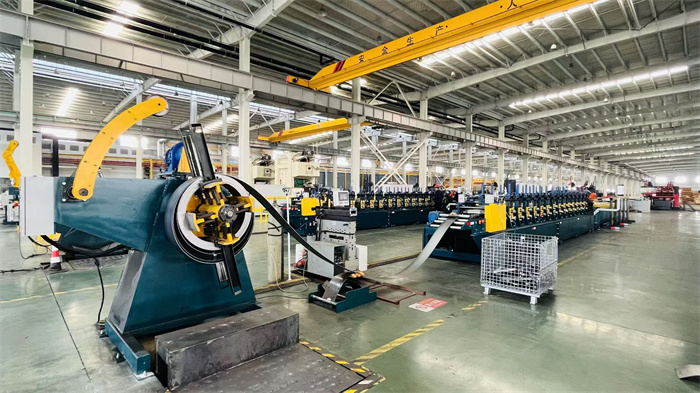
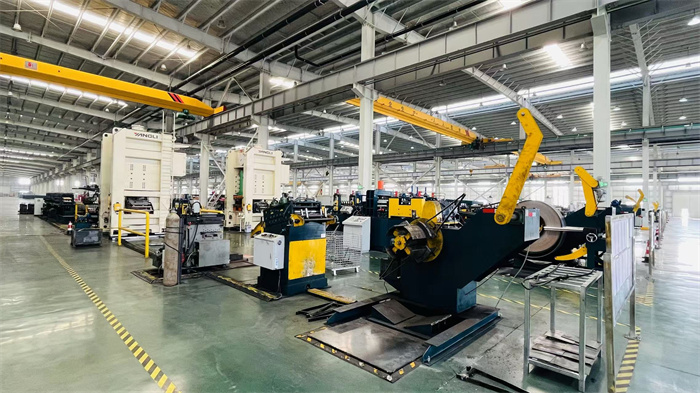
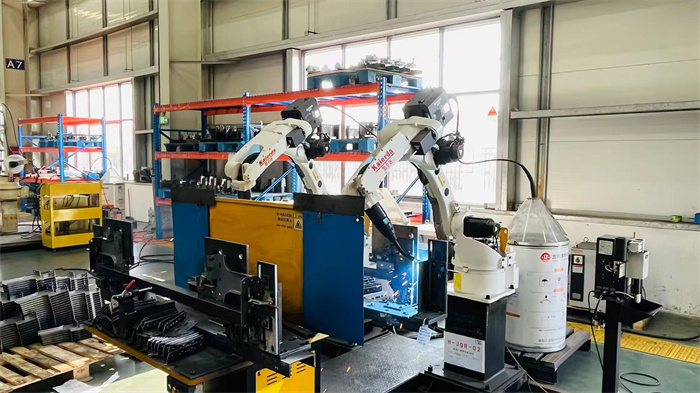
By sourcing certified structural raw materials (primarily Q235B and Q355B structural grades) and utilizing precision roll-forming technology, we fabricate upright profiles and beams with consistent geometry. Our automated welding robots provide deep joint penetration and consistent weld size, which are verified through non-destructive testing (NDT).
Components then undergo automatic shot blasting to remove scale and rust, preparing the steel for powder coating. The electrostatic powder-coating line applies a uniform, corrosion-resistant finish that protects the racks in high-humidity or cold-storage facilities.
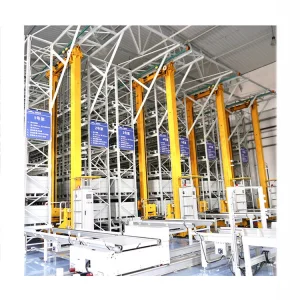
Industrial logistics operations are moving toward higher density, automation, and real-time inventory tracking. Racking systems are transitionary elements in smart warehouses, interfacing with automated storage/retrieval systems (AS/RS), autonomous mobile robots (AMRs), and automatic guided vehicles (AGVs).
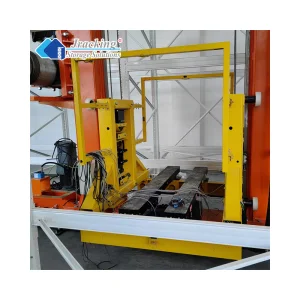
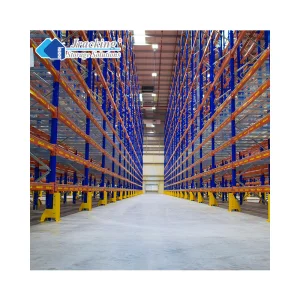
Automated storage requires tight dimensional tolerances. Deflections of even a few millimeters can disrupt optical sensors on stacker cranes or shuttle systems. Jracking designs and manufactures AS/RS structures with tight tolerances to support smooth, multi-level crane and shuttle operations.
We use Finite Element Analysis (FEA) software to evaluate static load conditions and simulate dynamic seismic loads. Our engineering team calculates node displacement, baseplate shear stress, and upright buckling limits according to regional seismic codes (such as FEMA and AS4084 guidelines).
Our material testing includes yield strength verification, tensile elongation testing, and coating wear resistance evaluations. We are incorporating high-yield-strength alloys to reduce component weight while maintaining load capacity, helping clients reduce shipping costs and structural footprints.
Standard racking designs may not fit all operating environments. Different industries require specific profiles, raw materials, and surface finishes to meet hygiene, temperature, and environmental regulations.
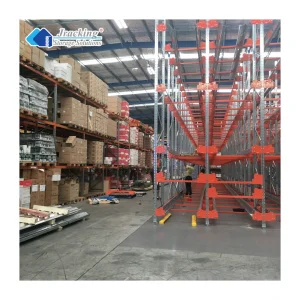
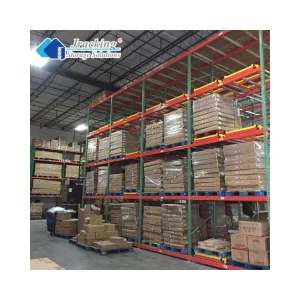
In cold storage, space is at a premium because of cooling costs. Drive-in, push-back, and shuttle racking systems maximize storage density. We use specialized low-temperature carbon steel and thick powder coatings to prevent steel embrittlement and surface peeling at temperatures down to -30°C.
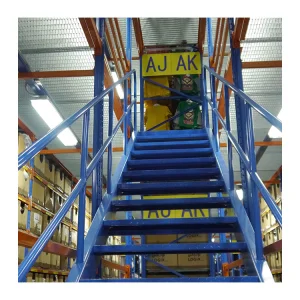
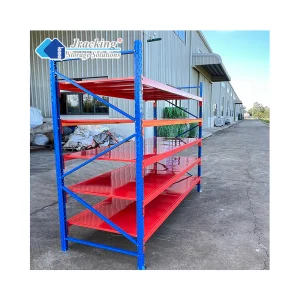
Multi-tier mezzanine floor platforms and selective pallet racking systems are configuration baselines for high-SKU operations. These systems maximize vertical warehouse space, separate picking and restocking zones, and support fast conveyor integration.
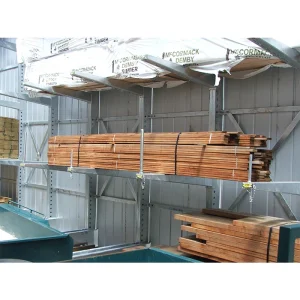
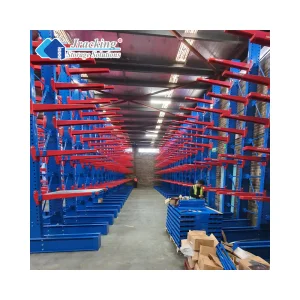
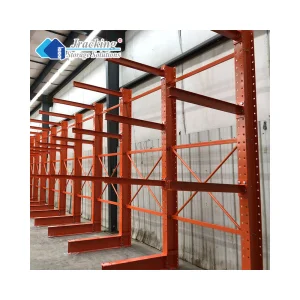
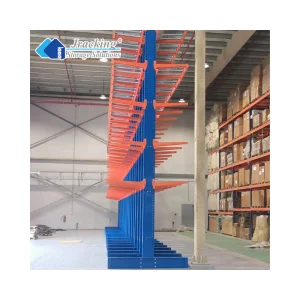
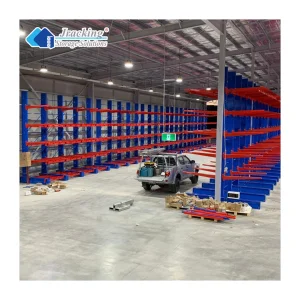
Storing heavy coils, raw sheet metal, and tubing requires heavy-duty cantilever structures. Jracking's heavy-duty cantilever racks feature adjustable arms with load capacities exceeding 3,000 kg per arm, preventing deflection and facilitating overhead crane access.
Medical distribution requires sanitary storage solutions that resist chemical washdowns. We offer hot-dip galvanized racking and stainless steel components with smooth, dust-resistant profiles that meet strict regulatory requirements.
To export to European, American, and Australian markets, products must meet strict regulatory and engineering criteria. Jracking maintains compliance protocols that match key international standards, providing assurance of safety and performance for our clients.
Our structural racking solutions are compliant with CE Directives and conform to EN 15512 and EN 15620. This compliance is verified by external testing organizations, covering our design calculations and manufacturing processes.
For North and South American clients, we design teardrop and selective racking systems in accordance with RMI (Rack Manufacturers Institute) guidelines. This includes testing structural upright sections and connections for seismic resistance.
We manufacture steel storage racking to meet AS4084-2012 / AS4084-2023 standards. Compliance involves testing structural columns, baseplates, and beams to ensure safety in Australian distribution centers.
Our quality control department is staffed by 48 professional quality inspectors. They conduct material inspections, verify load capacities, monitor weld quality, check coating thicknesses, and perform pre-shipment assembly tests to confirm that every delivered system meets our specifications.
Procuring warehouse equipment requires managing total cost of ownership (TCO), logistics, lead times, and design configurations. We focus on providing detailed documentation and engineering support to streamline the procurement process.
Our engineering team uses advanced structural modeling software to generate 2D and 3D drawings of your warehouse layout. We optimize the spacing of frames, aisle widths, and beam heights to align with your forklift models and operational workflow.
Racking components are heavy and bulky, which can make shipping complex. We use specialized packing techniques, bundle upright frames securely, and load containers efficiently to minimize transport damage and optimize container volume.
 Jracking