Pre-engineered components certified to rigorous international safety standards
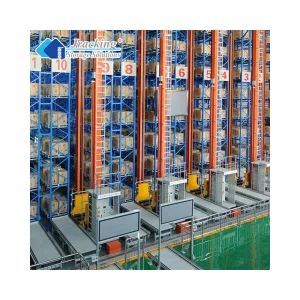
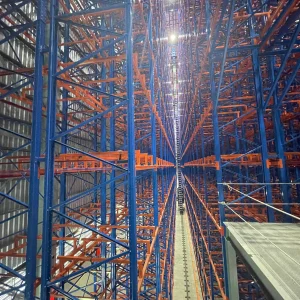
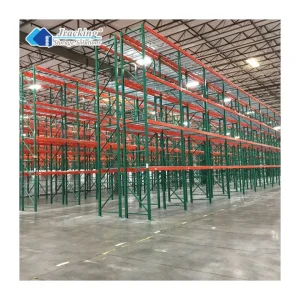
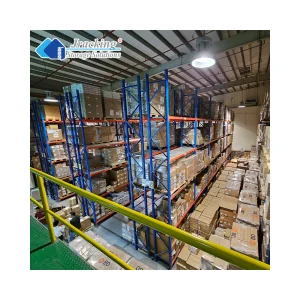
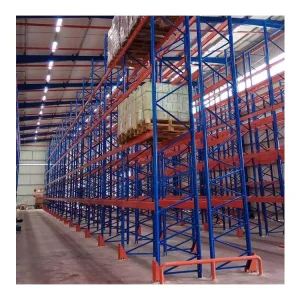
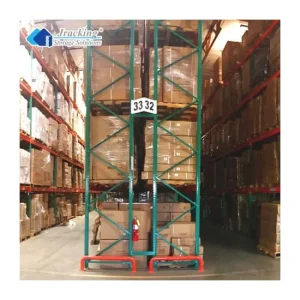
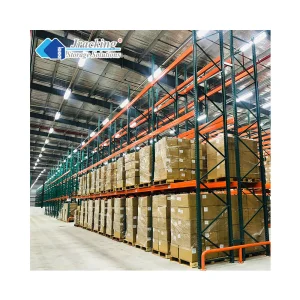
Modern supply chains demand optimized warehouse cube utilization without compromising safety. Heavy-lift racking systems serve as the structural backbone of global distribution hubs, bearing heavy loads of cold-chain stock, automotive assemblies, and high-density industrial goods. When procuring heavy-duty storage assets, understanding structural integrity and compliance with CE (Conformité Européenne) protocols is paramount.
CE certification represents a manufacturer's declaration that their racking complies with strict European health, safety, and environmental protection standards. For procurement managers, choosing a CE-certified heavy-lift racking manufacturer guarantees that the system is engineered under strict structural calculations (such as EN 15512 standards for steel static storage systems), reducing operational liability and avoiding system collapses.
Why Tier-1 global logistics enterprises consolidate their storage procurement with Chinese manufacturers
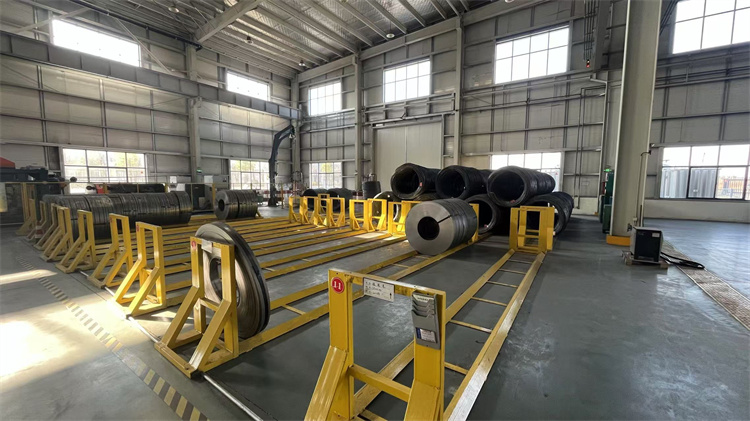
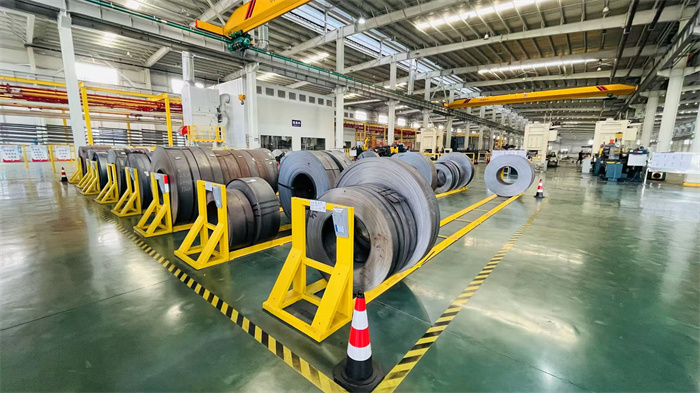
Direct sourcing of domestic Q235B and Q355B structural steel provides high tensile strength, load capability, and consistent ductility compared to standard commercial-grade steel.
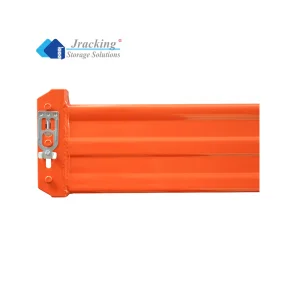
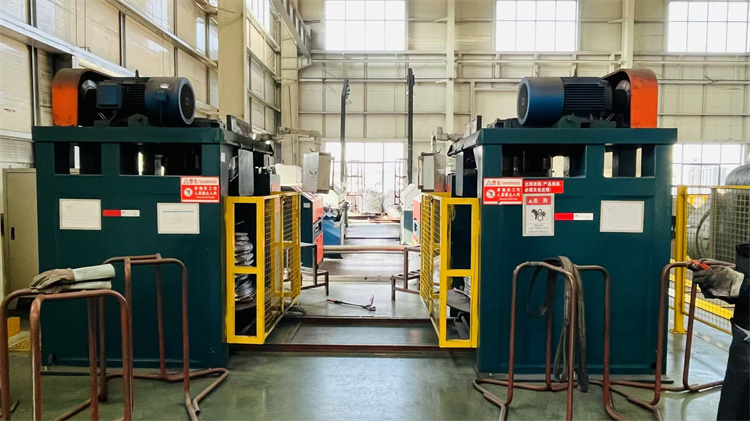
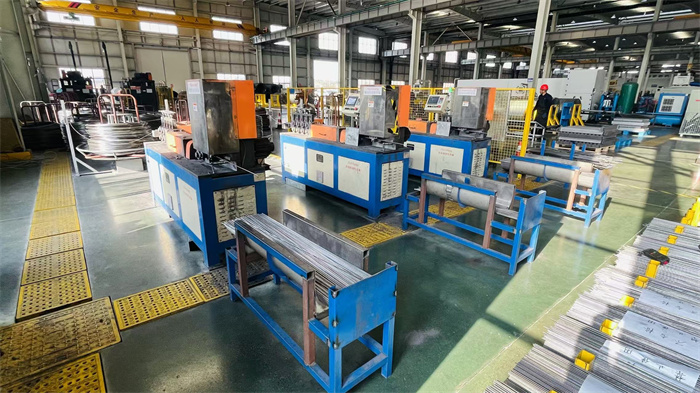
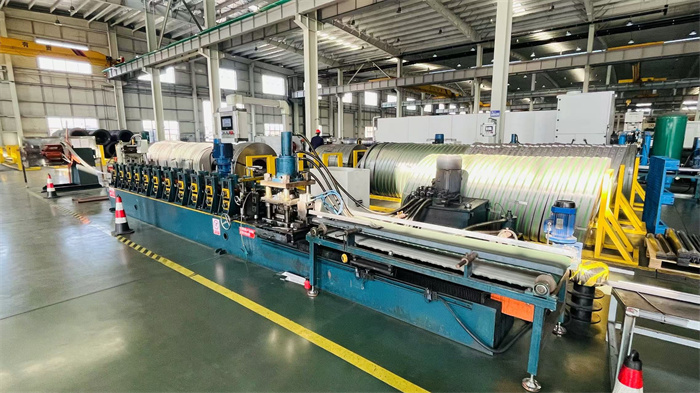
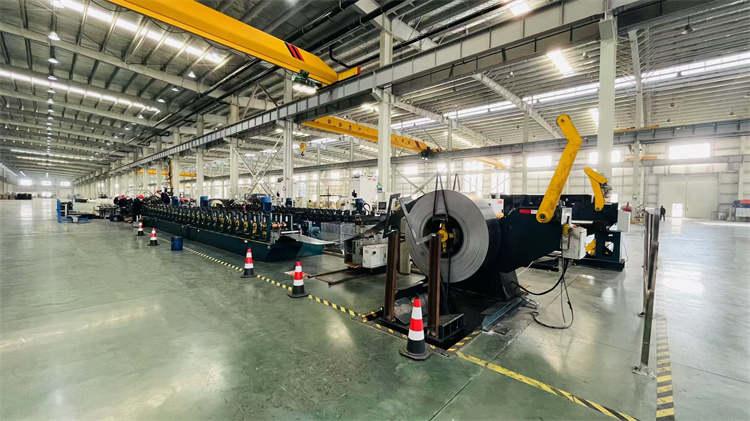
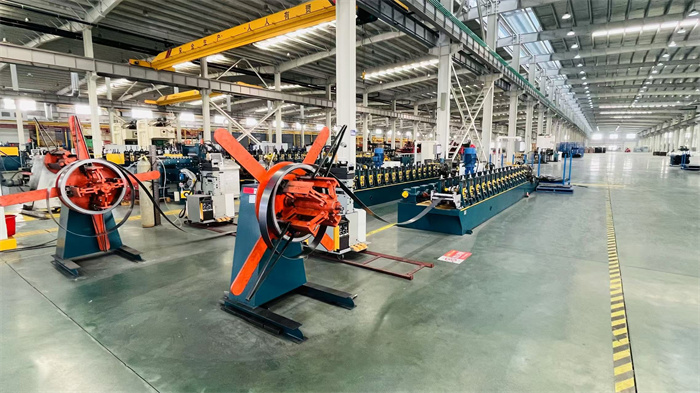
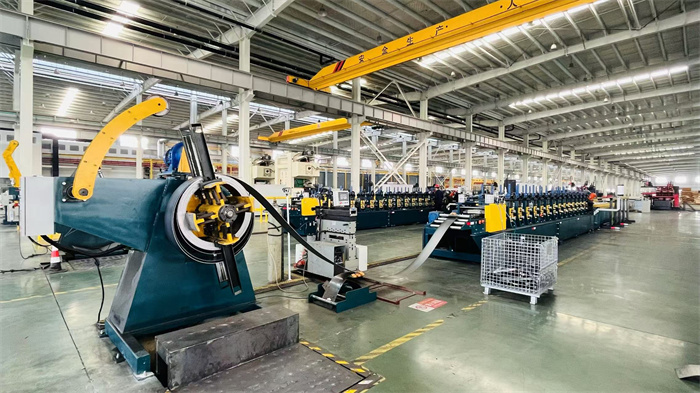
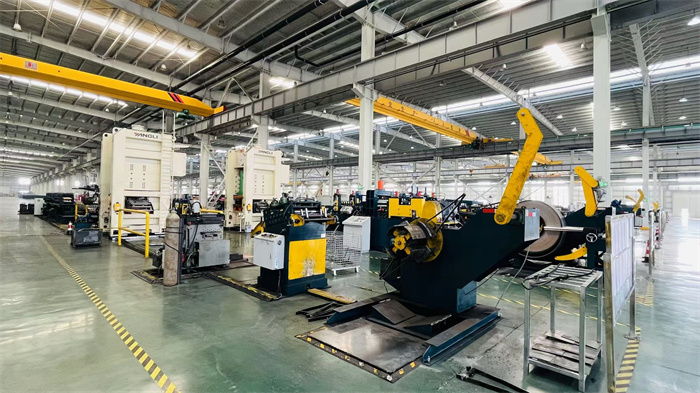
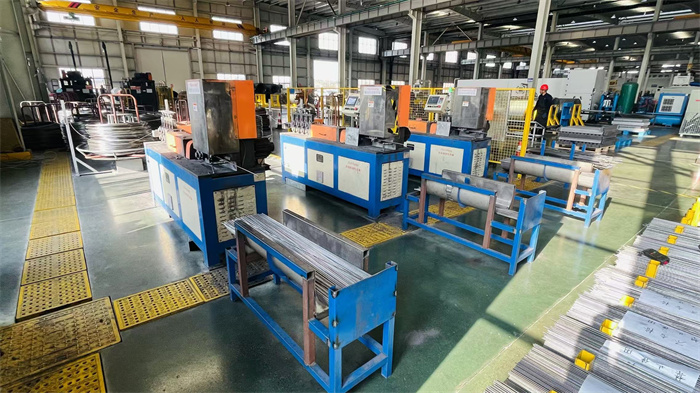
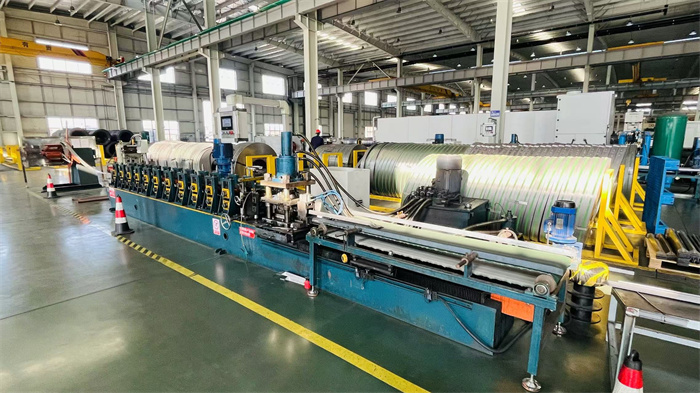
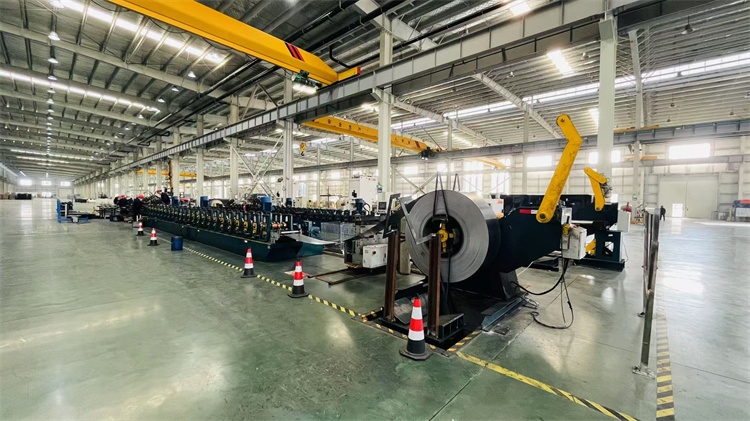
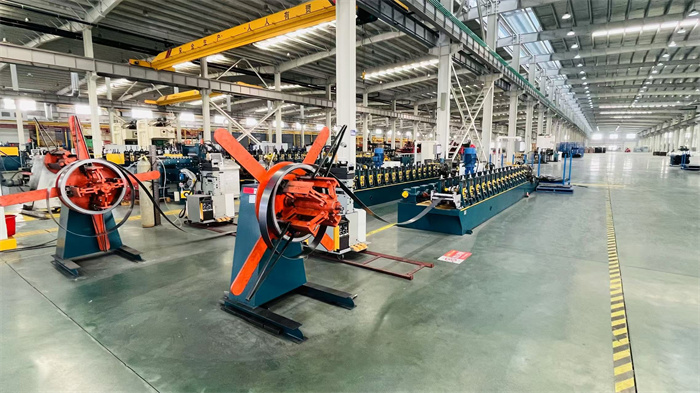
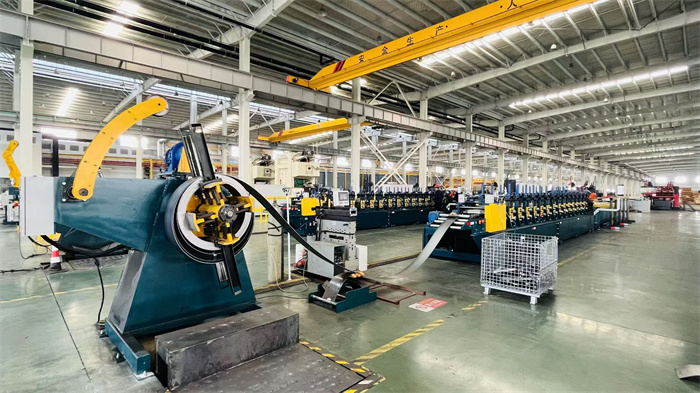
Continuous roll-forming machines produce complex profile shapes with tight tolerances, enhancing the overall load-bearing capacity of columns and step beams.
Integrated supply chains reduce raw material transport costs and manufacturing overhead, enabling competitive pricing while meeting international engineering standards.
"The convergence of robotics, proximity to global ports, and compliance with EU/ANSI testing certifications establishes Chinese manufacturers like Jracking as primary supply chain nodes for multinational distribution networks."
A look at automation integration, cold storage growth, and localized regulatory compliance
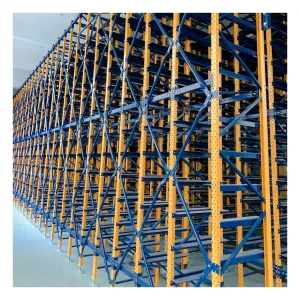
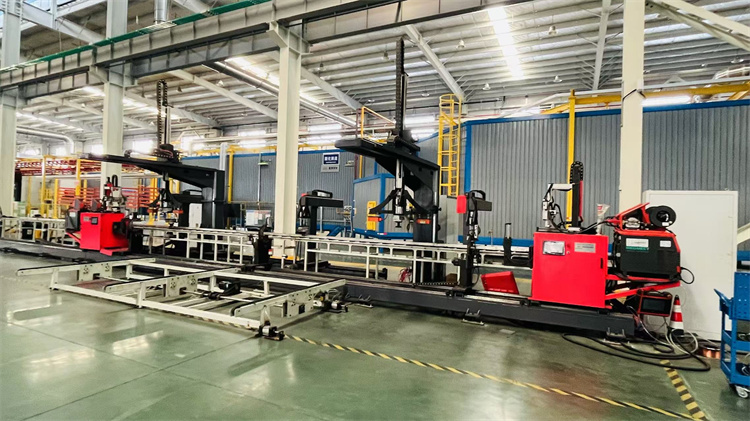
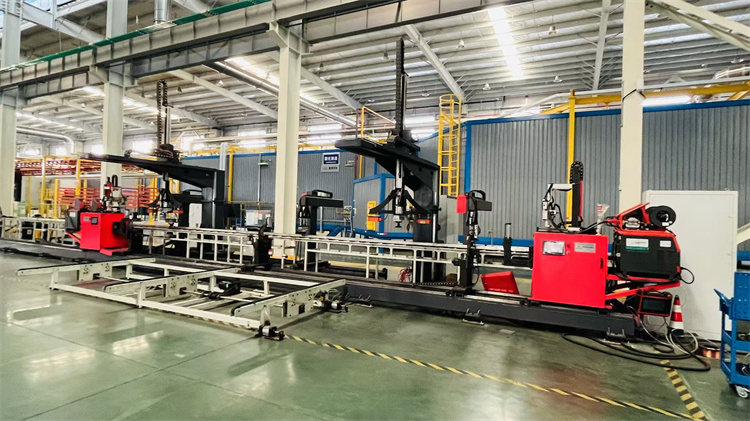
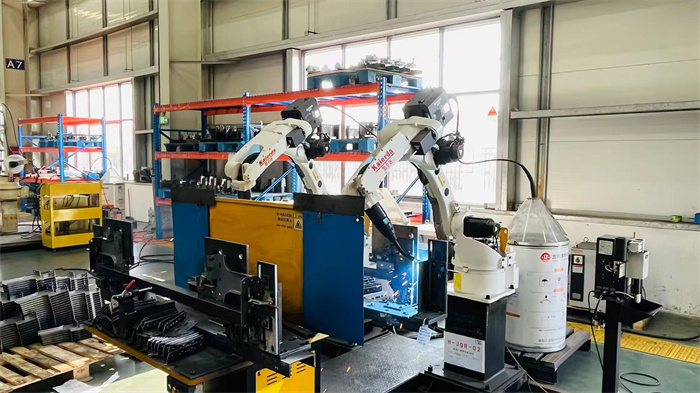
Traditional static warehouses are transitioning toward high-density automated facilities. AS/RS and vertical storage rack systems demand high precision from heavy-lift racking components. While a 1-2mm variance might be acceptable in manual forklift operations, in robot-controlled high-rack warehouses, even minimal structural deflections can trigger optical sensor faults and halt operations. As a result, tolerances must be strictly controlled through precision cold-rolling, high-grade robotic welding, and regular automated quality checks.
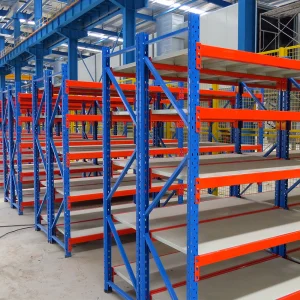
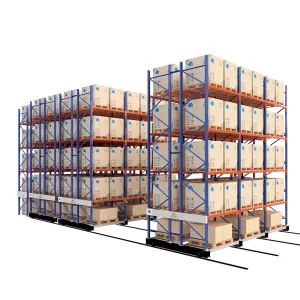
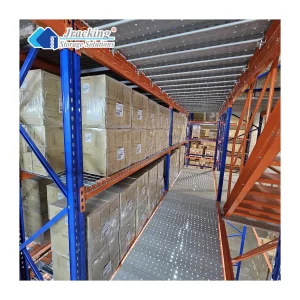
Driven by e-commerce grocery expansion and biopharmaceutical logistics, cold-chain space is highly valuable and costly to operate. Multi-level longspan shelving and high-density mobile racking systems maximize storage density, lowering energy usage per pallet position. Racking deployed in sub-zero environments (down to -30°C) must be engineered with cold-resistant steel grades to prevent brittle fracture, and finished with thick powder coating or hot-dip galvanizing to resist condensation-driven oxidation.
Different jurisdictions impose distinct safety protocols. For example, North America relies on RMI MH16.1 specifications, Europe requires EN 15512 and FEM regulations, and Australia references AS4084. Global suppliers must be able to adapt their engineering calculations to accommodate local seismic zones, soil types, and wind load demands for external rack-clad structures. Our engineering division works with local project contractors to run FEA (Finite Element Analysis) tests on beam-to-column connections, ensuring compliance and peace of mind during inspections.
Over a decade of engineering storage solutions for international markets
Jracking (Guangdong) Storage Co., Ltd. is a professional manufacturer specializing in warehouse racking systems and industrial storage solutions in China. Since its establishment in 2016, the company has been dedicated to designing, manufacturing, and supplying high-quality storage equipment for global customers across various industries.
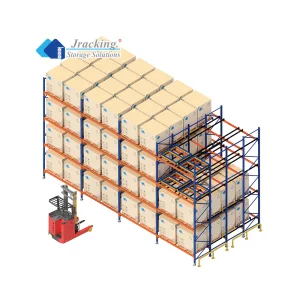
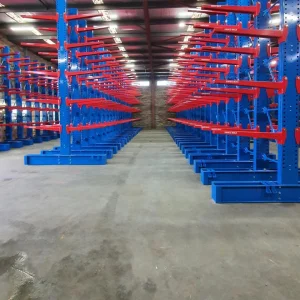
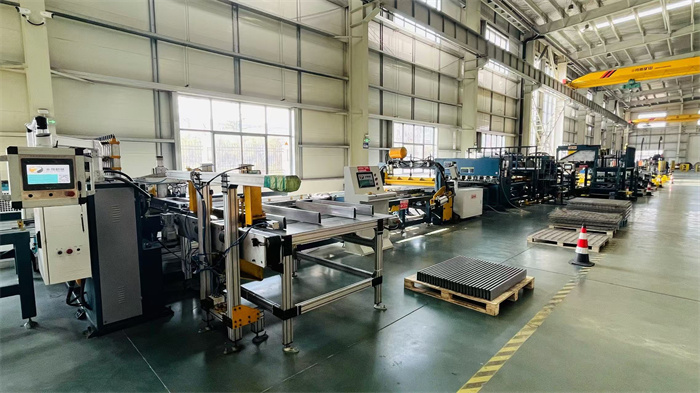
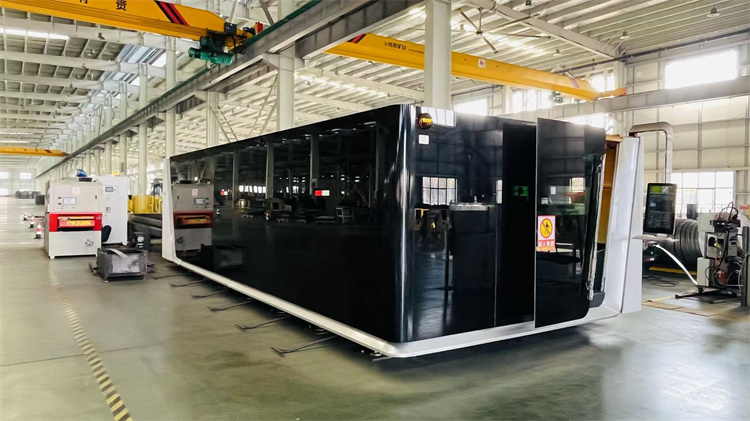
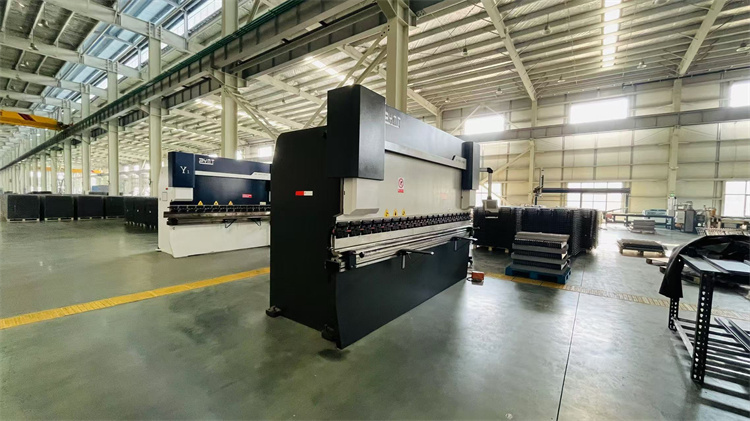
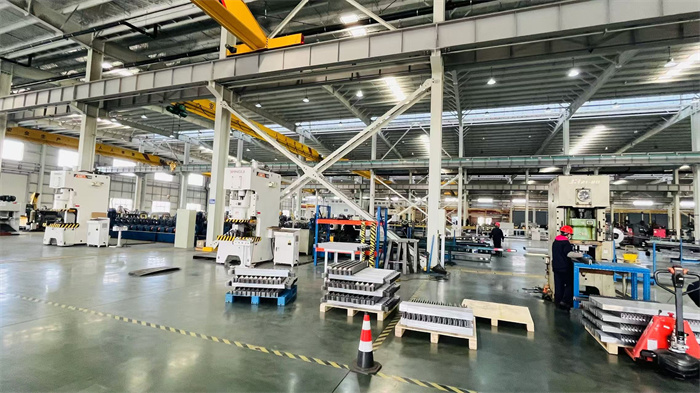
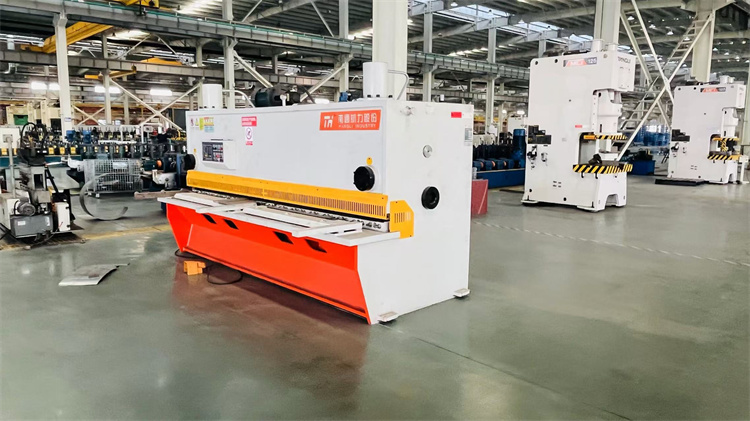
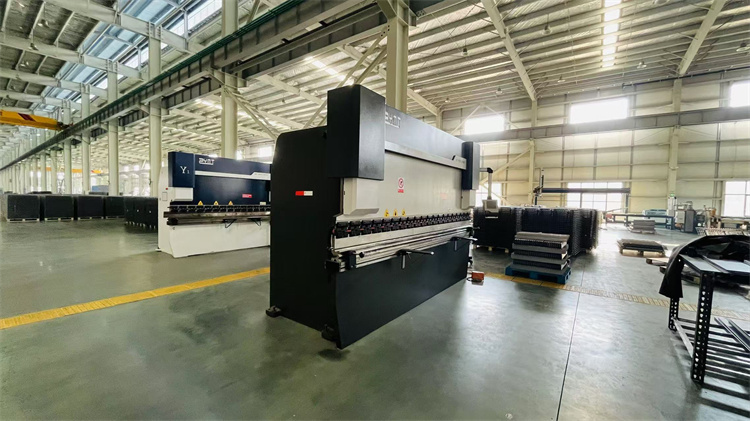
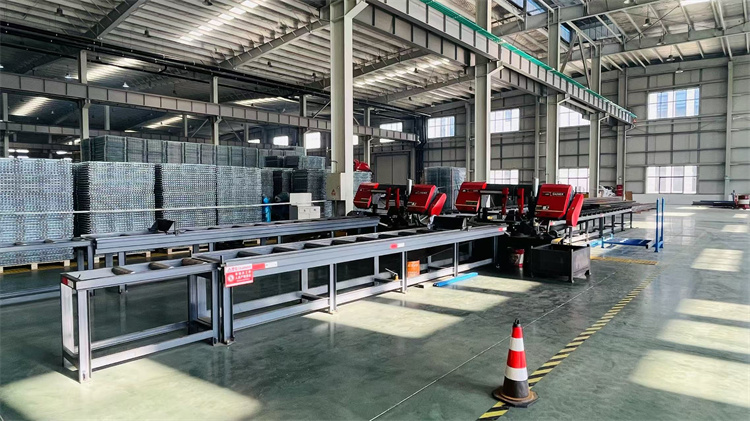
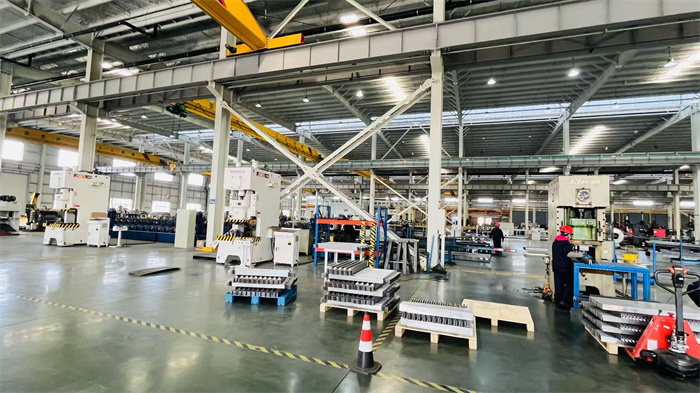
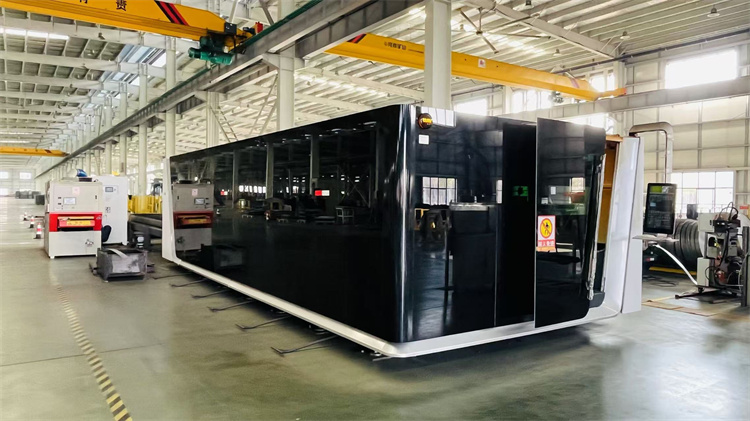
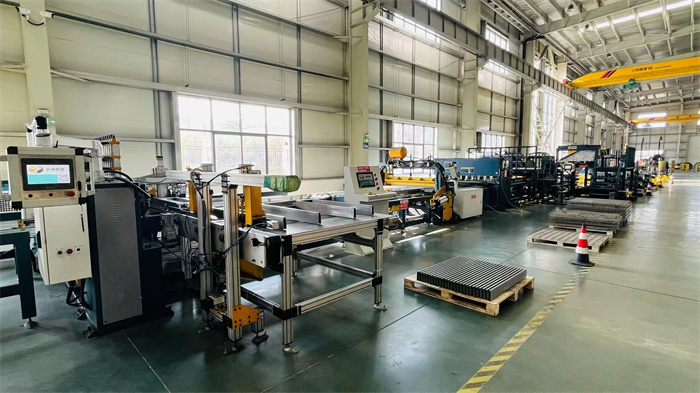
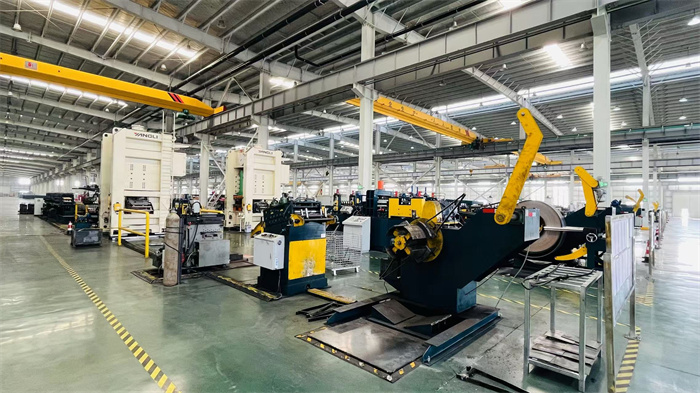
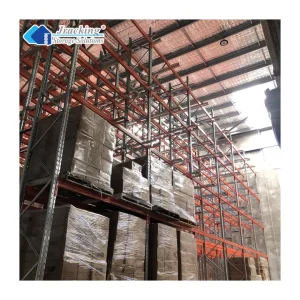
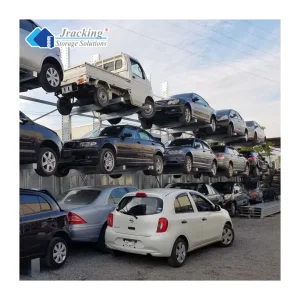
With a modern manufacturing facility covering 28,600 m², Jracking integrates advanced production equipment, strict quality management systems, and experienced engineering teams to ensure reliable product performance and consistent manufacturing standards. The company offers a comprehensive range of storage products including selective pallet racks, drive-in racking, cantilever racks, mezzanine systems, longspan shelving, steel platforms, and customized warehouse storage solutions.
Backed by over 8 years of export experience and 12 years of industry expertise, Jracking has successfully served customers in North America, Europe, Southeast Asia, Australia, and the Middle East. The company's annual export revenue exceeds USD 18 million, reflecting its strong competitiveness in the international storage equipment market.
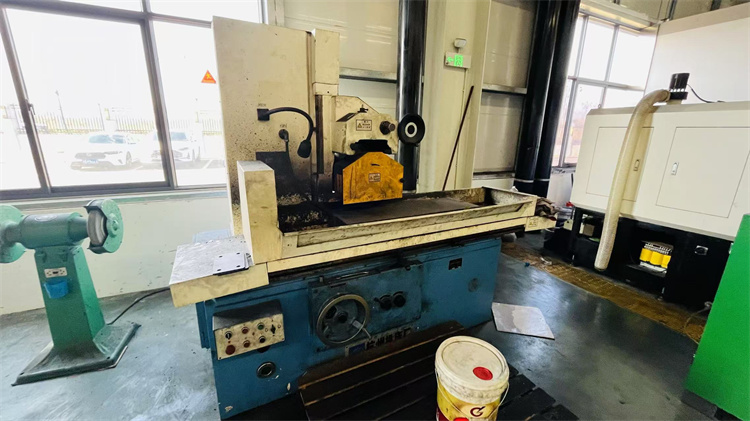
Quality remains the core of Jracking's manufacturing philosophy. Every production process is strictly monitored through ISO-compliant quality control procedures, while products undergo load capacity testing, dimensional inspection, welding inspection, coating thickness testing, and final assembly inspection before shipment. The company employs 48 professional quality inspectors to maintain stable product quality and customer satisfaction.
As an OEM & ODM manufacturer, Jracking collaborates with more than 1,150 supply chain partners, enabling efficient sourcing, flexible production scheduling, and fast delivery for global projects. Its primary customers include warehouse equipment distributors, importers, wholesalers, logistics companies, e-commerce fulfillment centers, and industrial project contractors.
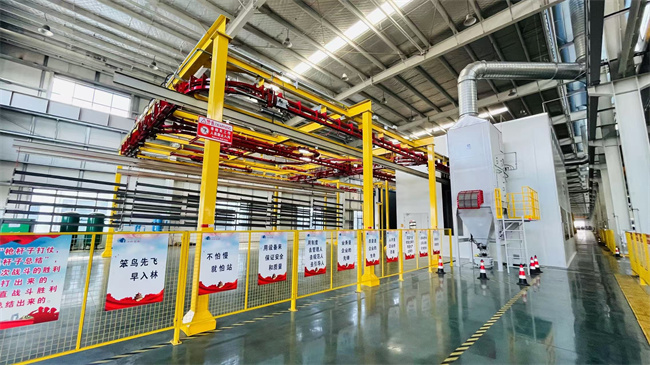
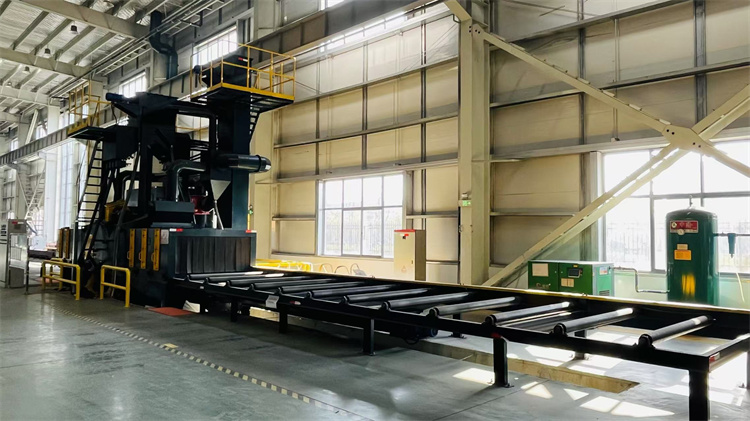
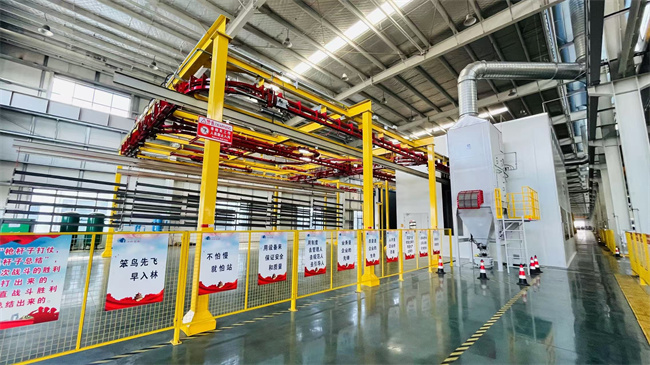
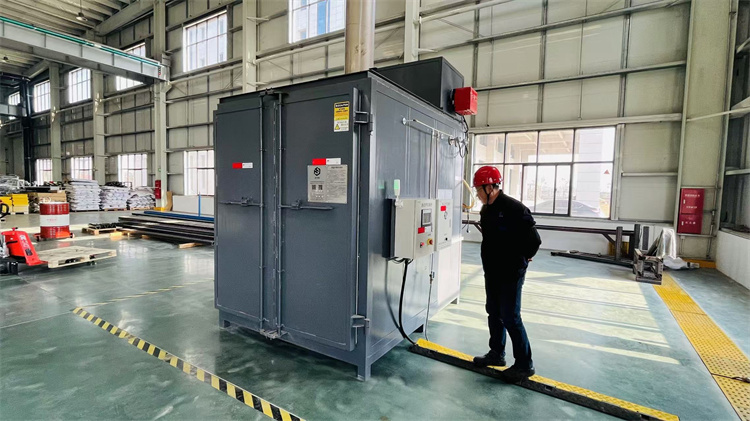
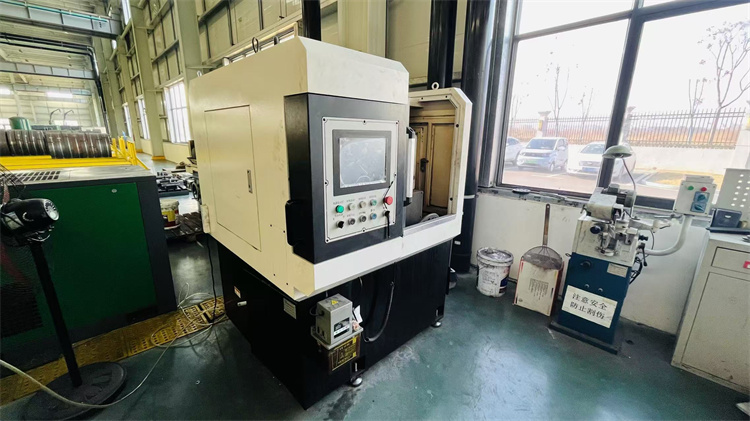
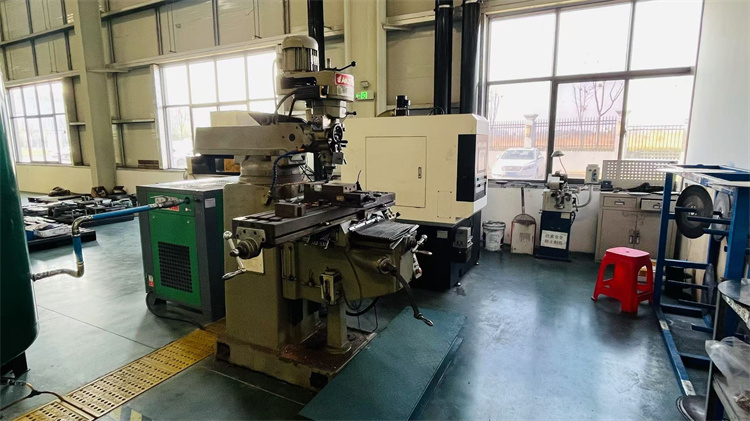
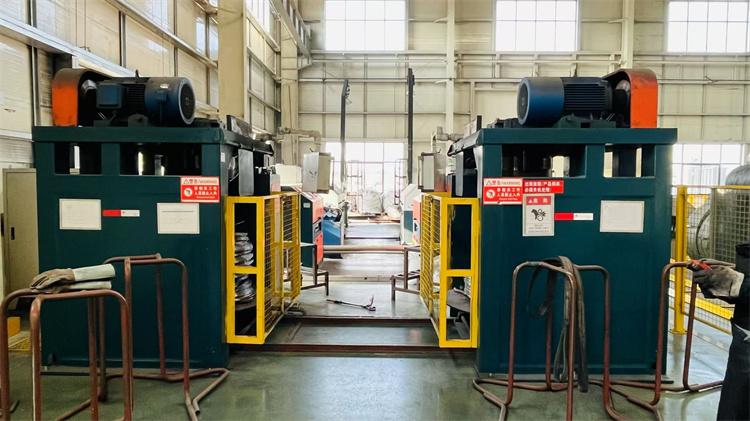
Complete traceability from certified steel coil processing to automated electrostatic powder coating
Practical structural variables when specifying heavy-duty industrial storage racks
Procuring industrial racking demands attention to technical details to ensure safety and system longevity. Buying based on price alone without analyzing engineering specifications often leads to structural deformation or localized failures. Engineers and logistics buyers should focus on the following key metrics:
The standard maximum deflection for horizontal beams under full load is limited to L/200 (or L/300 for high-precision robotic systems), where L represents the length of the span. Exceeding this threshold can lead to metal fatigue and make it difficult for forklift operators to position pallets safely.
Racking designs must consider site-specific conditions, including floor slab strength, local seismic acceleration coefficients, and wind loads for semi-outdoor structures. Racking columns must be securely anchored to the concrete floor slab using heavy-duty expansion bolts or chemical anchors, with structural baseplates helping to distribute the load evenly.
Industrial forklift traffic poses a constant risk to upright frames. Heavy-duty column protectors, end-of-aisle barriers, and guide rails help absorb impacts, extending the lifespan of the racking and reducing structural maintenance costs over time.
Structural engineering questions answered for logistics buyers and warehouse facility managers
Tested and certified warehouse systems built for heavy-lift applications
 Jracking