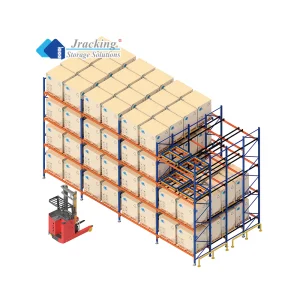
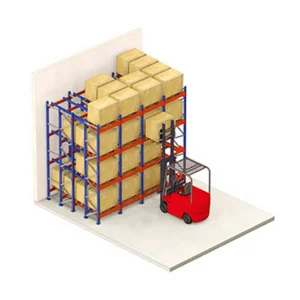
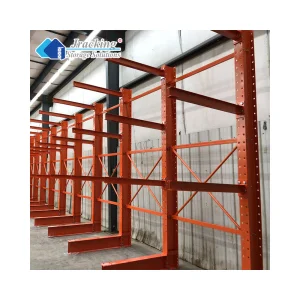
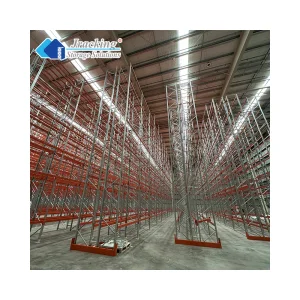
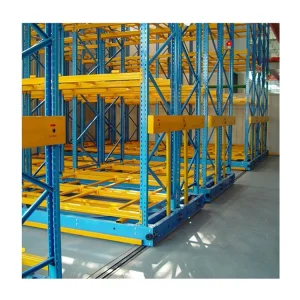
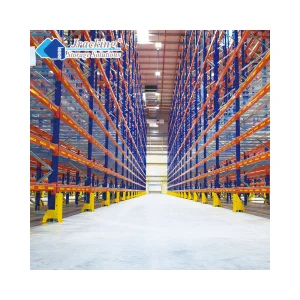
Engineered to maximize volumetric utilization while conforming to international CE and structural standard directives.
A look into Jracking's modern manufacturing capacity, engineering breakthroughs, and strict quality control processes.
Jracking (Guangdong) Storage Co., Ltd. is a professional manufacturer specializing in warehouse racking systems and industrial storage solutions in China. Since its establishment in 2016, the company has been dedicated to designing, manufacturing, and supplying high-quality storage equipment for global customers across various industries. Backed by over 8 years of export experience and 12 years of industry expertise, Jracking has successfully served customers in North America, Europe, Southeast Asia, Australia, and the Middle East, with annual export revenues exceeding USD 18 million.
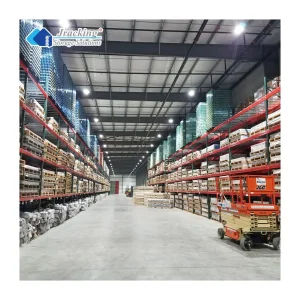
Quality remains the core of Jracking's manufacturing philosophy. Our modern manufacturing facility covering 28,600 m² integrates advanced production lines with strict quality management systems. Every manufacturing run is monitored through ISO-compliant quality control procedures. Finished products undergo intensive structural evaluations, including load capacity testing, dimensional inspection, welding penetration inspection, coating thickness testing, and final assembly verification. With 48 professional quality inspectors on-site, we maintain stable production quality that meets CE, RMI, and FEM standards.
As a seasoned OEM & ODM manufacturer, Jracking partners with more than 1,150 supply chain entities. This extensive network enables rapid sourcing of premium raw materials, flexible scheduling, and efficient global fulfillment. Our primary customer base spans warehouse distributors, heavy industrial importers, logistics companies, e-commerce fulfillment hubs, and structural engineering contractors. Innovation is driven by a dedicated engineering division of 85 R&D specialists who tailor designs, dimensions, colors, load profiles, and coatings to project needs. In the past year alone, Jracking has launched 156 new structural designs to support global material handling needs.
Step-by-step technological workflow ensuring material stability, high-precision geometry, and durable finishes.
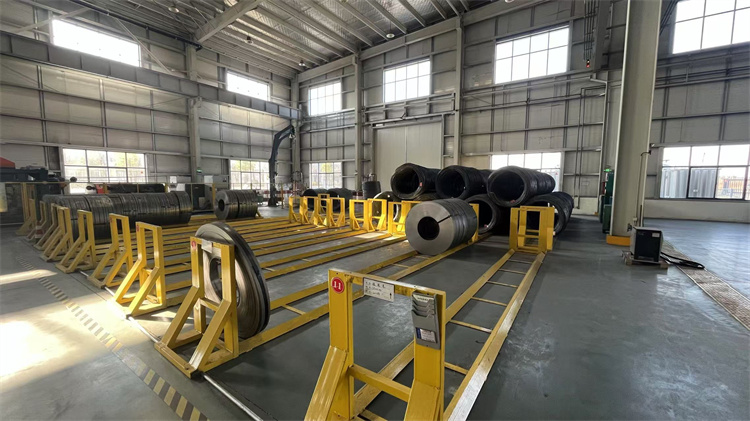 Raw Materials Inspection
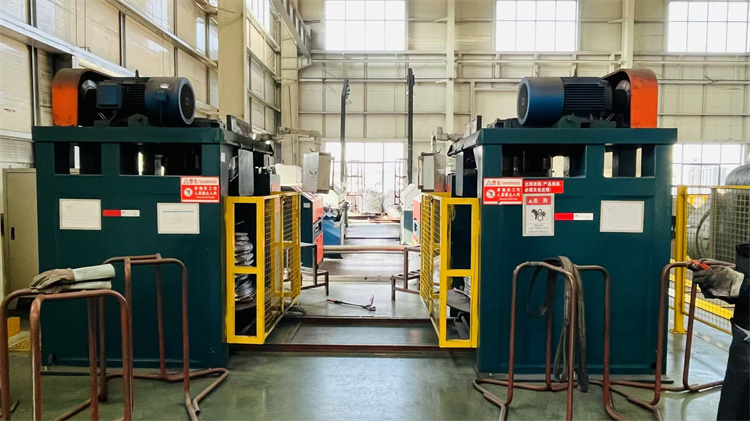 Wiredrawing & Calibration
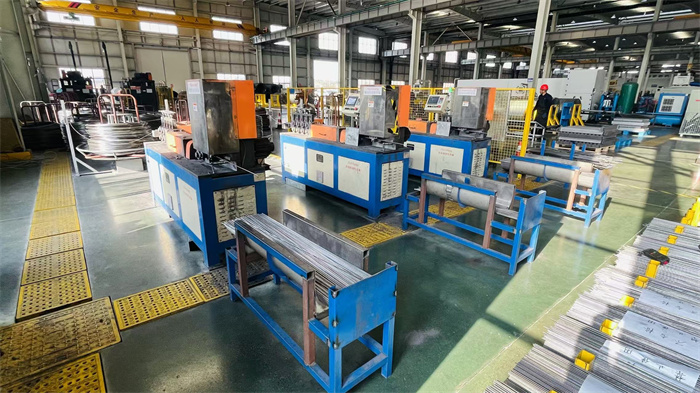 Cold-Strengthening
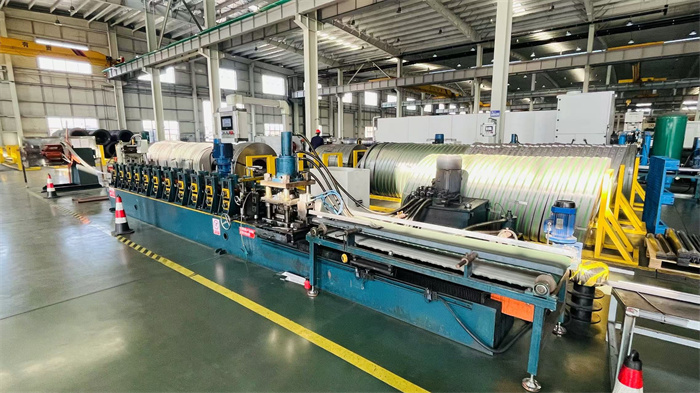 Strengthening Rib Profiling
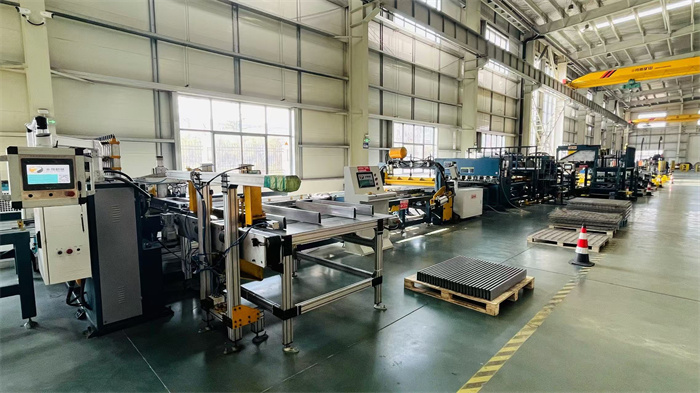 Metal Mesh Production
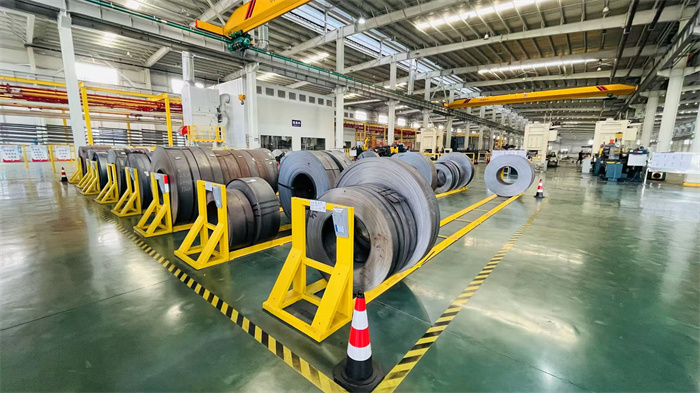 Raw Materials Handling
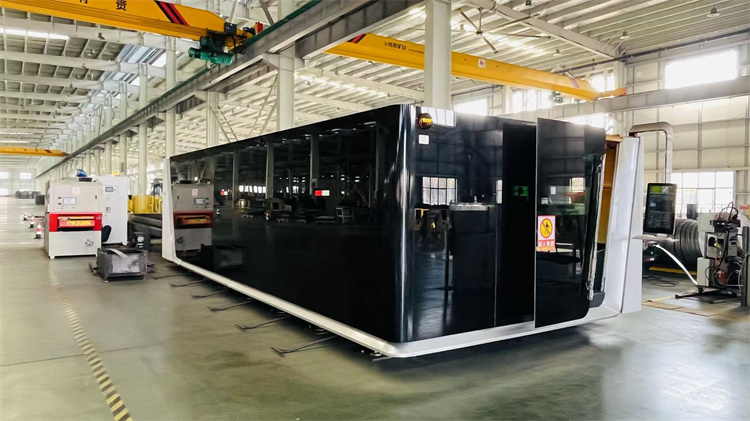 Precision Sheet Cutting
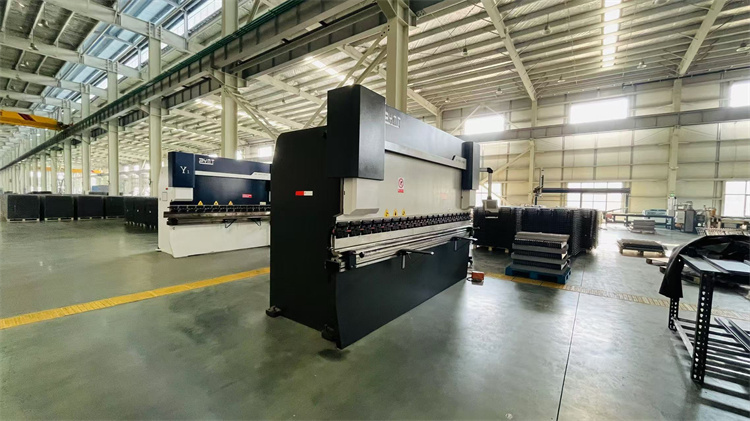 Precision Bending
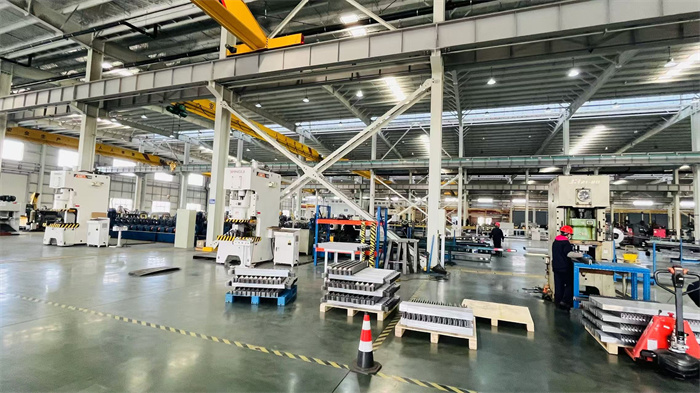 High-Speed Upright Punching
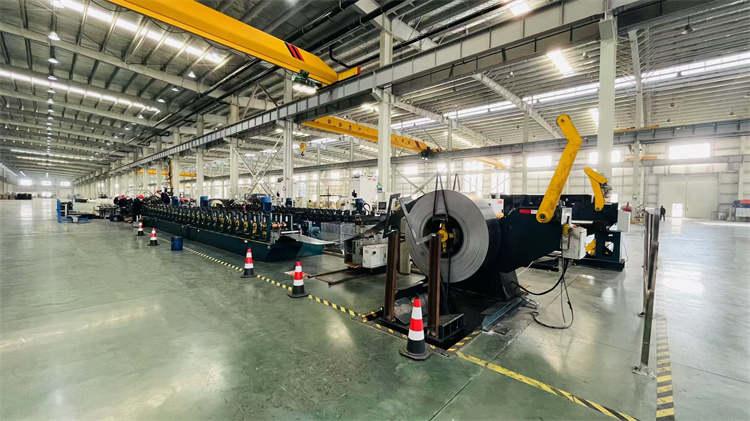 P-Beam Roll Forming
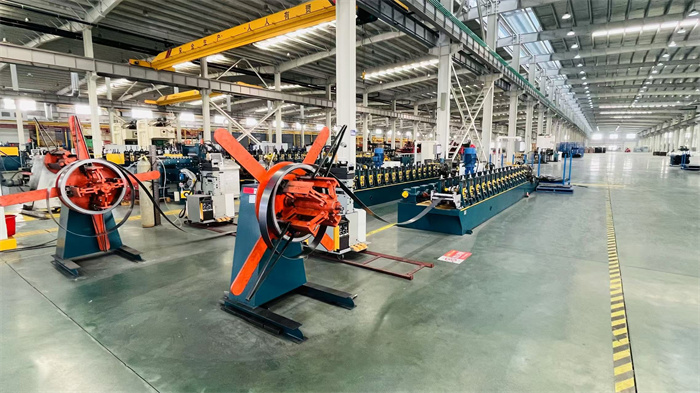 Diagonal Brace Rolling
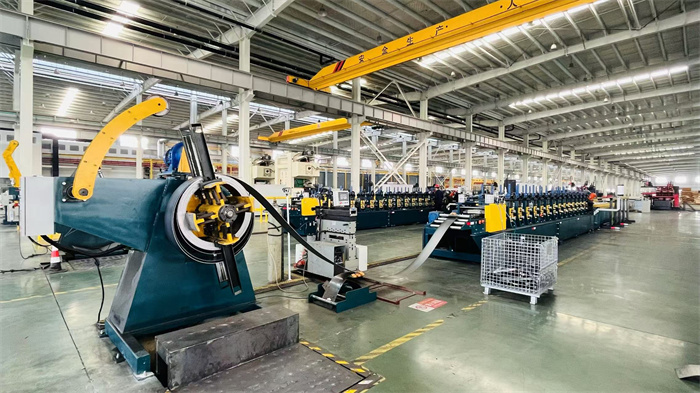 Occluding Beam Rolling
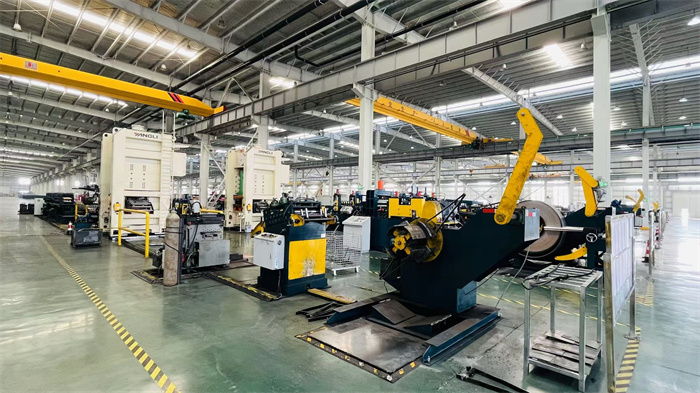 Column Profile Production
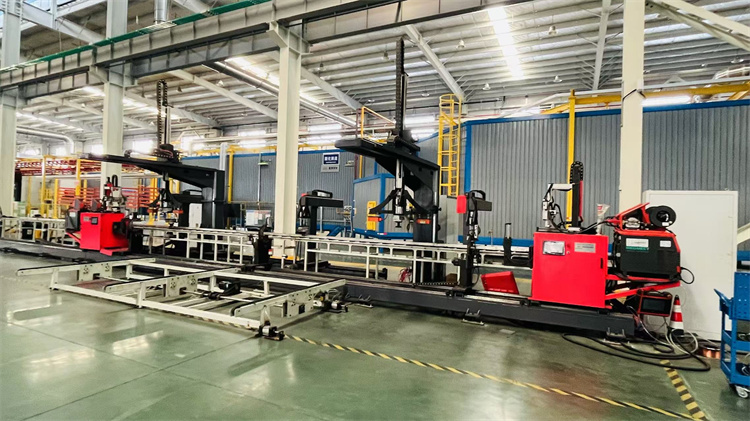 Robotic Automatic Welding
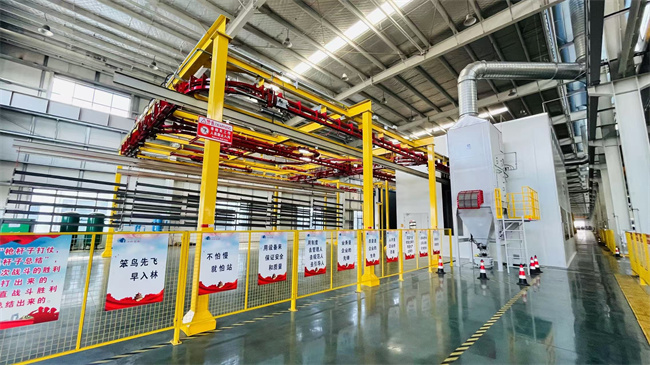 Electrostatic Powder Spraying
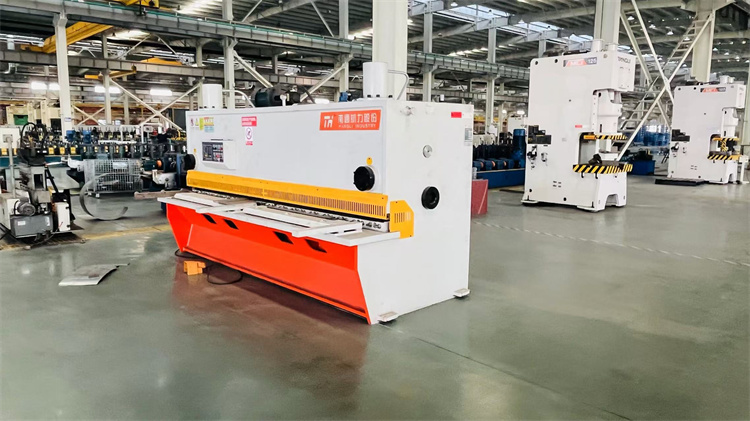 Plate Shearing Operation
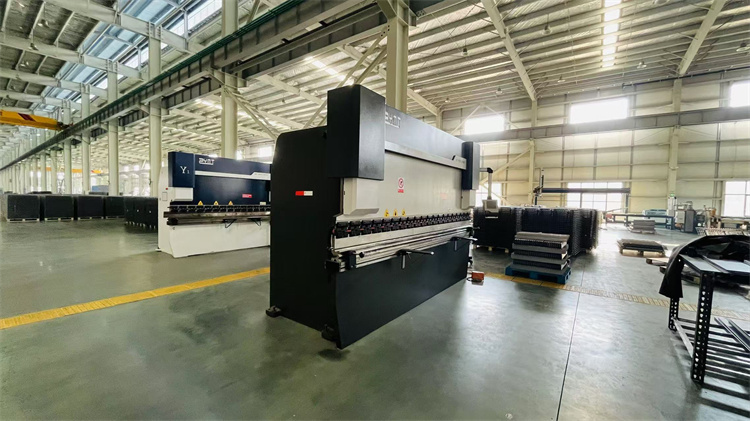 Plate Bending Station
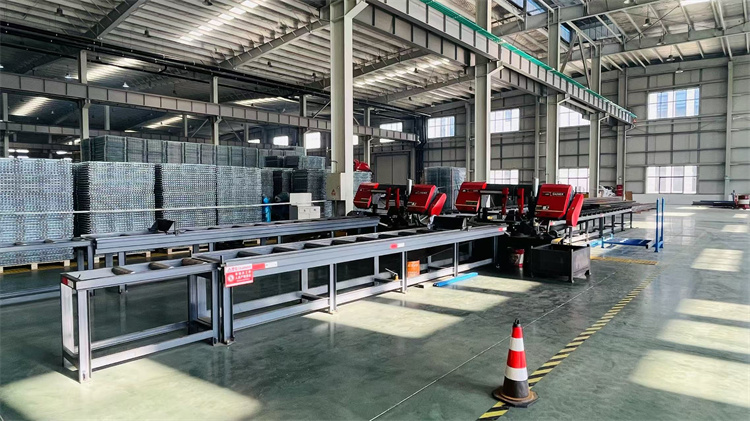 Sawing Calibration
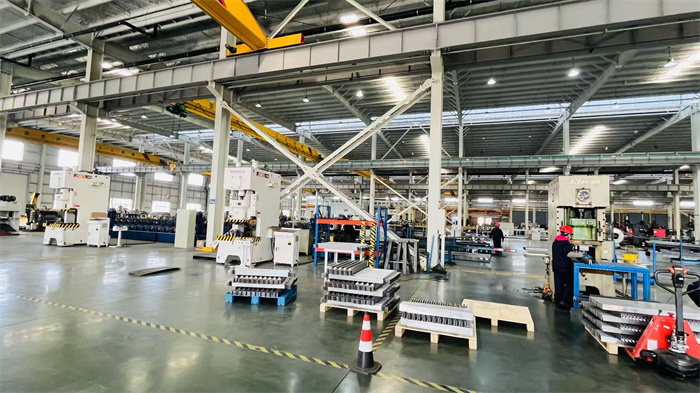 Mechanical Punching Press
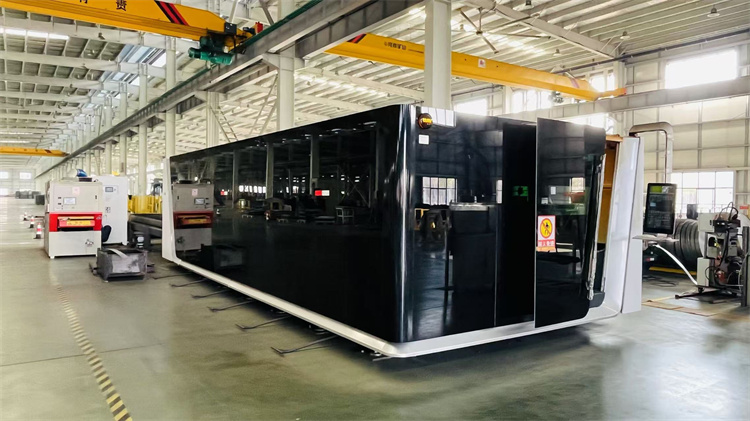 Fiber Laser Cutting
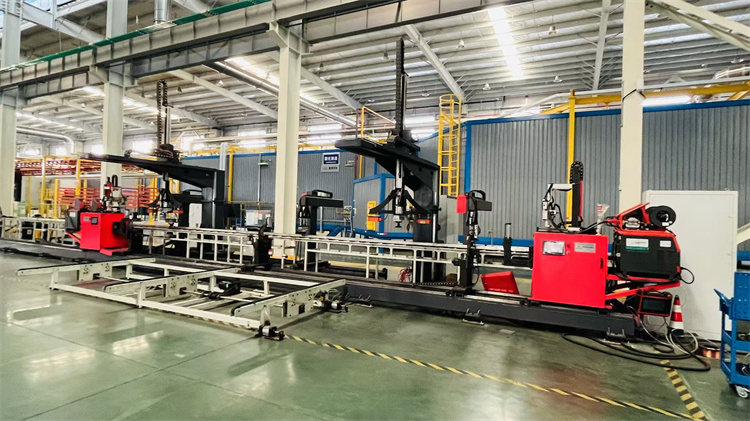 Continuous Automated Welder
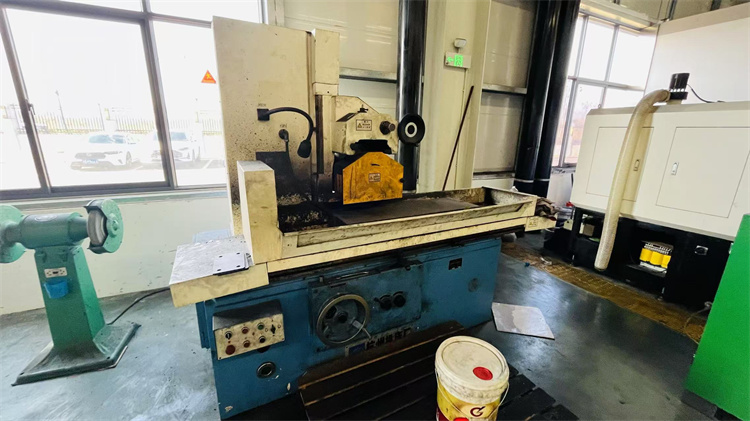 Surface Grinding & Finishing
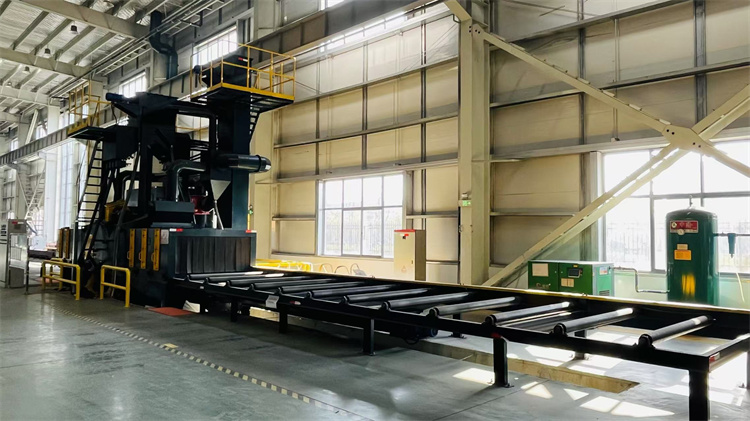 Centrifugal Shot Blasting
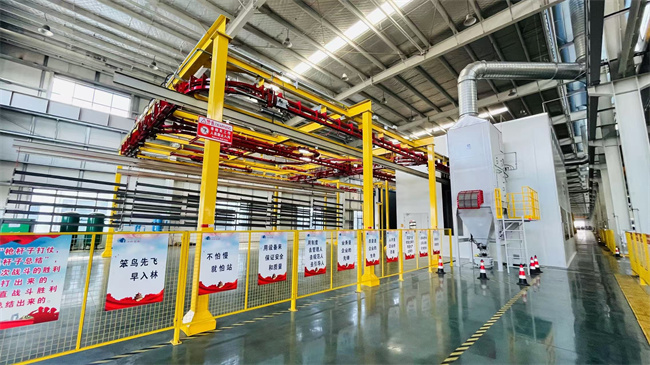 Reciprocating Powder Line
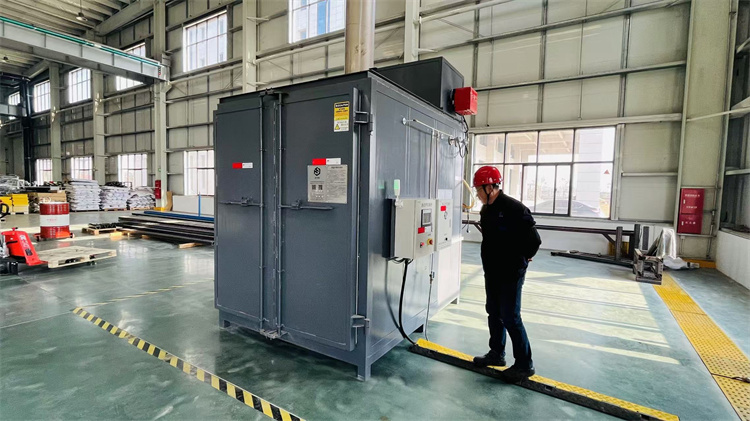 Thermal Stripping Furnace
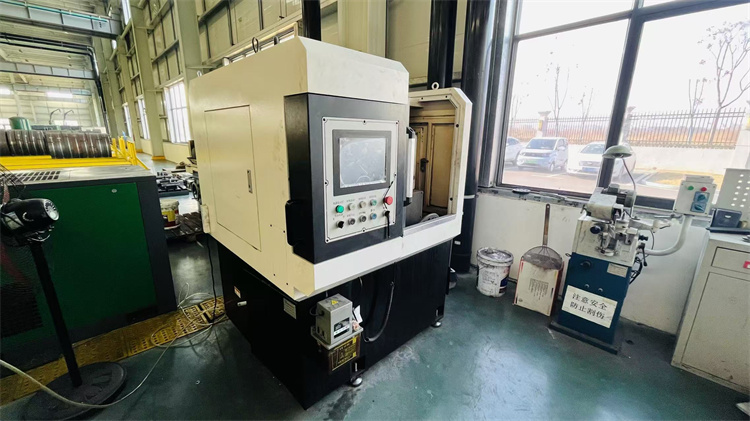 CNC Curve Gear Grinder
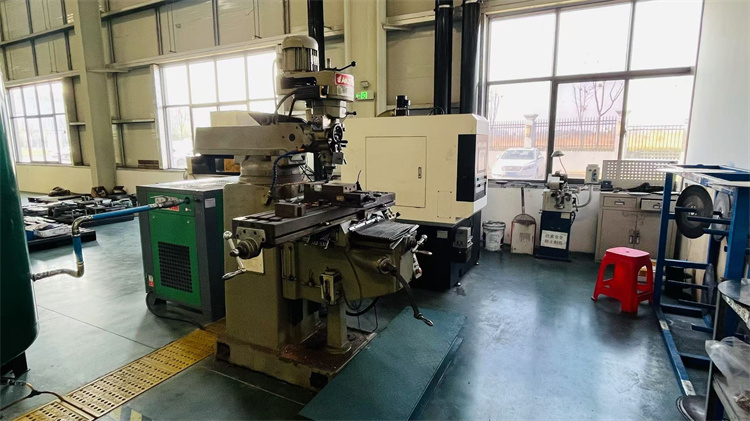 High-Speed Tool Milling
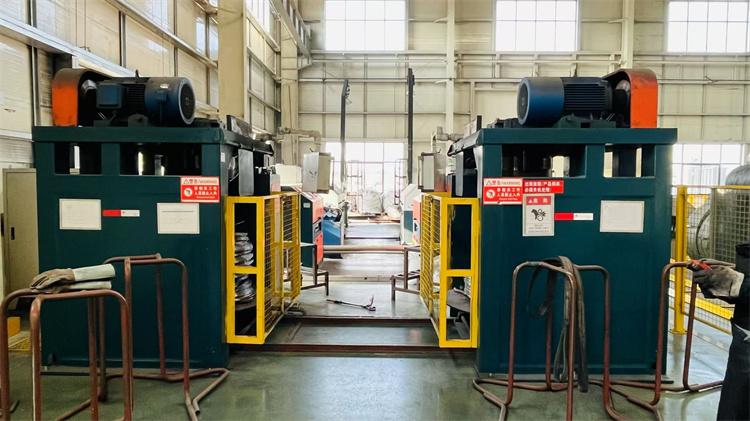 Heavy Duty Wiredrawing Mill
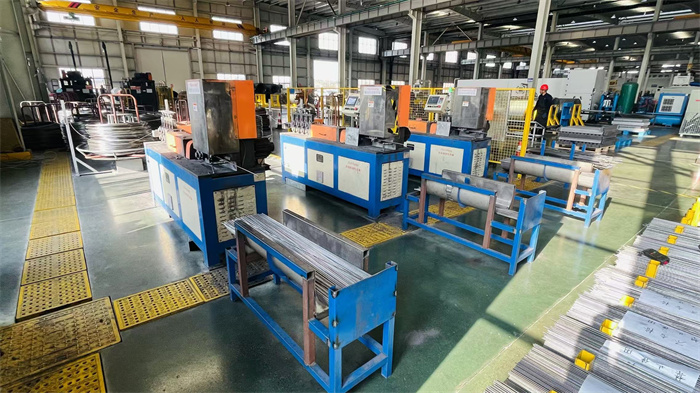 Tension-Leveling Machine
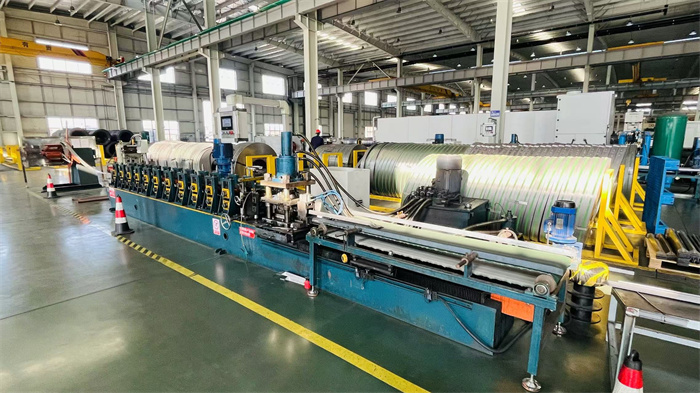 Rib Forming Integration
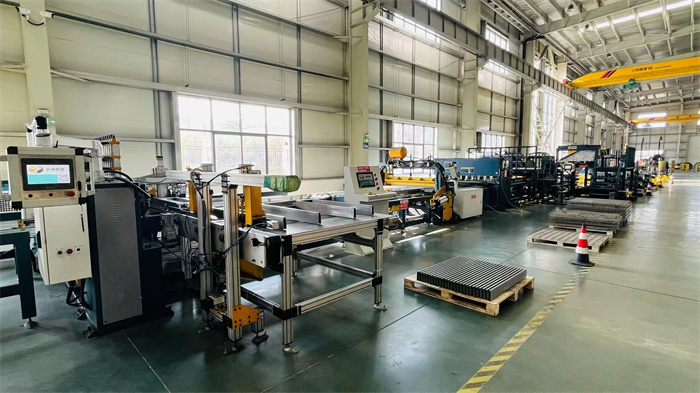 Metal Mesh Welded Line
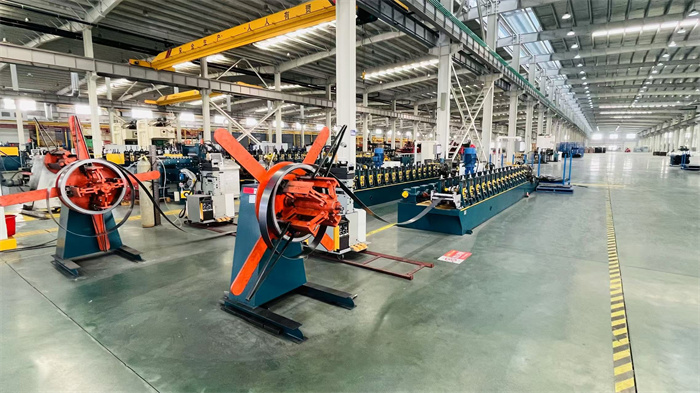
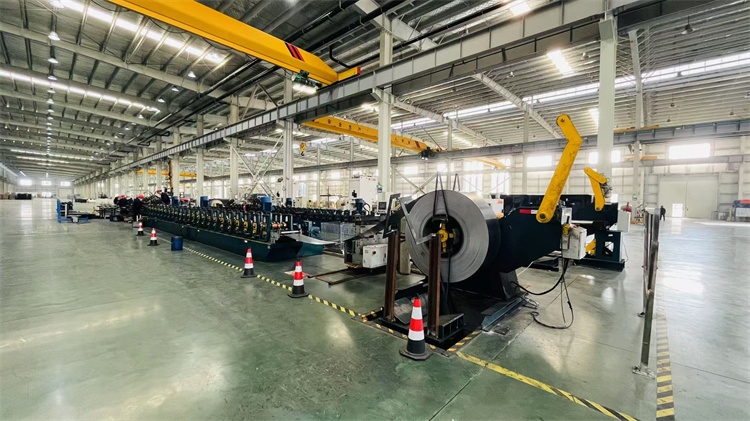 CNC P-Beam Rolling Mill
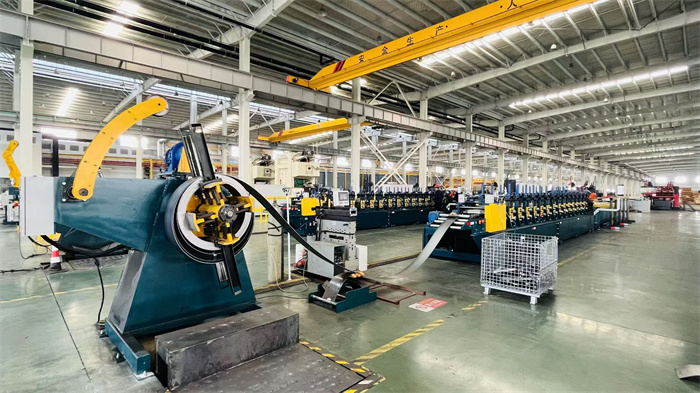
 Bracing Profile Rolling Mill
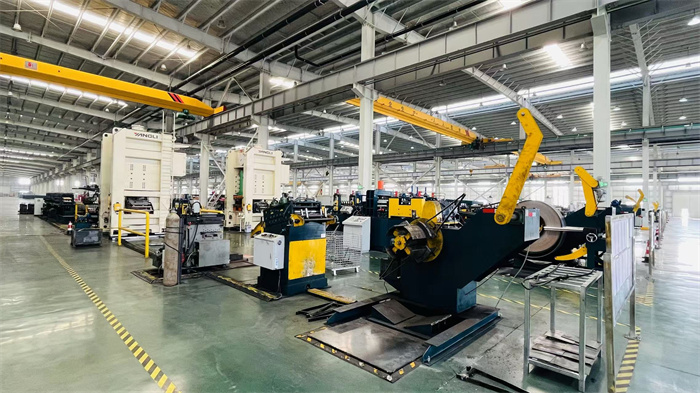
 Occluding Beam Former
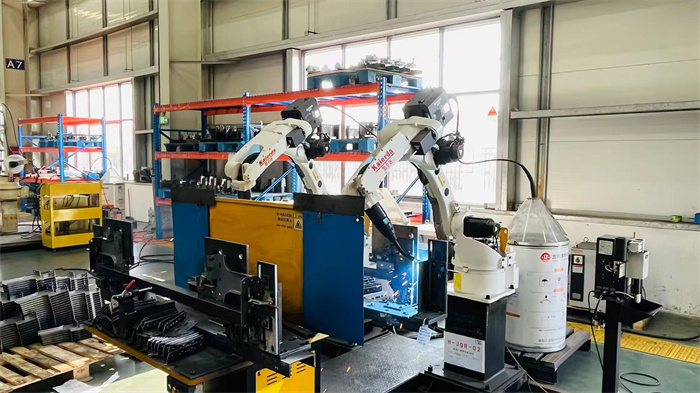
 High-Speed Column Line
 Automated Welding Robot
How structural engineering, material science, and smart warehouse tech are shaping the next generation of drive-in storage.
Transitioning to structural steel chemistry (e.g., Q355B and high-strength micro-alloyed steel). This reduces overall system weight while maintaining load capability, minimizing shipping costs and lowering the building's structural footprint.
Integrating strain gauges and laser telemetry sensors within key upright columns. Real-time data logging tracks load variations, impact events from forklifts, and micro-deflections to prevent structural failures in high-density installations.
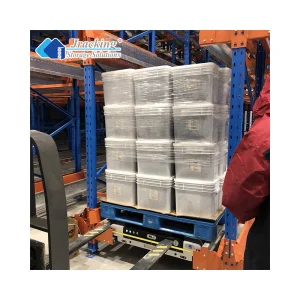
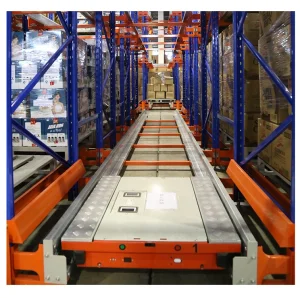
Upgrading traditional Drive-in systems to semi-automated shuttle bays. This layout allows forklift drivers to deposit pallets on a shuttle track, reducing structural impact risk and enhancing throughput.
Future iterations prioritize eco-friendly powder coating technologies that release zero VOCs during curing. We are also refining structural analysis under dynamic seismic loading, conforming to EN 15512:2020 and RMI MH16.1 protocols. This ensures stability in highly active seismic regions.
Adapting storage configuration to industry-specific demands to ensure efficient material handling.
In cold storage, operating costs per cubic meter are exceptionally high. Traditional selective pallet racking wastes space on access aisles. Our CE-certified drive-in racking systems allow for high-density storage, minimizing the volume of refrigerated air needed. High-ductility steel grades maintain load-bearing integrity and resist low-temperature embrittlement at temperatures below -25°C.
FMCG companies deal with high-volume, low-SKU product portfolios. In these operations, LIFO (Last-In, First-Out) configurations are ideal. Drive-in storage is engineered to group single SKUs in deep channels, reducing space needs and loading cycle times. We customize load rail depths to match different pallet configurations, ensuring smooth transport throughout the supply chain.
Meeting regional standards and offering on-site engineering services to ensure regulatory compliance.
Navigating different building codes and safety regulations is a primary challenge in international construction. Jracking provides certified engineering documentation to simplify compliance. Our design team uses advanced finite element analysis (FEA) to confirm that dynamic, static, and seismic load parameters meet regional standards.
In addition to manufacturing, we offer localized project management. We provide detailed installation manuals, load signs, and engineering drawings. For major logistics hubs, Jracking sends certified engineers on-site to oversee assembly, verify bolt torques, inspect structural verticality, and certify the setup for immediate operational use.
How automated manufacturing and vertical supply integration support reliable deliveries.
Operating out of our advanced manufacturing plant in Guangdong, Jracking utilizes Factory 4.0 production processes. The facility is equipped with automated CNC sheet profiling machinery, laser tube cutters, and robotic welding stations. Automated welding ensures consistent, high-penetration joints that prevent structural cracks under heavy load cycles. This automation minimizes human error, resulting in uniform components that facilitate fast, reliable on-site installation.
Our raw material supply chain provides a significant competitive edge. We source high-grade carbon steel directly from China's top state-owned mills, ensuring batch consistency. With our network of over 1,150 supply partners, we maintain a steady supply of steel coils even during market fluctuations. This vertical integration allows us to offer short lead times for large projects, helping developers and logistics companies keep their facility schedules on track.
Understanding the technical, financial, and logistical criteria required by global procurement professionals.
When planning a large racking project, procurement managers analyze total cost of ownership (TCO). While the initial price of steel is a key factor, long-term costs like maintenance, structural durability, and shipping density also impact overall ROI. Jracking optimizes upright profiles and horizontal beam dimensions to maximize container loading density. This design approach significantly lowers ocean freight costs per pallet position.
We use a structured design and quotation process for custom projects:
Detailed answers to structural, operational, and safety questions regarding drive-in racking.
Select from our certified industrial storage systems for heavy machinery, automotive components, and bulk materials.
 Jracking