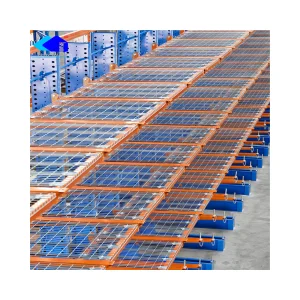
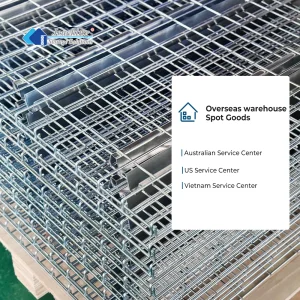
Engineered to strict safety parameters, our initial component and structures collection maximizes space utilization while keeping global compliance at its center.
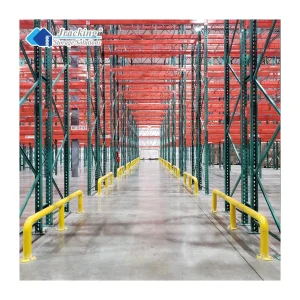
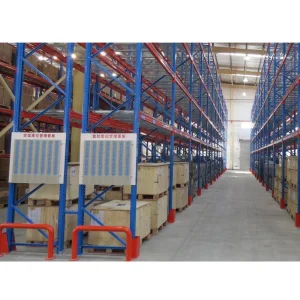
The global warehousing and logistics ecosystem is undergoing an unprecedented technological paradigm shift. Driven by skyrocketing urban land costs, severe labor scarcities across mature markets, and the explosive expansion of e-commerce, traditional static storage systems are rapidly yielding to Automated Storage and Retrieval Systems (AS/RS). Modern industrial operations no longer view warehousing as simple overhead buffer space; it is now optimized as a dynamic, high-throughput, capital-efficient node within a synchronized supply chain.
In highly industrialized areas, including North America, the European Union, and developed parts of Asia-Pacific, the integration of automated storage cranes, autonomous shuttles, and precision heavy-duty racking is a business imperative. These advanced installations require rigorous safety verification. Structural system faults under load can cause catastrophic financial losses and threaten operator safety, making CE certification (under the Machinery Directive 2006/42/EC and EN 15095/EN 15635 frameworks) a baseline legal requirement for any modern industrial procurement strategy.
Integrating WMS (Warehouse Management System) directly with stacker cranes and shuttle conveyors to eliminate bottlenecking and reduce labor costs.
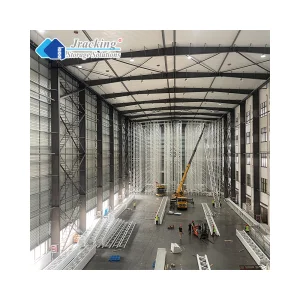
Utilizing vertical airspace up to 40 meters. Shifting layout orientation from horizontal aisle-heavy structures to high-density vertical matrices.
Strict adherence to European FEM and American RMI standards, preventing mechanical failures in high-vibration and seismically active regions.
China has evolved beyond a high-volume manufacturing center to become an advanced engineering and raw material supply hub for structural storage systems. Factories like Jracking (Guangdong) Storage Co., Ltd. leverage a complete upstream industrial ecosystem, sourcing premium structural steel directly from state-of-the-art mills with trace metal verification certificates. This vertical integration allows for meticulous quality control and custom design adaptability at a competitive cost structure.
Furthermore, Chinese manufacturing facilities feature advanced automation, such as automated continuous roll-forming lines, precision CNC punch presses, and robotic welding stations. These tools ensure the high dimensional tolerances required for high-bay AS/RS systems, where deviations of even a few millimeters can cause shuttle derailment or automated retrieval faults. This high-precision manufacturing is supported by dedicated quality control, raw materials traceability, and post-production verification steps.
Industrial Racking Systems and High-Density Warehouse Solutions Since 2016.
Established in 2016, Jracking (Guangdong) Storage Co., Ltd. has developed into a leading global manufacturer specializing in high-performance warehouse racking systems. With over 12 years of industry expertise and 8 years of international export experience, the company serves complex logistics projects across North America, Europe, Southeast Asia, Australia, and the Middle East.
Operating out of a modern 28,600 m² facility, our processes are certified under ISO 9001 standards. We manage structural tolerances through every phase of raw material preparation, deformation rolling, high-accuracy punching, and structural welding. Our dedicated quality control system employs 48 professional quality inspectors who perform rigorous checks, including load-capacity testing, welding non-destructive testing (NDT), coating thickness verification, and final assembly trial fits.
As a versatile OEM & ODM manufacturer, Jracking partners with over 1,150 supply chain entities to guarantee component availability, competitive pricing, and efficient project lead times. Our dynamic engineering department, powered by 85 experienced engineers, released over 156 new products last year alone, offering customized layouts, load configurations, and finishing types to suit varied warehouse layouts.
| Jracking Factory Capability & Metrics | |
|---|---|
| Factory Size | 28,600 m² (Guangdong Province, China) |
| Established Year | 2016 (With 12+ years design expertise) |
| Annual Export Volume | Exceeding USD 18,000,000 |
| R&D Team Size | 85 structural & mechanical engineers |
| QA Personnel | 48 certified testing specialists |
| Customization Scope | OEM/ODM; sizing, profile thickness, colors, load capacities |
| System Compliances | CE, ISO 9001, FEMA/RMI Design Guidelines compatibility |
Take a look inside Jracking's high-precision manufacturing facility. Our advanced machinery ensures tight tolerances, consistent finishes, and durable structural integrity.
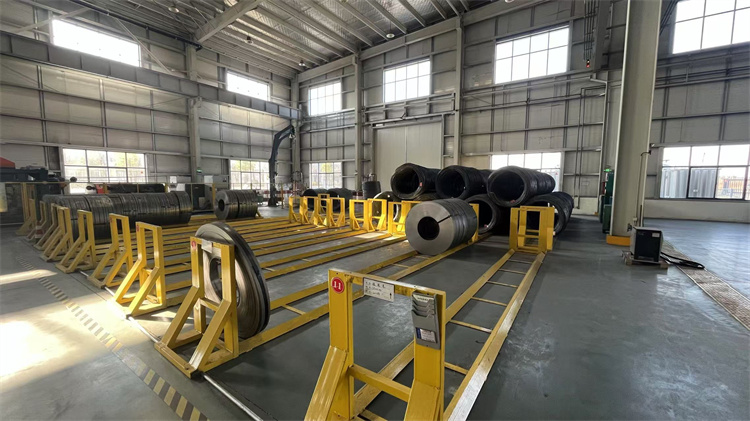
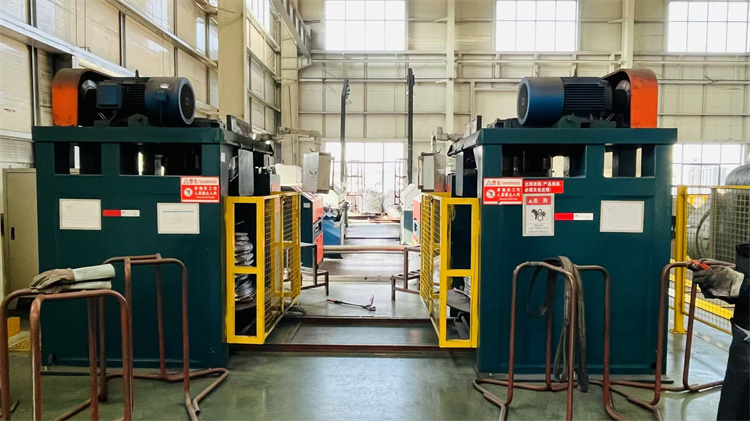
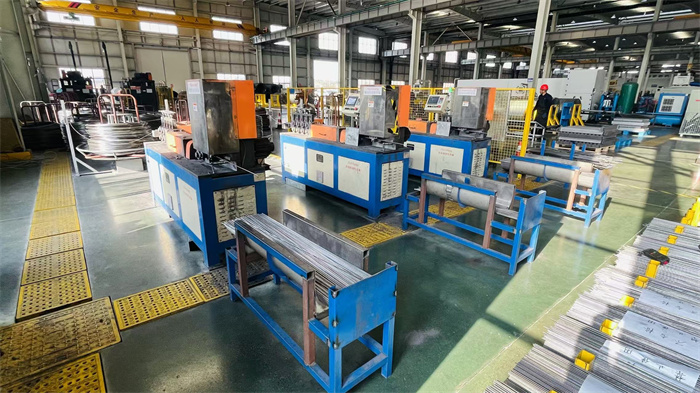
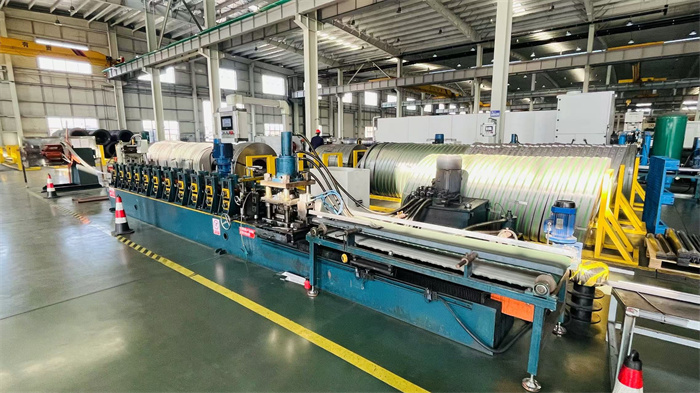
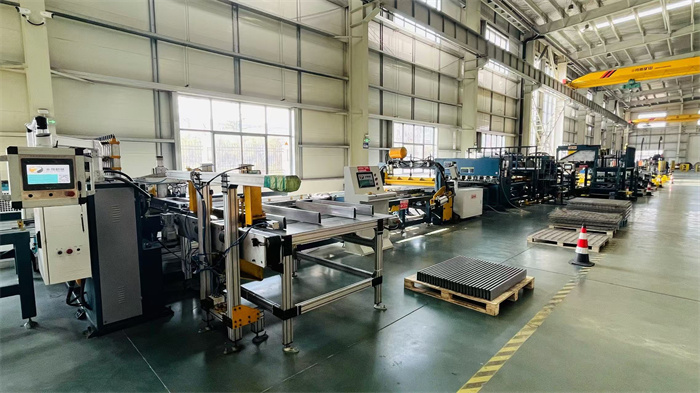
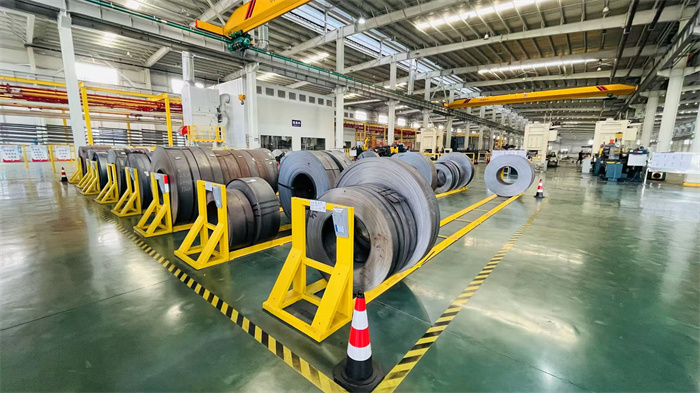
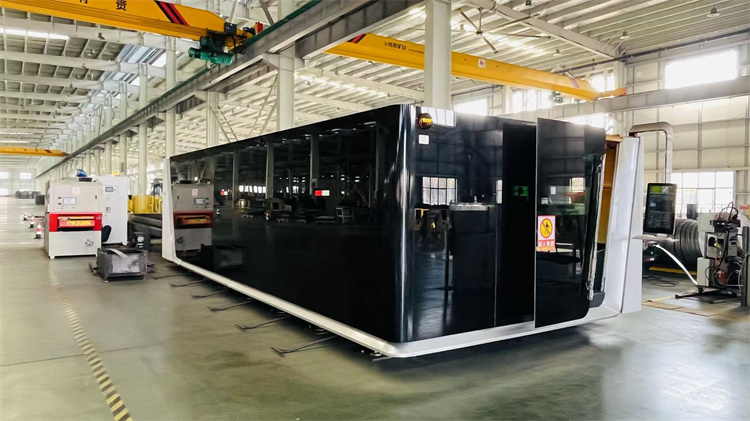
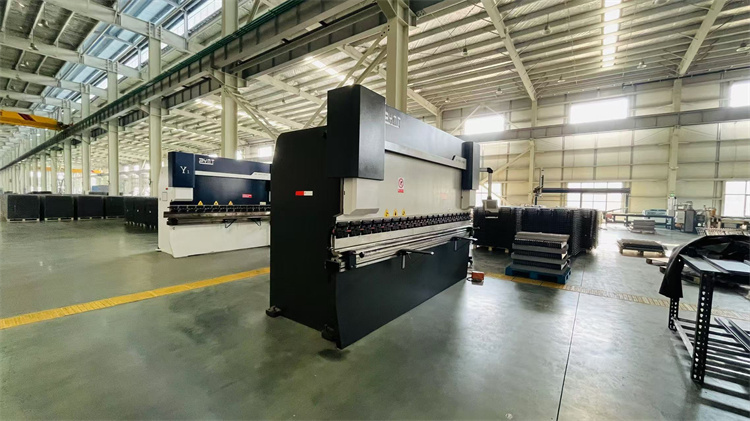
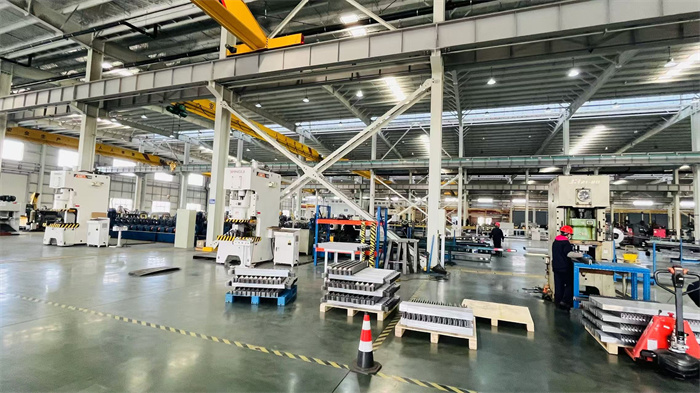
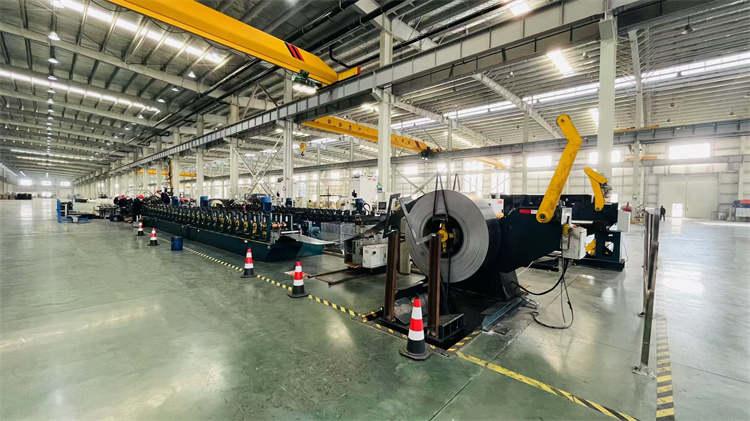
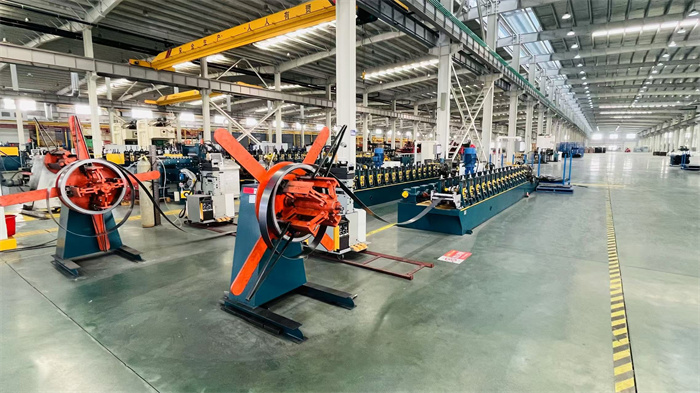
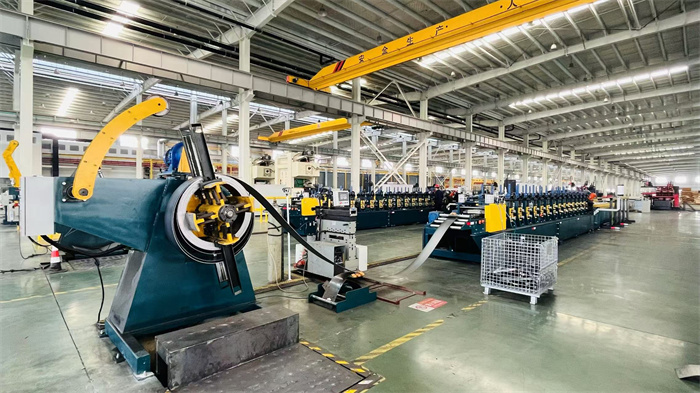
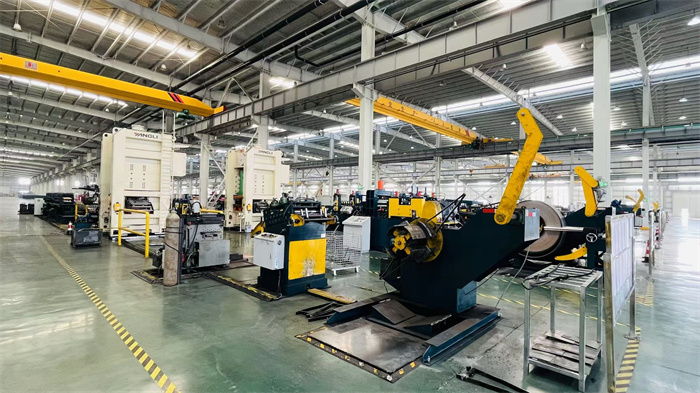
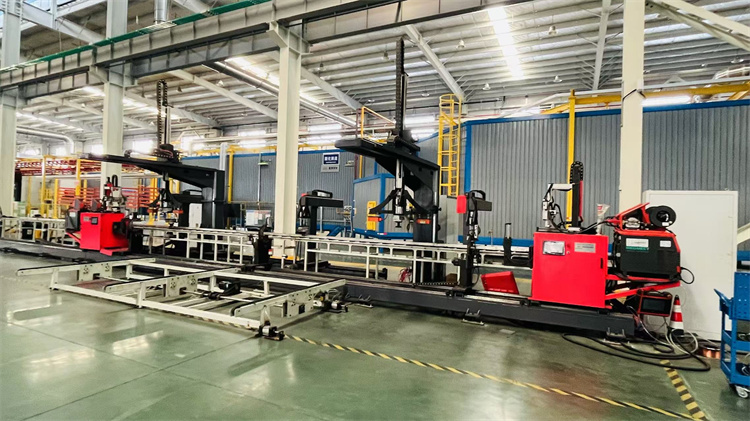
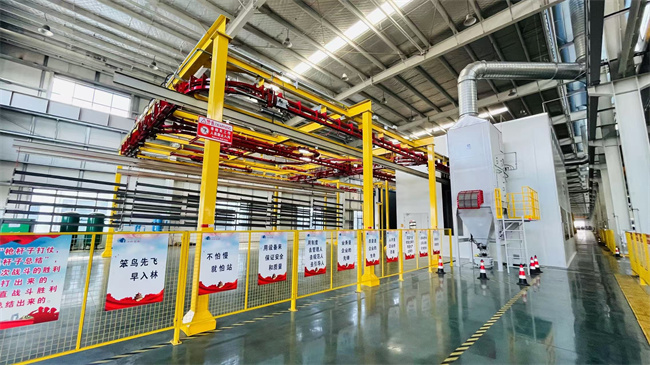
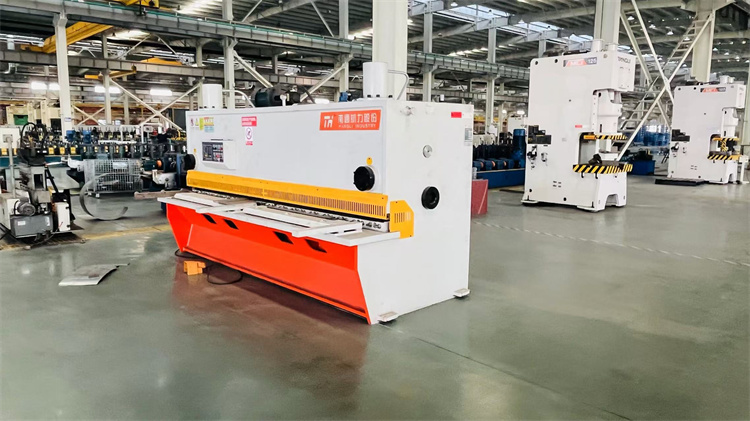
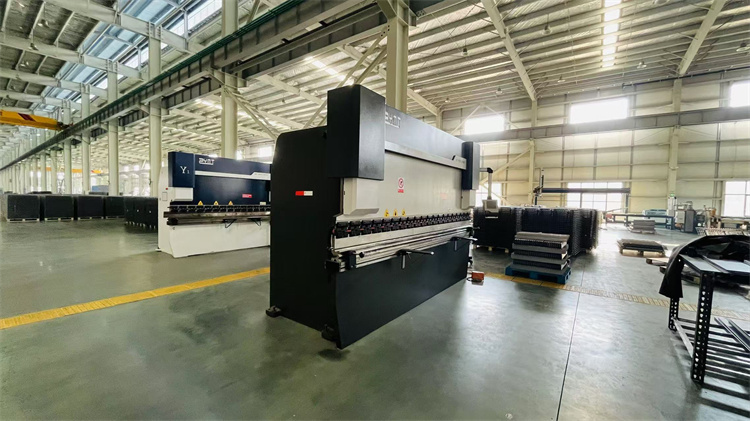
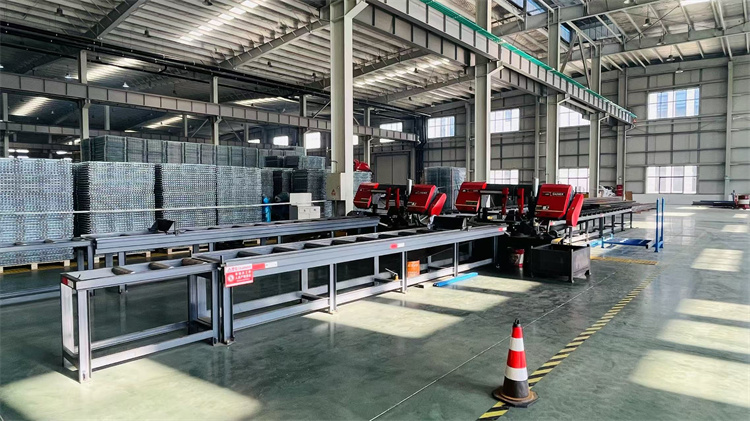
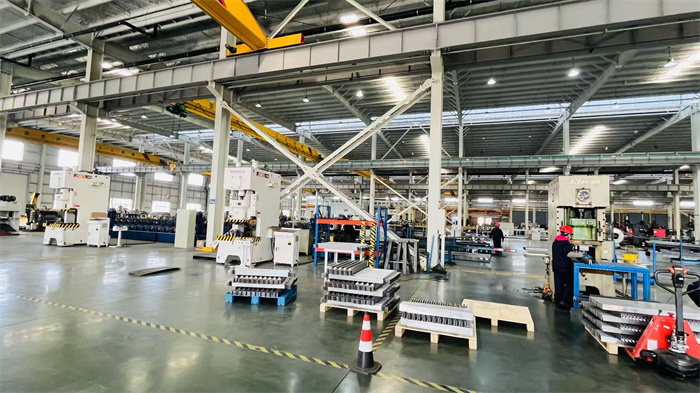
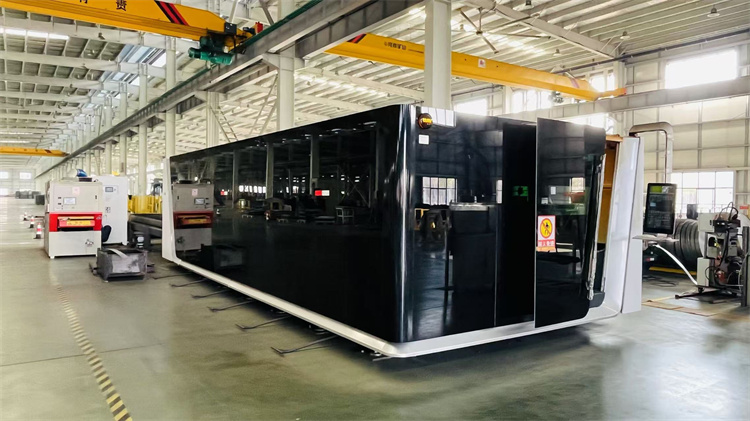
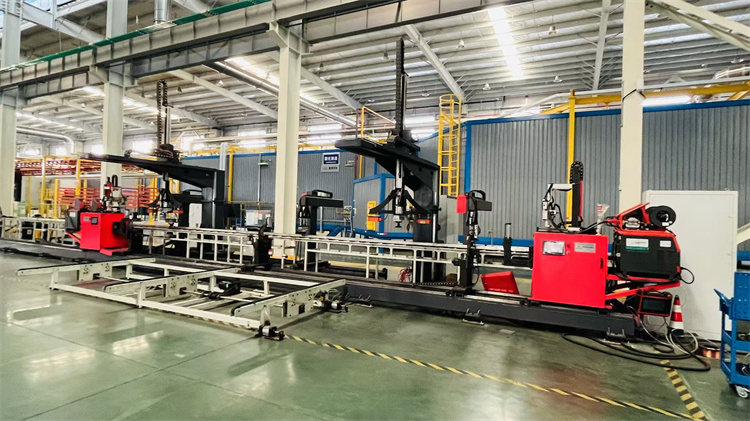
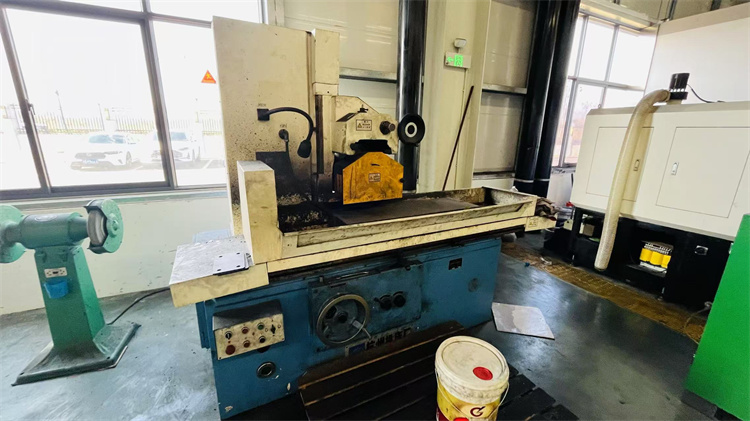
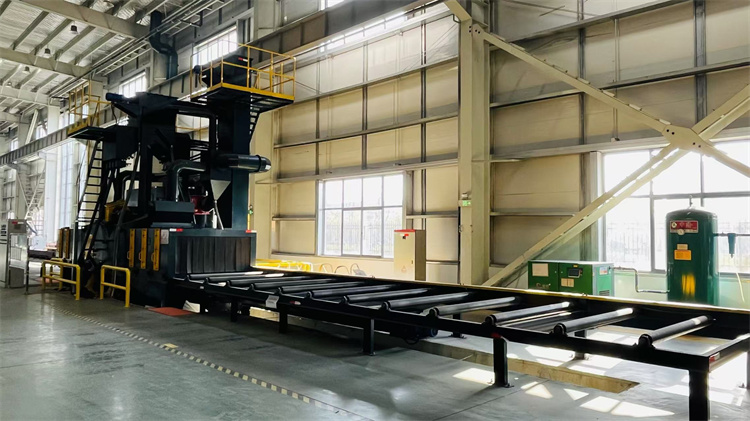
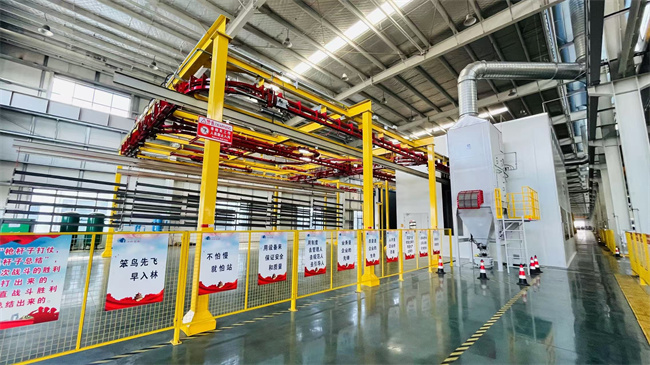
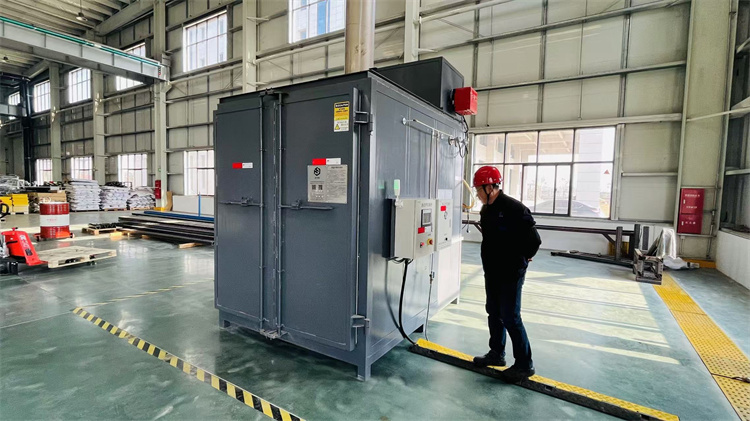
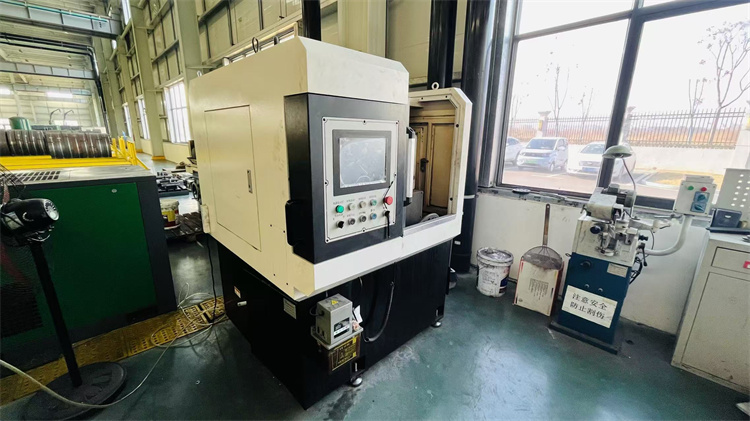
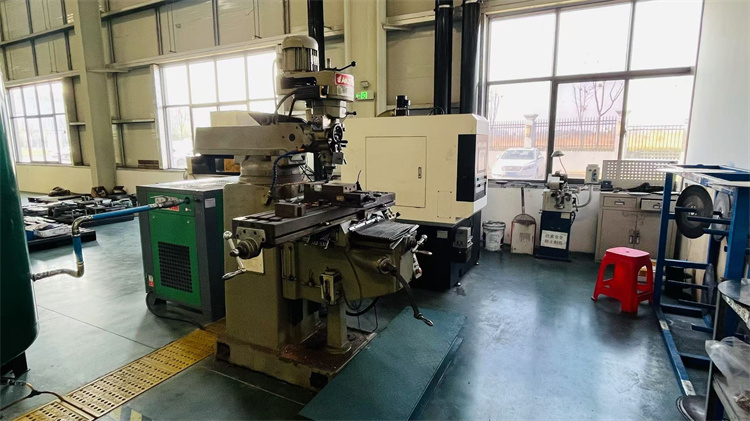
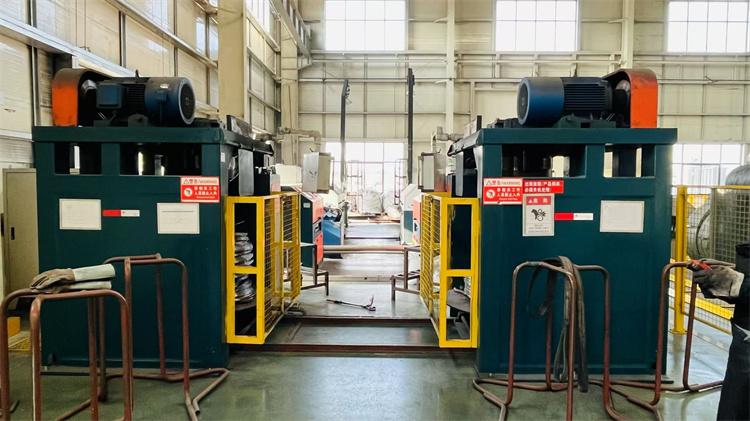
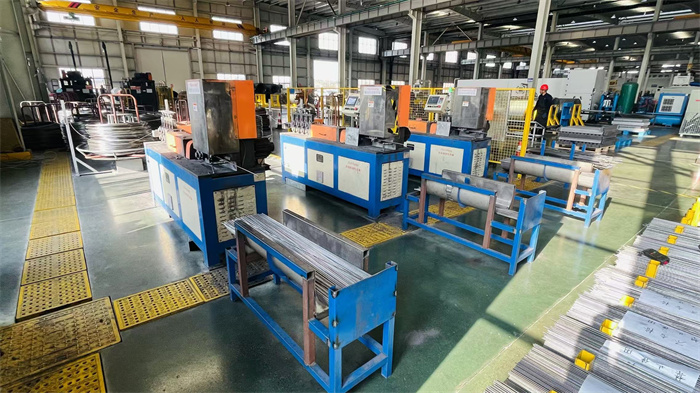
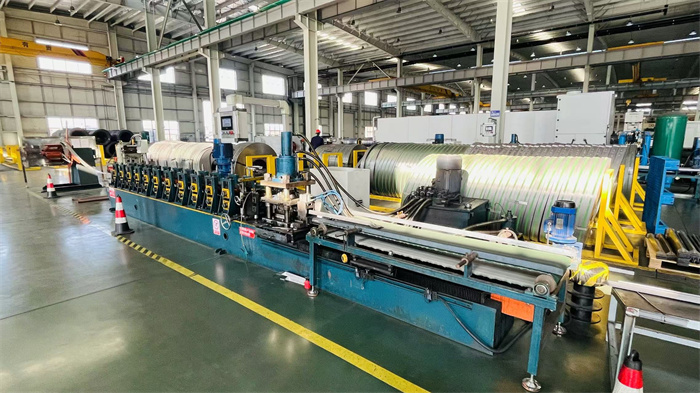
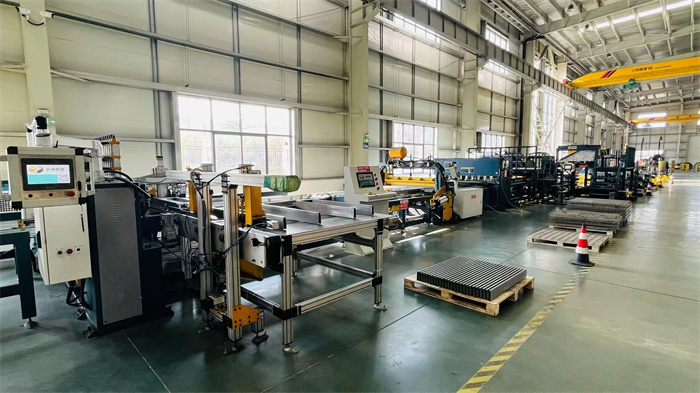
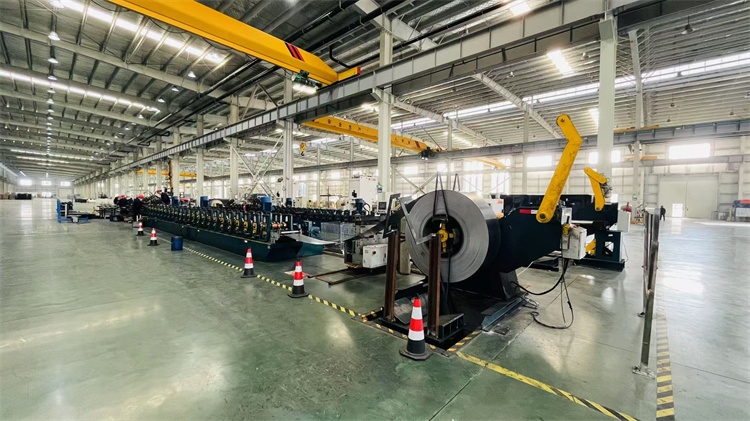
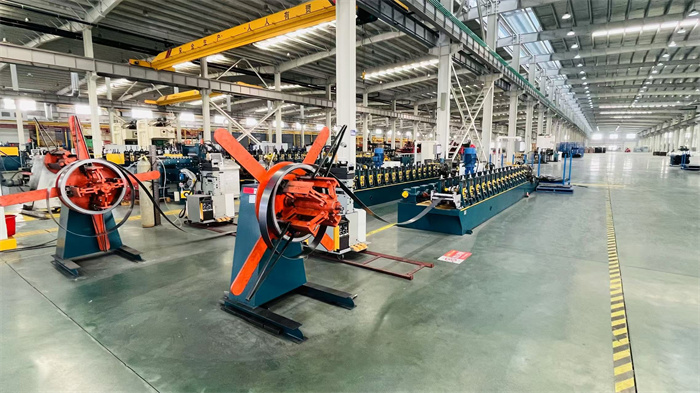
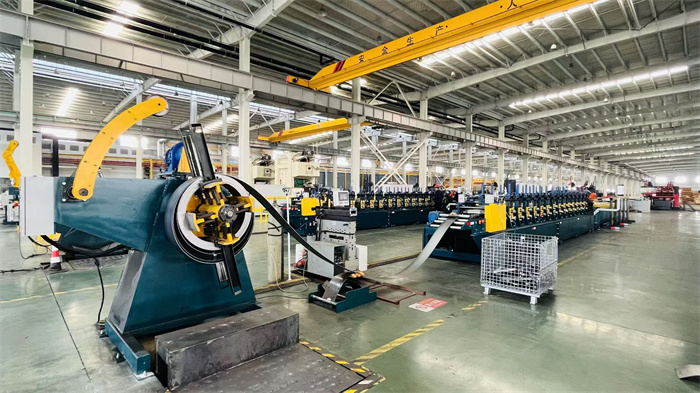
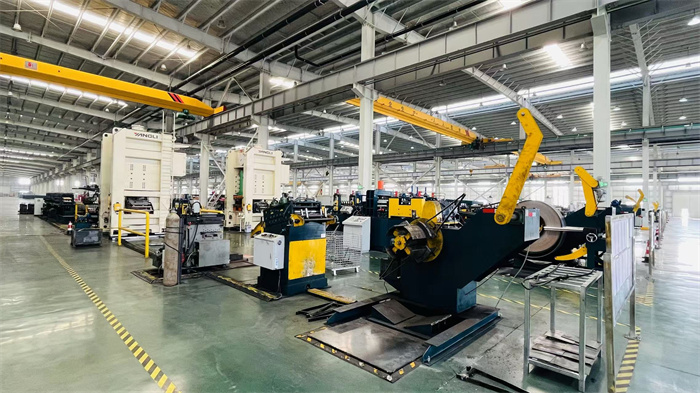
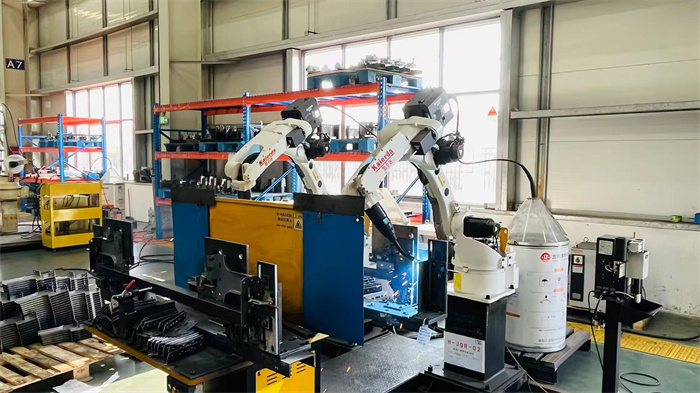
Our automated structures are designed to adapt to specific localized requirements, operating environments, and regulatory standards globally.
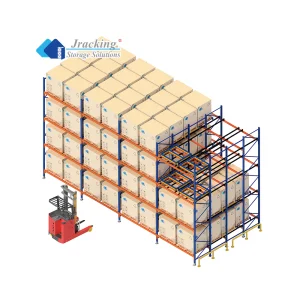
Online retail distribution networks require continuous operational availability and rapid order cycle times. Custom structures, such as Teardrop Pallet Racking and Push Back Racks, allow facilities to dynamically adjust shelf configurations, optimizing storage density for high-turnover inventory.
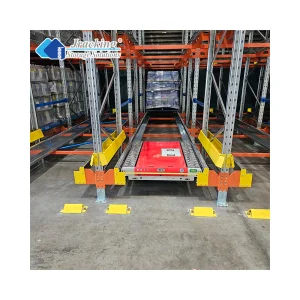
Cold storage facilities operate under high energy costs, requiring optimal storage density to minimize the conditioned footprint. Integrating automated mobile racking or shuttle storage in temperature-controlled spaces helps manage cooling overhead, while robust anti-corrosion and hot-galvanized finishes protect structural elements from condensation cycles.
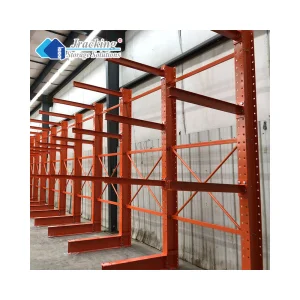
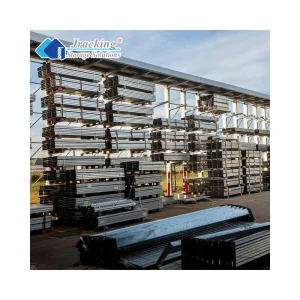
Managing structural shapes, long tubes, and plate stock requires specialized handling systems. High-capacity, CE-compliant Cantilever Racks are engineered to prevent deflection under heavy loads, ensuring stable storage for non-standard industrial items.
Warehousing facilities in seismically active regions require specialized structural planning. Our design options incorporate heavy-duty baseplates, modified steel cross-sections, and certified bracing configurations engineered to withstand dynamic loads in high-risk zones.
Enterprise procurement professionals look beyond basic pricing; they require structural compliance, product quality documentation, and scalable production capacity. Key evaluation criteria include:
The industry continues to move toward deeper integration of automated racking structures with digital management tools. Automated stacker cranes (AS/RS), autonomous mobile robots (AMRs), and high-density shuttle systems are increasingly managed by centralized Warehouse Control Systems (WCS). In these configurations, physical tolerances must remain exceptionally tight, as automated systems rely on precise alignments to run smoothly. Real-time diagnostic sensors on racking structures are also emerging as a tool for preventative maintenance, signaling potential misalignments or structural stress before they cause operational downtime.
A reference guide for engineering teams and procurement specialists evaluating warehouse safety, structural design, and automated systems.
CE certification confirms that structural, mechanical, and electrical components meet European Union safety, health, and environmental standards. For automated systems, this involves verifying compliance with the Machinery Directive (2006/42/EC) and structural design guidelines like EN 15095 and EN 15635 to prevent failures under loaded operational conditions.
Jracking uses high-tensile structural steels, primarily Q235B and Q355B (comparable to European S235JR and S355JR, and US Grade 50). We design and test our systems to align with FEM (European Federation of Materials Handling) and RMI (Rack Manufacturers Institute) standards, ensuring reliable performance under static and dynamic loads.
Yes. Our engineering team designs custom structural profiles, uses thicker gauges, and develops reinforced bracing patterns to meet local seismic codes. We calculate baseplate dimensions, frame depths, and anchor configurations to absorb and distribute dynamic loads during seismic activity.
Every production batch undergoes a structured inspection protocol. This includes testing raw materials, checking weld integrity using non-destructive testing (NDT), verifying paint and galvanizing thickness, measuring dimensional tolerances against design drawings, and performing load trials on sample assemblies.
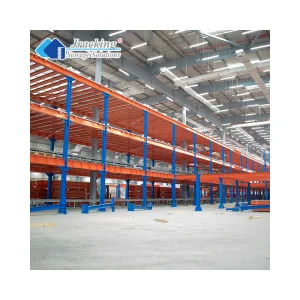
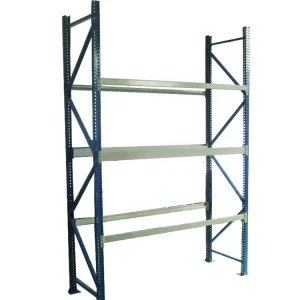
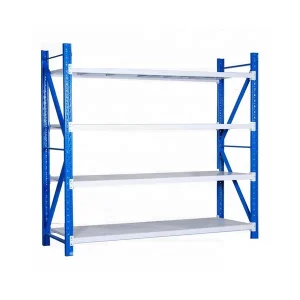
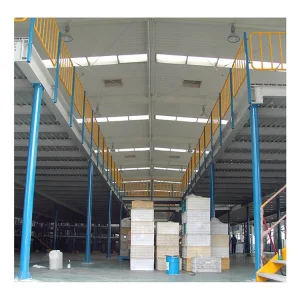
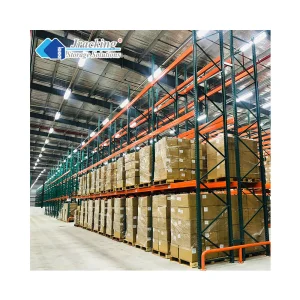
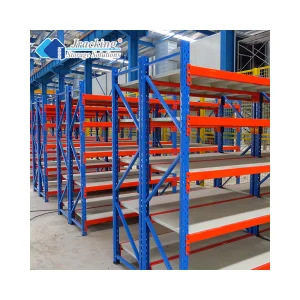
Our heavier racking profiles and custom multi-level structures are designed for demanding industrial applications requiring high load capacity and structural safety.
 Jracking