Wire Shelving can make a pantry, stockroom, or garage feel orderly, but the wrong unit quickly becomes frustrating. A shelf that is too deep can hide small items, while one that is too narrow leaves bulky bins overhanging. Before comparing finishes or prices, measure the floor space, doorway, and tallest items you expect to store. Small details matter. Check each shelf’s stated load rating, and note whether it assumes evenly distributed weight. A heavy box placed near an edge may behave differently. Product specifications and assembly instructions offer more reliable guidance than appearance alone.
The ten tips in this guide look beyond dimensions. They cover shelf spacing, finish, accessories, assembly, stability, and the demands of your room. A humid laundry area may call for a different finish than a dry closet. Adjustable shelves help when storage changes, though their clips must be seated correctly. Casters add mobility, but they can reduce stability or load capacity. Read the product limits. Wire shelves allow airflow and make spills easier to spot, yet small objects may need bins or liners. There is no perfect unit for every home or workplace. Even careful measuring can miss a baseboard or door swing. That is worth checking twice. Use these practical checks to compare options, then match the shelving to the items, room, and routine it must support.
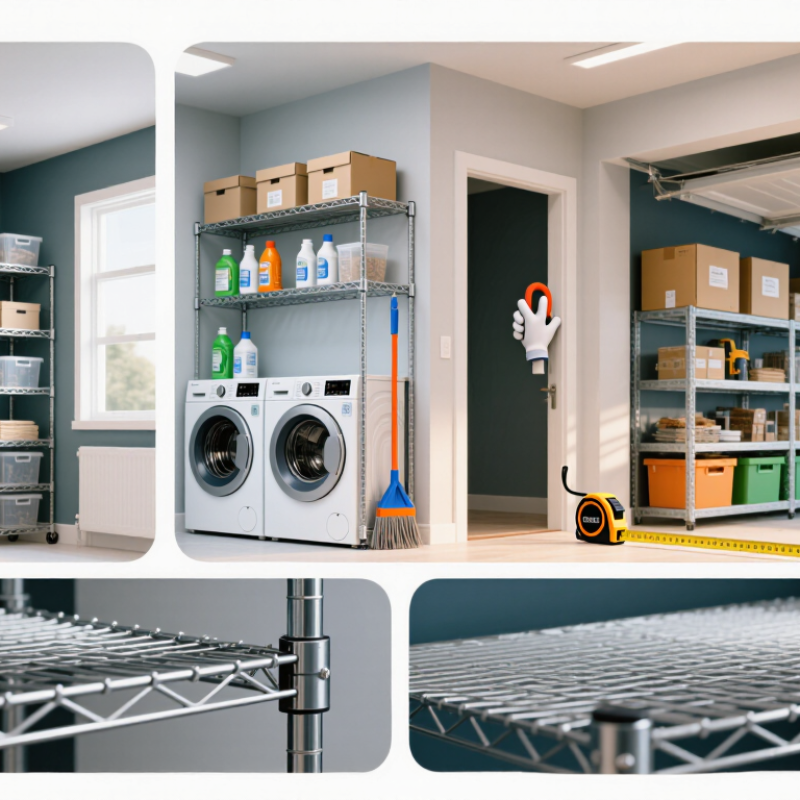
Before choosing wire shelving for a commercial kitchen, define what it will hold and where it will sit. NSF/ANSI 2 covers food-service equipment, including requirements related to design, construction, materials, and cleanability. These details matter near open ingredients, damp wash areas, and surfaces that need frequent wiping. Not every wire rack is designed for those conditions.
Check the documentation for the exact shelving model, not just a general product description. Confirm whether it is certified to NSF/ANSI 2 and whether its listed configuration matches the shelves, posts, and accessories you plan to use. A standard and a certification are not quite the same thing. Ask the supplier for current, verifiable documentation if the status is unclear. Small details matter.
Think about daily cleaning, too. Can staff reach the wall behind the rack? Do shelf edges leave crumbs or moisture trapped underneath? Measure the space with containers in place; an empty rack can look roomier than it is. Stainless steel may suit some wet environments, while other finishes may fit dry storage better, depending on the product’s specifications. I would not treat a standards label as a shortcut for checking fit, load guidance, and cleaning instructions. It helps narrow the choice, but it cannot make a cramped corner easier to clean.
It covers equipment design, construction, materials, and cleanability. Check documentation for the exact shelving model.
No. Verify its certification and confirm the shelves, posts, and accessories match the listed configuration. Small details matter.
Measure width, depth, and usable height. Check the narrowest points, low ceilings, baseboards, pipes, and door swings.
Some systems adjust in 1-inch increments. This can make room for a tall bottle or folded towels. Verify the spacing first.
It means the weight is spread evenly across the shelf. It does not mean one spot can safely hold 600 lb.
Shelf spacing, frame setup, support conditions, and casters may affect capacity. Check the load chart for the exact configuration.
Spread cartons across the shelf instead of stacking their full weight in one spot. Check the feet and clips, too. Easy to miss.
Check the product’s material specifications and cleaning instructions. Make sure staff can reach the wall and wipe beneath the shelves.
Containers can reduce usable space and make shelves harder to clean. I once forgot room to remove a lid. Annoying, but fixable.
Choosing the right Wire Shelving starts with understanding what it will hold and where it will be used. For commercial food-service applications, check whether the equipment needs to meet NSF/ANSI 2 requirements. Measure the available space carefully, including height, width, and depth, and consider systems with shelf-height adjustments in one-inch increments to accommodate changing storage needs. Compare load ratings as well, noting whether the stated capacity applies to an evenly distributed load; some commercial shelves are rated for up to 600 pounds under that condition.
The finish should suit the environment: chrome may work well in dry areas, while zinc or epoxy finishes may be better suited to other conditions. Finally, assess stability and assembly requirements. ANSI MH16.1 may be relevant when the shelving is part of a rack system within that standard’s scope, but it does not apply to every shelving unit. Matching the specifications to the space, stored items, and operating conditions helps create a practical and dependable storage setup.

 Jracking