In the fast-evolving world of warehousing, efficiency is paramount. Radio Shuttle Storage systems provide a robust solution for maximizing space and streamlining operations. According to a report by Industrial Warehouse Solutions, businesses can increase their storage capacity by up to 50% when utilizing this technology. Expert Mark Thompson, a leading voice in warehouse automation, states, “Radio Shuttle Storage is revolutionizing how we think about space and speed in logistics.”
The principle behind Radio Shuttle Storage is straightforward yet effective. These systems allow for automated retrieval and storage of goods in high-density environments. A study from the Logistics Management Association highlights that companies using automated storage solutions report a 30% reduction in labor costs. This is crucial as companies face rising operational expenses and the need for faster inventory turnover.
However, there are challenges. Implementing Radio Shuttle Storage requires upfront investment and a careful assessment of existing warehouse layouts. Not every operation may benefit equally. As Thompson points out, “The success of these systems relies on proper integration and planning.” This underscores the importance of strategic thinking in warehouse design, ensuring that efficiency does not come at the cost of flexibility.
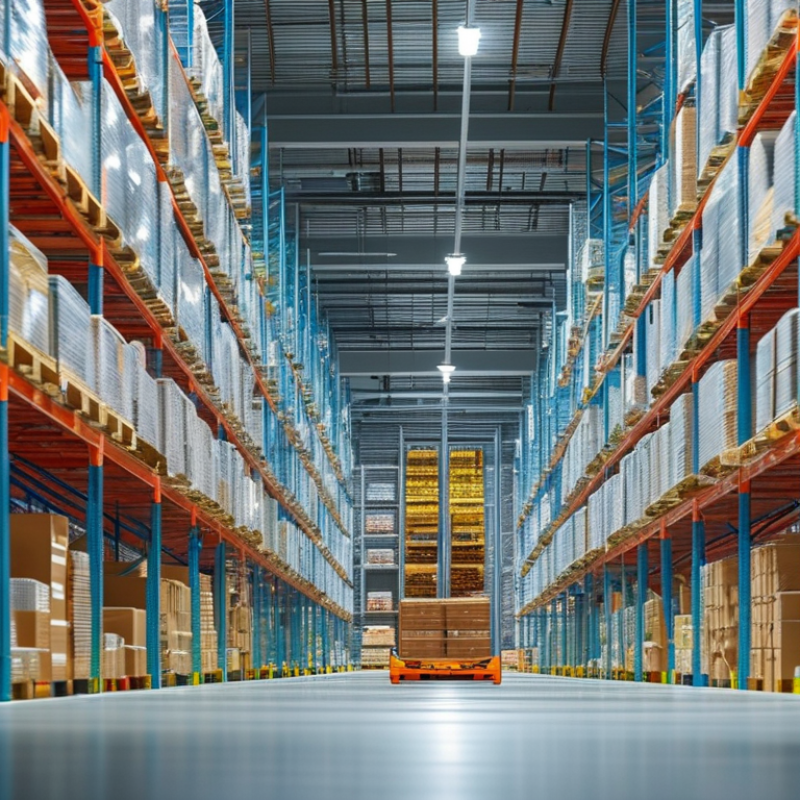
Radio shuttle storage systems have revolutionized warehousing logistics. These systems employ automated shuttles to transport pallets within a racking system. This method enhances space efficiency and speeds up inventory management. The shuttles operate on a rail system, allowing quick movement without requiring extensive human intervention. As a result, facilities can manage higher volumes of stock in a compact space.
The design of radio shuttle systems also emphasizes security and reliability. They reduce the risk of damage during handling, preserving product integrity. However, integrating such systems comes with challenges. For instance, the initial investment can be significant. Maintenance and operator training are ongoing concerns. Businesses must weigh these factors against potential gains in efficiency and storage capacity. Understanding these trade-offs is crucial for effective decision-making.
Adopting radio shuttle technology requires a commitment to continuous improvement. This reflects a need for training programs and regular assessments of system performance. While the advantages are clear, it’s essential to recognize that even advanced systems may have limitations. Continual reflection on operational effectiveness ensures that businesses can adapt to ever-changing warehousing demands.
Radio shuttle storage systems are revolutionizing warehousing efficiency. These systems optimize space usage and increase storage density. Their design allows for quick retrieval and storage of goods, which is vital for modern supply chains.
One key feature is the automated shuttle that operates on a rail system. It moves pallets in and out of racking systems with minimal human intervention. This automation reduces labor costs and minimizes errors. The speed of these shuttles allows for a faster turnover of inventory. This can lead to significant improvements in processing times.
However, implementing radio shuttle systems requires upfront investment. Companies must also ensure staff is properly trained to handle the technology. Sometimes, the systems can be complex, which may lead to initial complications. Careful planning and adaptation are crucial. Ensuring that these systems integrate smoothly with existing operations is essential for maximizing their benefits.
Radio shuttle storage systems are revolutionizing warehousing. These systems utilize autonomous shuttles to transport goods efficiently. They minimize handling time and maximize storage density. This technology allows for better space utilization within warehouses.
In recent reviews, several systems stand out. Some offer enhanced speed in retrieval, while others excel in load capacity. The design varies significantly; some shuttles are compact for tighter spaces. Users often overlook maintenance needs, which can impact long-term efficiency. A well-maintained shuttle performs better and extends lifetime.
Shuttle systems can lead to some challenges as well. For example, understanding the software may present difficulties. Training workers to use the technology can require time and effort. These factors are crucial for successful implementation. Getting employee buy-in is often a neglected area. Overall, while radio shuttle systems offer efficiency, careful planning is necessary for optimal results.
In recent years, efficient warehousing has become a focal point for many businesses. Radio shuttle storage systems have gained popularity, primarily due to their compact designs and enhanced storage capabilities. These systems allow more pallets to be stored in less space, leading to significant cost savings. Unlike traditional storage methods, radio shuttles operate automatically, reducing labor costs and human error.
Choosing between radio shuttles and traditional solutions requires careful consideration. Radio shuttles increase retrieval speeds, yet they may have higher initial setup costs. Additionally, the technology used may require staff training, which can lead to a temporary dip in productivity. It’s essential to weigh these factors based on your warehouse size and operational needs.
**Tips:**
Evaluate the layout of your warehouse. Is it spacious enough to accommodate a radio shuttle system? Consider initial investment against long-term benefits. Staff can adapt to new systems, but allow time for this transition. Regularly review operational data to measure efficiency improvements. Small adjustments can lead to substantial gains.
When selecting a radio shuttle storage system for your warehouse, understanding specific needs is crucial. Efficiency is key. A recent industry report noted that warehouses using advanced shuttle systems can boost their storage capacity by up to 50%. This substantial increase often leads to higher throughput and reduced retrieval times.
Consider factors like the size of your warehouse and the types of products you handle. Systems can vary in dimensions and load capacities. Some may only accommodate lighter loads, while others are designed for heavier inventory. Inadequate planning can cause bottlenecks. A study indicated that 30% of warehouse operators faced issues due to poor system compatibility with their existing infrastructure.
Investing in a flexible and scalable shuttle system can yield significant long-term benefits. Organizations report a 20% reduction in labor costs when using optimized shuttle solutions. Yet, it's easy to overlook the need for ongoing maintenance and training. Adequate support and staff education are essential for maintaining efficiency. Ignoring these aspects can lead to operational delays or increased downtime.
| Model | Capacity (pallets) | Max. Load Weight (kg) | Operating Speed (m/s) | Features |
|---|---|---|---|---|
| Model A | 100 | 1500 | 1.2 | Automatic retrieval, Energy-efficient |
| Model B | 120 | 2000 | 1.5 | Compact design, High maneuverability |
| Model C | 80 | 1200 | 1.0 | User-friendly interface, Safety features |
| Model D | 150 | 1800 | 1.8 | Modular system, Remote control |
| Model E | 90 | 1600 | 1.3 | Fast setup, Flexible layouts |
| Model F | 110 | 1400 | 1.4 | Optimized energy usage, Lightweight |
| Model G | 95 | 1550 | 1.1 | High precision, Robust design |
| Model H | 125 | 1750 | 1.6 | Scalability options, Ergonomic design |
| Model I | 100 | 1600 | 1.3 | Non-stop operation, Easy maintenance |
| Model J | 140 | 1900 | 1.7 | Industrial-grade, Enhanced safety |
: They use autonomous shuttles to transport goods within warehouses.
They minimize handling time and maximize storage density.
Radio shuttles offer greater efficiency but may incur higher initial costs.
Proper training of workers is essential for using the technology effectively.
Users may struggle with software and the need for maintenance is often overlooked.
A spacious layout can better accommodate a radio shuttle system, enhancing efficiency.
Yes, well-maintained shuttles perform better and have a longer lifespan.
Regular reviews of data can reveal areas for improvement, leading to efficiency gains.
Yes, initial training can lead to a temporary dip in productivity.
Consider long-term benefits against the initial investment costs carefully.
Radio Shuttle Storage systems have revolutionized warehousing by enhancing storage efficiency and maximizing space utilization. These systems utilize automated shuttles to transport pallets within racks, providing a dynamic solution well-suited for high-density storage environments. Key features include improved accessibility, reduced labor costs, and increased throughput, making them a preferred choice over traditional storage methods.
In the article, various top Radio Shuttle Storage systems are reviewed, highlighting their unique benefits and functionalities. A detailed comparison between Radio Shuttle and traditional storage solutions underscores the former's superior efficiency and adaptability. Ultimately, selecting the right Radio Shuttle system depends on specific warehouse needs, ensuring businesses can optimize their operations and meet growing demands effectively.

Jracking