Pallet Flow Storage is becoming increasingly essential for businesses seeking efficient warehousing solutions. According to industry expert John Smith, “Pallet Flow Storage maximizes space while improving inventory access.” This innovative storage method allows pallets to flow automatically, reducing the time and labor required for inventory management.
Businesses today face challenges like space limitations and slow retrieval processes. Pallet Flow Storage addresses these challenges by utilizing a gravity-fed system. This system ensures that inventory is easily accessible at all times. However, not every business may be ready for this transition. Evaluating your specific needs is crucial.
Adapting to Pallet Flow Storage can present challenges. Companies must consider their layout, existing equipment, and workforce training. Each step requires careful analysis. Understanding its benefits and potential drawbacks is key to making an informed decision. Embracing this technology can lead to improved efficiency and cost savings, but it is essential to weigh the risks involved.
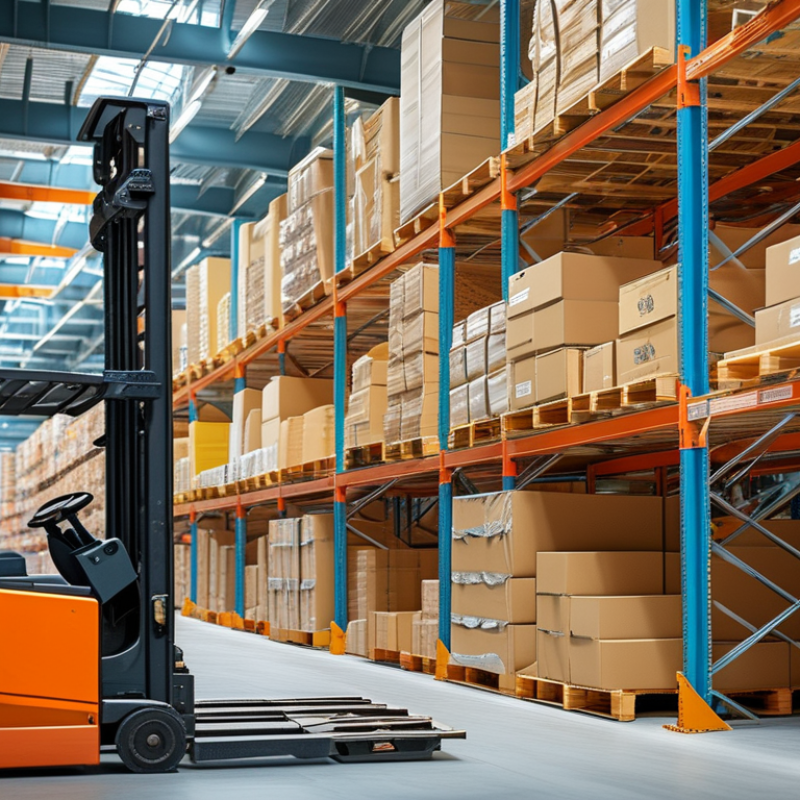
Pallet flow storage is an innovative system designed to optimize warehouse space and improve inventory management. It utilizes a sloped, gravity-fed rack system where pallets flow forward as items are picked from the front. This design not only enhances accessibility but also accelerates picking processes. According to a recent report by the Warehousing Education and Research Council, implementing pallet flow systems can increase picking efficiency by up to 70%. This efficiency is crucial in meeting the growing demands of fast-paced supply chains.
Additionally, pallet flow storage allows for dense storage configurations. It enables businesses to maximize vertical space, which can lead to a 30% increase in storage capacity. However, the upfront investment can be a concern for many operators. Some may find it challenging to implement, especially when considering varying pallet sizes and weights. The risk of damaging products or equipment is also a factor to weigh. Effective training and regular maintenance are essential to mitigate these issues and fully realize the benefits.
Furthermore, the adaptability of pallet flow systems to different types of products should be noted. For instance, perishable goods may require a FIFO (First In, First Out) approach, which pallet flow supports. However, not all businesses may need such a solution, making careful assessment vital. These insights can help in determining whether the benefits outweigh the limitations in one's specific operational context.
| Dimension | Description | Benefits |
|---|---|---|
| Storage Density | Pallet flow storage systems use gravity to move pallets from the loading area to the picking area. | Maximizes storage space by allowing high-density storage of pallets. |
| Accessibility | Pallets slide down inclined tracks and are easily accessible at the front of the system. | Reduces time spent retrieving pallets, improving overall efficiency. |
| Inventory Management | Facilitates the organization of inventory by category or SKU. | Enhances inventory tracking and reduces errors in order fulfillment. |
| Cost Efficiency | Requires less manpower and equipment compared to conventional storage methods. | Lowers operational costs over time through increased productivity. |
| Flexibility | Can be easily adapted or expanded according to business needs. | Meets changing demands without significant investment in new systems. |
: It is a system that optimizes warehouse space and improves inventory management using gravity-fed racks.
It allows pallets to flow forward as items are picked, increasing efficiency by up to 70%.
It enables dense storage, potentially increasing storage capacity by 30%, utilizing vertical space effectively.
Upfront investment and the challenge of varying pallet sizes and weights can be limiting factors for operators.
Proper training and regular maintenance help prevent damage to products and equipment, ensuring system efficiency.
It can accommodate perishable goods requiring FIFO, but not all businesses may benefit from this solution.
Roller tracks, support frames, a braking system, and pallet stops are essential for smooth operations and safety.
Evaluate warehouse layout, product types, and maintenance needs. Each method may require unique configurations.
Yes, case studies show companies, like a furniture retailer, increased output by 25% after implementation.
Yes, adjustments may be necessary to suit changing inventory flow and product demand over time.
Pallet Flow Storage is an innovative warehousing system designed to enhance the efficiency and optimization of storage space in businesses. This system operates on a gravity-fed mechanism, allowing pallets to flow from the back of the racking to the front as items are picked. Key components include inclined lanes, rollers, and guide systems, which work together to ensure smooth and quick access to stored goods.
The benefits of Pallet Flow Storage are significant, particularly in terms of improved warehouse productivity and space utilization. With its ability to maximize vertical storage and minimize aisle space, businesses can store more products while enhancing retrieval speeds. Industry statistics demonstrate the positive impact of Pallet Flow Storage on operational efficiency, and case studies highlight successful implementations across various sectors, showcasing the potential for increased profitability and streamlined inventory management.

 Jracking