In today's fast-paced business environment, efficiency and space utilization are crucial. Mezzanine Systems offer innovative solutions that help businesses maximize their operational space. As industry expert John Carter, a senior consultant at Space Solutions, states, "Mezzanine Systems transform underused areas into valuable working environments." This perspective highlights the untapped potential within many warehouses and distribution centers.
These systems essentially create a secondary floor or platform within existing spaces. They allow businesses to store more products without expanding their physical footprint. By implementing Mezzanine Systems, companies can significantly increase storage capacity and streamline operations. The flexibility of these systems often leads to improved workflow and productivity.
However, not every business may see immediate benefits from Mezzanine Systems. Assessing your specific needs and space is essential. In some cases, businesses overlook the initial investment costs. It's vital to weigh these against the long-term benefits of increased capacity. With careful planning and expert advice, companies can make informed decisions about incorporating Mezzanine Systems into their operations.
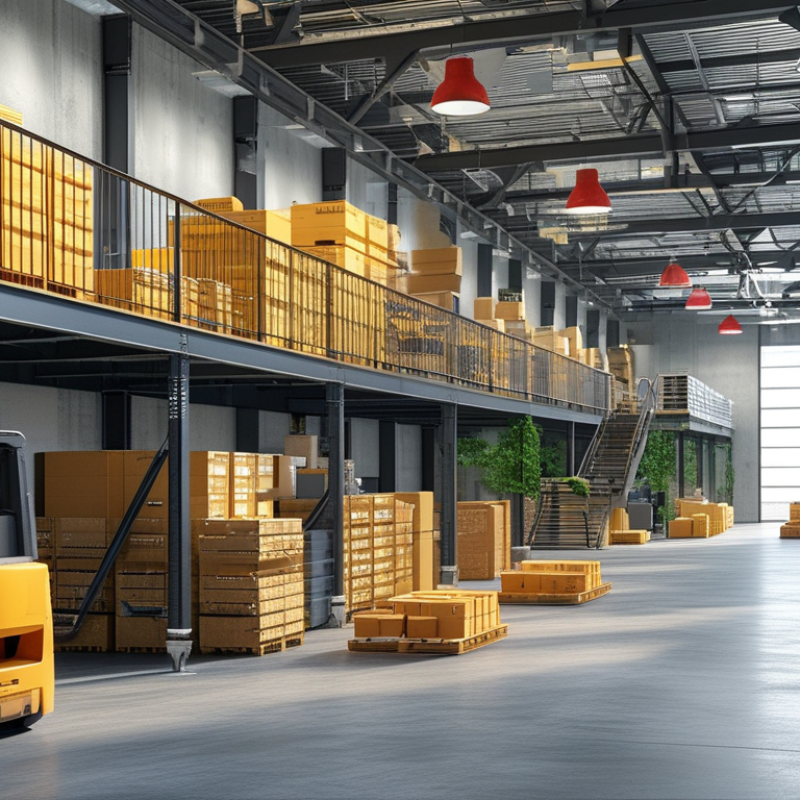
Understanding Mezzanine Systems: Definition and Overview
Mezzanine systems have emerged as a strategic solution for businesses looking to optimize their space. These elevated platforms enhance storage capabilities without the need for extensive building renovations. The global mezzanine flooring market is projected to reach $6.68 billion by 2026, reflecting a growing trend in warehouse and retail applications.
Understanding mezzanine systems involves recognizing their multifunctional purpose. Typically installed above the ground floor, they create additional usable space in facilities. Reports suggest that businesses can increase their storage capacity by up to 50% using mezzanine flooring. This level of efficiency can be a game-changer for companies struggling with limited space.
However, while the installation of mezzanine systems offers substantial benefits, it also requires careful planning. Poorly designed systems can lead to safety concerns and operational inefficiencies. It is crucial to collaborate with experienced professionals to ensure compliance with safety regulations. Balancing space maximization and safety is vital for long-term success in utilizing mezzanine solutions.
Key Features of Mezzanine Systems in Business Operations
Mezzanine systems are innovative structures designed to optimize space in industrial and commercial settings. These systems create additional levels, enhancing storage and operational efficiency. By utilizing vertical space, businesses can increase storage capacity without the need for expansive floor plans. This is particularly beneficial for warehouses and distribution centers facing space constraints.
One key feature of mezzanine systems is their adaptability. They can be customized to fit various layouts and operational needs. This flexibility allows a business to adjust their workspace as requirements evolve. Furthermore, mezzanines can integrate seamlessly with existing infrastructure, minimizing disruption during installation. However, designing these systems requires careful planning. Consideration must be given to load capacity and safety regulations.
Another important aspect is the potential for improved workflow. By organizing inventory and workstations vertically, companies can reduce travel time for employees. This increased efficiency can lead to greater productivity. On the flip side, if not implemented correctly, these systems might limit accessibility or obstruct natural light. Balancing function and aesthetics is crucial for maximizing their effectiveness.
Benefits of Implementing Mezzanine Systems for Business Growth
Implementing mezzanine systems can transform your business operations. These elevated structures create additional space without requiring extensive renovations. This is especially useful in warehouses and retail environments. By maximizing vertical space, businesses can store more inventory, reduce clutter, and improve workflow efficiency. With a well-designed mezzanine, workers can navigate tasks more smoothly, enhancing overall productivity.
Moreover, mezzanine systems offer financial benefits. The installation costs can be justified by the significant increase in usable space. By reducing the need for new facilities, businesses save on both construction and operational expenses. These systems also provide flexibility for future expansion. As your business grows, the mezzanine can be adapted to meet changing needs. This adaptability is crucial in today’s fast-paced market.
However, businesses should consider potential drawbacks. The initial investment can be high, and careful planning is crucial. Ineffective design may lead to safety issues and operational challenges. It’s essential to work with experienced professionals to ensure compliance with regulations. Reflecting on current operational needs and future goals will help in making an informed decision. Thoughtful implementation of mezzanine systems can lead to sustainable growth and efficiency for your business.
Impact of Mezzanine Systems on Business Growth
Mezzanine Systems vs. Traditional Storage Solutions: A Comparison
Mezzanine systems offer a unique approach to maximizing vertical space in warehouses. They provide an adjustable platform that can be customized to suit various storage needs. This flexibility is a major advantage compared to traditional storage solutions, such as fixed shelving or racking systems. These systems can be installed without the need for extensive renovations, making them a quick and efficient option for scaling operations.
When comparing mezzanine systems to traditional storage solutions, consider the impact on workflow. Traditional systems can limit access and create bottlenecks. In contrast, mezzanines are designed to facilitate better movement. They allow for easy access to different levels, thus improving efficiency. Workers can navigate around products with minimal disruption.
Tips: Evaluate your available space carefully before committing to a system. Take time to measure and analyze how different layouts can improve your workflow. Also, ensure that safety guidelines are followed when installing mezzanine systems. This can prevent future issues and reduce liability.
Mezzanine systems may not suit every business model. Consider your specific needs and challenges. Sometimes, integrating a combination of traditional and modern solutions may yield better results. Reflect on your operational requirements, as having too much flexibility can also lead to clutter.
Best Practices for Integrating Mezzanine Systems in Your Warehouse
Integrating mezzanine systems in your warehouse can significantly improve space utilization. These systems create additional levels, allowing for increased storage without expanding the building footprint. Proper planning is essential. Assess the current layout and identify underutilized areas. This helps in designing a system that maximizes vertical space.
Consider the workflow in your warehouse. Align the mezzanine levels with existing operations. Efficient pathways and access points should be prioritized. It’s crucial to ensure safety measures are in place. Guardrails and appropriate loading limits must be set. Neglecting these can lead to accidents, impacting productivity.
Employee training is also vital. Workers need to understand how to use the new systems safely. Regular maintenance checks should be scheduled to keep the mezzanine areas operational. While this integration can be effective, reflection on positioning and usage is necessary. Continuous improvements can lead to better efficiency over time.
What is Mezzanine Systems and How They Benefit Your Business? - Best Practices for Integrating Mezzanine Systems in Your Warehouse
| Dimension |
Description |
Benefits |
| Space Utilization |
Maximizes vertical space in warehouses by adding extra levels. |
Increases overall storage capacity and reduces the need for expansion. |
| Accessibility |
Allows easy access to stored items on multiple levels. |
Enhances picking efficiency and speeds up operations. |
| Flexibility |
Can be designed to accommodate changing storage needs. |
Supports business growth without significant infrastructure costs. |
| Cost-effectiveness |
Provides a less expensive alternative to new construction. |
Reduces long-term operational costs associated with warehouse management. |
| Integration |
Can be seamlessly integrated with existing shelving and racking systems. |
Ensures continuity in operations and enhances overall efficiency. |
FAQS
: Mezzanine systems are elevated structures that create additional space in warehouses and retail areas.
They maximize vertical space, allowing for more inventory storage and improved workflow efficiency.
Yes, they reduce the need for new facilities, saving on construction and operational expenses.
Businesses should evaluate initial investment costs and potential design challenges to avoid safety issues.
Safety measures like guardrails and loading limits should be prioritized during the design process.
Workers must know how to use the new systems safely to prevent accidents and maintain productivity.
Assessing underutilized areas in the layout helps design a system that maximizes vertical space effectively.
Regular maintenance checks are essential to ensure mezzanine areas remain operational and safe.
Neglecting thoughtful positioning can lead to inefficiencies and safety risks in the workplace.
Mezzanine systems can be adapted to accommodate changing needs as the business grows, offering flexibility.
Conclusion
Mezzanine Systems are innovative storage solutions that involve the incorporation of intermediate floors or platforms in warehouses or industrial spaces, providing enhanced vertical space utilization. These systems are characterized by their ability to create additional storage areas without the need for extensive renovations. Key features include adaptability, ease of installation, and a variety of configurations, making them suitable for different business operations.
Implementing Mezzanine Systems can lead to significant business growth by increasing storage capacity, improving workflow efficiency, and maximizing the use of existing space. When compared to traditional storage solutions, mezzanine systems offer greater flexibility and scalability. To successfully integrate mezzanine systems into a warehouse, businesses should follow best practices such as assessing space requirements, ensuring safety standards, and designing layouts that optimize productivity. Overall, Mezzanine Systems present a viable option for businesses looking to enhance their operational efficiency.

 Jracking