Choosing among China’s top Boltless Systems manufacturers requires more than comparing catalog prices. A warehouse frame may look strong in product photos, yet its performance depends on steel thickness, joint design, surface treatment, and installation accuracy. This guide explores how experienced buyers assess these details before placing a large order. It focuses on practical evidence, not polished promises.
Look for manufacturers that provide clear load tables, material specifications, production photos, and traceable quality records. Ask whether each beam and upright is tested under realistic conditions. Request samples. Inspect the connectors, coating, edges, and packaging with your own hands. Small flaws often reveal larger process problems. Factory experience matters, but it does not replace current verification. A long operating history can still hide inconsistent batches or slow technical support.
Reliable suppliers should explain tolerances, customization limits, delivery schedules, and after-sales responsibilities in plain language. Independent testing can strengthen confidence, especially for heavy-duty storage applications. However, certificates alone are not enough. Their scope and validity require careful review. Communication also deserves attention. Can the engineering team answer a detailed question about aisle width or uneven flooring without vague replies?
No supplier is perfect. That matters.
A thoughtful selection process balances price, capacity, engineering support, inspection access, and long-term reliability. This article offers a practical framework for comparing Chinese manufacturers, identifying avoidable risks, and choosing a Boltless Systems partner that fits your warehouse conditions rather than merely winning a quotation.
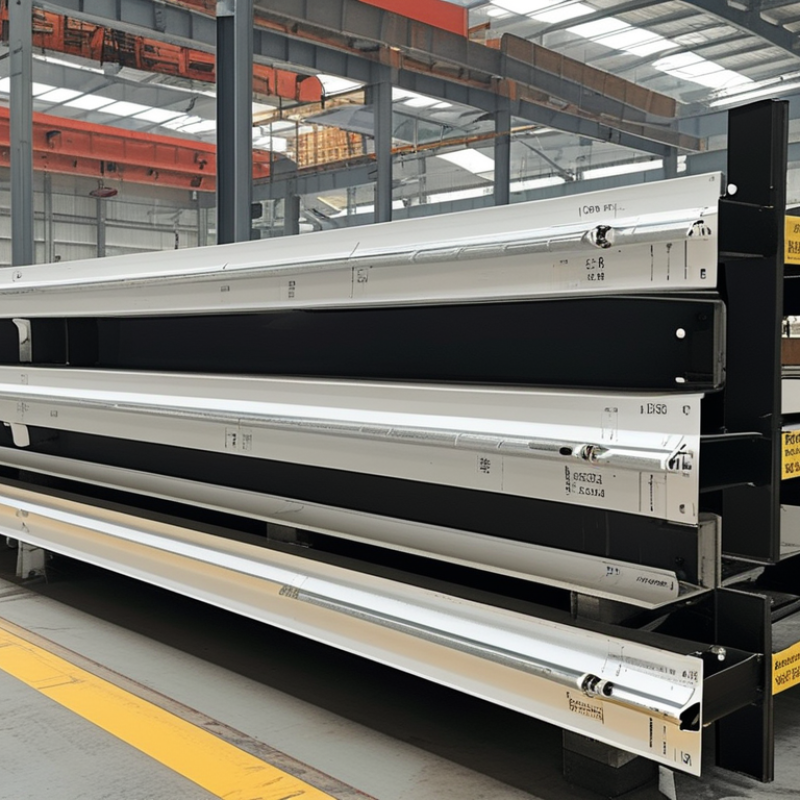
Boltless storage systems use interlocking frames, horizontal beams, and shelf panels instead of welded joints or traditional bolts. Uprights contain punched slots, while beams lock into those slots with clips or tapered connectors. A rubber mallet usually completes the assembly. One worker can often build a bay without drilling, specialist tools, or permanent floor fixing.
The design supports quick reconfiguration. A warehouse team can raise a shelf when cartons become taller, then lower it for smaller containers. This flexibility matters as inventory changes. MHI’s 2024 Annual Industry Report reported that 55% of supply chain leaders planned to increase technology investment. That trend also increases pressure for adaptable storage layouts. In practice, I would check beam seating, frame plumbness, and load labels after every major adjustment. Small mistakes can become expensive.
Choosing among China’s boltless systems manufacturers requires more than comparing steel thickness. Ask for verified load testing, material certificates, dimensional tolerances, and installation instructions. EN 15635 recommends regular inspection of storage equipment, with documented action after damage appears. That guidance is useful, though it does not replace local engineering requirements. Measure the floor first. An uneven surface can distort a seemingly strong rack. I would also test one loaded bay before approving a full order. The first design is rarely perfect.
Typical load capacity by boltless storage system category
Boltless storage systems use rivets, clips, or interlocking connectors instead of traditional bolts and nuts. The shelves can usually be repositioned without specialized tools. The values shown are common nominal capacity levels used for initial planning; actual capacity depends on shelf size, beam or upright design, steel thickness, load distribution, and the manufacturer’s tested rating.
China Top Boltless Systems Manufacturers: How to Choose?
Why Choose Chinese Boltless Systems Manufacturers?
Chinese boltless systems manufacturers offer more than competitive pricing. They operate within a deep metalworking and component-supply network. This ecosystem supports faster customization, stable material sourcing, and flexible production volumes. Mordor Intelligence’s 2024 warehouse racking analysis estimates the global market will grow at roughly 5% annually through 2029. That growth increases demand for adaptable storage solutions.
Practical sourcing still requires evidence. Ask for steel grades, load-test records, coating specifications, and dimensional tolerances. A reliable factory should provide clear drawings before production. It should also explain how shelves perform under uneven loading. Small details matter. I would not trust catalog photos alone.
China also supports diverse project requirements, from household garages to warehouse picking areas. Manufacturers can adjust shelf spacing, frame height, panel thickness, and accessory designs. Grand View Research has reported strong expansion in the global warehouse automation market, with annual growth above 15% in recent forecasts. This trend encourages better integration between storage structures and modern logistics operations.
However, the lowest quotation can hide weaker steel or inconsistent welding. That is an uncomfortable reality. Buyers should compare total cost, including packaging, inspection, replacement parts, and shipping damage risks. Independent pre-shipment inspection is sensible. A small pilot order may reveal problems that a polished sample cannot.
| Selection Dimension | What to Check | Typical Reference Data | Why Chinese Manufacturers May Be Competitive | Recommended Buyer Evidence |
|---|---|---|---|---|
| System Type | Confirm whether the system uses boltless beams, rivets, clips, or interlocking connectors. | Common configurations include 4–6 adjustable shelf levels and beam-based assembly without conventional nuts and bolts. | Manufacturers commonly offer several connection designs for light-, medium-, and heavy-duty storage applications. | Request assembly drawings, connection details, and a physical sample. |
| Load Capacity | Compare uniformly distributed load per shelf, not only the total rack load. | Typical boltless shelving ranges from approximately 100 kg to 1,000 kg per shelf, depending on design, span, deck, and material thickness. | Large production bases can support multiple steel grades, profiles, and reinforced components for different load requirements. | Ask for load tables, test methods, safety factors, and signed technical calculations. |
| Material Thickness | Check the actual thickness of uprights, beams, braces, panels, and decking. | Light- and medium-duty components commonly use cold-rolled steel in approximately 0.7–2.0 mm thickness; heavy-duty designs may use thicker sections. | Steel processing, roll forming, punching, welding, and automated coating can be combined within one supply chain. | Require material certificates, thickness tolerances, and random incoming-material inspection records. |
| Dimensional Accuracy | Evaluate hole spacing, beam fit, upright straightness, and shelf-level consistency. | Common adjustable pitch is approximately 25–50 mm, depending on the system design. | High-volume tooling and automated forming can improve repeatability when supported by effective process control. | Request inspection plans, tolerance sheets, and pre-shipment dimensional reports. |
| Surface Treatment | Check corrosion resistance, coating adhesion, color consistency, and edge coverage. | Common finishes include powder coating, galvanized steel, and painted steel. Powder coating thickness is often specified by project requirements. | Multiple finishing options are available for warehouse, retail, office, and industrial environments. | Specify coating standard, color code, adhesion test, salt-spray requirement, and acceptable defect limits. |
| Customization Capability | Assess customization of width, depth, height, shelf type, wheels, dividers, bins, and safety accessories. | Common custom dimensions can be developed from approved drawings, with tooling required for some structural changes. | Integrated engineering and manufacturing resources can reduce coordination between separate suppliers. | Obtain a stamped drawing, bill of materials, prototype approval, and change-control procedure. |
| Production Capacity | Verify whether the factory can maintain output during peak seasons and repeat orders. | Capacity varies widely; it should be evaluated through equipment lists, shift plans, and recent production records rather than stated figures alone. | Established industrial clusters can provide access to steel processing, packaging, tooling, and logistics services. | Request a factory audit, production schedule, equipment inventory, and capacity confirmation for the required quantity. |
| Minimum Order Quantity | Clarify whether the supplier accepts trial orders, mixed containers, or multiple sizes in one order. | MOQ depends on customization, coating color, packaging, tooling, and order volume; standard items generally allow more flexibility. | A broad supplier base may offer both standard catalog products and project-specific manufacturing. | Request written MOQ terms, sample pricing, tooling charges, and mixed-load rules. |
| Lead Time | Separate sample, tooling, production, inspection, and shipping time. | Standard production may take several weeks; custom tooling and peak-season scheduling can extend the timeline. | Established export logistics and concentrated manufacturing regions can support coordinated shipment planning. | Include milestone dates, late-delivery remedies, inspection windows, and shipping responsibilities in the contract. |
| Quality Management | Review incoming-material, in-process, final, and loading inspections. | A reliable quality plan should cover dimensions, welds, coating, load performance, labeling, and packaging. | Many factories can provide documented inspection procedures and third-party inspection coordination when required. | Ask for inspection records, nonconformity reports, corrective-action procedures, and product traceability. |
| Safety and Compliance | Confirm compliance with the destination market’s rack, workplace-safety, fire, and chemical requirements. | Applicable requirements vary by country and application; there is no single universal boltless-shelving standard for every market. | Manufacturers can often adapt labels, documentation, materials, and testing to the buyer’s regulatory requirements. | Specify the required standards before quotation and verify certificates with the issuing organization. |
| Packaging and Shipping | Check protection against scratches, deformation, moisture, and missing components. | Knock-down packaging can reduce storage and freight volume, but each package should include clear labels and an itemized packing list. | Container-oriented packaging and export experience can help improve cubic utilization and shipment coordination. | Approve packaging samples and require loading photos, carton counts, weight data, and spare-part provisions. |
| Total Cost of Ownership | Compare product price, tooling, freight, duty, installation, replacement parts, and expected service life. | The lowest unit price may not provide the lowest delivered cost if load performance, packaging, or after-sales support is inadequate. | Competitive manufacturing costs and customization flexibility may provide value for standardized or large-volume projects. | Use a landed-cost comparison and score suppliers on quality, delivery, compliance, and support—not price alone. |
| After-Sales Support | Evaluate installation guidance, spare parts, warranty terms, complaint response, and technical communication. | Support quality depends on the supplier’s documentation, service team, language capability, and contractual warranty coverage. | Direct factory communication can simplify engineering revisions, replacement-part sourcing, and repeat-order management. | Define response times, warranty exclusions, spare-part availability, and responsibility for defective components. |
Note: The figures above are general industry reference ranges rather than guarantees. Final performance, capacity, lead time, compliance, and cost must be confirmed through approved drawings, samples, test reports, and a written quotation.
Product quality begins with steel traceability, not a polished catalog. The World Steel Association reported 1.892 billion tonnes of crude steel production in 2023. This scale makes material verification essential. Ask for heat numbers, material certificates, and thickness records. A reliable factory should connect each batch to its production order. ISO 9001 certification helps, but it does not replace physical inspection.
Check upright straightness, beam deflection, weld penetration, and coating consistency. Small defects matter. A loose connector can enlarge under repeated loading. Request load tests using the intended shelf spacing and weight. EN 15635 provides practical guidance for steel storage systems, including inspection and safe use. The test report should show equipment, sample size, loading method, and failure results. Vague claims are weak evidence.
Factory visits reveal more than brochures. Look for calibrated gauges, controlled welding areas, and clear quarantine zones for rejected parts. Powder coating should cover corners and hidden edges, where corrosion often begins. The ISO Survey 2023 recorded more than 1.26 million ISO 9001 certificates worldwide, so certification alone cannot prove superior manufacturing. I would also compare inspection records across several months. One perfect sample may be staged. Even experienced buyers can miss connector fatigue or uneven floors. Leave room for doubt, and verify the details twice.
When comparing China’s top boltless systems manufacturers, buyers should examine more than price and photographs. Start with rated load capacity per shelf, not the total unit capacity. Ask whether testing reflects evenly distributed weight or real warehouse use. Steel thickness, upright design, and beam locking strength affect safety and service life. Thin panels may look acceptable but can bend under repeated loading.
Check adjustability carefully. Shelf spacing should match your cartons, tools, or storage bins without wasted vertical space. Measure the actual frame width and depth against your facility’s aisles. Powder coating quality also matters in humid environments; request information about surface preparation, coating thickness, and corrosion testing. A smooth finish is useful, but it does not prove durability.
Small details often decide installation costs. Confirm whether the package includes connectors, leveling feet, and clear assembly instructions. Ask for sample units, inspection records, material certificates, and replacement-part support before ordering. Packaging deserves attention too. Bent uprights create delays. A supplier should explain quality checks, production tolerances, and shipment protection. One weakness remains easy to miss: attractive samples may not represent every production batch. Buyers should compare independent inspections and approve a pre-shipment sample. That extra step may feel slow, but it can expose loose joints, uneven holes, or unstable frames before a large order.
Choosing the right boltless systems manufacturer requires more than comparing prices. Start with your storage conditions, load requirements, shelf dimensions, and installation environment. A reliable manufacturer should ask these questions before offering a quotation.
Request technical drawings, material specifications, and recent load-test records. Check whether the steel thickness matches the stated capacity. Ask how the manufacturer controls welding, coating, cutting, and packaging. Small surface defects can become rust problems in humid warehouses. Samples are valuable. Assemble one unit and inspect its stability, connection fit, and adjustment process.
Experience also matters. Ask for references from projects with similar loads and operating conditions. Visit a production site when possible. Clean work areas, traceable inspection records, and trained workers provide useful evidence. Confirm lead times, replacement-part availability, installation support, and warranty terms in writing. Vague promises are risky.
Do not select a supplier only because its catalog looks professional. I have seen attractive samples hide weak connectors and inconsistent dimensions. That mistake can delay an entire warehouse project. A second inspection is worthwhile. Sometimes, the cheapest proposal becomes expensive after freight, missing parts, or redesign work. Review every assumption with an independent engineer when the system carries heavy goods or operates at height. Also consider communication speed. Clear replies during design often predict better support after delivery. One detail is easy to miss: ask how design changes are recorded and approved.
Request heat numbers, material certificates, and thickness records. Each batch should link to a production order. Do not rely on a polished catalog alone. Physical verification still matters.
It should state the equipment, sample size, loading method, shelf spacing, and failure results. The test should reflect your expected weight distribution. A vague capacity claim is weak evidence.
Check upright straightness, beam deflection, weld penetration, and connector locking strength. Inspect uneven holes and loose joints. Small defects can worsen under repeated loading. I might be overly cautious, but repeated use exposes hidden weaknesses.
Powder coating should cover corners, edges, and hidden surfaces. These areas often develop corrosion first, especially in humid warehouses. Ask about surface preparation, coating thickness, and corrosion testing. A smooth finish is not proof of durability.
Compare rated load per shelf, steel thickness, frame dimensions, and adjustment options. Measure the system against your actual aisles and storage bins. Check whether spacing suits cartons, tools, or containers. Pictures can hide wasted vertical space.
Confirm connectors, leveling feet, assembly instructions, and replacement-part support. Ask how parts are protected during shipping. Bent uprights create installation delays. Packaging matters too.
Look for calibrated gauges, controlled welding areas, and quarantine zones for rejected parts. Review inspection records from several months. One perfect sample may be staged. Visit the factory if possible.
Assemble a sample unit before placing a large order. Inspect stability, connection fit, dimensions, and adjustment. Approve a pre-shipment sample and consider independent inspection. I would check twice. Loose joints are easy to miss.
Request written lead times, warranty terms, installation assistance, and replacement-part availability. Ask how design changes are recorded and approved. Clear communication during design often predicts better delivery support. Still, promises need documentation.
Boltless Systems are modular storage solutions designed for fast assembly without nuts, bolts, or specialized tools. Their interlocking structure allows shelves, frames, and accessories to be adjusted or expanded as storage needs change. This makes them suitable for warehouses, workshops, retail spaces, offices, and home organization. Chinese manufacturers are often considered because they can offer flexible production capacity, diverse configurations, competitive pricing, and customization options for different markets.
When choosing a manufacturer, buyers should evaluate material strength, load capacity, surface treatment, dimensional accuracy, safety design, and consistency between production batches. It is also important to review quality-control procedures, testing standards, manufacturing experience, communication efficiency, lead times, packaging, and after-sales support. Before placing an order, compare shelf adjustability, assembly convenience, corrosion resistance, available sizes, accessory compatibility, and space utilization. The most suitable supplier should demonstrate reliable quality, clear technical documentation, stable production capabilities, and the ability to meet specific project requirements rather than simply offering the lowest price.

Jracking