Choosing the right Push-Back Storage system starts with a clear picture of your inventory, pallet flow, and available floor space. This high-density solution can store multiple pallets deep in each lane, using gravity-fed carts to move loads toward the aisle as pallets are removed. It can reduce forklift travel and open up valuable storage space. But it is not ideal for every operation.
A practical design principle is: “Match the system to your pallet flow, not just your available space.” This is an editorial summary, not a verified quotation from a named expert. A reliable recommendation should be based on actual operating data, not an invented attribution.
Start by checking how many pallets you store per product, how quickly each SKU moves, and whether your team follows last-in, first-out rotation. Also review pallet condition, load weight, forklift type, and aisle access. A damaged pallet or inconsistent load can interrupt smooth cart movement. Small details matter.
This guide explains how to compare lane depth, capacity, safety features, and operating costs. It also highlights questions to raise with a qualified storage-system designer, including future growth and maintenance access. Push-Back Storage can be efficient, but it requires thoughtful planning. The best choice is the one that fits your real workflow—even when that means choosing fewer pallet positions.
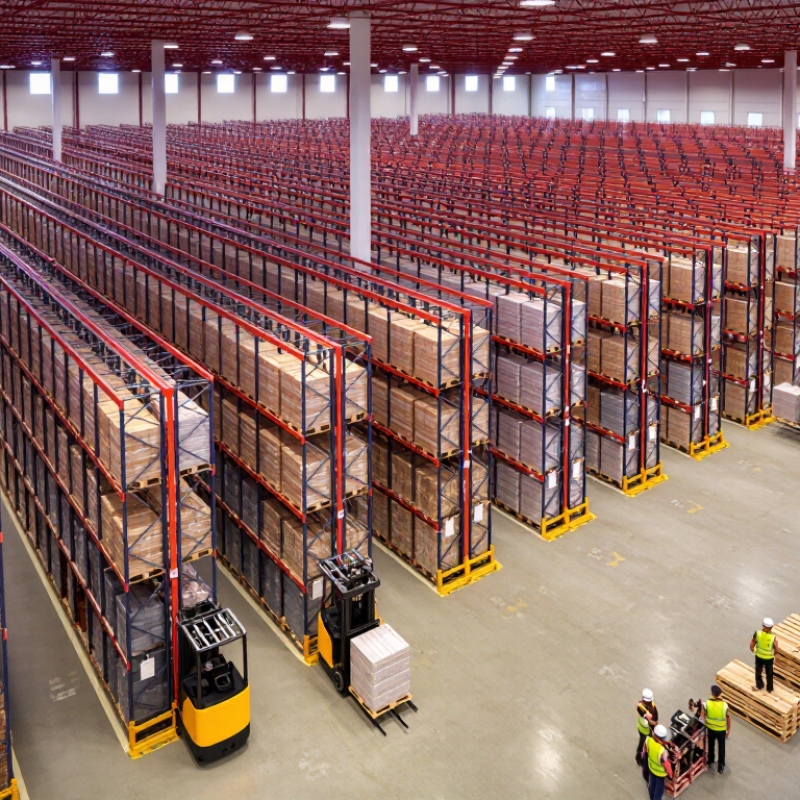
Define Your Storage Needs and Inventory Profile
Before choosing a push-back storage system, map what you actually store. Record pallet dimensions, loaded weights, and the number of pallets per SKU. Note which items arrive together and how quickly each one moves. Start with the data. Then check it against a few real shifts; inventory records can be outdated, and assumptions often hide awkward pallet sizes.
Push-back racking typically stores several pallets deep on wheeled carts, with loading and picking from the same aisle. It suits products managed in batches, especially when many pallets share a SKU. That matters. If workers need frequent access to every pallet, deep lanes may slow picking or leave older stock behind. Review order history, replenishment frequency, and any rotation rules before assigning products to lanes.
Also estimate normal and peak inventory, not just today’s count. A lane sized for an average week may overflow during seasonal surges. Check forklift type, aisle clearance, ceiling height, floor conditions, and pallet consistency with a qualified storage professional. Uneven loads can travel poorly on carts. You may need fewer deep lanes for mixed or irregular products, even if the initial layout looks less space-efficient. Revisit the profile after installation; usage patterns change, and the original forecast may be wrong.
Assess Load Characteristics and Pallet Compatibility
A push-back storage system should be selected around the load it will handle every day, not just its advertised capacity. Record each pallet’s loaded weight, height, width, and depth, including stretch wrap or uneven cartons. Check both the heaviest pallet and the typical load. A lane may carry the total weight but still struggle with concentrated loads or shifting products. Small differences matter.
Tips: Check the weakest pallet. Confirm its bottom boards or runners suit the system’s support and entry points. Test representative loaded pallets, not empty ones.
Pallet compatibility affects smooth movement on the carts and the stability of each load. Note whether pallets are block-style or stringer-style, and look for broken boards, protruding nails, or excessive deflection. Also verify that pallet dimensions leave suitable clearance within the lane. Mixed pallet types may work, but don’t assume they will. It is easy to focus on rack capacity and overlook pallet condition; that deserves a second look. Have a qualified storage-system designer verify the proposed loads, lane depth, and clearances against site conditions before installation.
Compare System Design, Storage Capacity, and Aisle Requirements
How to Choose the Best Push Back Storage System?
Push-back storage uses nested carts or rollers to hold pallets several positions deep. A forklift places each new pallet at the front, pushing earlier pallets back. Loads are usually retrieved in last-in, first-out order. That matters. This design suits products with several pallets per SKU, but it can complicate stock rotation when dates or batches must remain separate. Check how each lane handles your actual pallet sizes and load weights.
Compare capacity by counting usable pallet positions, not just rack depth. Deeper lanes can reduce the number of aisles, but they also limit the number of distinct SKUs stored in each lane. A warehouse with many low-volume products may gain less than one moving a few high-volume items. Ask for a layout based on your peak inventory, pallet dimensions, and replenishment pattern. A tidy capacity estimate can still mislead if it ignores damaged pallets or uneven loads.
Aisle requirements depend on the forklift, turning radius, and pallet overhang. Measure the equipment’s operating needs in the real building, including columns and staging areas. Push-back racks typically need access from the front, while deep lanes use floor space efficiently. But a tight aisle can slow handling or create awkward turns. Measure twice. Have an experienced layout professional review traffic paths and clearances before installation; small site details are easy to miss on a drawing.
Evaluate Site Conditions, Safety Features, and Workflow
Start with the building, not the rack drawing. Check floor capacity and levelness, column locations, sprinkler clearance, aisle width, and available height. Push-back lanes need clear forklift access at the front. Measure the pallets you actually use, including load weight and overhang. Averages can hide awkward outliers.
Safety depends on matching equipment to real operating conditions. Verify rated capacities for each lane and pallet position, and confirm that stops and aisle-end protection suit the layout. Keep loads stable and within pallet dimensions; damaged pallets can catch on carts. Operators should be trained to load and retrieve from the aisle, without entering storage lanes. Have a qualified rack professional review the design and installation. Details matter.
Then test the workflow. Push-back storage typically follows last-in, first-out access, so it suits products that can be handled in that sequence. Group compatible items by lane, and compare pick frequency with replenishment patterns. Check forklift turning space during busy periods, not only on an empty floor. A tidy plan may still bottleneck at shift change. That is easy to miss. A small trial with representative pallets can reveal cart movement issues or slower-than-expected retrieval before the system is fully loaded.
How to Choose the Best Push-Back Storage System?
Example decision weights for evaluating site conditions, safety features, and workflow.
Consider aisle and ceiling constraints, floor capacity, load characteristics, and required clearances when assessing site fit. Review load retention and operating procedures for safety, then check whether lane-based storage supports your replenishment and picking workflow. These weights are an illustrative planning framework, not an industry benchmark; adjust them to your facility and validate the rack design with a qualified professional.
Choose for Cost, Durability, and Future Scalability
How to Choose the Best Push Back Storage System?
Choose for Cost, Durability, and Future Scalability
A push-back system can increase pallet density, but the purchase price is only part of the cost. Compare the full installation quote, including rails, carts, engineering, and any changes to your existing rack. Check the expected pallet loads and daily cycles. A system handling heavy pallets all day needs different components from one used occasionally. Ask for written load ratings, not estimates based on appearance.
Durability depends on more than steel thickness. Look at wheel and bearing quality, rail alignment, protective finishes, and access to replacement parts. Small components matter. A worn cart can disrupt an entire lane. I would not treat the cheapest quote as a win; long-term maintenance can shift the calculation. Still, projecting future needs is imperfect. Leave room for growth, but avoid paying for capacity you may never use. Confirm that the layout can accommodate likely pallet sizes and workflow changes.
Tips: Ask suppliers for maintenance intervals and a clear warranty. Have a qualified rack professional verify loads, floor conditions, and installation details. Walk through the proposed layout with operators; a drawing may not reveal every awkward turn.
Conclusion
Choosing the right Push-Back Storage system starts with understanding what you store, how much inventory you handle, and how quickly products need to move. Consider product dimensions, stock rotation, and the number of pallet positions required. Check pallet sizes, weights, and load stability to ensure the system can safely accommodate your goods.
Compare system layouts by storage capacity, lane depth, and aisle space, while accounting for your building’s dimensions and equipment. Review floor conditions, operating workflows, and safety features such as load restraints and clear access routes. Finally, weigh the initial investment against durability, maintenance needs, and the possibility of future expansion. A well-matched system can make better use of available space, support efficient handling, and adapt as your inventory requirements change.

 Jracking