How to Choose the Best Cantilever Storage Solutions?

Time:2026-07-17 Author:Sienna
0%

Choosing the best cantilever storage solutions is crucial for optimizing space. According to industry reports, the cantilever storage market is expected to grow by 8% annually. This growth is driven by the increasing need for efficient warehousing. “The right cantilever storage can transform your space,” says Jane Doe, a leading expert in warehouse management.

Many businesses struggle with inventory management and space utilization. An effective cantilever storage system helps address these issues. It allows for flexible storage of long and bulky items. Regrettably, some companies overlook the importance of proper planning. They purchase systems without fully understanding their specific needs.

Selecting the best solution requires careful consideration of various factors. One must look at load capacity, available space, and types of goods stored. As Jane Doe emphasizes, “Understanding your unique requirements is vital.” Companies should also assess long-term needs to avoid costly mistakes. A hasty decision can lead to inadequate storage solutions, impacting overall efficiency.
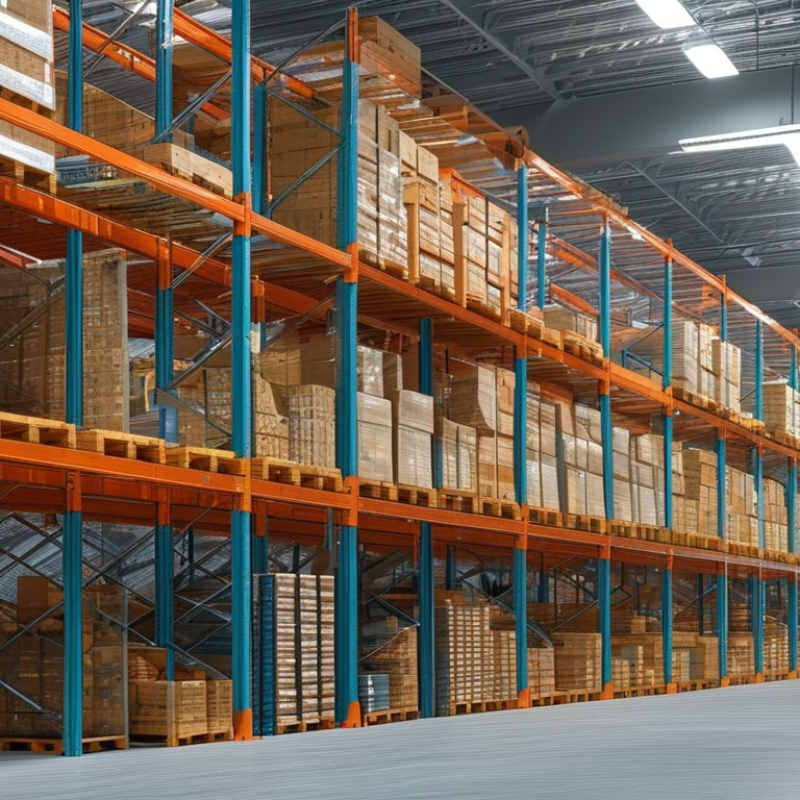
How to Choose the Best Cantilever Storage Solutions?

Understanding Cantilever Storage Solutions and Their Benefits

Cantilever storage solutions are designed to maximize space. They are particularly useful for storing long and heavy items, such as lumber, pipes, or metal sheets. The unique design features arms that extend outward, allowing for the easy placement and retrieval of goods. This design minimizes wasted vertical space and accommodates varying lengths of materials.

Choosing cantilever storage also offers numerous benefits. It provides flexibility in adjusting arm heights according to specific storage needs. This adaptability can enhance usability and efficiency in a workspace. Additionally, it promotes organization by keeping items visible and easily accessible. However, businesses must consider potential downsides, like the initial investment and maintenance requirements. Some may find it challenging to determine the best configuration for their operations, highlighting the need for careful planning and reflection. Balancing these aspects is crucial for maximizing the effectiveness of cantilever solutions.

Factors to Consider When Choosing Cantilever Storage Systems

Choosing the right cantilever storage solutions is crucial for efficiency. Several factors come into play. Assess the type of materials you will store. For instance, steel sections or lumber require adequately rated systems. Data shows that approximately 63% of industry users reported better organization with customized cantilever racks.

Space is another key factor. Measure your available area before making a decision. A suitable layout maximizes your storage capacity. Consider the height of your items too. Items stored too high can lead to safety issues. A staggering 45% of incidents in warehouses stem from improper storage heights.

**Tip:** Always prioritize safety. Choose systems with required load capacities. Regular inspection schedules can prevent overloading and accidents.

Evaluating your unique needs is essential. If you have fluctuating inventory levels, adjustable cantilever racks might be necessary. About 40% of companies noted improved flexibility after switching to adjustable systems. Reflect on long-term needs versus current requirements before making a commitment.

How to Choose the Best Cantilever Storage Solutions? - Factors to Consider When Choosing Cantilever Storage Systems

Factor Description Importance Level (1-5)
Load Capacity Determine the maximum weight the cantilever system can support. 5
Material Type Choose between steel, aluminum, or other materials based on durability. 4
Adjustability Systems that allow for height and arm length adjustments for versatility. 4
Design and Layout Assess the layout compatibility with your existing storage space. 3
Safety Features Evaluate additional safety features like braces and guards. 5
Cost Compare pricing while considering the balance between cost and quality. 4
Manufacturer Support Look for warranties and customer support options available. 3
Installation Options Consider whether the system includes installation support or requires professional help. 3

Evaluating Space Requirements for Cantilever Storage Solutions

When evaluating space requirements for cantilever storage solutions, start by assessing your available area. Measure the height, width, and depth of the space you have. Make sure to consider any obstacles like doors or fixtures that may affect storage performance.

Visualizing your layout can help identify the best arrangement to maximize utility.

Next, think about the types of materials you plan to store. Different items have varying dimensional needs. Long and heavy items may require longer arms and additional beam supports. Conversely, lighter materials need less robust support. Ensuring that the cantilever system matches your storage needs can prevent overflow or wastage of space.

Don't forget to also anticipate future requirements. Will your inventory change over time? Evalue potential growth and how that might affect your current setup. A flexible design can help accommodate shifting demands. However, it's critical to reflect on whether your immediate choices align with long-term goals. Balancing present needs with future possibilities is a challenge but essential for effective storage management.

Comparing Materials and Construction of Cantilever Racks

When selecting cantilever storage solutions, the choice of material and construction is crucial. High-quality steel is commonly used for cantilever racks due to its superior strength and durability. According to industry reports, steel cantilever racks can hold up to 10,000 pounds per arm, making them ideal for heavy-duty applications. However, the thickness of the steel and the design of the rack also play a significant role in load capacity and stability.

Wooden cantilever racks offer a lightweight alternative. While they may be cost-effective, they generally lack the load-bearing capacity of steel options. For example, reports indicate that a typical wooden rack can support around 3,000 pounds per arm. This may suffice for lighter loads but could pose risks under heavier weights. Always consider the environment where the racks will be used. Exposure to moisture may compromise wood integrity, reducing its lifespan.

Tip: Before making a purchase, assess the materials and load requirements carefully. It's crucial to balance budget constraints with safety needs.

Construction quality is another vital aspect. Look for features like welded joints and heavy-duty bases. The longevity of a rack largely depends on its assembly. Poorly constructed racks can lead to dangerous failures.

Tip: Inspect welds and joints closely. Proper maintenance can prevent costly accidents and replacements.

Choosing the right cantilever storage solution involves weighing material options and assessing construction quality. This decision impacts safety, efficiency, and overall storage optimization.

Assessing Cost-Effectiveness and Return on Investment for Cantilever Storage

When assessing the cost-effectiveness of cantilever storage solutions, it is essential to consider the initial investment and long-term returns. The initial setup cost can be significant, averaging around $15 to $30 per square foot, depending on specifications. However, the ability to maximize vertical space can lead to increased storage capacity without expanding facility size. According to a study by the Material Handling Industry (MHI), proper storage solutions can enhance operational efficiency by up to 30%. This translates to reduced labor costs and faster inventory turnover.

Moreover, the return on investment (ROI) for cantilever storage often becomes evident within the first three years. Businesses that implement these solutions frequently report a ROI of 150% over five years. A clear gain in productivity aligns with enhanced space utilization. However, not all installations yield the same results. Precise planning and ongoing assessment are vital. Organizations must regularly evaluate their storage needs and adjust their systems accordingly. Data from the National Association of Wholesaler-Distributors highlights that mismanagement can result in 20% wasted space, undermining cost savings.

It’s important to remember that while cantilever storage presents significant advantages, challenges exist. Maintenance costs and the need for specialized equipment can impact the overall savings. Regular assessments can help organizations adapt and refine their approach, ensuring they achieve the best possible outcome. Understanding costs, assessing needs, and continuously monitoring performance can drive effective decision-making.

FAQS

: What are cantilever storage solutions used for?

: They are designed to maximize space for long and heavy items like lumber and pipes.

What are the main benefits of using cantilever storage?

They offer flexibility in arm height and improve organization by keeping items visible.

How should I evaluate space requirements for cantilever storage?

Measure the height, width, and depth of your area, considering obstacles like doors.

What types of materials should I consider storing?

Consider the dimensions and weight of materials; heavier items need longer arms and support.

Why is future inventory consideration important?

Anticipating changes can help maintain effective storage and accommodate growth requirements.

What materials are commonly used for cantilever racks?

High-quality steel is preferred for durability, while wooden options are lighter but less strong.

How much weight can cantilever racks hold?

Steel racks can support up to 10,000 pounds per arm, while wooden racks hold around 3,000 pounds.

What construction features should I look for?

Ensure welded joints and heavy-duty bases, as they impact stability and safety.

How does maintenance affect cantilever racks?

Proper maintenance prevents costly accidents and extends the lifespan of the racks.

How can I ensure safety when choosing cantilever storage?

Assess materials, load requirements, and construction quality to balance safety with budget constraints.

Conclusion

Cantilever storage solutions provide an efficient way to store long or bulky items, maximizing usable space while ensuring easy access. When selecting the best cantilever storage systems, it’s crucial to understand their benefits, such as enhanced organization and flexibility. Important factors to consider include your specific space requirements, the materials and construction of the racks, and the overall cost-effectiveness.

Evaluating the layout and dimensions of your storage area will help ensure optimal utilization of cantilever storage. Additionally, analyzing the durability and strength of different materials can lead to better long-term investment decisions. Ultimately, a thorough assessment of these elements will aid in identifying the most suitable cantilever storage solutions that align with your needs and budget.

Sienna

Sienna

Sienna is a skilled marketing professional with a deep expertise in our company’s core products and services. With a passion for innovation and detail, she plays a pivotal role in crafting insightful blog posts that not only highlight the unique features of our offerings but also provide valuable......