China’s manufacturing base has made it a major source of Stacking Systems for warehouses, factories, distribution centers, and retail operations worldwide. Yet “best” does not simply mean the lowest quotation. It means a system that fits your products, floor space, lifting equipment, safety requirements, and growth plans.
John Paxton, former CEO of MHI, stated, “Resilience is not a project; it is a capability.” This idea applies directly to warehouse storage. A dependable stacking solution should support stable inventory flow, not create another operational weakness. Global buyers should examine steel thickness, load ratings, weld quality, surface treatment, installation instructions, and replacement-part availability. Ask for test reports. Check production samples. Visit the factory when possible.
Details matter. A pallet rack may look strong under bright showroom lights, yet its upright frame can fail when loads are uneven or forklifts strike the aisle. Chinese suppliers often provide flexible designs, competitive pricing, and fast customization. These are valuable advantages. Still, quality varies between manufacturers, and one quotation cannot reveal everything.
No supplier is perfect. Our evaluation should admit that. Some buyers also focus too heavily on price and overlook training or after-sales service. That can become expensive later. The strongest Stacking Systems partner communicates clearly, documents specifications, supports installation, and responds when conditions change. This guide explores China’s leading options through practical experience, technical evidence, supplier credibility, and long-term reliability for international buyers.
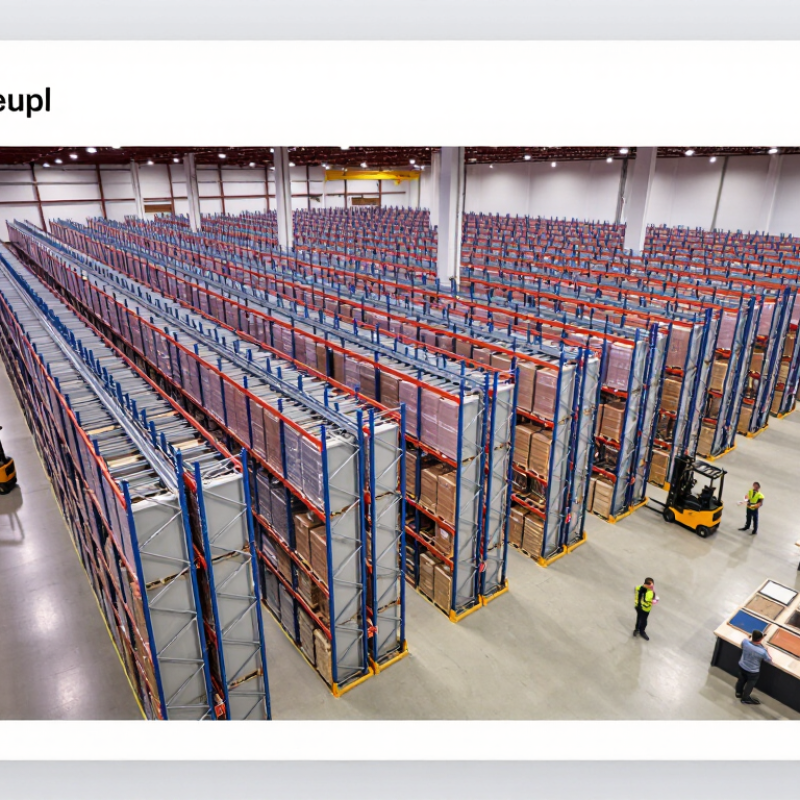
China Best Stacking Systems for Global Buyers?
Chinese manufacturers produce several stacking systems for different warehouse conditions. Selective pallet racking offers direct access to every pallet and suits mixed inventories. Drive-in racking increases storage density for similar products with low rotation. Push-back systems use inclined rails, allowing pallets to move forward by gravity. Shuttle racking adds powered carts for deeper lanes and fewer forklift movements. These options fit cold stores, factories, and distribution centers, but capacity must match actual loads.
Automated stacker cranes serve high-bay warehouses with narrow aisles and controlled product flow. Vertical lift modules use enclosed trays to save floor space and reduce manual picking. Cantilever racks handle long materials, such as pipes, timber, and metal profiles. Light-duty shelving supports cartons, spare parts, and hand-picked goods. Chinese factories commonly cut steel by automated equipment, weld structural parts, and apply powder coatings for surface protection. Dimensional checks matter. Small errors can affect installation.
A reliable buying process should include load calculations, layout drawings, material certificates, and factory inspection records. Ask for weld inspection methods and coating thickness results. A trial assembly can reveal problems before shipment. Low pricing is attractive, but thinner steel or loose tolerances may create future costs. Not every warehouse needs automation. That lesson is easy to overlook. Buyers should compare lifecycle value, local installation support, replacement parts, and training, rather than judging systems only by the quoted unit price.
| Stacking System Type | Operating Principle | Typical Load per Level | Typical System Height | Typical Bay Depth | Pallet Selectivity | Best-Fit Applications |
|---|---|---|---|---|---|---|
| Selective Pallet Racking | Individual pallets are stored in adjustable beam levels and accessed directly from an aisle. | 500–4,000 kg | 2–12 m | 900–1,200 mm | Very high; direct access to every pallet | General warehouses, distribution centers, spare-parts storage and mixed-SKU inventory |
| Drive-In Racking | Forklifts enter storage lanes supported by horizontal rails, creating dense block storage. | 500–1,500 kg | 4–10 m | 3,000–12,000 mm per lane | Low; typically one SKU per lane | Cold storage, seasonal goods and high-volume products with limited SKU variety |
| Push-Back Racking | Pallets are loaded from the front and pushed backward on inclined carts or rollers. | 500–1,500 kg | 3–10 m | 2,400–6,000 mm | Medium; last-in, first-out storage | High-density storage where several pallets of the same product are held together |
| Pallet Flow Racking | Pallets move by gravity on roller tracks from the loading side to the picking side. | 500–1,500 kg | 3–10 m | 2,400–12,000 mm | High; first-in, first-out rotation | Food, beverages, pharmaceuticals and other date-sensitive inventory |
| Pallet Shuttle Racking | A motorized shuttle transports pallets within deep storage channels while forklifts remain at the aisle. | 500–1,500 kg | 4–12 m | 10,000–40,000 mm per channel | Medium to high, depending on lane configuration | High-density cold stores, large batch inventories and reduced-forklift operations |
| Mobile Pallet Racking | Rack rows move on motorized bases to open only the aisle required for access. | 500–2,000 kg | 2–10 m | 900–1,200 mm | Very high with fewer permanent aisles | Warehouses with high land costs, archives, museums and temperature-controlled facilities |
| Cantilever Racking | Horizontal arms extend from upright columns to support long, bulky or irregular loads. | 200–1,500 kg per arm | 2–8 m | 600–1,500 mm per arm | High for long-load products | Steel bars, pipes, timber, furniture panels, profiles and construction materials |
| Automated Storage and Retrieval System | Crane-based or shuttle-based equipment automatically stores and retrieves pallets under software control. | 500–1,500 kg per pallet | 8–30 m | Deep-lane configuration varies by project | Very high, subject to software and layout design | High-throughput distribution, manufacturing, e-commerce and facilities with limited floor space |
Note: The figures are typical engineering ranges for systems manufactured in China. Final capacity, dimensions and compliance requirements depend on pallet size, load characteristics, seismic conditions, local regulations and the approved structural design.
Selective pallet racking gives direct access to every pallet. Drive-in systems provide dense storage for similar products. Push-back racks use inclined rails and gravity. Shuttle systems use powered carts for deeper lanes. Automated cranes suit high-bay warehouses with narrow aisles.
Selective pallet racking usually works best for mixed products. Each pallet remains reachable. It may use more floor space than dense systems. Check pallet turnover before deciding.
Drive-in racking suits similar products with low rotation. Forklifts enter deeper lanes. This improves density but reduces direct access. Poor product rotation can make retrieval slower.
Confirm pallet weight, dimensions, aisle width, lifting height, and operating cycles. Review temperature conditions for cold storage. Request layout drawings and load calculations. Small errors matter.
Look for overload protection, emergency stopping, stable frames, and clear controls. Smooth lifting protects fragile cartons. Operators also need practical training. Safety cannot rely on appearance alone.
Uneven concrete can reduce stability and increase wheel wear. Heavy equipment needs a suitable floor condition. Check flatness before installation. This detail is often overlooked.
Request material certificates, weld inspection methods, coating results, and factory inspection records. Inspect frames, sensors, cable routing, and safety responses. A video helps. It is not proof.
Not always. Thinner steel, loose tolerances, and missing support can create later costs. Compare energy use, maintenance, spare parts, installation, and training. I may overvalue a low price at first. Lifecycle cost deserves more attention.
This article provides a practical guide to China’s Stacking Systems for global buyers, covering common types such as pallet stackers, automated storage solutions, mobile stacking equipment, and customized warehouse systems. It explains how these systems support material handling, manufacturing, logistics, retail, and other industrial applications through features such as space efficiency, load capacity, operational flexibility, automation, and ease of maintenance.
The article also outlines how buyers can evaluate Chinese suppliers by reviewing manufacturing capabilities, product documentation, quality control procedures, service support, and previous export experience. Attention is given to safety requirements, international compliance standards, testing, and certifications. In addition, it discusses customization, communication, pricing, payment terms, packaging, lead times, inspection, and global shipping arrangements, helping buyers select reliable solutions that match their operational needs while reducing purchasing and delivery risks.

 Jracking