As we look towards 2026, the landscape of warehouse management is evolving, particularly with ASRS Systems (Automated Storage and Retrieval Systems). These systems are now recognized for their efficiency and accuracy. Expert in logistics, Dr. Emily Chen, emphasizes, "ASRS Systems revolutionize inventory handling, reducing errors and improving speed." This statement highlights the profound impact these systems can have on modern supply chains.
The advantages of ASRS Systems extend beyond mere automation. They allow for optimized space utilization in warehouses, enabling operators to store more goods in less area. Efficiency is not just a benefit; it is a necessity in today’s fast-paced market. Yet, challenges remain. The initial investment in ASRS technology can be daunting for some businesses.
Understanding the intricacies of implementing ASRS Systems is crucial. It involves not only technology but also workforce training and adapting existing processes. Mistakes during implementation can lead to setbacks. The potential of these systems is immense, but they must be harnessed correctly to realize their full benefits. As we approach 2026, businesses must weigh the pros and cons of integrating ASRS Systems into their operations.
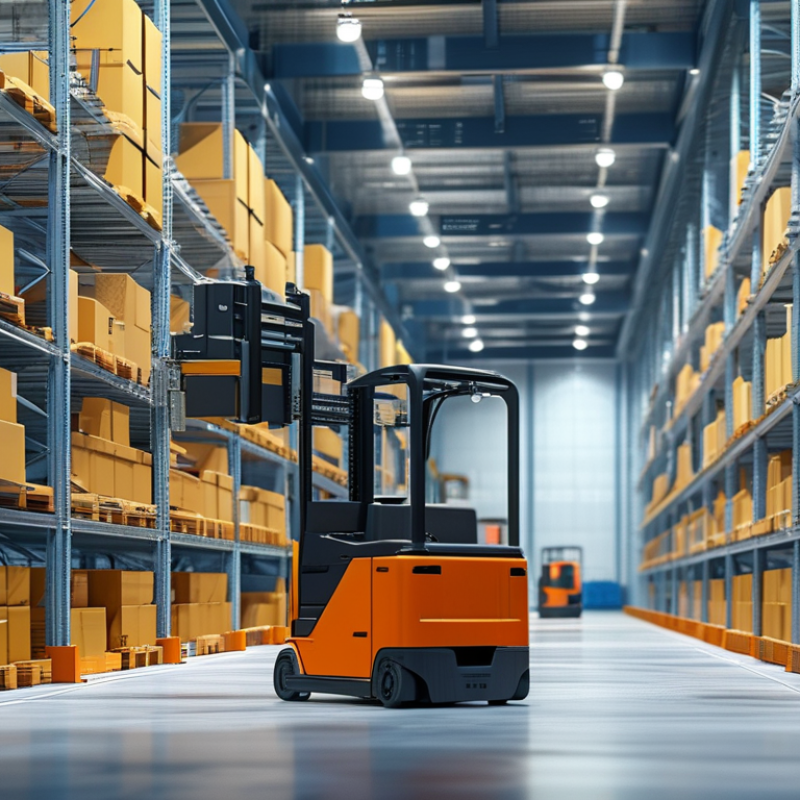
Benefits of ASRS Systems: Increased Efficiency and Speed in Warehousing
As we look ahead to 2026, Automated Storage and Retrieval Systems (ASRS) are set to revolutionize warehousing. These systems are designed to streamline storage processes. By automating inventory management, businesses can significantly reduce human error. This leads to more accurate order fulfillment and inventory tracking. The speed with which items are retrieved has dramatically improved.
With ASRS, the ability to store and access products quickly is crucial. For instance, warehouses equipped with these systems can retrieve items in seconds rather than minutes. This efficiency boosts overall productivity. Additionally, the compact design of ASRS solutions maximizes available space while minimizing operational costs. However, initial setup costs can be a concern for some companies.
Another key advantage is scalability. ASRS systems can grow alongside a business’s needs. As inventory demands increase, these systems adapt accordingly. Yet, the reliance on technology presents challenges too. Downtime for maintenance can disrupt operations. Companies must weigh the benefits against potential risks. In the end, ASRS systems offer promising advantages but require careful consideration.
Cost Savings through Reduced Labor and Operational Expenses with ASRS
Automated Storage and Retrieval Systems (ASRS) are transforming warehouse operations in 2026. These systems are designed to enhance efficiency, which leads to considerable cost savings. By automating storage and retrieval processes, companies can significantly reduce labor costs. Fewer workers are needed for manual tasks, allowing staff to focus on more strategic operations.
In addition to labor savings, ASRS also cuts down operational expenses. Efficient use of space means reduced overhead costs. Companies can optimize their storage capacity, requiring less square footage. This leads to lower rent and utility bills. However, investing in ASRS may not be suitable for every business. The initial setup can be complex and costly. Not all organizations have the resources to implement such systems effectively.
It's important to assess the long-term benefits against the initial investment. Some companies may find a gradual transition more effective. Analyzing workflow and employee input can provide insights into the right approach. ASRS holds great potential, but not all facilities will see immediate success. Proper planning and evaluation are crucial to reaping the rewards of this technology.
Enhanced Inventory Accuracy and Management with ASRS Implementation
In 2026, Automated Storage and Retrieval Systems (ASRS) are increasingly pivotal in enhancing inventory accuracy. These systems streamline operations by reducing the time spent on manual errors. With precise tracking, businesses can reduce discrepancies and improve stock visibility. This shift leads to more reliable order fulfillment, boosting customer satisfaction.
Implementing ASRS involves some challenges. Initial costs can be high, and staff training is essential. Organizations may face resistance to change, as workers adapt to new technology. However, the long-term benefits significantly outweigh these concerns. Increased efficiency can ultimately lead to cost savings and better resource allocation. Companies that invest in this technology often see improved accuracy rates, making their inventory management more robust. ت
A well-implemented ASRS doesn't just enhance efficiency. It also fosters a culture of accountability. Employees gain clarity in their roles. They understand how critical accurate inventory is for the overall success of the company. While there may be bumps in the road, refining these systems is a worthwhile investment for future growth.
Benefits of ASRS Systems in 2026
This chart illustrates the key benefits of Automated Storage and Retrieval Systems (ASRS) in 2026, highlighting enhanced inventory accuracy and management efficiency.
Improved Safety and Reduced Risk of Workplace Accidents with ASRS
Automated Storage and Retrieval Systems (ASRS) are transforming workplace safety. In 2026, their integration has significantly diminished the risk of accidents. According to the National Safety Council, workplaces utilizing ASRS report a 40% drop in injury rates. By automating material handling, these systems reduce manual labor and the associated hazards. Workers are less exposed to heavy lifting and dangerous machinery, leading to a safer environment.
Data from the Occupational Safety and Health Administration (OSHA) supports the importance of ASRS. With fewer workers manually retrieving items, the potential for slips, trips, and falls decreases. Implementing ASRS can also minimize human error, which is a common factor in workplace injuries. In some sectors, the incidence of accidents has decreased by as much as 30% due to these advanced systems. However, while ASRS enhances safety, it is crucial to continually assess their operation to ensure efficiency and reliability.
There are challenges in adapting to this technology. Some employees may resist change, fearing job loss. Organizations need to invest in training for smooth transitions. Engaging workers in the implementation process may uncover valuable feedback. ASRS systems are a step forward, yet human oversight remains essential to maximize their benefits.
Scalability and Flexibility: Adapting ASRS to Evolving Business Needs
Automated Storage and Retrieval Systems (ASRS) are increasingly vital for businesses in 2026. Their scalability and flexibility make them a preferred choice across various industries. These systems can adjust to a company's evolving demands, offering customizable configurations based on storage requirements. This agility allows businesses to respond quickly to market changes.
Tips: Assess your current storage needs. Evaluate potential growth. A clear understanding will guide your ASRS investments.
Flexibility is essential as companies face fluctuating inventory levels. ASRS systems can be scaled up or down easily, accommodating seasonal peaks or declines in stock. This adaptability helps maintain operational efficiency without sacrificing performance. Companies can upgrade their systems without extensive downtime. However, this requires planning and foresight.
Tips: Establish a timeline for possible expansions. Consider future business trends. Anticipating your needs will prevent costly disruptions.
Investing in a scalable ASRS system also minimizes long-term costs. Companies can avoid expensive replacements by adding modules instead. Flexibility in design means that new technologies can be integrated seamlessly. Yet, it's crucial for businesses to remain realistic about their capacity. Overestimating can lead to unnecessary expenses.
FAQS
ASRS reduces the risk of accidents by automating material handling. It decreases exposure to heavy lifting and dangerous machinery.
Initial costs can be high. Staff training is essential, and there may be resistance from employees fearing job loss.
ASRS can quickly adjust to changes in storage needs. Companies can easily scale systems up or down based on inventory levels.
Engaging employees can provide valuable feedback. It also helps reduce resistance to change and builds a culture of accountability.
Assess current storage requirements and potential growth. A clear understanding helps guide ASRS investment decisions.
Continual assessment of operations is crucial. Regular checks can help maximize efficiency and minimize human error.
Overestimating can lead to unnecessary expenses. It’s important to remain realistic about capacity to avoid costly disruptions.
Increased efficiency can lead to better resource allocation. Long-term investments in ASRS minimize the need for costly replacements.
There may be initial disruptions and a learning curve. Continual refinement and human oversight are essential for optimal results.
Conclusion
ASRS Systems, or Automated Storage and Retrieval Systems, are set to offer significant advantages in 2026, particularly in the warehousing sector. One of the primary benefits is the increased efficiency and speed they bring to operations, enabling businesses to manage inventory swiftly and accurately. Moreover, ASRS Systems contribute to substantial cost savings by reducing labor and operational expenses, allowing companies to allocate resources more effectively.
In addition to financial gains, the implementation of ASRS Systems enhances inventory accuracy and management, ensuring that stock levels are optimized and reducing the chances of errors. Furthermore, these systems improve workplace safety by minimizing the risk of accidents, which is crucial in high-demand environments. Finally, ASRS Systems provide scalability and flexibility, allowing organizations to adapt to changing business needs and market conditions effortlessly. Overall, the adoption of ASRS Systems is a strategic move for businesses looking to thrive in a competitive landscape.

 Jracking