For global buyers, selecting Steel Containers in 2026 requires more than comparing prices on a spreadsheet. A reliable unit must survive port handling, ocean moisture, inland transport, and repeated loading cycles. The best choice depends on cargo type, route conditions, storage time, and local inspection requirements.
Marc Levinson, author of The Box and a respected shipping historian, wrote, “The container made shipping cheap.” That statement still matters. Steel Containers connect factories, ports, warehouses, and construction sites with remarkable efficiency. Yet low transport cost does not guarantee a good purchase. A thin roof, damaged corner casting, or poorly sealed door can create expensive delays.
Look closely.
This guide examines practical options for international buyers, including standard dry containers, high-cube models, open-top designs, and specialized steel units. It considers weathering steel, floor strength, door hardware, ventilation, payload ratings, and certification records. Buyers should also verify the container’s condition through photographs, inspection reports, and supplier documentation. Requirements may differ by destination, cargo, and transport method.
Experience teaches a difficult lesson: the cheapest container is rarely the cheapest solution. However, premium pricing does not always prove better quality. Some specifications look impressive but offer little value for ordinary cargo. That is where this guide remains cautious. It compares measurable performance, not marketing language, while recognizing that supplier reliability can be difficult to judge from a website alone.
The following sections help purchasing teams make clearer decisions. They support safer logistics, stronger budgeting, and fewer unpleasant surprises.
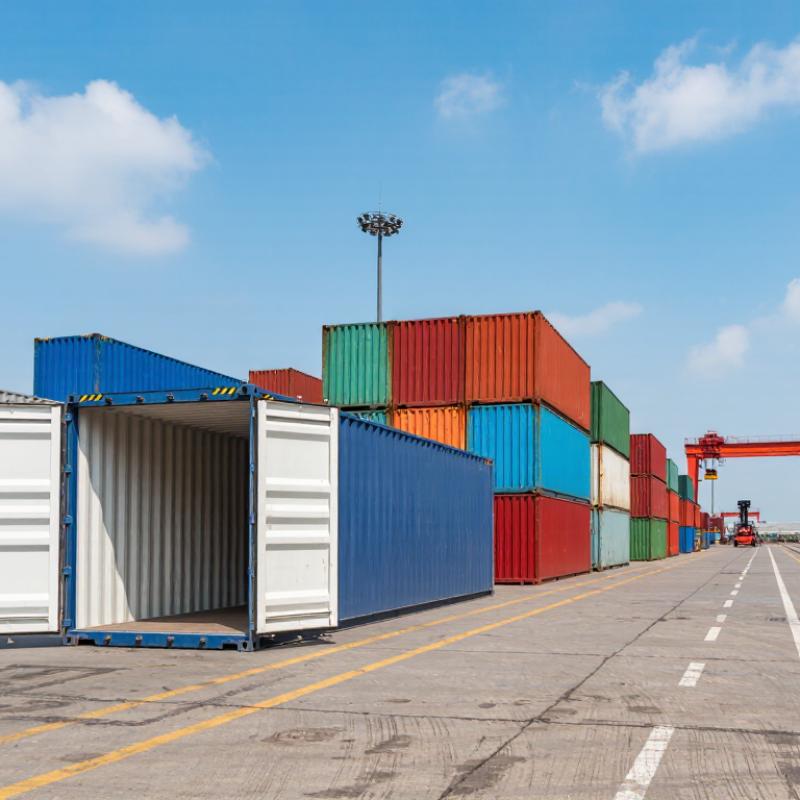
Steel containers are the physical backbone of modern intermodal trade. They move by truck, rail, and ship without unloading cargo. UNCTAD’s Review of Maritime Transport 2024 reports that maritime trade reached about 12.3 billion tonnes in 2023. Containerized goods depend on standardized boxes to manage that scale. ISO 668 sets key external dimensions, while ISO 1496-1 addresses general-purpose container performance. These standards cover corner fittings, stacking, lifting, and load resistance. Small details matter.
For global buyers, steel selection affects service life, payload, and inspection costs. Weathering steel can resist atmospheric corrosion, but it is not maintenance-free. Salt spray, trapped water, and damaged paint still create weak points. A 40-foot high-cube container usually offers about 76 cubic meters of internal space. Buyers should verify tare weight, maximum gross mass, door gasket condition, floor treatment, and CSC safety approval. The International Maritime Organization’s Container Safety Convention requires inspection and certification controls for international use. Paperwork is part of the product.
Procurement should match the container to the route. A humid coastal corridor needs stronger corrosion protection than a dry inland lane. Reused units may reduce purchase costs, yet repairs can limit capacity and delay dispatch. The World Bank’s Logistics Performance Index 2023 connects customs, infrastructure, reliability, and timeliness. A container cannot repair a weak route. I would still question one common assumption: the newest steel box is not always the best value. Total cost depends on payload, repositioning, repair access, and expected turns. That calculation remains imperfect when freight patterns change quickly.
| Container Type | Typical External Dimensions (L × W × H, mm) |
Typical Internal Dimensions (L × W × H, mm) |
Internal Volume (m³) |
Typical Tare Mass (kg) |
Typical Maximum Gross Mass (kg) |
Approx. Payload (kg) |
Common Cargo and Trade Role | Main Buying Considerations |
|---|---|---|---|---|---|---|---|---|
| 20-foot Dry Steel Container | 6,058 × 2,438 × 2,591 | 5,898 × 2,352 × 2,393 | 33.2 | 2,200–2,400 | 30,480 | About 28,080 | Dense, heavy cargo; machinery parts; metal products; packaged commodities; general export shipments. | Strong payload-to-size ratio, broad port availability, floor condition, door operation, corrosion protection, and valid safety certification. |
| 40-foot Dry Steel Container | 12,192 × 2,438 × 2,591 | 12,032 × 2,352 × 2,393 | 67.7 | 3,700–4,000 | 30,480 | About 26,480 | High-volume general cargo; cartons; furniture; textiles; consumer goods; consolidated supply-chain shipments. | Useful cubic capacity, compatibility with standard intermodal handling, cargo-securing points, and transport weight limits. |
| 40-foot High Cube Steel Container | 12,192 × 2,438 × 2,896 | 12,032 × 2,352 × 2,698 | 76.3 | 3,900–4,300 | 30,480 | About 26,180 | Lightweight, bulky cargo; retail fixtures; insulation materials; furniture; automotive components; high-volume exports. | Extra internal height and volume, loading compatibility, overall height restrictions, tare mass, and availability of suitable handling equipment. |
| 20-foot Open-top Steel Container | 6,058 × 2,438 × 2,591 | Approximately 5,898 × 2,352 × 2,350 | About 32.6 | 2,300–2,600 | 30,480 | About 27,880 | Oversized or heavy cargo loaded from above, including stone, timber, scrap metal, and industrial equipment. | Removable roof or tarpaulin system, lashing rings, top-loading method, cargo height, weather protection, and terminal acceptance. |
| 20-foot Flat-rack Steel Container | 6,058 × 2,438 × 2,591 | Platform width approximately 2,438; usable length varies by design | Not applicable | 2,500–3,000 | 30,480 | About 27,480 | Heavy, wide, or irregular cargo such as transformers, construction equipment, pipes, and fabricated structures. | Deck strength, foldable or fixed end walls, lashing capacity, out-of-gauge handling fees, securing plan, and route restrictions. |
| 20-foot Refrigerated Steel Container | 6,058 × 2,438 × 2,591 | Approximately 5,450–5,500 × 2,280–2,290 × 2,260 | About 28.0–28.5 | 2,900–3,200 | 30,480 | About 27,280 | Temperature-sensitive food, pharmaceuticals, flowers, and other perishable products requiring controlled conditions. | Temperature range, power supply requirements, airflow, inspection records, energy use, equipment condition, and monitoring capability. |
| 40-foot Refrigerated High Cube Steel Container | 12,192 × 2,438 × 2,896 | Approximately 11,560 × 2,290 × 2,540 | About 67.5 | 4,500–5,000 | 30,480 | About 25,980 | Large-volume chilled or frozen cargo, including produce, meat, seafood, dairy products, and medical shipments. | Cooling performance, temperature recording, power availability, pre-trip inspection, internal cleanliness, and higher tare mass. |
| Insulated Steel Container | Usually based on 20-foot or 40-foot ISO dimensions | Varies according to insulation thickness and interior fittings | Varies by configuration | Typically above a comparable dry unit | Usually up to 30,480 | Depends on tare mass | Cargo requiring improved thermal stability without active refrigeration, including selected chemicals, food products, and sensitive materials. | Insulation material, vapor control, internal lining, ventilation, fire performance, condensation management, and certification requirements. |
Choose weathering steel with continuous welds and reinforced corner castings. Inspect the floor for heavy-load ratings. Fresh paint can hide weak fabrication. Not proof of durability.
Check dimensions against ISO 668 and strength requirements under ISO 1496-1. Confirm the container has a legible, current CSC safety plate. Specifications alone can be incomplete.
Check door alignment, gasket compression, roof seams, and drainage points. Use direct light to inspect welds. Measure the door opening yourself. Take interior photographs.
Ask for corrosion readings, not only painted surfaces. Inspect frames near corner posts and lifting points. Saltwater storage needs stronger coating control and frequent checks. Paint can mislead.
Include transport, repairs, storage, and disposal costs. A cheap container may develop floor damage or roof leaks sooner. Compare lifecycle cost over five to ten years. The calculation is imperfect.
Measure internal length, width, height, and door clearance. Cargo may fit inside but fail at the doorway. Check tare weight and maximum gross mass. Advertised volume is not enough.
Replaceable panels, standard hinges, and accessible drainage points support repeated use. Practical maintenance matters more than appearance. Repainting also costs money. Small leaks matter.
Request material certificates, load-test records, inspection photographs, tare weight, and repair history. Confirm the CSC plate remains readable and current. Supplier claims help, but physical evidence is better. I may still overlook hidden damage.
This guide explains the essential role of Steel Containers in global trade, from protecting goods during long-distance transportation to supporting efficient storage and repeated use. It introduces key container types designed for different cargo needs, including general-purpose, open-top, flat-rack, insulated, and liquid-carrying options. Readers will learn how container structure, steel quality, corrosion resistance, load capacity, ventilation, locking systems, and international safety standards affect performance and reliability.
The article also compares durability, purchase and operating costs, internal capacity, maintenance needs, and reusability to help buyers make practical decisions. For global buyers in 2026, selecting the best Steel Containers requires matching the design to the cargo, transport route, handling equipment, climate, and expected service life. Careful evaluation of certifications, supplier consistency, customization options, delivery capability, and total ownership cost can lead to safer, more efficient, and more sustainable container procurement.

 Jracking